 Preview
 Send
Send Share
Share
 Details

 Download
 Similars
 X-Ray
X-Ray Diaporama
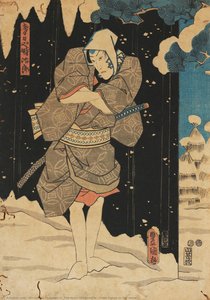
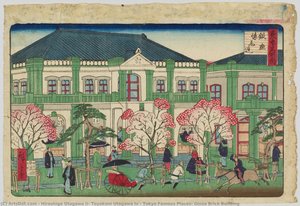
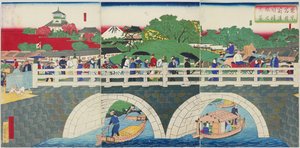
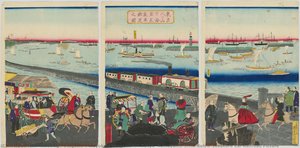
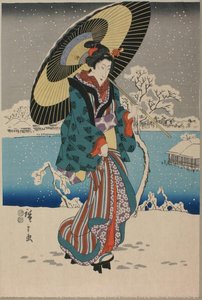
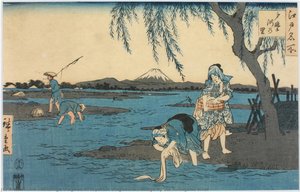
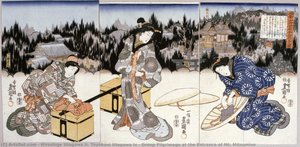
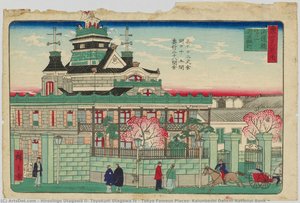
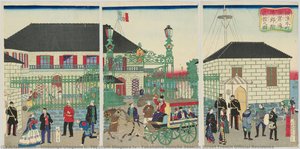
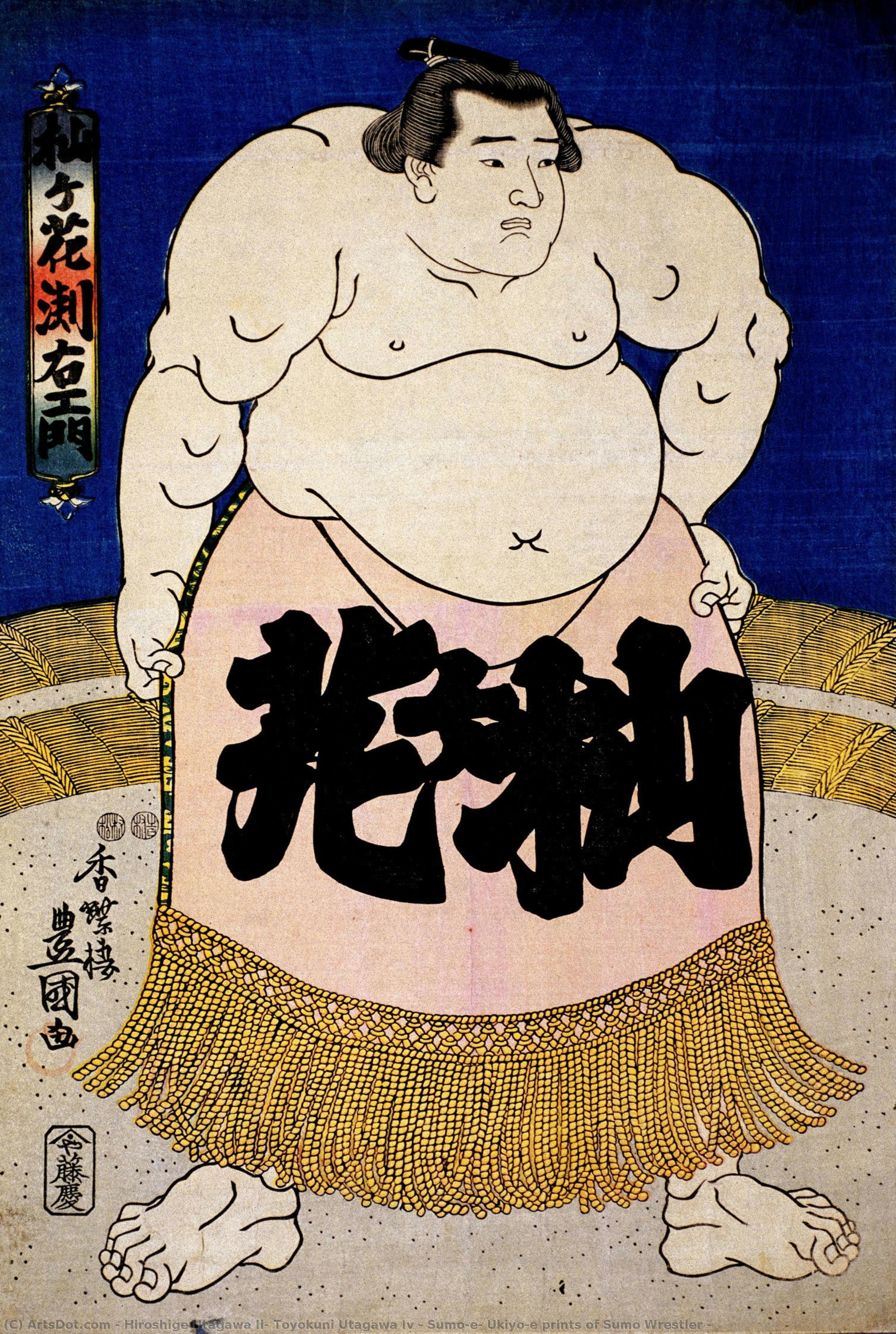
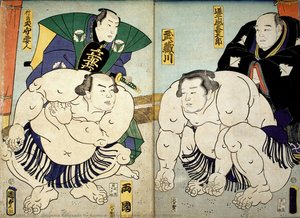
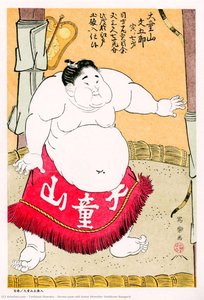
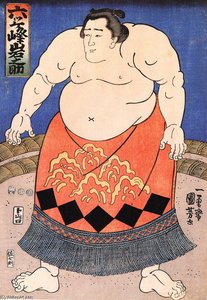
Sumo-e, Ukiyo-e prints of Sumo Wrestler
 Woodblock Print
- Ukiyo-e
 19th Century
 25.0 x 37.0 cm
 Saitama Prefectural Museum of History and Folklore
 Read More
Hand Made Oil Reproduction
Hand-painted oil on canvas in your size and frame, made to order by our artists. ( Buy Print Buy Image)




P118B $10

P118H $10

P118W $10

P438Z $10

P508JH $12

P508YH $12

P805H $10

P805Z $10

P919BZ $10

P919G $10

P919XJ $10

P959ZH $10

P968JZ $12

W106C $8

W218G $10

W218JH $8

W218Y $10

W307PJ $10

W316G $10

W316PJ $8

W316Y $10

W398PJ $8

W4111J $10

W500HY $15

W500JH $15

W692G $12

W849H $8

W940BG $15

W953PJ $8




Pick from our preset sizes that match the artwork's original proportions.

You may enter your own dimensions to fit a specific frame or space. If your selected size does not match the original image's proportions, we will either crop the artwork or extend the painting with additional hand-painted elements. A digital mockup will be sent for your approval before production begins.
Please note that the on-screen preview does not reflect the actual cropping or extension. Only the mockup will accurately show the final composition.
While custom sizes are available, we recommend selecting a dimension from the predefined list to preserve the original proportions.
After order, ArtsDot.com team will email client for instructions and provide a mockup preview
Worldwide Delivery () in 3/4 weeks instead of standard 5 weeks. (17 August). No compromise on quality.

Free Worldwide Express Shipping

High-Quality Linen Canvas

Full Shipping Insurance

Customs Tax Refund Guarantee

True Color Matching Guarantee

60-Day Return Policy (Defects Only)

100% Money-Back Guarantee

Bulk Discount Offer
 Glass option is only available in size under 110 CM

Sumo-e, Ukiyo-e prints of Sumo Wrestler
Reproduction Medium
Reproduction Size
-


Total Price
$ 263
Artwork Description
Related Artworks
Artist Biography
Hiroshige Utagawa II and Toyokuni Utagawa IV: Masters of Edo Landscape
Hiroshige Utagawa II (1797 – 1858), alongside his collaborator Toyokuni Utagawa IV, stands as a pivotal figure in the history of Japanese art and printmaking—specifically, ukiyo-e. Their partnership revolutionized the genre, elevating it from mere decorative illustration to a powerful medium for conveying emotion and capturing the essence of Edo period Japan (1603–1868). Together they produced an unparalleled body of work that continues to inspire artists and captivate audiences worldwide.- Early Life & Training: Hiroshige’s birth name was Andō Tokutarō, born in Edo (modern Tokyo) into a family involved in textiles. Recognizing his artistic talent early on, he apprenticed under Katsushika Hokusai, arguably the most celebrated ukiyo-e artist of his time—a relationship that profoundly shaped Hiroshige’s aesthetic sensibilities and technical approach.
- The Utagawa School & Collaborative Spirit: Hiroshige joined the influential Utagawa school, established by Katsushika Mokuhōsai, where he honed his skills alongside Toyokuni IV. This collaborative environment fostered innovation and resulted in a distinctive visual style characterized by meticulous detail and atmospheric perspective—a hallmark of Edo-era landscape prints.
A Vision of Tranquility: Hiroshige’s Landscape Prints – The Tokaido Series
Hiroshige's fame rests largely upon his monumental Tokaido series (1830–1832), a meticulously planned depiction of the 67 stations along Japan’s ancient pilgrimage route from Edo to Kyoto. This ambitious undertaking demanded exceptional artistic skill and logistical organization, cementing Hiroshige’s reputation as a visionary artist who could transform ordinary scenes into sublime expressions of beauty. The series is renowned for its masterful use of atmospheric perspective—a technique pioneered by Hokusai—creating an illusion of depth that transports viewers directly into the landscapes depicted.Toyokuni IV: Capturing the Drama of Kabuki
While Hiroshige excelled at portraying serene landscapes, Toyokuni IV focused his artistic energies on kabuki theater prints—ukiyo-e depictions of performances that captivated audiences throughout Edo Japan. Unlike Hiroshige’s contemplative approach, Toyokuni IV sought to convey the dynamism and excitement of the stage, capturing fleeting expressions and dramatic poses with remarkable precision.Historical Significance & Enduring Appeal
Hiroshige Utagawa II and Toyokuni Utagawa IV's contribution to ukiyo-e transcends mere artistic achievement; they embodied the spirit of Edo Japan—a period marked by social stability, economic prosperity, and a burgeoning appreciation for beauty. Their prints offer invaluable insights into Japanese culture, society, and worldview during this transformative era.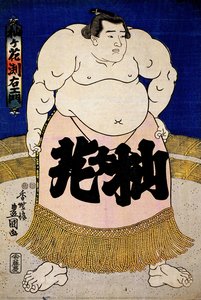
Quick Facts
- Artistic Movement Or Style: Ukiyo-e
- Artists Or Movements Influenced By This Artist: ['Japanese Landscape Painting']
- Artists Who Influenced This Artist: ['Utagawa Hiroshige I']
- Date Of Death: October 12, 1858
- Full Name: Hiroshige Utagawa II
- Nationality: Japanese
- Notable Artworks:
- Tokaido Series
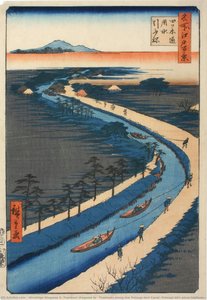
- Yotsugi-dori Canal
- Place Of Birth: Andō Tokutarō, Edo, Japan
Related Articles

Hokusai's Masterpieces: 25 Iconic Prints & Paintings for Art Lovers | ArtsDot
Journey through Katsushika Hokusai’s 25 most iconic artworks, including *The Great Wave*. Explore the ukiyo-e master's history, style & timeless Japanese woodblock prints. Find museum-quality reproductions for your home at ArtsDot.com.
Ukiyo-e's Greatest Hits: 10 Masterpieces That Shaped a Movement | ArtsDot
Journey into Japan's 'Floating World'! Explore 10 Ukiyo-e masterpieces by Hokusai, Hiroshige & more. Discover the stories behind these iconic woodblock prints and bring timeless Japanese art to your home with ArtsDot.com. Explore the full collection online.
Ukiyo-e: Exploring Japan's Floating World & Enduring Artistic Legacy
Explore the captivating world of Ukiyo-e – Japan's iconic woodblock prints! Discover masters like Hokusai & Hiroshige, learn about Edo period culture, and find expert art collecting guidance at ArtsDot.
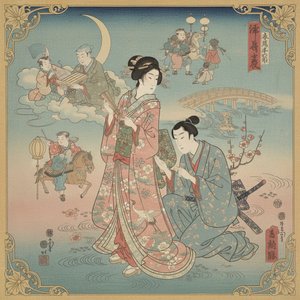
Suzuki Harunobu: Pioneering Ukiyo-e & the Refinement of Edo Period Printmaking
Discover the revolutionary world of Suzuki Harunobu, a pioneer of ukiyo-e printmaking. Explore his exquisite nishiki-e techniques, diverse subjects & lasting impact on Japanese art history. Learn more at ArtsDot.
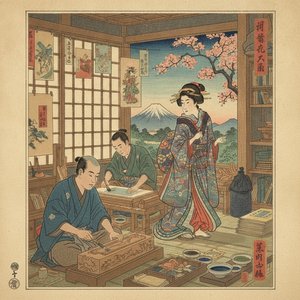
Floating World: The Captivating Art and Legacy of Japanese Ukiyo-e
Explore the profound beauty of Japanese Ukiyo-e. Discover the history, masters like Hokusai, and the enduring legacy of the 'Floating World' through an expert art-historical lens.