 Preview
 Send
Send Share
Share
 Details

 Download
 Similars
 X-Ray
X-Ray Diaporama
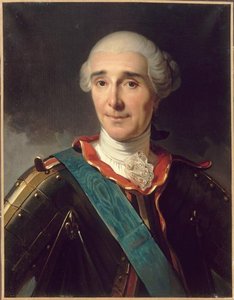
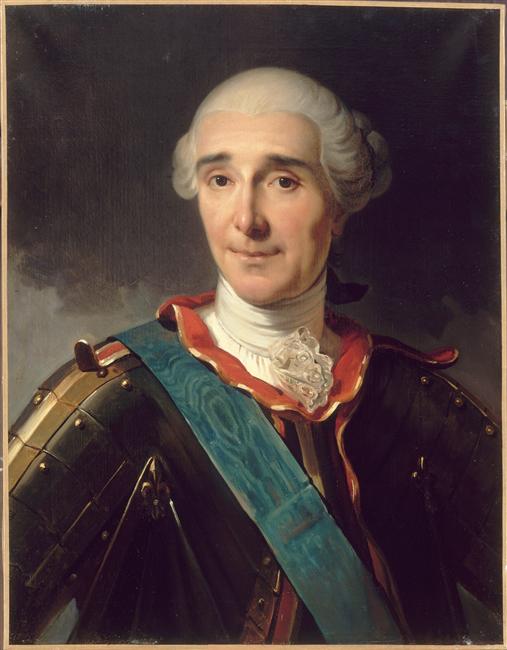
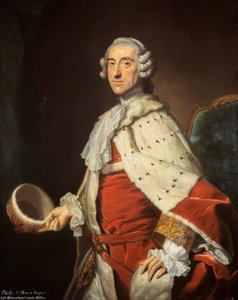
Duc De Lorges Et De Randan

 Read More
Hand Made Oil Reproduction
Hand-painted oil on canvas in your size and frame, made to order by our artists. ( Buy Print Buy Image)




































Pick from our preset sizes that match the artwork's original proportions.

You may enter your own dimensions to fit a specific frame or space. If your selected size does not match the original image's proportions, we will either crop the artwork or extend the painting with additional hand-painted elements. A digital mockup will be sent for your approval before production begins.
Please note that the on-screen preview does not reflect the actual cropping or extension. Only the mockup will accurately show the final composition.
While custom sizes are available, we recommend selecting a dimension from the predefined list to preserve the original proportions.
After order, ArtsDot.com team will email client for instructions and provide a mockup preview
Worldwide Delivery () in 3/4 weeks instead of standard 5 weeks. (17 August). No compromise on quality.

Free Worldwide Express Shipping

High-Quality Linen Canvas

Full Shipping Insurance

Customs Tax Refund Guarantee

True Color Matching Guarantee

60-Day Return Policy (Defects Only)

100% Money-Back Guarantee

Bulk Discount Offer
 Glass option is only available in size under 110 CM

Duc De Lorges Et De Randan
Reproduction Medium
Reproduction Size
-


Total Price
$ 263
Related Artworks
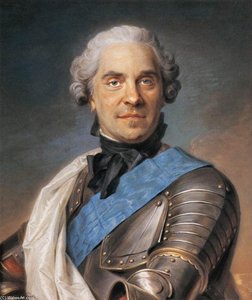
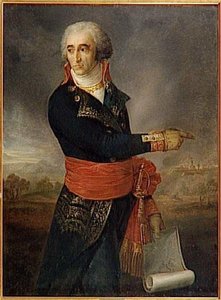
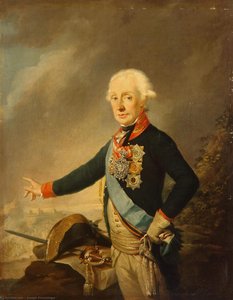
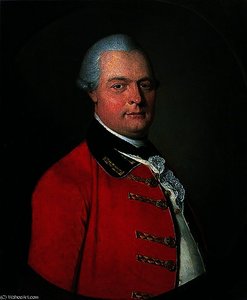
Artist Biography
A Life Captured in Light and Shadow
The story of Hortense Haudebourt-Lescot is one of profound observation and the courage to find beauty in the overlooked. Born Antoinette Cécile Hortense Viel in Paris in 1784, her journey from the daughter of a perfumer to a celebrated figure of the French Romantic era was paved with an extraordinary dedication to the nuances of human existence. Her early years were shaped by a precocious talent that caught the eye of the renowned history painter Guillaume Guillon-Lethière. Under his mentorship, she did not merely learn the mechanics of oil on canvas; she inherited a passion for the dramatic interplay of light and shadow, a technique that would later become her signature. This formative bond was more than academic; it was a gateway to the wider world, leading her to the Eternal City when Lethière was appointed director of the French Academy in Rome.
It was within the sun-drenched landscapes and vibrant streets of Italy, between 1808 and 1816, that Haudebourt-Lescot truly discovered her artistic soul. While many of her contemporaries sought the grandeur of mythological epics or the stiff formality of aristocratic portraiture, she found herself drawn to the rhythmic pulse of rural life. She became a chronicler of the Italian peasantry, capturing the intricate textures of their costumes, the warmth of their domestic rituals, and the quiet dignity of their daily labors. This period of immersion allowed her to develop a style that blended classical rigor with a burgeoning realism, transforming simple genre scenes into profound studies of human character.
The Mastery of Genre and Detail
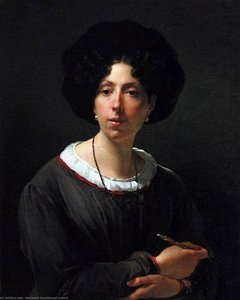
As she returned to Paris, Haudebourt-Lescot began to make her mark on the prestigious Salon, exhibiting works that commanded attention for their psychological depth and technical brilliance. Her ability to employ chiaroscuro—the dramatic contrast between light and dark—served to illuminate not just the physical features of her subjects, but their very essence. In her celebrated self-portraits, such as the one from 1825, she presents an enigmatic gaze that invites the viewer into a silent dialogue, revealing an artist who was as much a philosopher of sight as she was a painter of form.
Her oeuvre is characterized by several defining elements:
- Meticulous Realism: A profound devotion to capturing the tactile reality of fabrics, skin, and domestic environments.
- Humanist Perspective: An empathetic approach to genre painting that elevated the lives of common people to the level of high art.
- Technical Sophistication: The seamless integration of classical composition with the emotive, atmospheric qualities of the Romantic movement.
Beyond her individual canvases, Haudebourt-Lescot’s influence extended into the very fabric of the Parisian art scene. Her home became a vibrant salon, a gathering place for the intellectual and artistic elite of the 19th century. As a teacher, she passed her rigorous standards of observation to a new generation of women artists, including Herminie Déhérain and Marie-Ernestine Serret, ensuring that her legacy of precision and empathy would endure.
A Lasting Legacy in French Art
The historical significance of Hortense Haudebourt-Lescot lies in her role as a pioneer. At a time when the boundaries for women in the fine arts were often strictly circumscribed, she navigated the complexities of the art world with grace and distinction. Her recognition by the Duchess of Berry, who appointed her as her personal painter, serves as a testament to her standing within the highest echelons of French society. Yet, despite this proximity to power, her heart remained tethered to the authentic, the rustic, and the real.
Today, her works reside in some of the world's most esteemed institutions, including the Louvre Museum, serving as enduring reminders of her ability to find the extraordinary within the ordinary. She remains a vital figure for anyone seeking to understand the transition from Neoclassicism to Romanticism, and her life stands as a testament to the power of the artist's eye to transform the fleeting moments of life into eternal masterpieces.
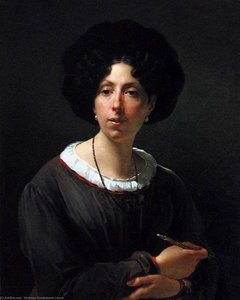
hortense haudebourt lescot
1784 - 1845 , France
Quick Facts
- Artistic Movement Or Style: Genre realism
- Artists Or Movements Influenced By This Artist: ['Neoclassicism']
- Artists Who Influenced This Artist: ['Guillaume Guillon-Lethière']
- Date Of Birth: 1784 Paris France
- Date Of Death: 1845 Paris France
- Full Name: Hortense Haudebourt-Lescot
- Nationality: French
- Notable Artworks:
- Self-Portrait
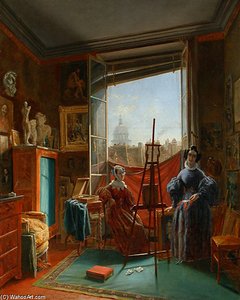
- Atelier À Paris
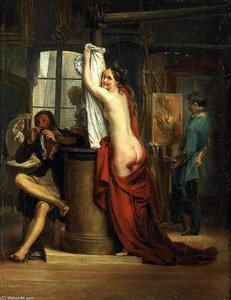
- Nude Model In The Artist’s Studio
- Place Of Birth: Paris France
Related Articles

The Enduring Legacy of Oil on Canvas: Technique, History & Aesthetic Impact
Explore the rich history & techniques of oil painting – from Renaissance masters to Impressionism. Discover pigments, layering methods, and why this timeless medium endures. Expert insights for artists & art enthusiasts.

Oil on Canvas: A Historical & Technical Exploration of a Timeless Artistic Medium
Explore the rich history & enduring techniques of oil painting on canvas. Discover the science behind its longevity, conservation practices, and contemporary relevance. Expert insights for art enthusiasts.

18th Century Masters: 10 Artworks That Define an Era | ArtsDot
Journey through 18th century art! Explore 10 iconic paintings – from Rococo elegance to Neoclassical grandeur. Discover Fragonard, David & more. Find museum-quality reproductions and elevate your home decor on ArtsDot.com.

The Enduring Power of Painting: A Historical & Contemporary Exploration of Form and Emotion
Explore the rich history & enduring techniques of oil painting with ArtsDot. Discover masterpieces, learn about art collecting, and find authentic handmade reproductions crafted by skilled artists.
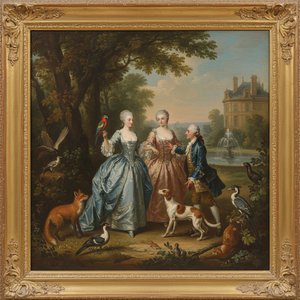
Jean-Baptiste Oudry: Rococo Painter of Aristocratic Life & Naturalistic Detail
Explore the exquisite Rococo paintings of Jean-Baptiste Oudry (1686-1755). Discover his mastery of animal depictions, royal commissions, and tapestry designs. A deep dive into 18th-century French artistry.