 Preview
 Send
Send Share
Share
 Details

 Download
 Similars
 X-Ray
X-Ray Diaporama
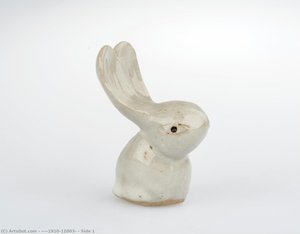
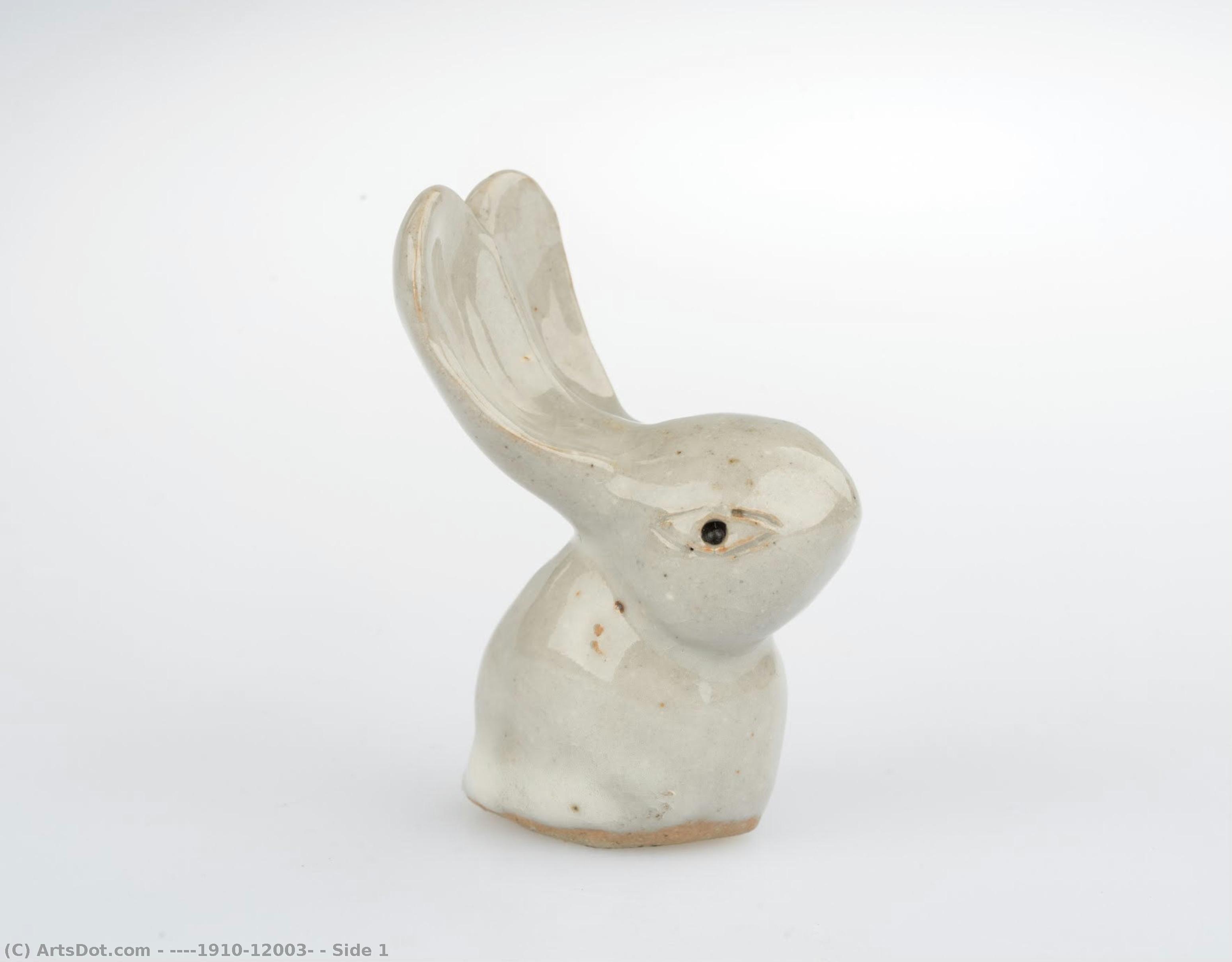
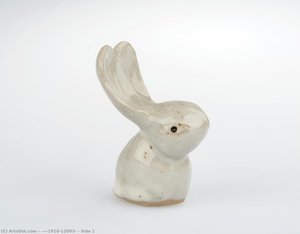
Side 1

 Read More
Hand Made Oil Reproduction
Hand-painted oil on canvas in your size and frame, made to order by our artists. ( Buy Print Buy Image)




































Pick from our preset sizes that match the artwork's original proportions.

You may enter your own dimensions to fit a specific frame or space. If your selected size does not match the original image's proportions, we will either crop the artwork or extend the painting with additional hand-painted elements. A digital mockup will be sent for your approval before production begins.
Please note that the on-screen preview does not reflect the actual cropping or extension. Only the mockup will accurately show the final composition.
While custom sizes are available, we recommend selecting a dimension from the predefined list to preserve the original proportions.
After order, ArtsDot.com team will email client for instructions and provide a mockup preview
Worldwide Delivery () in 3/4 weeks instead of standard 5 weeks. (23 August). No compromise on quality.

Free Worldwide Express Shipping

High-Quality Linen Canvas

Full Shipping Insurance

Customs Tax Refund Guarantee

True Color Matching Guarantee

60-Day Return Policy (Defects Only)

100% Money-Back Guarantee

Bulk Discount Offer
 Glass option is only available in size under 110 CM

Side 1
Reproduction Medium
Reproduction Size
-


Total Price
$ 263
Related Artworks
Artist Biography
A Life Etched in Ink: The World of Huang Wenzong
Huang Wenzong (1910-2003) stands as a pivotal figure in 20th-century Chinese art, though his recognition outside specialist circles remains surprisingly limited. Born into a period of immense social and political upheaval, his life mirrored the turbulent trajectory of modern China itself. He wasn’t merely an artist; he was a visual historian, meticulously documenting the changing face of his nation through the expressive power of ink wash painting – *shuimohua*. While biographical details are somewhat sparse, particularly concerning his early years, it is understood that Huang received a traditional Chinese education, laying the foundation for his lifelong dedication to classical techniques. This grounding proved crucial as he navigated the complex artistic landscape of a rapidly modernizing world. He was born in Zhejiang province, an area steeped in artistic heritage and renowned for its landscapes, which would profoundly influence his aesthetic sensibilities.The Evolution of a Style: From Tradition to Social Commentary
Huang Wenzong’s early work adhered closely to the conventions of literati painting – delicate brushwork, subtle washes, and an emphasis on conveying atmosphere and emotion rather than strict representational accuracy. However, unlike many of his contemporaries who sought complete breaks with the past, Huang subtly infused traditional forms with a growing sense of social awareness. The Second Sino-Japanese War (1937-1945) proved to be a watershed moment in his artistic development. Witnessing firsthand the devastation and suffering caused by conflict, he began to incorporate scenes of war into his paintings – not as explicit depictions of violence, but rather through evocative landscapes that hinted at loss, displacement, and resilience. These works often featured solitary figures dwarfed by imposing mountains or ravaged trees, symbolizing the vulnerability of humanity in the face of overwhelming forces. This period marked a shift from purely aesthetic concerns to a more engaged form of artistic expression. He didn’t abandon his mastery of technique; instead, he harnessed it to convey powerful narratives about the human condition.Themes and Techniques: A Master of Ink Wash
The core of Huang Wenzong's artistry lies in his profound understanding and innovative use of *shuimohua*. He was a virtuoso with ink – manipulating its density, texture, and tonal variations to create works of remarkable depth and nuance. His landscapes are not simply representations of physical places; they are imbued with philosophical meaning, reflecting Daoist principles of harmony between humanity and nature. Recurring themes in his work include the resilience of the Chinese people, the beauty of the natural world, and the importance of preserving cultural heritage. He frequently depicted ancient trees – gnarled, weathered, yet still standing strong – as metaphors for enduring strength and wisdom. His technique was characterized by a remarkable economy of brushstrokes, each line carefully considered and imbued with expressive power. He often employed dry brush techniques to create a sense of texture and age, while his washes were subtle and atmospheric, evoking a feeling of distance and tranquility. He also excelled in painting bamboo, a symbol of integrity and perseverance in Chinese culture.Legacy and Historical Significance
Huang Wenzong’s contribution to modern Chinese art is often overlooked, overshadowed by more radical avant-garde movements. However, his work represents a crucial bridge between tradition and modernity – demonstrating that it was possible to engage with contemporary issues while remaining deeply rooted in classical aesthetics. He never fully embraced Western artistic styles, choosing instead to refine and revitalize traditional forms.- His paintings offer a poignant visual record of 20th-century China
- He championed the importance of preserving cultural heritage during a period of rapid change.
- His mastery of *shuimohua* continues to inspire contemporary artists.
Related Articles
The Alchemy of Clay: A Collector's Guide to the Mastery, Texture, and Timeless Form of Ceramic Art
Discover the profound beauty of ceramic art. Our expert guide explores the alchemy of clay, texture, and glaze, offering collectors deep insights into mastering earth and fire to create timeless, sculptural masterpieces for any curated collection.
The Subdued Resonance: Exploring Emotional Depth & Artistic Nuance within Muted Color Palettes
Explore the captivating world of muted colors in art & design! Discover historical context, psychological effects, techniques, and inspiration for creating serene spaces. Elevate your aesthetic with ArtsDot.
The Subdued Palette: Exploring Emotional Resonance & Aesthetic Impact in Muted Artworks
Explore the power of muted colors in art! Discover the history, psychology & techniques behind serene palettes. Find inspiration & expert advice for creating emotionally resonant spaces with ArtsDot.
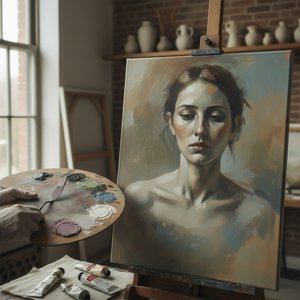
The Subdued Palette: Emotional Resonance & Aesthetic Impact of Muted Tones in Art
Explore the captivating world of muted tones in art! Discover Tonalism's history, Whistler’s influence & how subtle color palettes evoke emotion. Find serene landscapes and expert advice for integrating these timeless pieces into your home with ArtsDot.
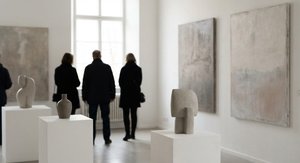
The Subtleties of Neutrality: Exploring Emotional Resonance & Aesthetic Impact in Artworks
Explore the captivating world of muted tones in art! Discover Tonalism's history, Whistler’s influence & how subtle color palettes evoke emotion. Find serene landscapes and expert advice for integrating these timeless pieces into your home with ArtsDot.