 Preview
 Send
Send Share
Share
 Details

 Download
 Similars
 X-Ray
X-Ray Diaporama
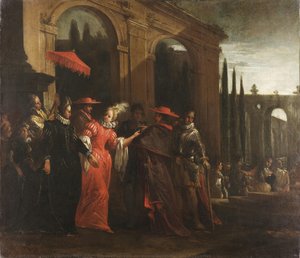
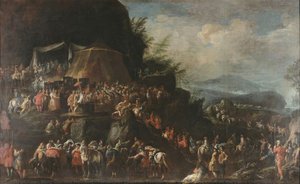
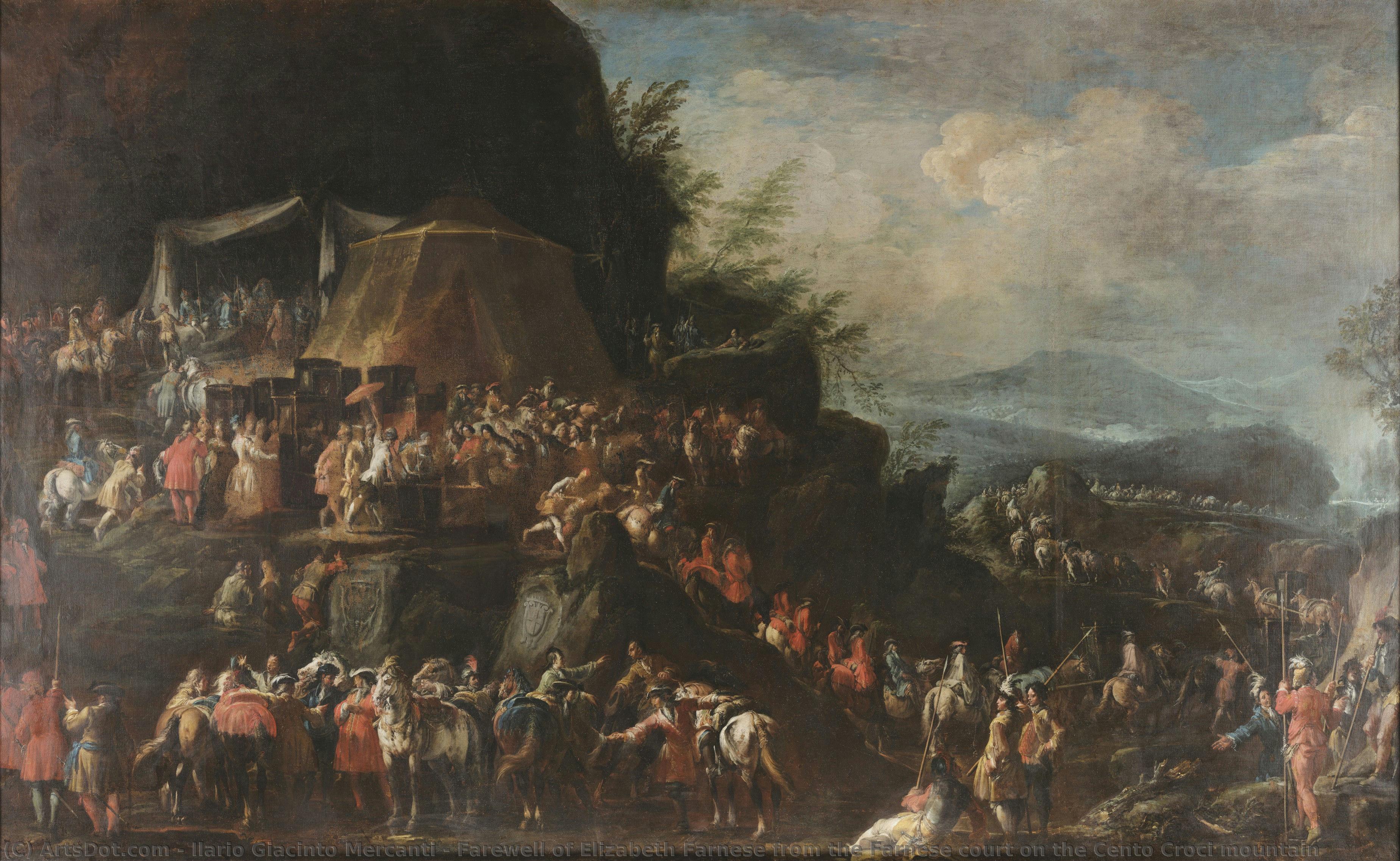
Farewell of Elizabeth Farnese from the Farnese court on the Cento Croci mountain


 Read More
Giclée / Art Print
Museum-quality giclée or canvas print with fast production and flexible finish options. ( Buy Hand Made Painting Buy Image)




P118B $10

P118H $10

P118W $10

P438Z $10

P508JH $12

P508YH $12

P805H $10

P805Z $10

P919BZ $10

P919G $10

P919XJ $10

P959ZH $10

P968JZ $12

W106C $8

W218G $10

W218JH $8

W218Y $10

W307PJ $10

W316G $10

W316PJ $8

W316Y $10

W398PJ $8

W4111J $10

W500HY $15

W500JH $15

W692G $12

W849H $8

W940BG $15

W953PJ $8




Pick from our preset sizes that match the artwork's original proportions.

You may enter your own dimensions to fit a specific frame or space. If your selected size does not match the original image's proportions, we will either crop the artwork or extend the image with a mirrored or solid-fill edge. A digital mockup will be sent for your approval before production begins.
Please note that the on-screen preview does not reflect the actual cropping or extension. Only the mockup will accurately show the final composition.
While custom sizes are available, we recommend selecting a dimension from the predefined list to preserve the original proportions.
Worldwide Delivery () in 2 weeks instead of standard 4/5 weeks. (7 September)

Free Worldwide Express Shipping

High-Quality Linen Canvas

Full Shipping Insurance

Customs Tax Refund Guarantee

True Color Matching Guarantee

100-Day Return Policy (Defects Only)

100% Money-Back Guarantee

Bulk Discount Offer
 Glass option is only available in size under 110 CM

Farewell of Elizabeth Farnese from the Farnese court on the Cento Croci mountain
Giclée / Art Print
Reproduction Size
-


Total Price
$ 63
A Grand Departure: The Poignant Spectacle of Spolverini
In the sweeping canvas of Italian Baroque history, few moments capture the intersection of personal heartache and political destiny as vividly as Ilario Giacinto Mercanti’s Farewell of Elizabeth Farnese from the Farnese court on the Cento Croci mountain. Known affectionately by his moniker "lo Spolverini," the artist serves here as both a chronicler and a dramatist, transporting the viewer to a pivotal departure in the life of one of Europe's most influential women. The scene is set against the rugged, picturesque backdrop of the Cento Croci mountains, where the natural grandeur of the landscape mirrors the monumental weight of the event unfolding within it. As Elizabeth prepares to leave her ancestral home, the painting captures a delicate tension between the intimacy of a family goodbye and the public ceremony of a departing sovereign.
The composition is a masterclass in narrative complexity, showcasing Spolverini’s celebrated ability to manage large-scale gatherings without losing the emotional thread. At the heart of this bustling assembly, we find Elizabeth surrounded by the pillars of her world: her uncle and stepfather, Duke Francis, alongside the formidable Cardinal Acquaviva and various court dignitaries. The artist meticulously populates the hillside with a diverse cast of characters—nobles in fine attire, attendants, and figures that suggest the movement of a great procession. Through his brush, we see not just a crowd, but a living, breathing community caught in a singular moment of transition. For the collector, this piece offers more than mere decoration; it provides a window into the structured elegance and social hierarchies of the 17-century Italian duchy.
Technique, Color, and the Venetian Influence
To gaze upon this work is to experience the vibrant luminosity that defines Mercanti’s mature style. Having traveled to Venice, the artist absorbed a revolutionary approach to color that departed from the more rigid traditions of his training under Francesco Monti. In this painting, the light does not merely illuminate the figures; it breathes life into the textures of silk, the heavy fabrics of clerical robes, and the earthy tones of the mountain terrain. His use of color is both strategic and emotive, employing a palette that can shift from the somber, dignified hues of the courtly officials to the bright, spirited tones of the landscape, creating a sense of depth and atmospheric perspective that draws the eye deep into the horizon.
The technical execution reveals Spolverini’s remarkable skill in rendering detail within a grand composition. He possesses an almost photographic ability to represent the intricate details of horses, carriages, and even the specific architecture of sedan chairs, making him a "faithful reporter" of the era's festivities. This precision makes the work particularly captivating for interior designers seeking a focal point that rewards close inspection. Every brushstroke contributes to a sense of motion—the subtle tilt of a head in grief, the poised stance of a guard, and the undulating lines of the distant hills all work in harmony to create a masterpiece of Baroque storytelling.
An Eternal Legacy for the Discerning Collector
Beyond its historical significance, Farewell of Elizabeth Farnese resonates on a deeply human level. It is a painting about endings and beginnings, about the bittersweet nature of leaving one's roots to embrace a larger, more uncertain destiny. This emotional resonance, paired with the sheer scale of the narrative, makes it an incomparable choice for those looking to infuse a space with history, drama, and sophistication. Whether displayed in a grand salon or a private study, a high-quality reproduction of this work serves as a conversation piece that celebrates the enduring power of Italian heritage.
For the art lover, owning a piece that captures such a profound historical milestone is an opportunity to connect with the legacy of the Farnese court. For the interior designer, it offers a rich tapestry of color and light that can anchor a room with classical prestige. Spolverini’s ability to blend the monumental with the personal ensures that this painting remains not just a relic of the past, but a living element of beauty in any contemporary collection.
Related Artworks





Artist Biography
early life and training
ilario giacinto mercanti, also known as ilario spolverini, was an italian painter born in parma in 1657. he died in piacenza in 1734. spolverini was influenced by the work of francesco monti, known as brescianino, and after a trip to venice, his painting displayed a new approach to color that made it fully original.artistic style and notable works
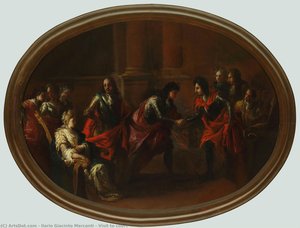
mercanti's style is characterized by its use of vibrant colors and dramatic compositions. some of his notable works include:- visit to court (musei civici di palazzo farnese, piacenza, italy), a masterpiece showcasing his skill in capturing the intricacies of human interaction.
- entrance in parma of cardinal gozzadini, with cardinal acquaviva and duke francis farnese (musei civici di palazzo farnese, piacenza, italy), a testament to his ability to convey the grandeur of historical events.
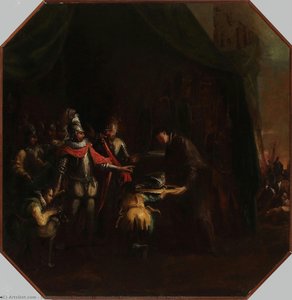
- victory (musei civici di palazzo farnese, piacenza, italy), a powerful example of his use of color and composition to evoke emotions.
influence and legacy
mercanti worked for various noble families in the area of parma and piacenza, painting battle scenes for the duke. his religious artwork was placed in the certosa and the cathedral of parma. among his pupils were francesco simonini, antonio fratacci, clemente ruta, and giuseppe peroni. view more of ilario giacinto mercanti's works on ArtsDot.com: explore the world of italian baroque painting on ArtsDot.com: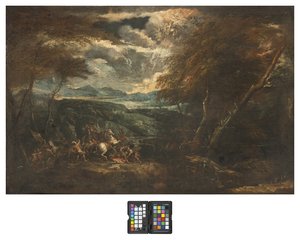
ilario giacinto mercanti
1657 - 1734 , Italy
Quick Facts
- Artistic Movement Or Style: Baroque
- Artists Or Movements Influenced By This Artist: Venetian Painting
- Artists Who Influenced This Artist: Francesco Monti
- Date Of Birth: 1657 Parma Italy
- Date Of Death: 1734 Piacenza Italy
- Full Name: Ilario Giacinto Mercanti
- Nationality: Italian
- Notable Artworks:
- Visit to Court
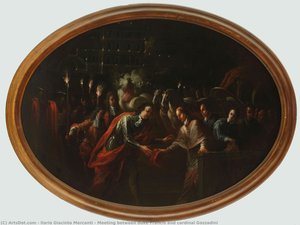
- Meeting between duke Francis and cardinal Gozzadini
- Victory
- Place Of Birth: Parma Italy
Related Articles

Baroque Drama: Bringing Opulence & Emotion into Contemporary Interiors
Explore the opulent world of Baroque interior design! Discover key elements, modern applications & how to bring dramatic elegance into your home with 's authentic reproductions.

Baroque Masterpieces: 10 Paintings That Defined an Era |
Journey through the drama & grandeur of Baroque art! Explore 10 masterpieces by Caravaggio, Rembrandt, Rubens & more. Discover stunning oil paintings, rich colors & timeless stories. Find museum-quality reproductions at .
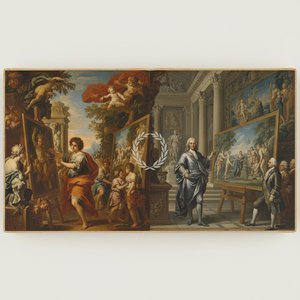
Simon Vouet: A Baroque Master's Journey from Italian Influence to French Classicism
Explore the life & art of Simon Vouet, a pivotal French Baroque painter who introduced Italian styles to France. Discover his masterpieces and lasting influence on 17th-century art.

The Visceral Stage: Exploring Dramatic Narratives & Emotional Intensity in Baroque Art
Explore the dramatic world of Baroque art! Discover iconic masters like Caravaggio & Rembrandt, their techniques, and the movement's lasting impact. Expert insights for collectors & enthusiasts at ArtsDot.

The Dramatic Flourish: Exploring the Baroque Movement's Enduring Legacy in Art History
Explore the dramatic world of Baroque art! Discover iconic artists like Caravaggio & Rubens, defining techniques, and its lasting impact on art history. Expert insights for collectors & enthusiasts at ArtsDot.