 Preview
 Send
Send Share
Share
 Details

 Download
 Similars
 X-Ray
X-Ray Diaporama
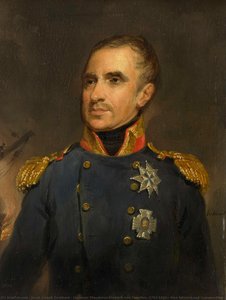
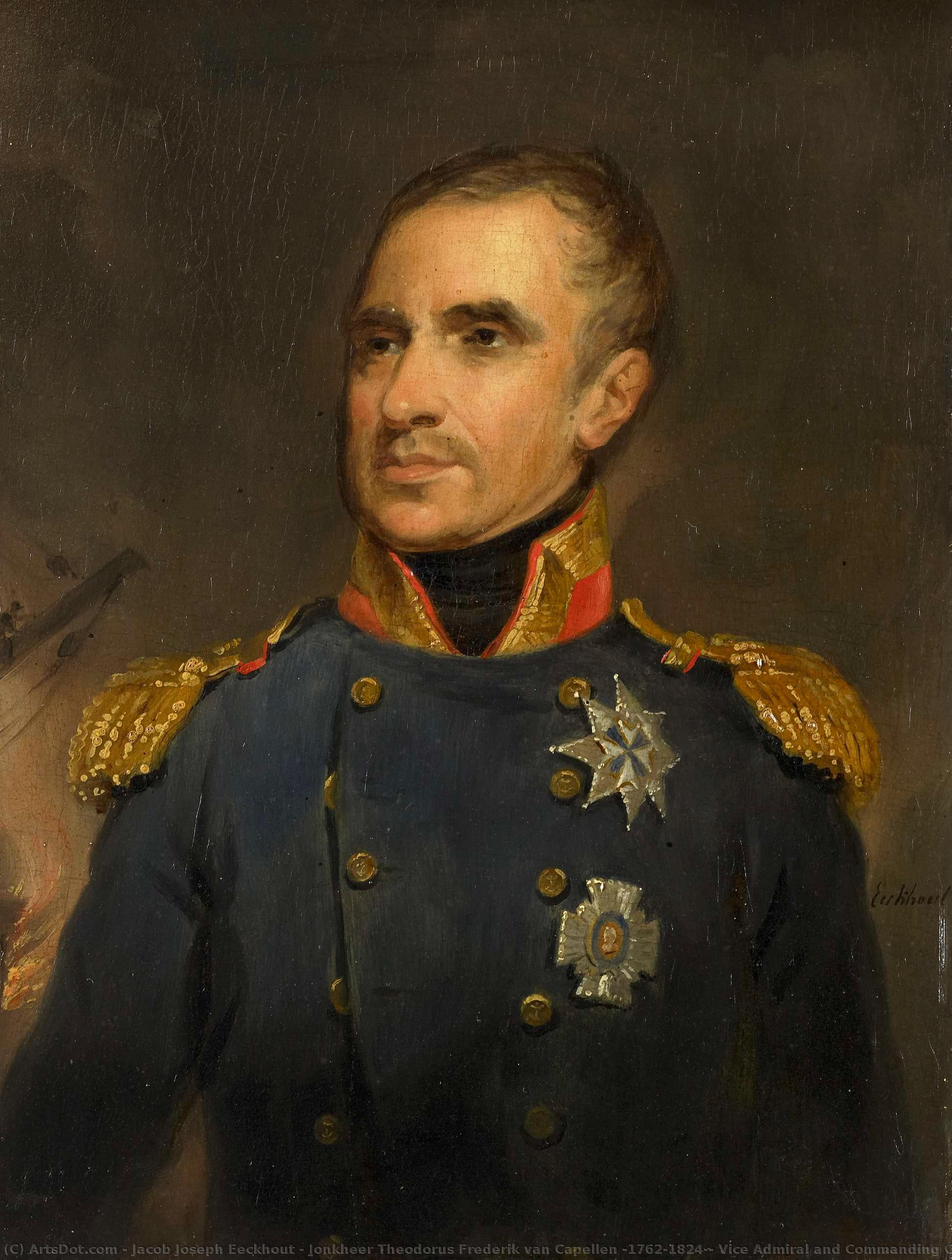
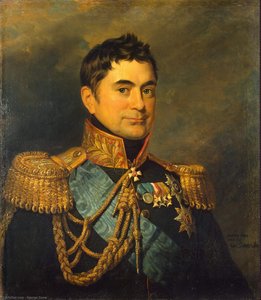
Jonkheer Theodorus Frederik van Capellen (1762-1824), Vice Admiral and Commanding Officer of the Dutch Squadron off Algiers, 1816, Jacob Joseph Eeckhout, 1835
 Neoclassicism
 1835
1835 31.0 x 24.0 cm
 Read More
Hand Made Oil Reproduction
Hand-painted oil on canvas in your size and frame, made to order by our artists. ( Buy Print Buy Image)




































Pick from our preset sizes that match the artwork's original proportions.

You may enter your own dimensions to fit a specific frame or space. If your selected size does not match the original image's proportions, we will either crop the artwork or extend the painting with additional hand-painted elements. A digital mockup will be sent for your approval before production begins.
Please note that the on-screen preview does not reflect the actual cropping or extension. Only the mockup will accurately show the final composition.
While custom sizes are available, we recommend selecting a dimension from the predefined list to preserve the original proportions.
After order, ArtsDot.com team will email client for instructions and provide a mockup preview
Worldwide Delivery () in 3/4 weeks instead of standard 5 weeks. (27 August). No compromise on quality.

Free Worldwide Express Shipping

High-Quality Linen Canvas

Full Shipping Insurance

Customs Tax Refund Guarantee

True Color Matching Guarantee

60-Day Return Policy (Defects Only)

100% Money-Back Guarantee

Bulk Discount Offer
 Glass option is only available in size under 110 CM

Jonkheer Theodorus Frederik van Capellen (1762-1824), Vice Admiral and Commanding Officer of the Dutch Squadron off Algiers, 1816, Jacob Joseph Eeckhout, 1835
Reproduction Medium
Reproduction Size
-


Total Price
$ 263
Artwork Description
Related Artworks
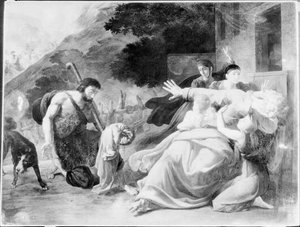
Artist Biography
A Life Immersed in Detail: The World of Jacob Joseph Eeckhout
Jacob Joseph Eeckhout, a Flemish painter born in Antwerp around 1630, remains a somewhat enigmatic figure despite his considerable talent and the meticulous quality of his work. While biographical details are scarce – a common fate for artists operating outside the immediate circle of patronage and fame – what *is* known reveals a life dedicated to capturing the everyday with an almost photographic precision that foreshadows later Realist movements. Eeckhout wasn’t a painter of grand historical narratives or soaring religious visions; instead, he focused on genre scenes, interiors, and portraits, imbuing each canvas with a quiet dignity and remarkable attention to texture and light. His father, also named Jacob Eeckhout, was a respected glass painter, providing young Jacob with an early grounding in artistic technique and likely influencing his keen eye for detail and color. Antwerp at this time was still recovering from the religious and economic upheavals of the 17th century, but it remained a vibrant center for painting, particularly genre painting which catered to a growing middle-class market eager for depictions of domestic life.Early Influences and Artistic Development
Eeckhout’s artistic development was shaped by several key influences prevalent in Antwerp during his formative years. The work of Adriaen Brouwer, known for his rough, earthy depictions of peasant life, undoubtedly left its mark on Eeckhout's early genre scenes. However, Eeckhout refined this approach, moving away from Brouwer’s often-caricatured figures towards a more nuanced and sympathetic portrayal of his subjects. He also absorbed the influence of David Teniers the Younger, another prominent Antwerp painter specializing in peasant festivities and interior scenes. But perhaps the most significant impact came from the work of Pieter de Hooch, whose interiors – bathed in soft light and populated with carefully observed figures – served as a model for Eeckhout’s own compositions. Unlike some of his contemporaries who favored dramatic chiaroscuro, Eeckhout embraced a more subtle use of light, creating an atmosphere of calm intimacy within his paintings. His early works often feature simple interiors, humble kitchens, and scenes of everyday labor, executed with a remarkable degree of realism.Themes and Techniques: A Master of the Mundane
The core of Eeckhout’s artistic output lies in his ability to elevate the mundane to the level of art. He painted interiors – often kitchens or modest living rooms – populated by women engaged in domestic tasks such as cooking, sewing, or caring for children. These are not idealized scenes; they depict the realities of daily life with unflinching honesty. His portraits, while less numerous than his genre paintings, share the same commitment to realism and psychological insight. Eeckhout’s technique is characterized by a meticulous attention to detail – the textures of fabrics, the gleam of pewterware, the subtle play of light on surfaces are all rendered with extraordinary precision. He employed a relatively limited palette, favoring earth tones and muted colors that contribute to the overall sense of calm and intimacy. His brushwork is smooth and refined, creating a polished surface that enhances the clarity of his forms. He was particularly adept at depicting light filtering through windows, casting soft shadows and illuminating the interiors with a gentle glow.Recognition and Historical Significance
Despite not achieving the widespread fame of some of his contemporaries, Eeckhout enjoyed a respectable reputation during his lifetime. He became a member of the Antwerp Guild of Saint Luke in 1657, indicating his acceptance into the established artistic community. His paintings were sought after by collectors and connoisseurs, particularly in the Netherlands and England. While documentation is limited, it’s clear that he had a dedicated clientele who appreciated his skill and sensitivity. In terms of historical significance, Eeckhout occupies an important position as a precursor to later Realist movements.- His commitment to depicting everyday life with honesty and accuracy
- His rejection of idealized forms in favor of realistic portrayals
- His meticulous attention to detail and subtle use of light
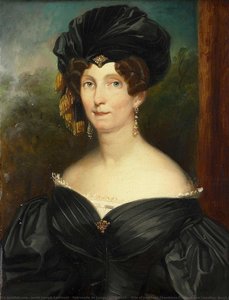
Quick Facts
- Artistic Movement Or Style: Genre painting, History painting
- Date Of Death: Living
- Full Name: Jacob Joseph Eeckhout
- Notable Artworks:
- The Baptism of Christ
- The Last Supper
- Noah's Ark
Related Articles

The Enduring Legacy of Oil on Canvas: Technique, History & Aesthetic Impact
Explore the rich history & techniques of oil painting – from Renaissance masters to Impressionism. Discover pigments, layering methods, and why this timeless medium endures. Expert insights for artists & art enthusiasts.
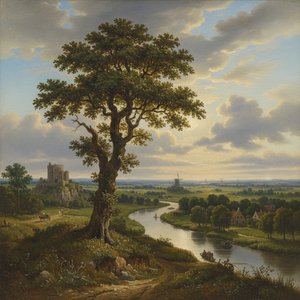
Jacob van Ruisdael: Master of Dutch Landscape & the Evocation of National Identity
Explore the life & work of Jacob van Ruisdael, the preeminent Dutch landscape painter. Discover his technical brilliance, symbolic depth, and lasting influence on art history. Learn about collecting Ruisdael's masterpieces.

Oil on Canvas: A Historical & Technical Exploration of a Timeless Artistic Medium
Explore the rich history & enduring techniques of oil painting on canvas. Discover the science behind its longevity, conservation practices, and contemporary relevance. Expert insights for art enthusiasts.

The Enduring Power of Painting: A Historical & Contemporary Exploration of Form and Emotion
Explore the rich history & enduring techniques of oil painting with ArtsDot. Discover masterpieces, learn about art collecting, and find authentic handmade reproductions crafted by skilled artists.

Golden Age Reflections: Dutch Baroque Painting & Cultural Innovation
Explore the Dutch Golden Age of painting! Discover key artists like Vermeer & ter Borch, their innovative techniques, and the rich cultural context behind these Baroque masterpieces. Learn about collecting & appreciating this iconic art period.