

 Preview
 Send
Send Share
Share
 Details

 Download
 Similars
 X-Ray
X-Ray Diaporama
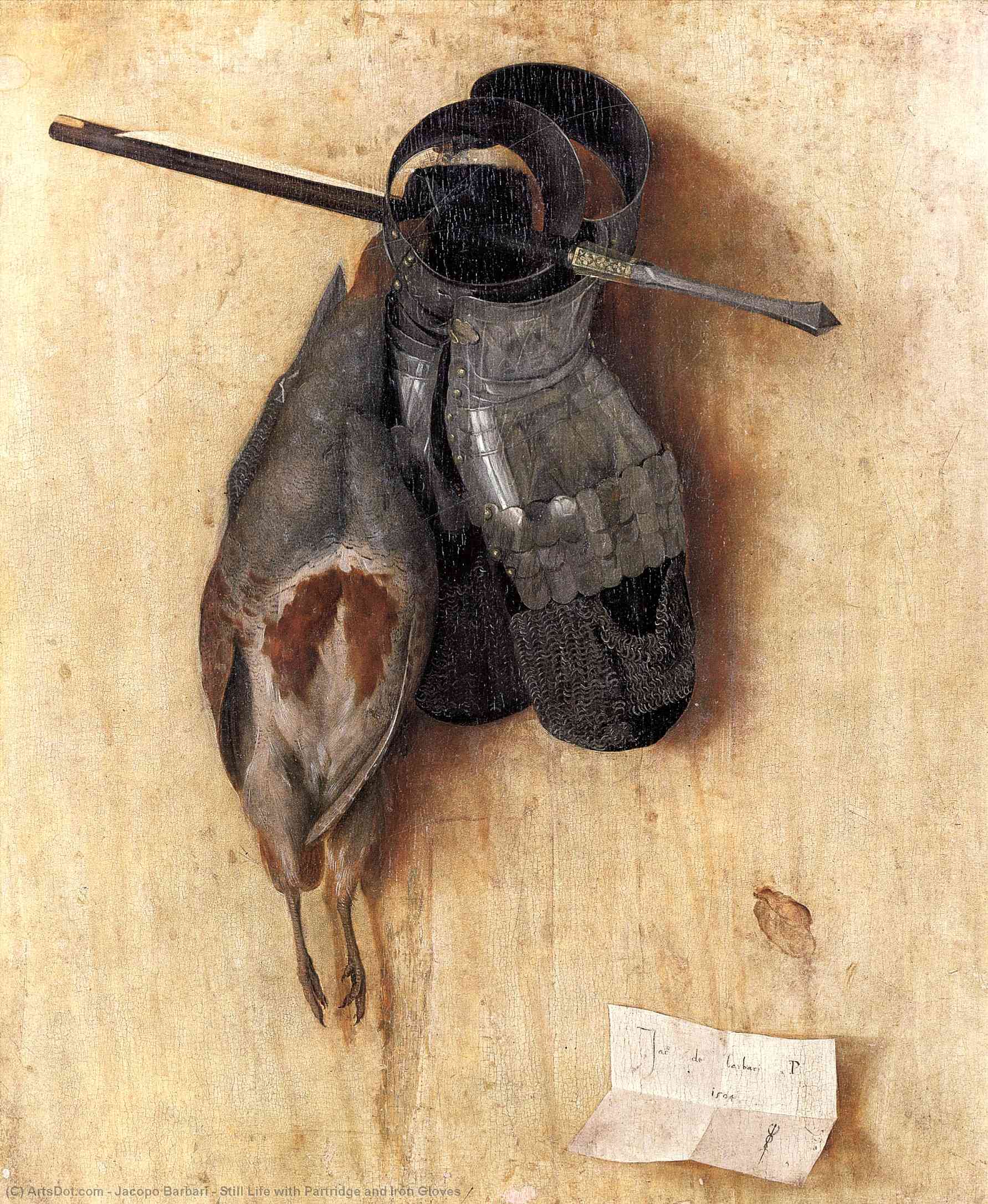
Still Life with Partridge and Iron Gloves
 Oil On Canvas
- WallArt
- Renaissance
 1504
1504- Renaissance
 52.0 x 425.0 cm
 Alte Pinakothek
 Read More
Purchase a high-resolution, enhanced digital image, far superior to the online preview.
Each file is meticulously prepared by our in-house specialists using advanced tools and expert manual retouching. We ensure every image has exceptional clarity, precise color accuracy, and fine detail.
The final file is delivered via email within 72 hours, optimized for immediate use in professional, editorial, and print environments. This is the same quality trusted by top-tier design studios, publishers, and galleries.
Digital Image
Download a high-resolution file for personal display, printing, and creative projects. ( Buy Print Buy Hand Made Painting)
Included in Every Digital Image Order
Expert Digital Delivery, Guaranteed
When you choose ArtsDot.com, you're not just getting an image - you're receiving a professionally enhanced digital artwork, crafted with precision and backed by a satisfaction guarantee. Here's everything that comes with your order, automatically:

Fast Email Delivery
Your high-resolution digital image file will be emailed to you within 72 hours of ordering - ready for immediate use.

AI-Enhanced Digital File
Your artwork is professionally optimized using advanced AI tools and manual editing, ensuring maximum detail, clarity, and color accuracy.

Free Lifetime Re-Delivery
Accidentally deleted or lost your file? No worries - we'll resend it to you anytime, free of charge.

No Import Fees - Ever
Enjoy your artwork instantly with zero customs, duties, or delivery fees - digital downloads are always tax-free.

Color Accuracy Guarantee
We ensure your digital image reflects the original colors as closely as possible using professional tools and color management.

60-Day Satisfaction Guarantee
If you're not satisfied with your digital image, we'll revise it or refund 100% within 60 days - no questions asked.

100% Money-Back Guarantee
Not satisfied? Get a full refund within 60 days of receiving your digital file - no questions asked.

Bulk Order Discounts
Buy 3 images, save 10% - Buy 5, save 15% - Buy 10+, save 20%. Great for creative projects, galleries, and agencies.
Collectible Description
The Illusion of Reality: A Study in Still Life
To gaze upon this remarkable still life with Partridge and Iron Gloves is to step directly into the meticulous, almost obsessive world of Renaissance craftsmanship. It is not merely a depiction of objects; it is a carefully constructed meditation on presence, absence, and the very nature of perception. The composition draws the eye immediately to the central arrangement—the lifeless bird hanging suspended, its head bowed in an eternal repose. Flanking this poignant centerpiece are the pair of black leather gloves, stacked with quiet dignity, all anchored beneath the stark geometry of a hanging iron bar. Against the pristine white expanse that serves as both backdrop and compositional foil, every texture, from the soft curve of the feathers to the cold gleam of the metal, is rendered with breathtaking verisimilitude.
Mastery in Trompe l'oeil Technique
The hand of Jacopo Barbari, the Venetian pioneer whose genius lay in fooling the eye, is unmistakable here. This piece exemplifies his mastery of trompe l'oeil—the art of visual deception. Barbari did not simply paint objects; he engineered illusions. The way the light catches the leather grain of the gloves suggests a tangible reality, inviting the viewer to reach out and touch them. Similarly, the hanging bird seems weighted by gravity, its stillness palpable. This technical brilliance elevates the work beyond mere genre painting; it becomes a profound exercise in optical illusion, showcasing an understanding of material science as much as artistic skill.
Symbolism Woven into Everyday Objects
In the rich tapestry of Renaissance still life, no object is accidental. The inclusion of the dead partridge often speaks to themes of transience and the fleeting nature of earthly beauty—a memento mori whispered across centuries. The gloves, perhaps suggesting a discarded role or a moment paused in time, add an element of human narrative mystery. And the iron bar? It introduces a note of industrial permanence against the organic decay suggested by the bird. Together, these elements create a subtle dialogue between life and death, luxury and utility, inviting deep contemplation from the collector who appreciates art that rewards prolonged study.
A Touch of Venetian Renaissance Elegance
Dating to 1504, this work captures the vibrant intellectual ferment of early sixteenth-century Venice. While Barbari’s career was marked by his revolutionary printmaking, works like this still life demonstrate his ability to translate that sharp, detailed observation into a monumental painted format. For the modern connoisseur or designer seeking an authentic piece of historical gravitas, owning a reproduction of this work is acquiring more than just decoration; it is curating a conversation piece steeped in Renaissance intellectualism and unparalleled technical finesse. It promises to anchor any space with a sophisticated air of studied antiquity.
Related Artworks
Artist Biography
Jacopo Barbarini: The Venetian Trompe l'oeil Pioneer
Jacopo de’ Barbari remains one of the most elusive figures in Renaissance art, a master whose biography is pieced together from fragmentary evidence and scholarly speculation. Born sometime between 1460 and 1470 – though precise dates remain unknown – he emerged from Venice during a period of artistic ferment, profoundly influenced by the stylistic innovations championed by Andrea Mantegna and Albrecht Dürer. Contemporary accounts describe him as “old and weak” in 1511, suggesting a lifespan considerably longer than initially surmised, placing his active career well into the mid-century. Despite the lack of definitive biographical details, Barbarini’s artistic legacy speaks volumes about his talent and impact. He is celebrated primarily for his groundbreaking trompe l'oeil engravings and monumental woodcuts, techniques that revolutionized printmaking and established him as a singular visionary. These works weren’t merely aesthetically pleasing; they represented a radical departure from traditional representation, exploiting illusionistic perspective to create astonishingly realistic images that defied conventional spatial conventions. His magnum opus, the “Still Life with Fruit,” exemplifies this masterful manipulation of visual perception—a testament to his artistic genius and a cornerstone of Mannerist aesthetics.- Early Influences: Alvise Vivarini is considered Barbarini’s probable teacher, though details about his formative years remain obscure.
- German Patronage & Artistic Development: Barbarini traveled to Nuremberg in 1500 under the patronage of Maximilian I, followed by stints with Frederick III of Saxony and Joachim I of Brandenburg. During these periods he adopted the pseudonym “Jacop Walch,” reflecting his status as a foreigner.
- Venetian Engagement & Burgundian Connections: He returned to Venice with Philip II of Burgundy and subsequently worked for Margaret Tudor in Brussels, demonstrating his adaptability and artistic versatility across diverse cultural landscapes.
Major Achievements & Artistic Style
Barbari’s most enduring contribution to art history lies in his pioneering use of trompe l'oeil engraving. Unlike earlier printmakers who sought to faithfully reproduce visual reality, Barbarini deliberately deceived the eye, creating images that appeared three-dimensional despite their flat surface. This technique—known as “trompe l'oeil,” meaning "fool the eye"—became a defining characteristic of his oeuvre and profoundly impacted subsequent generations of artists. His woodcuts, particularly the monumental “Mars and Venus,” further solidified his reputation as a master craftsman and showcased his ability to convey complex narratives with striking visual impact.- Signature & Symbolism: Barbarini consistently signed his engravings with a caduceus—the symbol of Mercury—and the Munich Still Life bearing this emblem beneath his name ("jac.o de barbarj p 1504").
- Formal Innovations: His style is marked by geometric precision, flattened perspective, and an unsettling fascination with decay – elements that align perfectly with Mannerist artistic tendencies.
Historical Significance & Legacy
Jacopo Barbarini’s work transcends mere aesthetic beauty; it embodies a fundamental shift in artistic thinking. He challenged the conventions of humanist representation, prioritizing expressive distortion and psychological complexity over idealized realism. His influence extended far beyond Venice and Germany, shaping the visual language of Renaissance art across Europe. More than simply replicating existing styles, Barbarini actively interrogated them, pushing boundaries and establishing himself as an innovator whose legacy continues to inspire artists today. He stands as a testament to the transformative power of artistic experimentation and remains one of the most remarkable figures in the history of printmaking.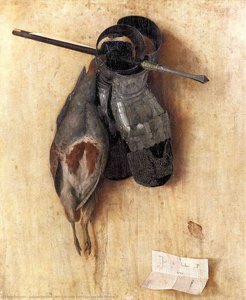
jacopo barbari
1460 - 1516
Quick Facts
- Artistic Movement Or Style: Mannerism
- Artists Or Movements Influenced By This Artist: ['Renaissance']
- Artists Who Influenced This Artist:
- Alvise Vivarini
- Mantegna
- Dürer
- Date Of Birth: c. 1460/70
- Date Of Death: before 1516
- Full Name: Jacopo de' Barbari
- Nationality: Italian
- Notable Artworks:
- Mars and Venus
- A female figure of Victory reclining amid a pile of trophies of war
- Place Of Birth: Venice, Italy

