 Preview
 Send
Send Share
Share
 Details

 Download
 Similars
 X-Ray
X-Ray Diaporama
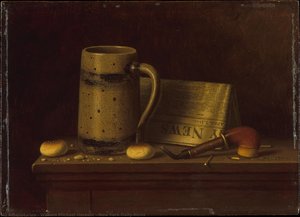
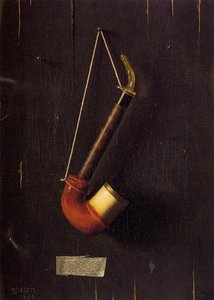
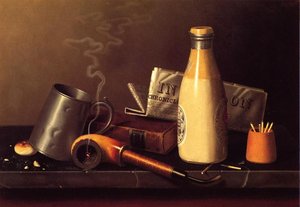
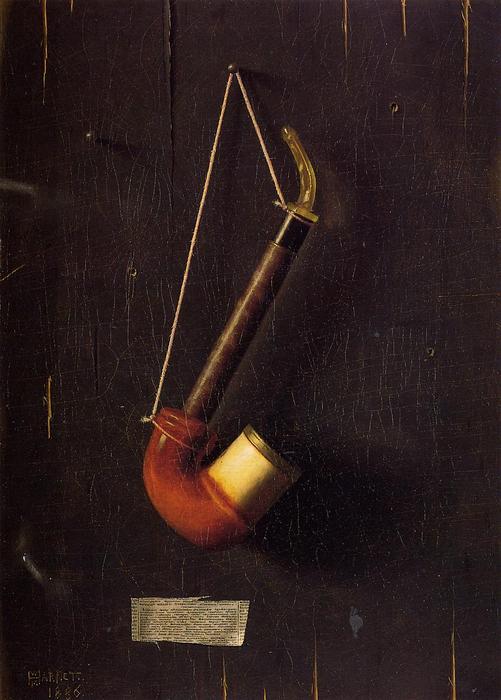
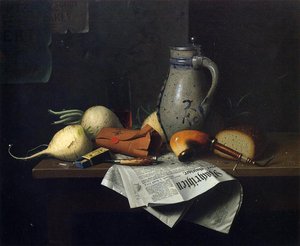
The Meerschaum


 Read More
Hand Made Oil Reproduction
Hand-painted oil on canvas in your size and frame, made to order by our artists. ( Buy Print Buy Image)




P118B $10

P118H $10

P118W $10

P438Z $10

P508JH $12

P508YH $12

P805H $10

P805Z $10

P919BZ $10

P919G $10

P919XJ $10

P959ZH $10

P968JZ $12

W106C $8

W218G $10

W218JH $8

W218Y $10

W307PJ $10

W316G $10

W316PJ $8

W316Y $10

W398PJ $8

W4111J $10

W500HY $15

W500JH $15

W692G $12

W849H $8

W940BG $15

W953PJ $8




Pick from our preset sizes that match the artwork's original proportions.

You may enter your own dimensions to fit a specific frame or space. If your selected size does not match the original image's proportions, we will either crop the artwork or extend the painting with additional hand-painted elements. A digital mockup will be sent for your approval before production begins.
Please note that the on-screen preview does not reflect the actual cropping or extension. Only the mockup will accurately show the final composition.
While custom sizes are available, we recommend selecting a dimension from the predefined list to preserve the original proportions.
After order, ArtsDot.com team will email client for instructions and provide a mockup preview
Worldwide Delivery () in 3/4 weeks instead of standard 5 weeks. (17 August). No compromise on quality.

Free Worldwide Express Shipping

High-Quality Linen Canvas

Full Shipping Insurance

Customs Tax Refund Guarantee

True Color Matching Guarantee

60-Day Return Policy (Defects Only)

100% Money-Back Guarantee

Bulk Discount Offer
 Glass option is only available in size under 110 CM

The Meerschaum
Reproduction Medium
Reproduction Size
-


Total Price
$ 263
Artwork Description
William Michael Harnett: The Illusionist of Everyday Life
William Michael Harnett (1848 – 1892) remains an enigmatic figure in American art history, revered for his extraordinary trompe-l'œil paintings that transform commonplace objects into breathtaking visual illusions. Born in Clonakilty, County Cork, Ireland, Harnett’s formative years were shaped by emigration to Philadelphia shortly after his birth, fostering a unique artistic sensibility rooted in both European tradition and the burgeoning realism of the American landscape. His early training encompassed engraving design on table silver – a craft demanding meticulous precision – alongside rigorous academic instruction at institutions like the Pennsylvania Academy of Fine Arts and Cooper Union. This dual influence profoundly impacted his artistic vision, equipping him with unparalleled skill in capturing light and texture to achieve astonishing effects.A Masterpiece of Trompe-l'œil Technique
Harnett’s signature style—trompe-l'œil—literally translates to “fool the eye,” and he flawlessly executed this technique throughout his career. He achieved this remarkable feat by employing oil paints with painstaking brushwork, layering tones and textures to create an illusion of depth and dimensionality that defies conventional perspective. Harnett meticulously studied the works of Raphael Peale Jr., who pioneered tabletop still life in America, absorbing lessons on capturing the subtleties of light and shadow—a cornerstone of trompe-l'œil artistry. The resulting paintings possess a captivating realism, convincing viewers into perceiving objects as if they were actually present within the frame. Consider the masterful rendering of ‘The Meerschaum,’ where Harnett skillfully manipulates color and shading to simulate the texture of wood and metal, creating an immersive experience for the observer.The Symbolism of Still Life: Reflection and Melancholy
Beyond mere technical prowess, Harnett’s paintings resonate with deeper symbolic meanings. Still life compositions frequently served as vehicles for exploring themes of contemplation, memory, and mortality—a characteristic prevalent in European art traditions during Harnett's time. The solitary pipe hanging from a rope against a dark wooden backdrop embodies these ideas; its stillness suggests introspection and invites viewers to ponder the passage of time. The muted color palette – dominated by browns and blacks – contributes to an atmosphere of melancholy, mirroring the artist’s own personal reflections on life’s ephemeral beauty. Harnett's deliberate choice of subject matter—a simple pipe—elevates it to a symbol of quiet dignity and artistic contemplation.Historical Context: The Dawn of American Realism
Harnett’s work emerged during a pivotal moment in American art history – the rise of realism following Romantic idealism. Artists like Harnett sought to depict the world as they perceived it, prioritizing accuracy and detail over idealized representations. Influenced by Dutch Golden Age painters who championed meticulous observation and tonal gradation, Harnett embraced this aesthetic approach, mirroring the artistic fervor of his era. The inclusion of a small label at the bottom left corner subtly underscores this historical context, reminding us that Harnett’s masterpiece represents a significant contribution to the burgeoning American art movement.A Legacy of Illusion and Beauty
‘The Meerschaum,’ like all of Harnett's paintings, stands as testament to his extraordinary talent—a triumph of trompe-l'œil technique combined with profound artistic sensitivity. It’s more than just a depiction of an object; it’s an invitation to engage in visual contemplation and appreciate the transformative power of art. Harnett’s legacy continues to inspire artists today, demonstrating that beauty can be found even in the most unassuming subjects when approached with unwavering dedication and masterful execution.Related Artworks
Artist Biography
William Michael Harnett: The Illusionist of Everyday Life
William Michael Harnett (1848 – 1892) stands as a singular figure in American art history, celebrated for his masterful trompe-l'œil paintings that elevate the mundane into breathtaking illusions. Born in Clonakilty, County Cork, Ireland, Harnett’s early life was marked by emigration to Philadelphia shortly after his birth, shaping him into an artist deeply rooted in both European tradition and burgeoning American realism. His formative years were spent honing skills in engraving design on table silver – a craft that instilled precision and attention to detail – alongside pursuing formal artistic training at institutions like the Pennsylvania Academy of Fine Arts and Cooper Union.- Early Training & Technique: Harnett’s dedication to mastering technique began with night classes at Penn and NYAD, where he absorbed influences from luminaries like Raphael Peale Jr., who pioneered tabletop still life in America. This influence is palpable in Harnett's distinctive style – a deliberate departure from prevailing academic conventions.
- The Trompe-l’œil Vision: Harnett’s breakthrough came with his embrace of trompe-l’œil, a technique borrowed from 17th-century Dutch masters like Pieter Claesz. Unlike traditional depictions that strive for accurate representation, trompe-l'œil seeks to deceive the eye, creating an illusion of depth and dimensionality within a flat surface. Harnett skillfully manipulated perspective, shading, and texture to achieve this astonishing feat.
Notable Works & Artistic Style
Harnett’s oeuvre is characterized by its unwavering focus on commonplace objects – pipe, newspaper, tobacco pouch, violin, apple, wine bottle—presented with an extraordinary level of realism that borders on hallucinatory. His paintings aren't merely representations; they are invitations to engage in a perceptual puzzle. Consider “After the Hunt,” a quartet of canvases depicting hunting paraphernalia and deceased game animals. Harnett’s meticulous rendering captures every nuance of texture and light, exploiting the limitations of trompe-l'œil to heighten its impact. The shallow space of these paintings is crucial – any movement by the viewer disrupts the illusion, emphasizing Harnett’s genius in manipulating visual perception.- “After the Hunt” Series: This series exemplifies Harnett’s technique perfectly, demonstrating how he utilizes optical tricks to create a convincing illusion of depth within a confined space.
- Recurring Themes: Recurring motifs include instruments (particularly violins), tobacco pouches, and meticulously arranged fruit – objects that speak to both the artist's personal interests and his broader engagement with artistic precedents.
Recognition & Legacy
Harnett’s work gained considerable acclaim during his lifetime and continues to resonate with contemporary audiences. Museums such as the Albright-Knox Art Gallery, the American Museum of Natural History, and The Metropolitan Museum of Art proudly display his paintings, ensuring that his vision persists across generations. Harnett's influence extends beyond stylistic imitation; he championed a new approach to realism—one that prioritized illusionistic depth over mere surface accuracy. His legacy is cemented in the works of artists who followed him, particularly Jefferson David Chalfant, whose trompe-l’œil technique owes considerable debt to Harnett’s pioneering vision.Further Exploration
To delve deeper into William Michael Harnett's artistic journey and explore his captivating paintings, visit ArtsDot.com for detailed information about his life and oeuvre. Also consider exploring the collections of institutions like Residenz in Munich and The Philadelphia Museum of Art to experience Harnett’s art firsthand.
William Michael Harnett
1848 - 1892 , Ireland
Quick Facts
- Artistic Movement Or Style: Trompe l'œil painting
- Artists Or Movements Influenced By This Artist: ['American Realism']
- Artists Who Influenced This Artist:
- Raphaelle Peale
- Pieter Claesz
- Date Of Birth: August 10, 1848
- Date Of Death: 1892
- Full Name: William Michael Harnett
- Nationality: Irish-American
- Notable Artworks:
- After the Hunt
- The Old Violin
- Music and Good Luck
- Place Of Birth: Clonakilty, Ireland
Related Articles
William Michael Harnett: Still Life, Realism & the American Pursuit of Materiality
Explore the captivating still lifes of William Michael Harnett, a master of American realism and trompe l'oeil painting. Discover his technique, legacy & the cultural context behind his iconic works.

The Enduring Legacy of Oil on Canvas: Technique, History & Aesthetic Impact
Explore the rich history & techniques of oil painting – from Renaissance masters to Impressionism. Discover pigments, layering methods, and why this timeless medium endures. Expert insights for artists & art enthusiasts.

Oil on Canvas: A Historical & Technical Exploration of a Timeless Artistic Medium
Explore the rich history & enduring techniques of oil painting on canvas. Discover the science behind its longevity, conservation practices, and contemporary relevance. Expert insights for art enthusiasts.
Silent Narratives: Exploring the Enduring Appeal of Still Life Painting Across Centuries
Explore the rich history of still life painting with ArtsDot. Discover Dutch Masters, decode vanitas symbolism & learn about collecting timeless art. Expert insights and museum-quality reproductions.

The Enduring Power of Painting: A Historical & Contemporary Exploration of Form and Emotion
Explore the rich history & enduring techniques of oil painting with ArtsDot. Discover masterpieces, learn about art collecting, and find authentic handmade reproductions crafted by skilled artists.