 Preview
 Send
Send Share
Share
 Details

 Download
 Similars
 X-Ray
X-Ray Diaporama
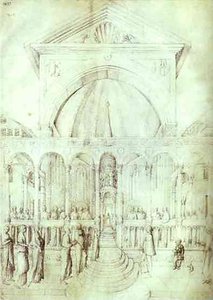
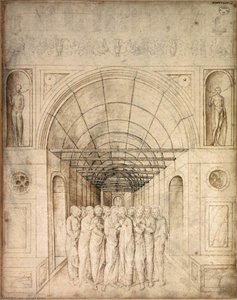
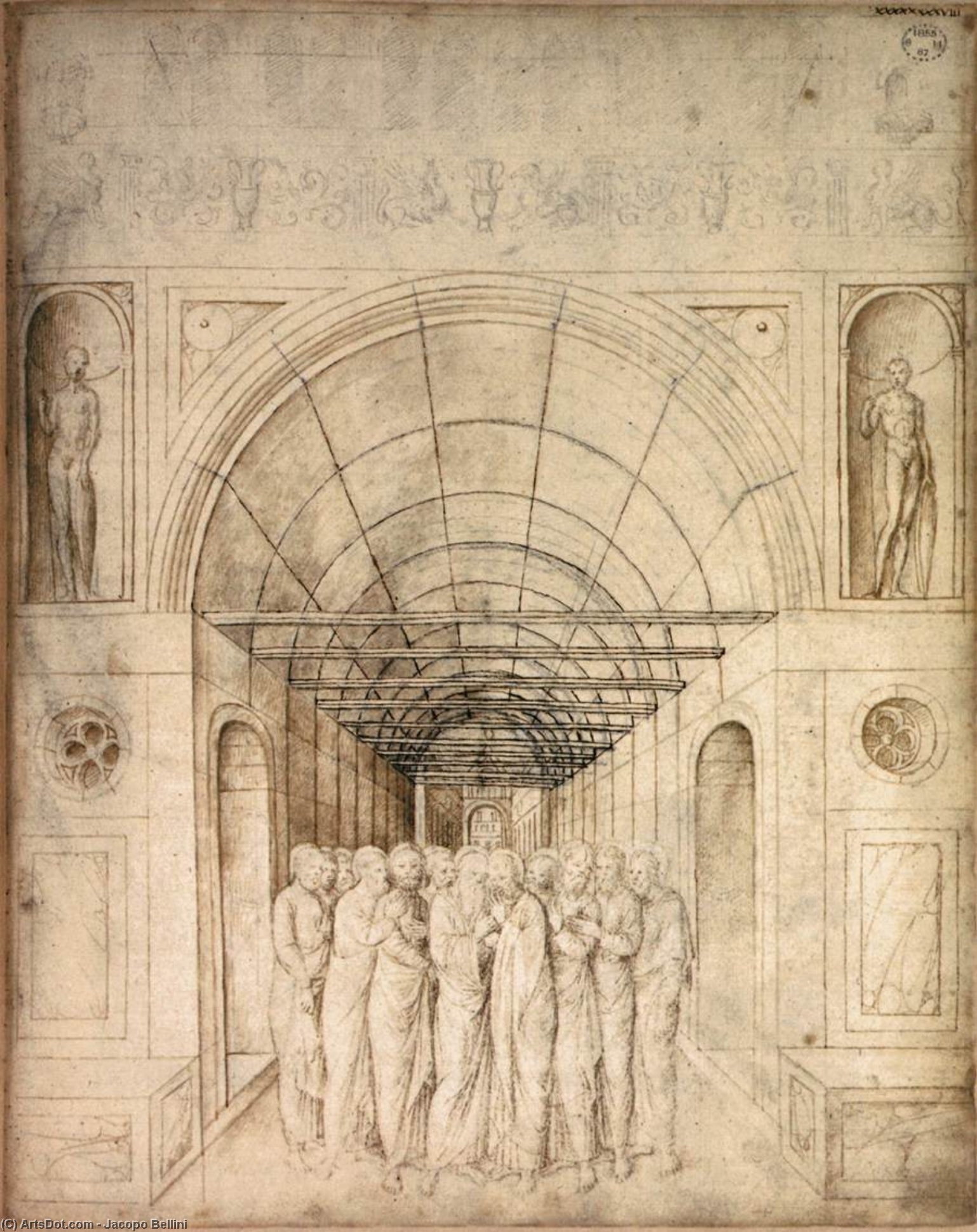
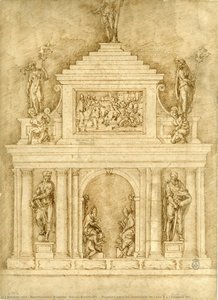
The Twelve Apostles in a Barrel Vaulted Passage
 Acrylic On Canvas
- WallArt
- Early Renaissance
 1440
1440 415.0 x 335.0 cm
 British Museum
 Read More
Hand Made Oil Reproduction
Hand-painted oil on canvas in your size and frame, made to order by our artists. ( Buy Print Buy Image)




P118B $10

P118H $10

P118W $10

P438Z $10

P508JH $12

P508YH $12

P805H $10

P805Z $10

P919BZ $10

P919G $10

P919XJ $10

P959ZH $10

P968JZ $12

W106C $8

W218G $10

W218JH $8

W218Y $10

W307PJ $10

W316G $10

W316PJ $8

W316Y $10

W398PJ $8

W4111J $10

W500HY $15

W500JH $15

W692G $12

W849H $8

W940BG $15

W953PJ $8




Pick from our preset sizes that match the artwork's original proportions.

You may enter your own dimensions to fit a specific frame or space. If your selected size does not match the original image's proportions, we will either crop the artwork or extend the painting with additional hand-painted elements. A digital mockup will be sent for your approval before production begins.
Please note that the on-screen preview does not reflect the actual cropping or extension. Only the mockup will accurately show the final composition.
While custom sizes are available, we recommend selecting a dimension from the predefined list to preserve the original proportions.
After order, ArtsDot.com team will email client for instructions and provide a mockup preview
Worldwide Delivery () in 3/4 weeks instead of standard 5 weeks. (23 August). No compromise on quality.

Free Worldwide Express Shipping

High-Quality Linen Canvas

Full Shipping Insurance

Customs Tax Refund Guarantee

True Color Matching Guarantee

60-Day Return Policy (Defects Only)

100% Money-Back Guarantee

Bulk Discount Offer
 Glass option is only available in size under 110 CM

The Twelve Apostles in a Barrel Vaulted Passage
Reproduction Medium
Reproduction Size
-


Total Price
$ 263
Artwork Description
A Vision of Faith and Perspective: Jacopo Bellini’s Masterpiece
Jacopo Bellini's “The Twelve Apostles in a Barrel Vaulted Passage,” painted around 1440, isn’t merely a depiction of biblical figures; it’s a profound exploration of perspective, faith, and the burgeoning Renaissance spirit. This monumental work, now housed within the British Museum, offers a captivating glimpse into the artistic innovations taking root in Venice during this transformative period. Bellini, a pivotal figure who bridged the gap between the Gothic and Early Renaissance styles, masterfully employs linear perspective – a technique previously rare in Venetian painting – to create an illusion of depth and space that draws the viewer directly into the scene.
The composition itself is strikingly organized. Twelve apostles are arranged in two neat rows within a grand barrel vault, their figures rendered with a remarkable attention to detail. Each apostle possesses a distinct personality, conveyed through subtle shifts in posture and expression. Bellini doesn’t simply depict them as passive subjects; he imbues them with a sense of engagement, as if they're collectively observing something just beyond the frame – a silent communion that invites contemplation. The architectural setting, a richly decorated passage, serves not merely as a backdrop but as an integral element of the narrative, reinforcing the feeling of being within a sacred space.
The Renaissance Innovation: Bellini’s Pioneering Use of Perspective
Bellini's embrace of linear perspective represents a radical departure from the predominantly decorative style prevalent in Venetian painting at the time. He meticulously studied the works of artists like Masaccio and Brunelleschi, absorbing their techniques and adapting them to his own artistic vision. The barrel vault itself is constructed with astonishing precision, demonstrating Bellini’s deep understanding of geometry and spatial relationships. This wasn't simply a technical exercise; it was a deliberate attempt to create a more realistic and immersive experience for the viewer, mirroring the humanist ideals that were gaining momentum throughout Europe.
Furthermore, observe how Bellini utilizes light and shadow to model the figures and architecture. The subtle gradations of tone suggest volume and depth, while the carefully rendered details – from the folds of their robes to the textures of the stone – contribute to a remarkable sense of realism. This mastery of technique elevates the painting beyond a mere illustration of biblical narrative; it becomes a testament to Bellini’s artistic skill and his innovative approach to representation.
Symbolism and Spiritual Depth: A Window into Medieval Faith
Beyond its technical achievements, “The Twelve Apostles in a Barrel Vaulted Passage” is rich in symbolic meaning. The apostles themselves represent the core of Christian belief – witnesses to Christ’s life, death, and resurrection. Their arrangement within the barrel vault can be interpreted as a metaphor for the structure of the Church, with each apostle playing a vital role in its mission. The passage itself evokes a sense of pilgrimage, suggesting a journey towards spiritual enlightenment.
Consider also the overall mood of the painting – one of solemnity and reverence. The muted color palette, dominated by earthy tones and subtle blues and greens, contributes to this atmosphere of contemplation. Bellini’s choice of subject matter—a biblical scene set within a grand architectural space—underscores the importance of faith in shaping human experience. The work speaks not just to the eye but also to the soul, inviting viewers to reflect on their own spiritual journey.
A Legacy of Innovation: Bellini’s Enduring Influence
Jacopo Bellini's “The Twelve Apostles in a Barrel Vaulted Passage” stands as a landmark achievement in Venetian art. His pioneering use of linear perspective, combined with his masterful technique and profound understanding of symbolism, established him as one of the key figures in the transition from Gothic to Renaissance painting. His legacy continues to inspire artists today, demonstrating the power of art to both reflect and shape our understanding of the world around us. Reproductions of this extraordinary work offer a unique opportunity to experience Bellini’s genius firsthand, bringing his vision of faith and perspective into your own home or studio.
Related Artworks



Artist Biography
The Venetian Pioneer of Renaissance Perspective
Jacopo Bellini stands as a pivotal figure in the burgeoning Renaissance style of painting that flourished in Venice and northern Italy. He was far more than a mere painter; he was one of the foundational innovators of his era, shaping artistic sensibilities through a meticulous observation of nature and a masterful incorporation of linear perspective—a technique that was previously largely absent from the Venetian tradition. While few of Bellini's original canvases survive today to be viewed in their full glory, his profound legacy resides primarily within his exquisite sketchbooks, such as those housed in the British Museum and the Louvre. These drawings reveal a deep fascination with sweeping landscape vistas and elaborate architectural designs, offering invaluable insight into an artistic process that foreshadowed the stylistic revolutions of the centuries to follow.
Born in Venice around 1396, Jacopo’s formative years were steeped in the rich, decorative traditions of the late Gothic period. His early training suggests he was a pupil of the celebrated Gentile da Fabriano, an artist whose workshop produced some of the most ambitious and ornate frescoes of the era. This prestigious association undoubtedly instilled in Bellini a lifelong appreciation for intricate detail, color harmony, and a certain decorative complexity. His early career saw him active in Foligno between 1411 and 1412, where he collaborated on the monumental frescoes of the Palazzo Trinci, working alongside the very masters who defined the international Gothic style.
A Journey Through the Heart of the Renaissance
A significant turning point arrived when Bellini traveled to Florence around 1423. This journey placed him at the epicenter of an intense period of artistic experimentation led by luminaries such as Brunelleschi, Donatello, and Masaccio. In Florence, he encountered the burgeoning science of linear perspective, a discovery that would fundamentally alter his approach to space and depth. By blending the lyrical, decorative elegance of his Venetian roots with the structural rigor and spatial clarity of the Florentine innovators, Bellini began to forge a unique visual language. This synthesis allowed him to move beyond the flat, symbolic planes of the Middle Ages toward a more immersive, window-like depiction of the world.
As his career progressed, Bellini became a central figure in establishing a family dynasty that would dominate Venetian art for generations. His influence was not merely personal but pedagogical, as he passed his innovations down to his sons, Gentile and Giovanni. Through them, the seeds of his experimentation with light, landscape, and perspective blossomed into the high Renaissance splendor associated with the Bellini name. His work served as a bridge between the ornamental traditions of the past and the humanistic realism of the future, making him an indispensable link in the evolution of Italian art.
Legacy and Historical Significance
The historical significance of Jacopo Bellini lies in his role as a catalyst for change. Though much of his output remains captured in the intimate medium of ink and pen, those sketches serve as a blueprint for the Venetian Renaissance. His ability to envision complex, multi-layered landscapes and mathematically coherent architectures provided the groundwork for his successors to explore the atmospheric beauty of the Venetian lagoon. To study Bellini is to witness the very moment when the eye of the artist began to truly master the illusion of depth, forever changing how humanity perceives the painted world.
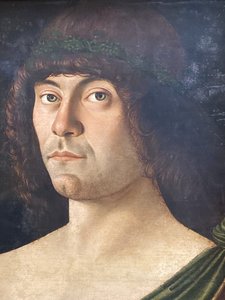
Jacopo Bellini
1396 - 1470 , Italy
Quick Facts
- Artistic Movement Or Style: Renaissance
- Artists Or Movements Influenced By This Artist: ['Masaccio']
- Artists Who Influenced This Artist: ['Gentile da Fabriano']
- Date Of Birth: Venice, Italy (1396)
- Date Of Death: c. 1470
- Full Name: Jacopo Bellini
- Nationality: Italian
- Notable Artworks:
- The Crucifixion in Verona Cathedral
- Madonna and Child
- Place Of Birth: Venice
Related Articles

Jacopo Tintoretto's Masterpieces: 25 Paintings That Define Venetian Drama | ArtsDot
Explore 25 breathtaking masterpieces by Jacopo Tintoretto, the Venetian master of drama and light. Discover the stories behind iconic Renaissance paintings & find museum-quality art reproductions to elevate your home decor on ArtsDot.com.

Dark Masterpieces: 10 Iconic Paintings Dominated by Black Tones |
Explore 10 iconic paintings dominated by black tones, from Rembrandt’s chiaroscuro to Goya's dark expressions. Discover the stories behind these masterpieces & find museum-quality art reproductions for your home at .

Mars Black Masterpieces: 10 Iconic Paintings & Timeless Art Decor Ideas
Delve into the power of 'Mars Black' with 10 iconic paintings by masters like Rembrandt & Caravaggio. Explore dramatic chiaroscuro, gothic art, and timeless beauty. Find museum-quality reproductions & elevate your home decor on .
Lamp Black & Masterpieces: 10 Paintings That Define Shadow & Light |
Delve into the captivating world of 'Lamp Black' tones with 10 iconic paintings by masters like Rembrandt & Caravaggio. Explore Baroque chiaroscuro, dramatic lighting & shadow in art history. Find museum-quality reproductions at

Ivory Black Masters: 10 Paintings That Define Dramatic Art |
Delve into the power of 'Ivory Black' with 10 iconic paintings by masters like Rembrandt & Caravaggio. Explore dramatic chiaroscuro, gothic moods & timeless art history. Find museum-quality reproductions and elevate your home decor at