 Preview
 Send
Send Share
Share
 Details

 Download
 Similars
 X-Ray
X-Ray Diaporama
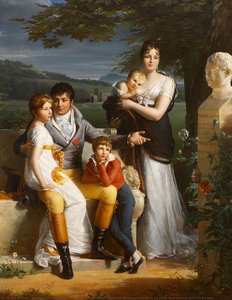
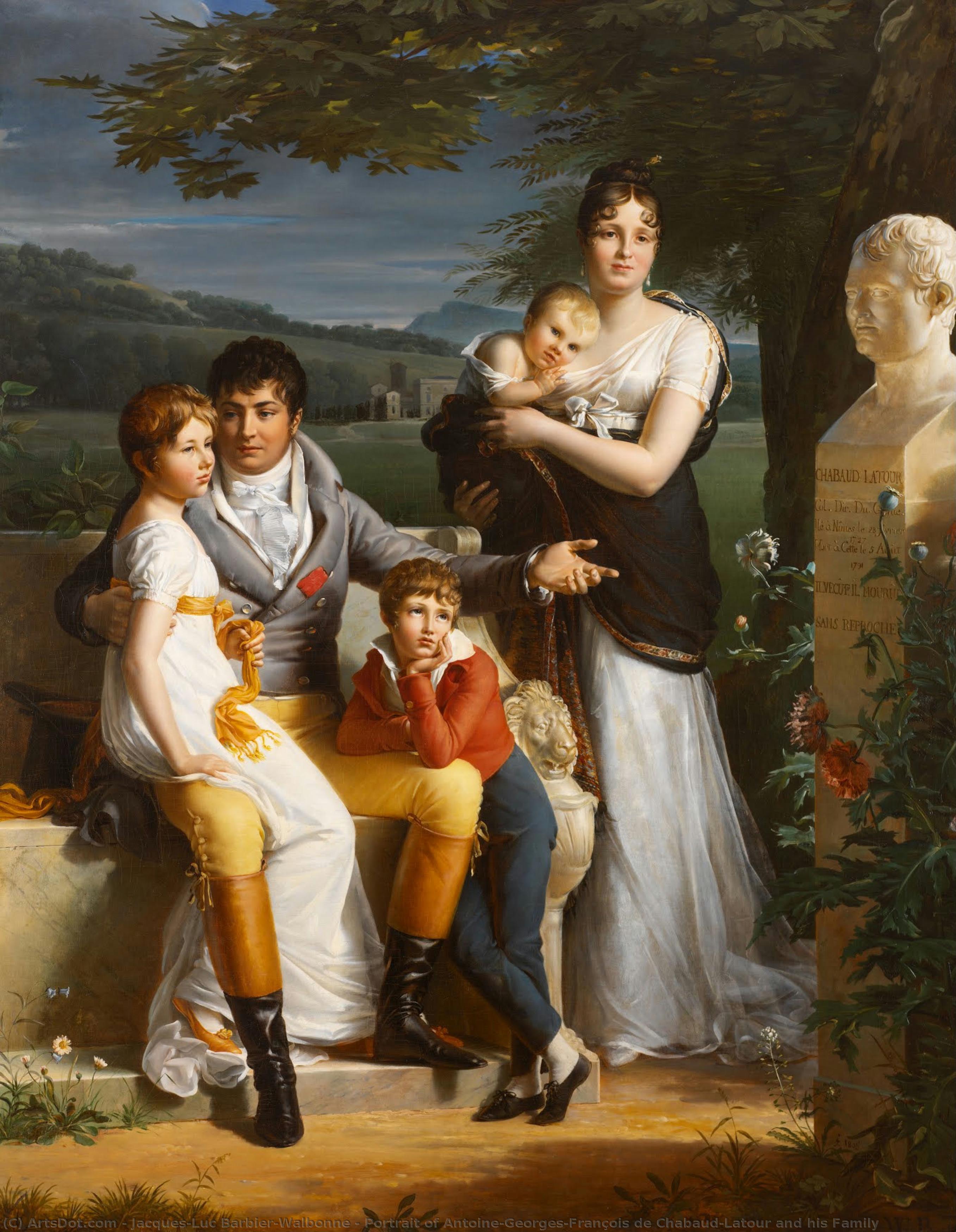
Portrait of Antoine-Georges-François de Chabaud-Latour and his Family
 Oil On Canvas
- WallArt
- Neoclassicism
 1806
1806- 19th Century
 221.0 x 174.0 cm
 Rhode Island School of Design Museum of Art
 Read More
Giclée / Art Print
Museum-quality giclée or canvas print with fast production and flexible finish options. ( Buy Hand Made Painting Buy Image)




P118B $10

P118H $10

P118W $10

P438Z $10

P508JH $12

P508YH $12

P805H $10

P805Z $10

P919BZ $10

P919G $10

P919XJ $10

P959ZH $10

P968JZ $12

W106C $8

W218G $10

W218JH $8

W218Y $10

W307PJ $10

W316G $10

W316PJ $8

W316Y $10

W398PJ $8

W4111J $10

W500HY $15

W500JH $15

W692G $12

W849H $8

W940BG $15

W953PJ $8




Pick from our preset sizes that match the artwork's original proportions.

You may enter your own dimensions to fit a specific frame or space. If your selected size does not match the original image's proportions, we will either crop the artwork or extend the image with a mirrored or solid-fill edge. A digital mockup will be sent for your approval before production begins.
Please note that the on-screen preview does not reflect the actual cropping or extension. Only the mockup will accurately show the final composition.
While custom sizes are available, we recommend selecting a dimension from the predefined list to preserve the original proportions.
Worldwide Delivery () in 2 weeks instead of standard 4/5 weeks. (5 September)

Free Worldwide Express Shipping

High-Quality Linen Canvas

Full Shipping Insurance

Customs Tax Refund Guarantee

True Color Matching Guarantee

60-Day Return Policy (Defects Only)

100% Money-Back Guarantee

Bulk Discount Offer
 Glass option is only available in size under 110 CM

Portrait of Antoine-Georges-François de Chabaud-Latour and his Family
Giclée / Art Print
Reproduction Size
-


Total Price
$ 63
A Glimpse into Napoleonic Elegance
In the grand tapestry of early nineteenth-century French portraiture, few works capture the intimate dignity of the era quite like Jacques-Luc Barbier-Walbonne’s Portrait of Antoine-Georges-François de Chabaud-Latour and his Family. Painted in 1806, a period defined by the sweeping influence of the First Empire, this masterpiece serves as more than just a family record; it is a window into the social fabric of a nation transitioning through profound political change. The composition presents a harmonious gathering of a man, a woman, and two children, seated with a poised grace that suggests both familial warmth and an awareness of their social standing. As they rest upon a bench, the arrangement of the figures creates a sense of stability and continuity, anchored by the presence of the patriarch in his formal suit and tie, contrasted beautifully by the ethereal lightness of the woman’s white attire.
The artistry of Barbier-Walbonne, a distinguished pupil of the legendary Jacques-Louis David, is evident in the meticulous execution of the scene. One can observe the Neoclassical influence in the clarity of form and the structured approach to the figures, yet there is an underlying softness that breathes life into the portrait. The artist employs a sophisticated technique to render textures—from the crisp fabric of the gentleman’s attire to the delicate skin tones of the children nestled between their parents. Beyond the central family, the inclusion of peripheral figures and subtle background elements adds a layer of narrative depth, suggesting a larger, bustling world that exists just beyond the frame of this private moment. This layering of subjects creates a sense of atmospheric realism, making the viewer feel like an invited guest to a significant historical gathering.
Symbolism and the Legacy of the Neoclassical Tradition
Every element within this large-scale canvas, measuring an impressive 221 x 174 cm, contributes to a larger dialogue about legacy and permanence. The choice of a group portrait during the Napoleonic era often functioned as a way for families to assert their identity and resilience amidst the turbulence of the French Revolution and the subsequent rise of the Empire. The children, positioned centrally, act as symbols of hope and the future, bridging the gap between the established authority of the father and the grace of the mother. The subtle presence of other figures in the periphery may represent the social connections and the community that surround the family unit, reinforcing the idea that their private stability is intertwined with the broader societal order.
For collectors and interior designers, this painting offers an unparalleled opportunity to introduce a sense of historical gravitas and timeless sophistication into a space. The work’s grand scale and commanding presence make it an ideal centerpiece for a formal dining room, a library, or a stately hallway. A high-quality reproduction of this piece allows the emotive power of Barbier-Walbonne’s brushwork to be experienced in a contemporary setting, providing a focal point that sparks conversation and evokes a profound connection to the past. It is not merely a decoration; it is an invitation to contemplate the enduring beauty of human connection and the storied history of French art.
Related Artworks
Artist Biography
early life and training
jacques-luc barbier-walbonne, a prominent figure in french art, was born in 1769 in nîmes, france. he was a pupil of the renowned artist jacques-louis david, which significantly influenced his artistic style and technique.artistic career
barbier-walbonne is celebrated for his historical and portrait paintings, particularly those depicting roman history and distinguished french generals. notable works include portraits of moreau and moncey, which are showcased in the gallery of versailles. his involvement as a soldier during the french revolutionary period is also documented, with a drawing by jean-baptiste isabey featuring barbier-walbonne wearing a lieutenant's uniform in a regiment of hussars.collaborations and influences
barbier-walbonne worked as an assistant to françois gérard, and it is believed that he posed for the figure of cupid in gérard's cupid and psyche, exhibited at the salon in 1798.legacy and later life
barbier-walbonne passed away in 1860 at passy. his contributions to french art are still recognized, with his works serving as a testament to his skill and dedication to historical and portrait painting.- view more of barbier-walbonne's artworks on ArtsDot: jacques-luc barbier-walbonne | 1 artworks
- explore the musée des beaux-arts de carcassonne, which features works by various artists, including those influenced by barbier-walbonne's style: discovering the musée des beaux-arts de carcassonne (france)
- learn more about other french artists, such as jean-sébastien rouillard, on ArtsDot: rouillard jean sébastien | artist
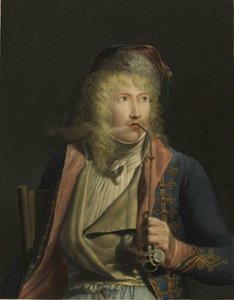
jacques-luc barbier-walbonne
1769 - 1860 , France
Quick Facts
- Artistic Movement Or Style: Regency Portraiture
- Artists Or Movements Influenced By This Artist: ['Romanticism']
- Artists Who Influenced This Artist: ['Joshua Reynolds']
- Date Of Birth: 13 April 1769
- Date Of Death: 7 January 1830
- Full Name: Thomas Lawrence
- Nationality: British
- Notable Artworks:
- Queen Charlotte
- Charles Townley
- Earl of Carlisle
- Place Of Birth: Bristol, England
Related Articles
Neoclassical Art: 10 Masterpieces That Shaped History |
Explore 10 defining Neoclassical masterpieces by David, Ingres & Canova. Discover the history, symbolism & artistry behind these iconic paintings and sculptures. Find museum-quality art reproductions at – elevate your home with timeless beauty.
The Enduring Legacy of Family Portraiture: A Historical & Artistic Exploration
Explore the rich history of family portraiture with ArtsDot. Discover artistic styles, symbolism & collecting insights. Commission a custom oil painting or appraise your existing artwork today!
Anne-Louis Girodet: Bridging Neoclassicism & Romanticism with Emotional Truth
Explore the captivating world of Anne-Louis Girodet, a pivotal figure bridging Neoclassicism & Romanticism. Discover his masterpieces and unique artistic vision with ArtsDot.
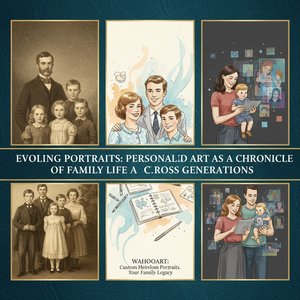
Evolving Portraits: Personalized Art as a Chronicle of Family Life Across Generations
Create a timeless family legacy with custom portraits! ArtsDot connects you with skilled artists for heirloom-quality paintings & prints. Explore styles, commission your unique artwork today.

The Revival of Antiquity: Exploring the Neoclassical Movement & its Enduring Legacy
Explore the revival of classical art with our deep dive into Neoclassicism! Discover key artists like Jacques-Louis David, Enlightenment influences & lasting impact on art history. High-quality reproductions at ArtsDot.