 Preview
 Send
Send Share
Share
 Details

 Download
 Similars
 X-Ray
X-Ray Diaporama
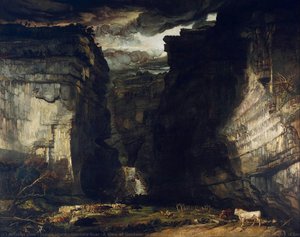
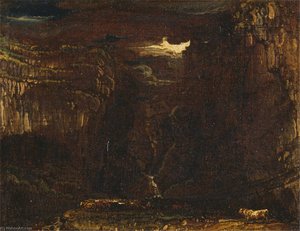
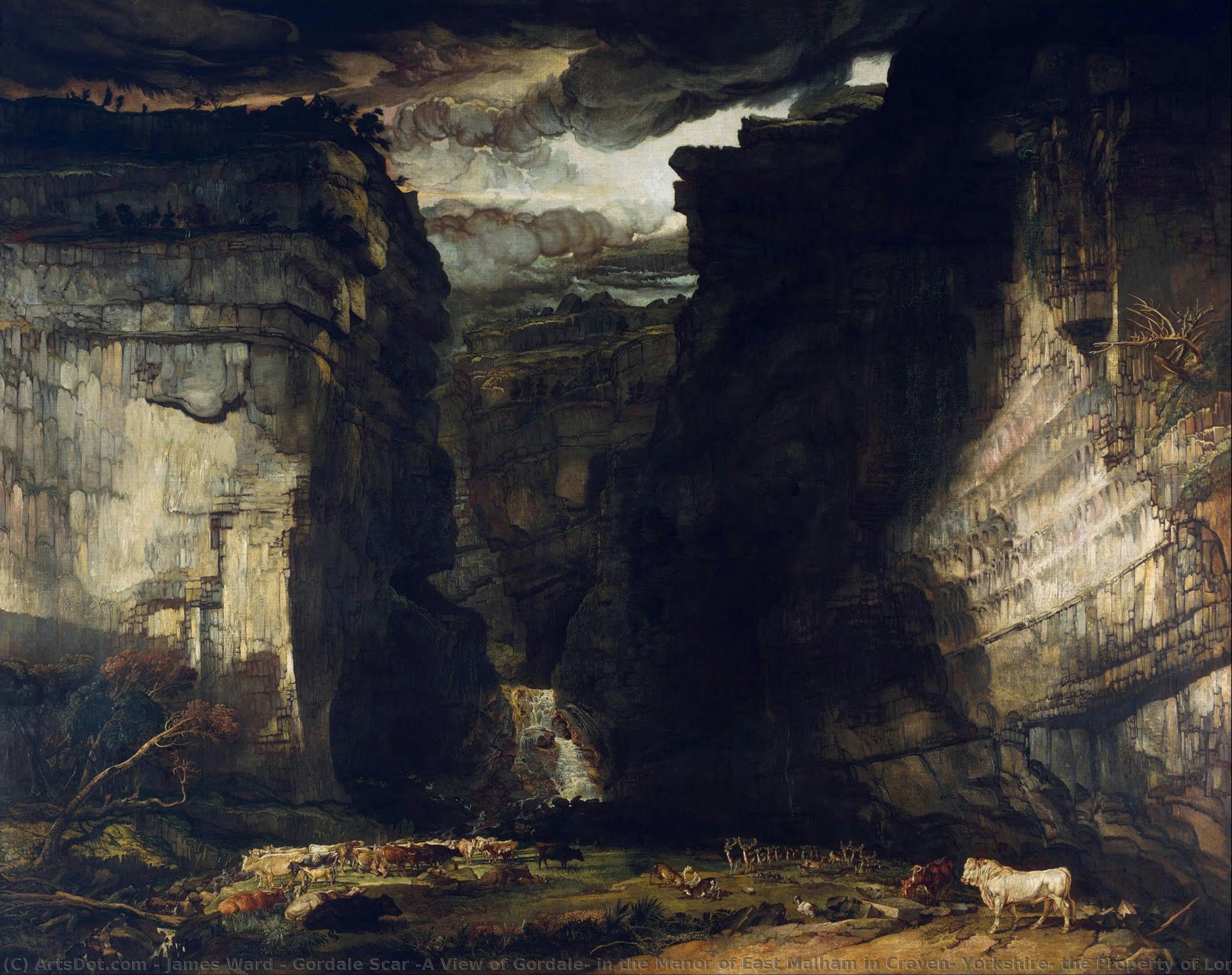
Gordale Scar (A View of Gordale, in the Manor of East Malham in Craven, Yorkshire, the Property of Lord Ribblesdale)
 Oil On Canvas
- WallArt
- Romantic Landscape
 1812
1812- 19th Century
 421.0 x 332.0 cm
 Tate Britain
 Read More
Giclée / Art Print
Museum-quality giclée or canvas print with fast production and flexible finish options. ( Buy Hand Made Painting Buy Image)




P118B $10

P118H $10

P118W $10

P438Z $10

P508JH $12

P508YH $12

P805H $10

P805Z $10

P919BZ $10

P919G $10

P919XJ $10

P959ZH $10

P968JZ $12

W106C $8

W218G $10

W218JH $8

W218Y $10

W307PJ $10

W316G $10

W316PJ $8

W316Y $10

W398PJ $8

W4111J $10

W500HY $15

W500JH $15

W692G $12

W849H $8

W940BG $15

W953PJ $8




Pick from our preset sizes that match the artwork's original proportions.

You may enter your own dimensions to fit a specific frame or space. If your selected size does not match the original image's proportions, we will either crop the artwork or extend the image with a mirrored or solid-fill edge. A digital mockup will be sent for your approval before production begins.
Please note that the on-screen preview does not reflect the actual cropping or extension. Only the mockup will accurately show the final composition.
While custom sizes are available, we recommend selecting a dimension from the predefined list to preserve the original proportions.
Worldwide Delivery () in 2 weeks instead of standard 4/5 weeks. (6 September)

Free Worldwide Express Shipping

High-Quality Linen Canvas

Full Shipping Insurance

Customs Tax Refund Guarantee

True Color Matching Guarantee

100-Day Return Policy (Defects Only)

100% Money-Back Guarantee

Bulk Discount Offer
 Glass option is only available in size under 110 CM

Gordale Scar (A View of Gordale, in the Manor of East Malham in Craven, Yorkshire, the Property of Lord Ribblesdale)
Giclée / Art Print
Reproduction Size
-


Total Price
$ 63
A Monumental Vision of the Yorkshire Wilderness
In the vast, sweeping expanse of James Ward’s 1812 masterpiece, Gordale Scar, the viewer is transported to a primordial era of the British landscape. This monumental canvas, measuring an awe-inspiring 421 x 332 cm, does far more than merely document a geological landmark in Craven, Yorkshire; it orchestrates a dramatic encounter between the eternal strength of nature and the fragile vitality of life. As one gazes upon the limestone cliffs of East Malham, there is an immediate sense of being humbled by scale. Ward, working during the twilight years of the Napoleonic Wars, utilized a subtle manipulation of perspective to exaggerate the verticality of the cliffs, creating a sense of soaring height that feels almost supernatural. The rugged, stony textures of the mountains dominate the background, their craggy faces serving as silent sentinels over a landscape that feels both ancient and unyielding.
The composition is masterfully balanced, blending the monumental with the intimate. While the towering stone walls command the eye, Ward draws the soul into the foreground through the presence of living creatures. A herd of sheep grazes peacefully across the verdant, undulating hillsides, their scattered forms providing a sense of rhythm and movement against the static grandeur of the rock. Most striking, however, is the inclusion of cattle and deer, specifically a white bull from the legendary Chillingham herd. This figure acts as a symbolic guardian at the cleft of Gordale Beck, imbuing the scene with a sense of watchful protection. For the collector or interior designer, this interplay between the massive geological formations and the delicate life inhabiting them offers a profound emotional depth, making the piece a captivating focal point for any grand space.
Technique, Symbolism, and the Romantic Spirit
James Ward’s technical prowess is on full display through his ability to render diverse textures—from the cold, hard surfaces of the limestone to the soft, organic fleece of the grazing sheep. His brushwork captures the atmospheric light that filters through the Yorkshire valleys, creating a chiaroscuro effect that lends the painting its romantic, almost mythic quality. The artist’s approach during this period moved away from the simple genre scenes of his youth toward a more profound, landscape-driven narrative. By emphasizing the "unchanging" nature of the English countryside during a time of great geopolitical upheaval, Ward created a visual manifesto of national stability and natural permanence.
Beyond its aesthetic beauty, Gordale Scar carries a heavy symbolic weight. The painting serves as an allegory for a nation defended by its very landscape; the cliffs are not merely rocks, but fortifications of the British spirit. For those seeking to adorn a home or gallery with a reproduction of this caliber, the artwork offers more than decoration. It provides a window into the Romantic era’s obsession with the Sublime—the simultaneous feeling of awe and terror inspired by the greatness of nature. Whether placed in a sophisticated study or a large-scale living area, this reproduction brings with it an air of historical prestige and a serene, pastoral majesty that invites endless contemplation.
Related Artworks
Artist Biography
James Ward: A Life in British Art
James Ward (1769-1859) was a prominent British painter renowned for his captivating animal paintings, romantic landscapes, and insightful portraits. Though often overshadowed by contemporaries, his unique style and skill significantly impacted the development of British art during the 19th century.
Early Life and Training
Born on October 23, 1769, in London, United Kingdom, James Ward was the younger brother of engraver William Ward. His early artistic inclinations were nurtured within a creative family environment. While he received some formal training, his development was largely self-directed and heavily influenced by observation and practice.
Artistic Development & Influences
Ward’s career is conventionally divided into two distinct periods regarding influence. Initially, until around 1803, his work bore a strong resemblance to that of his brother-in-law, George Morland, characterized by genre scenes and a focus on everyday life. Following this period, he became deeply inspired by the Baroque master Peter Paul Rubens, adopting a more dynamic composition, rich color palette, and dramatic use of light and shadow.
Notable Works & Artistic Style
Ward’s singular style set him apart from many contemporaries. He excelled in various genres, including history painting, portraiture, landscape, and animal art. Some of his most celebrated works include:
- Gordale Scar (1814/15): Considered his masterpiece, this dramatic depiction of a Yorkshire gorge exemplifies the sublime qualities of English Romanticism.
- The Deer Stealer (1823): Commissioned by Theophilus Levett, this painting showcases Ward’s skill in narrative and animal representation.
- John Levett Hunting at Wychnor, Staffordshire (1817): A portrait of one of his patrons, demonstrating his ability to capture both likeness and atmosphere.
His paintings are characterized by a meticulous attention to detail, particularly in the rendering of animals, combined with a romantic sensibility that emphasizes the beauty and power of nature.
Commissions & Exhibitions
Ward enjoyed patronage from prominent figures like Theophilus Levett, leading to numerous commissions. He regularly exhibited his work at the Royal Academy, gaining recognition for his skill and originality. His admission as a member in 1811 solidified his standing within the British art establishment.
Later Life & Legacy
Ward continued to paint prolifically until a stroke in 1855 curtailed his career. He passed away on November 17, 1859, in relative poverty despite his earlier success.
Despite facing financial hardship later in life, James Ward’s influence on British art remains undeniable. His unique blend of realism and romanticism paved the way for future generations of animal painters and landscape artists. His works are now held in prestigious collections such as Tate Britain and the Yale Center for British Art.
Historical Significance
James Ward occupies a significant position within the transition from the Neoclassical to the Romantic era in British art. He bridged the gap between traditional genre painting and the burgeoning interest in landscape and naturalism, leaving behind a legacy of captivating works that continue to inspire and delight.
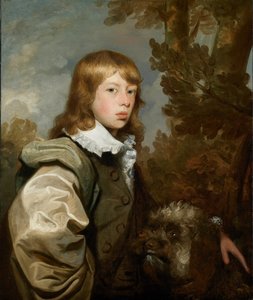
James Ward
1769 - 1859 , United Kingdom
Quick Facts
- Birth Date: October 23, 1769
- Birth Place: London, United Kingdom
- Death Date: November 17, 1859
- Influenced By:
- George Morland
- Rubens
- Movement: Romanticism
- Name: James Ward
- Nationality: British
- Notable Works:
- Gordale Scar
- The Deer Stealer
- John Levett Hunting at Wychnor
Related Articles
James Ward: A Study in British Romantic Landscape and Animal Painting
Explore the captivating world of James Ward (1769-1859), a master of British Romantic landscape & animal painting. Discover his iconic 'Gordale Scar' and exquisite portraits – a timeless art investment. Learn about his influences, style, and enduring legacy.

Whistler's Masterpieces: Explore 25 Iconic Paintings & Aesthetic Art for Your Home
Journey through 25 iconic James Abbott McNeill Whistler paintings! Explore his masterpieces of Aestheticism, from 'Nocturne in Black and Gold' to captivating portraits. Find museum-quality art reproductions & elevate your home decor with ArtsDot.com. Discover the full collection online.

Sir Alfred Munnings' Masterpieces: 25 Paintings That Define Equine Art | ArtsDot
Explore 25 iconic Sir Alfred Munnings paintings! Discover the beauty of British Impressionism, equine art & rural England. Find museum-quality reproductions and elevate your home decor with ArtsDot. Explore the full collection online.
James Netherlands: Bridging Romanticism & Realism in 19th-Century Art
Explore the captivating art of James Netherlands (1799-1870). Discover his stunning Venetian scenes & landscapes, bridging Romanticism and Impressionism. Learn about his technique, legacy, and key works like 'Rotterdam' at ArtsDot.
The Evocative Brushstroke: Exploring Emotion, Individuality & the Sublime in Romanticism's Artistic Landscape
Explore the passionate world of Romanticism! Discover masterpieces by Friedrich & Goya, delve into the sublime, and understand the movement's lasting impact on art history. Expert analysis & insights at ArtsDot.