 Preview
 Send
Send Share
Share
 Details

 Download
 Similars
 X-Ray
X-Ray Diaporama
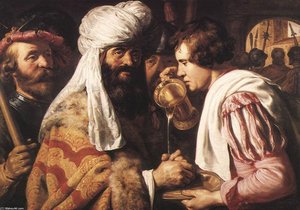
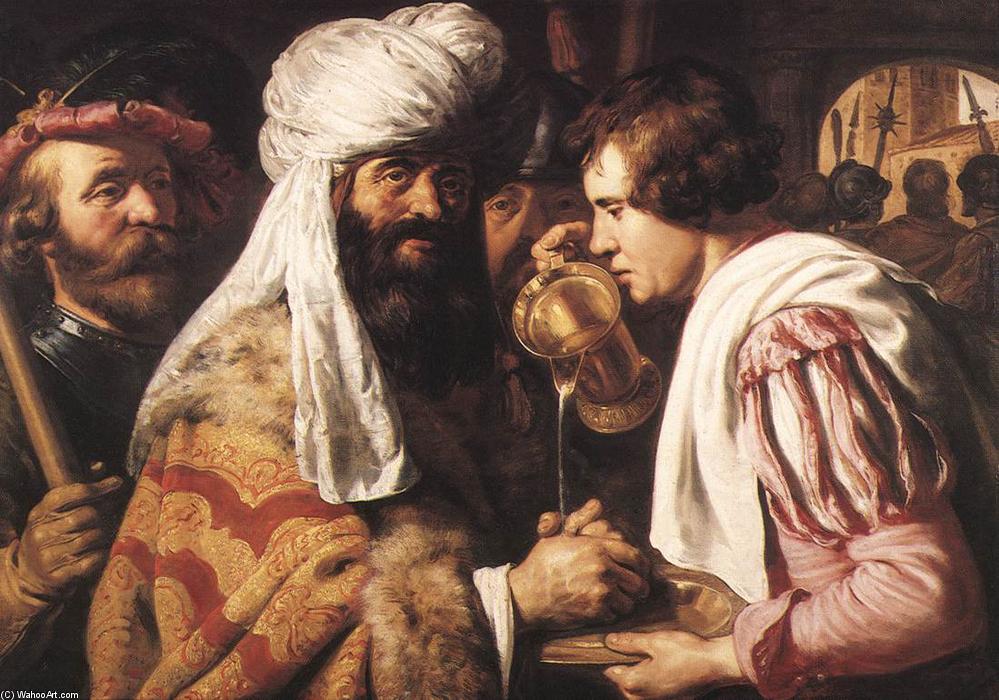
Pilate Washing his Hands


 Read More
Hand Made Oil Reproduction
Hand-painted oil on canvas in your size and frame, made to order by our artists. ( Buy Print Buy Image)




P118B $10

P118H $10

P118W $10

P438Z $10

P508JH $12

P508YH $12

P805H $10

P805Z $10

P919BZ $10

P919G $10

P919XJ $10

P959ZH $10

P968JZ $12

W106C $8

W218G $10

W218JH $8

W218Y $10

W307PJ $10

W316G $10

W316PJ $8

W316Y $10

W398PJ $8

W4111J $10

W500HY $15

W500JH $15

W692G $12

W849H $8

W940BG $15

W953PJ $8




Pick from our preset sizes that match the artwork's original proportions.

You may enter your own dimensions to fit a specific frame or space. If your selected size does not match the original image's proportions, we will either crop the artwork or extend the painting with additional hand-painted elements. A digital mockup will be sent for your approval before production begins.
Please note that the on-screen preview does not reflect the actual cropping or extension. Only the mockup will accurately show the final composition.
While custom sizes are available, we recommend selecting a dimension from the predefined list to preserve the original proportions.
After order, ArtsDot.com team will email client for instructions and provide a mockup preview
Worldwide Delivery () in 3/4 weeks instead of standard 5 weeks. (17 August). No compromise on quality.

Free Worldwide Express Shipping

High-Quality Linen Canvas

Full Shipping Insurance

Customs Tax Refund Guarantee

True Color Matching Guarantee

60-Day Return Policy (Defects Only)

100% Money-Back Guarantee

Bulk Discount Offer
 Glass option is only available in size under 110 CM

Pilate Washing his Hands
Reproduction Medium
Reproduction Size
-


Total Price
$ 263
Artwork Description
Pilate Washing His Hands: A Study in Doubt and Responsibility
Jan Andrea Lievens’ “Pilate Washing His Hands” isn't merely a depiction of a biblical scene; it’s a profound meditation on power, culpability, and the agonizing weight of decision. Painted around 1624-1625 during his time in Leiden, this oil-on-panel work transcends its historical subject matter to become a timeless exploration of moral ambiguity. Lievens, a student deeply influenced by the dramatic compositions of Caravaggio, masterfully employs chiaroscuro – the stark contrast between light and shadow – to draw the viewer into the scene’s unsettling atmosphere. The muted palette, dominated by browns, grays, and ochres, reinforces this sense of solemnity and foreboding, mirroring the gravity of Pilate's actions.
The composition itself is meticulously constructed. Pilate, rendered in rich, dark robes signifying his Roman authority, occupies a central position, his hands submerged in a basin filled with water. The gesture is deliberate, almost ritualistic – an attempt to cleanse himself of the stain of judgment. However, Lievens subtly undermines this act of purification. The light catches only partially on Pilate’s face, obscuring his expression and hinting at the turmoil within. The figures surrounding him—a soldier holding a basin, another man offering a cloth—are rendered with a restrained realism, their faces devoid of overt emotion, further emphasizing Pilate's isolation and the profound loneliness of his predicament.
Caravaggisti Influences and Dramatic Lighting
Lievens’ artistic lineage is inextricably linked to Caravaggio, whose dramatic use of light and shadow—known as *tenebrism*—was revolutionary for its time. Like Caravaggio, Lievens utilizes strong contrasts to heighten the emotional impact of the scene. The deep shadows enveloping Pilate's figure create a sense of claustrophobia and vulnerability, while the strategically placed highlights draw attention to key details – the water, the hands, and the subtle expressions on the faces of the onlookers. This masterful manipulation of light not only enhances the visual drama but also serves as a metaphor for the moral darkness that Pilate is attempting to conceal.
The painting’s technical execution reveals Lievens' growing skill and confidence. The meticulous detail in the rendering of fabrics, particularly the folds of Pilate’s robe, demonstrates his command of oil paint. Furthermore, the subtle gradations of color and texture create a remarkable sense of depth and realism, transporting the viewer directly into the scene. It is evident that Lievens was not simply copying Caravaggio; he was adapting and transforming the master's techniques to suit his own artistic vision.
Symbolism and Historical Context
“Pilate Washing His Hands” is deeply rooted in its historical context—the trial and crucifixion of Jesus Christ. The act of washing symbolizes Pilate’s attempt to absolve himself of responsibility for the execution, a desperate plea to maintain his position and avoid political repercussions. However, Lievens doesn't offer a simplistic interpretation of this scene. Instead, he presents it as a complex moral dilemma, forcing the viewer to confront the uncomfortable truth that even those in positions of power can be complicit in injustice.
The painting’s placement within the Stedelijk Museum De Lakenhal in Leiden—a museum renowned for its collection of Dutch Golden Age art—further underscores its significance. It stands alongside other masterpieces by Rembrandt and his contemporaries, offering a valuable opportunity to compare and contrast Lievens' style with that of his peers. The scene also reflects broader anxieties about political corruption and the abuse of power prevalent during the turbulent period of the Dutch Republic.
Emotional Resonance and Artistic Legacy
Beyond its historical and artistic merits, “Pilate Washing His Hands” possesses a profound emotional resonance. The painting’s haunting atmosphere evokes feelings of guilt, regret, and moral uncertainty. It serves as a stark reminder of the consequences of inaction and the enduring burden of responsibility. Lievens' ability to capture these complex emotions through his masterful use of light, composition, and color is what elevates this work above mere historical illustration—it becomes a timeless meditation on the human condition.
Reproductions of this powerful image offer an exceptional opportunity to bring this evocative artwork into any setting. The dramatic lighting and intricate details are faithfully reproduced, allowing viewers to experience the same sense of moral contemplation that captivated audiences in 17th-century Leiden.
Related Artworks
Artist Biography
a life of artistic brilliance
jan andrea lievens jan lievens, a dutch painter from the netherlands, lived from 1607 to 1674. his work is often associated with that of rembrandt, as both artists worked in similar styles during the dutch golden age.early life and training
born on october 24, 1607, jan was the son of lieven hendriksze, a tapestry worker. according to arnold houbraken, jan began his artistic training under joris verschoten. at around the age of 10, he was sent to pieter lastman in amsterdam for a two-year apprenticeship.rise to prominence
jan's prodigious talent led him to become an independent artist at the age of 12 in leiden. his copy of democriet & herakliet by cornelis van haarlem, and a portrait of his mother, machtelt jans van noortzant, garnered attention from maurice of nassau, prince of orange. this led to jan being invited to the british court at the age of 31.collaborations and influences
jan collaborated with rembrandt van rijn from 1626 to 1631, producing over two dozen paintings, drawings, and etchings. this competitive collaboration led to difficulties in attributing works from this period. jan's dramatic compositions show the influence of the caravaggisti, while his talent for painting in life-size scale is evident.notable works and legacy
some notable works by jan include:- head of an old man (new orleans museum of art, oil on canvas)
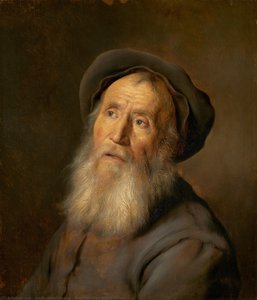
- bearded man with a beret (oil on panel, 54 x 46 cm)
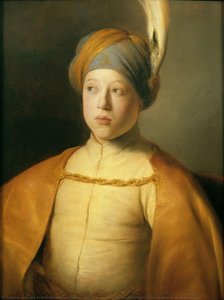
- boy in a cape and turban (portrait of prince rupert of the palatinate) (the leiden collection, new york, oil on panel)
- jan's legacy is marked by his significant contributions to the dutch golden age, with his works showcased in various museums, including the mauritshuis and the kremer collection.
- jan andrea lievens jan lievens on ArtsDot
- the kremer collection (the hague, netherlands) - a comprehensive guide on ArtsDot
- jan lievens on wikipedia
- discover the artistic genius of jan andrea lievens jan lievens through his captivating works and collaborations with fellow dutch masters.
further reading
for more information on jan andrea lievens jan lievens and his works, visit:
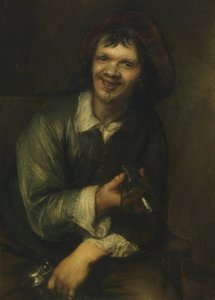
jan andrea lievens jan lievens
1607 - 1674 , Netherlands
Quick Facts
- Artistic Movement Or Style: Dutch Golden Age
- Artists Or Movements Influenced By This Artist: ['Rembrandt']
- Artists Who Influenced This Artist:
- Pieter Lastman
- Peter Paul Rubens
- Date Of Birth: October 24, 1607
- Date Of Death: June 4, 1674
- Full Name: Jan Lievens
- Nationality: Dutch
- Notable Artworks:
- Head of an Old Man
- Portrait of Constantin Huygens
- Young Man Wearing a Beret
- Place Of Birth: Leiden, Netherlands
Related Articles

Rembrandt's Masterpieces: Explore 25 Iconic Paintings & Prints | ArtsDot
Journey through Rembrandt van Rijn's 25 most iconic paintings & etchings. Explore Dutch Golden Age masterpieces, dramatic chiaroscuro, and timeless portraits. Find museum-quality art reproductions to elevate your home decor on ArtsDot.com.
Jan Lievens & Rembrandt: A Comparative Study of Baroque Innovation
Explore the fascinating artistic dialogue between Jan Lievens and Rembrandt van Rijn. Discover Lievens’s unique Baroque style, continental influences, and evolving legacy – a must-read for discerning art collectors.

Dutch Baroque Masters: 10 Paintings That Shaped an Era | ArtsDot
Journey through the Golden Age with our guide to the Top 10 Dutch Baroque masterpieces! Explore iconic paintings by Rembrandt, Vermeer & Frans Hals. Find museum-quality art reproductions and elevate your home decor at ArtsDot.com.
Rembrandt van Rijn: A Life Illuminated – Innovation, Emotion, and the Dutch Golden Age
Explore the life & art of Rembrandt van Rijn, a Dutch Golden Age master. Discover his innovative techniques, iconic paintings like 'The Night Watch', and enduring legacy. Expert insights for collectors & enthusiasts.
Jan Steen: A Master of Dutch Genre Painting & the Golden Age
Explore the life & art of Jan Steen, a leading Dutch Golden Age painter renowned for his humorous genre scenes & insightful social commentary. Discover his techniques, legacy, and collecting tips.