 Preview
 Send
Send Share
Share
 Details

 Download
 Similars
 X-Ray
X-Ray Diaporama
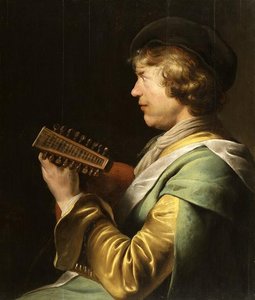
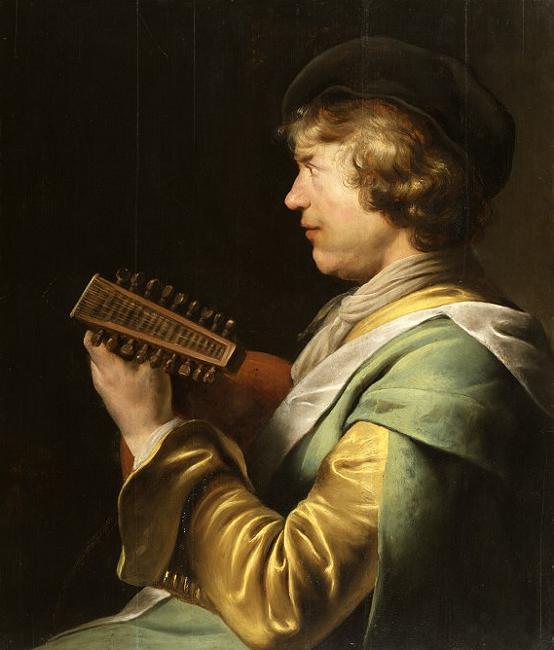
The Lute Player


 Read More
Hand Made Oil Reproduction
Hand-painted oil on canvas in your size and frame, made to order by our artists. ( Buy Print Buy Image)




P118B $10

P118H $10

P118W $10

P438Z $10

P508JH $12

P508YH $12

P805H $10

P805Z $10

P919BZ $10

P919G $10

P919XJ $10

P959ZH $10

P968JZ $12

W106C $8

W218G $10

W218JH $8

W218Y $10

W307PJ $10

W316G $10

W316PJ $8

W316Y $10

W398PJ $8

W4111J $10

W500HY $15

W500JH $15

W692G $12

W849H $8

W940BG $15

W953PJ $8




Pick from our preset sizes that match the artwork's original proportions.

You may enter your own dimensions to fit a specific frame or space. If your selected size does not match the original image's proportions, we will either crop the artwork or extend the painting with additional hand-painted elements. A digital mockup will be sent for your approval before production begins.
Please note that the on-screen preview does not reflect the actual cropping or extension. Only the mockup will accurately show the final composition.
While custom sizes are available, we recommend selecting a dimension from the predefined list to preserve the original proportions.
After order, ArtsDot.com team will email client for instructions and provide a mockup preview
Worldwide Delivery () in 3/4 weeks instead of standard 5 weeks. (17 August). No compromise on quality.

Free Worldwide Express Shipping

High-Quality Linen Canvas

Full Shipping Insurance

Customs Tax Refund Guarantee

True Color Matching Guarantee

60-Day Return Policy (Defects Only)

100% Money-Back Guarantee

Bulk Discount Offer
 Glass option is only available in size under 110 CM

The Lute Player
Reproduction Medium
Reproduction Size
-


Total Price
$ 263
Artwork Description
The Lute Player: A Portrait of Introspection in Baroque Splendor
Jan Andrea Lievens’s “The Lute Player,” painted circa 1629, is more than just a depiction of a musician; it's a carefully constructed tableau of human emotion and artistic ambition. This captivating work, now housed within the Walters Art Museum in Baltimore, offers a rare glimpse into the burgeoning world of Dutch Baroque painting, revealing the influence of both Caravaggio’s dramatic lighting and the prevailing trends of the Utrecht School. The subject, a young man lost in contemplation as he plays his lute, embodies a quiet dignity that belies the vibrant artistic currents swirling around him.
Lievens, a talented artist who apprenticed under Joris Verschoten and later collaborated closely with Rembrandt van Rijn, masterfully captures a moment of serene intensity. The figure is presented in a half-length pose, a compositional choice favored by Utrecht painters who sought to draw the viewer into the scene through intimate detail. His posture—slightly turned towards the left, his gaze directed upwards—suggests not merely playing an instrument but engaging with its music, lost in a world of melody and emotion. The subtle upward tilt of his head and the slight smile hint at a private joy, a moment of solace amidst perhaps a more demanding life.
A Caravaggisti Influence: Light, Shadow, and Dramatic Realism
The painting’s power resides significantly in Lievens' skillful manipulation of light and shadow—a technique deeply indebted to the innovations of Michelangelo Merisi da Caravaggio. Unlike the bright, airy landscapes often associated with Dutch art, this piece is dominated by a deep, enveloping darkness that serves to isolate the figure and intensify his expression. A single, focused light source illuminates his face, hands, and the lute itself, creating dramatic contrasts and highlighting the textures of his clothing and instrument. This chiaroscuro effect not only adds depth and volume but also imbues the scene with an almost theatrical quality, as if we are witnessing a private performance.
The meticulous rendering of details—the folds in the garment, the texture of the lute’s wood, the delicate sheen on his hair—further enhances the realism. Lievens demonstrates a remarkable ability to capture not just the appearance but also the essence of his subject, conveying a sense of immediacy and authenticity that is characteristic of Baroque painting. The choice of muted colors – primarily browns, reds, and yellows – contributes to the overall mood of quiet contemplation, while subtle highlights draw attention to key elements within the composition.
Symbolism and Context: Music, Patronage, and Artistic Circles
The lute itself is a potent symbol in this painting. Throughout Western art history, the lute has represented music, love, and even melancholy. Its presence here suggests a celebration of artistic expression and the pursuit of beauty. The inclusion of a madrigal—a vocal composition typically accompanied by instruments—further reinforces this theme. Scholars believe that Lievens’s model was likely Rembrandt van Rijn himself, reflecting the close professional relationship between the two artists during their early careers in Leiden.
The painting's creation occurred within a vibrant artistic milieu, fueled by the patronage of figures like Maurice of Nassau, Prince of Orange. This period witnessed an explosion of creativity and experimentation, as artists sought to push the boundaries of traditional styles. Lievens’s work exemplifies this spirit of innovation, blending elements of Caravaggisti realism with the more intimate and psychologically nuanced approach favored by Utrecht painters. The painting's provenance—having been part of the collection of Gustave de Rothschild—testifies to its enduring appeal and artistic merit.
A Timeless Portrait of Human Emotion
“The Lute Player” is a testament to Jan Andrea Lievens’s skill as a painter and his ability to capture the complexities of human emotion. It's a work that invites contemplation, prompting us to consider not only the beauty of the music being played but also the inner world of the musician himself. The painting’s enduring appeal lies in its quiet dignity, dramatic lighting, and masterful execution—a timeless portrait of introspection and artistic ambition within the rich tapestry of Dutch Baroque art.
Related Artworks
Artist Biography
a life of artistic brilliance
jan andrea lievens jan lievens, a dutch painter from the netherlands, lived from 1607 to 1674. his work is often associated with that of rembrandt, as both artists worked in similar styles during the dutch golden age.early life and training
born on october 24, 1607, jan was the son of lieven hendriksze, a tapestry worker. according to arnold houbraken, jan began his artistic training under joris verschoten. at around the age of 10, he was sent to pieter lastman in amsterdam for a two-year apprenticeship.rise to prominence
jan's prodigious talent led him to become an independent artist at the age of 12 in leiden. his copy of democriet & herakliet by cornelis van haarlem, and a portrait of his mother, machtelt jans van noortzant, garnered attention from maurice of nassau, prince of orange. this led to jan being invited to the british court at the age of 31.collaborations and influences
jan collaborated with rembrandt van rijn from 1626 to 1631, producing over two dozen paintings, drawings, and etchings. this competitive collaboration led to difficulties in attributing works from this period. jan's dramatic compositions show the influence of the caravaggisti, while his talent for painting in life-size scale is evident.notable works and legacy
some notable works by jan include:- head of an old man (new orleans museum of art, oil on canvas)
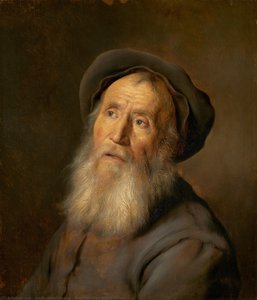
- bearded man with a beret (oil on panel, 54 x 46 cm)
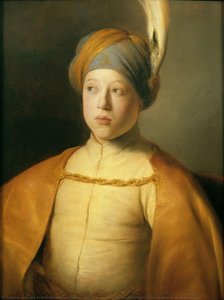
- boy in a cape and turban (portrait of prince rupert of the palatinate) (the leiden collection, new york, oil on panel)
- jan's legacy is marked by his significant contributions to the dutch golden age, with his works showcased in various museums, including the mauritshuis and the kremer collection.
- jan andrea lievens jan lievens on ArtsDot
- the kremer collection (the hague, netherlands) - a comprehensive guide on ArtsDot
- jan lievens on wikipedia
- discover the artistic genius of jan andrea lievens jan lievens through his captivating works and collaborations with fellow dutch masters.
further reading
for more information on jan andrea lievens jan lievens and his works, visit:
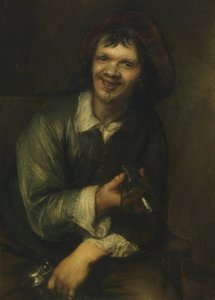
jan andrea lievens jan lievens
1607 - 1674 , Netherlands
Quick Facts
- Artistic Movement Or Style: Dutch Golden Age
- Artists Or Movements Influenced By This Artist: ['Rembrandt']
- Artists Who Influenced This Artist:
- Pieter Lastman
- Peter Paul Rubens
- Date Of Birth: October 24, 1607
- Date Of Death: June 4, 1674
- Full Name: Jan Lievens
- Nationality: Dutch
- Notable Artworks:
- Head of an Old Man
- Portrait of Constantin Huygens
- Young Man Wearing a Beret
- Place Of Birth: Leiden, Netherlands
Related Articles
Jan Lievens & Rembrandt: A Comparative Study of Baroque Innovation
Explore the fascinating artistic dialogue between Jan Lievens and Rembrandt van Rijn. Discover Lievens’s unique Baroque style, continental influences, and evolving legacy – a must-read for discerning art collectors.

Dutch Baroque Masters: 10 Paintings That Shaped an Era | ArtsDot
Journey through the Golden Age with our guide to the Top 10 Dutch Baroque masterpieces! Explore iconic paintings by Rembrandt, Vermeer & Frans Hals. Find museum-quality art reproductions and elevate your home decor at ArtsDot.com.

Golden Age Reflections: Dutch Baroque Painting & Cultural Innovation
Explore the Dutch Golden Age of painting! Discover key artists like Vermeer & ter Borch, their innovative techniques, and the rich cultural context behind these Baroque masterpieces. Learn about collecting & appreciating this iconic art period.
Jan Steen: A Master of Dutch Genre Painting & the Golden Age
Explore the life & art of Jan Steen, a leading Dutch Golden Age painter renowned for his humorous genre scenes & insightful social commentary. Discover his techniques, legacy, and collecting tips.
Harmonies on Canvas: Exploring the Visual Representation of Music in Art History
Explore the fascinating history of music's visual representation in art! From ancient symbolism to modern abstraction, discover how artists have captured sound and emotion on canvas. Expert insights & stunning examples.