 Send
Send Share
Share
 Details

 Download
 Similars
 Diaporama
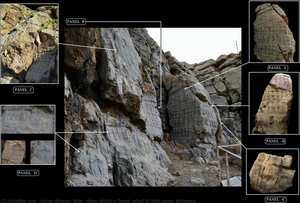
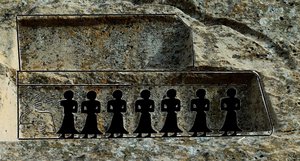
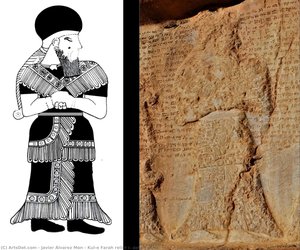
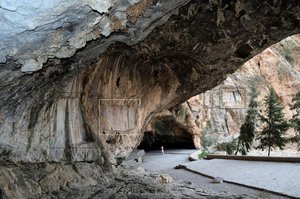
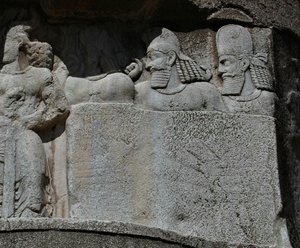
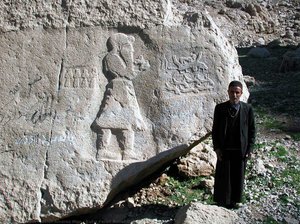
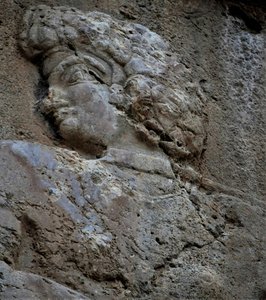
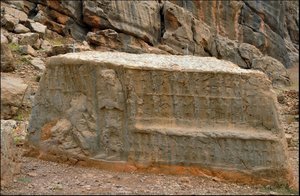
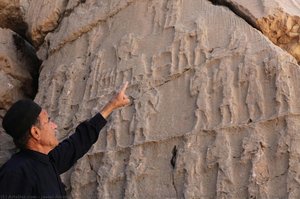
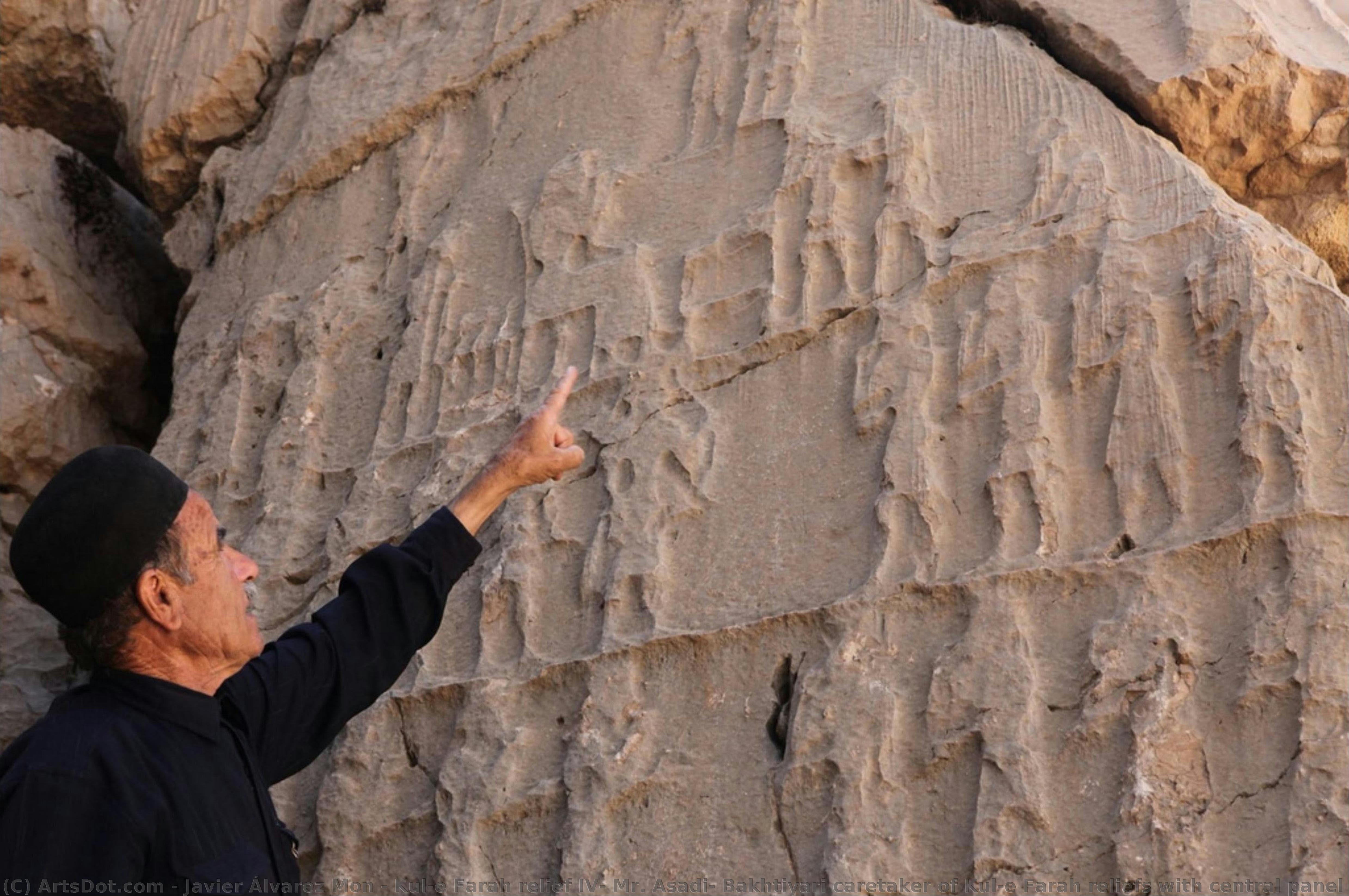
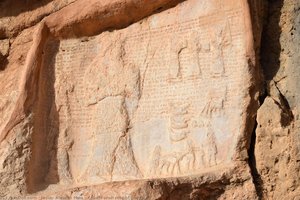
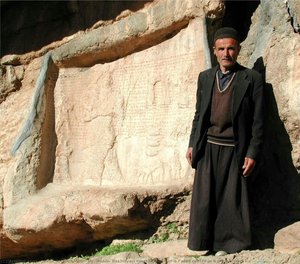
Kul-e Farah relief IV, Mr. Asadi, Bakhtiyari caretaker of Kul-e Farah reliefs with central panel A


 Read More
Giclée / Art Print
Museum-quality giclée or canvas print with fast production and flexible finish options. ( Buy Hand Made Painting Buy Image)




































Pick from our preset sizes that match the artwork's original proportions.

You may enter your own dimensions to fit a specific frame or space. If your selected size does not match the original image's proportions, we will either crop the artwork or extend the image with a mirrored or solid-fill edge. A digital mockup will be sent for your approval before production begins.
Please note that the on-screen preview does not reflect the actual cropping or extension. Only the mockup will accurately show the final composition.
While custom sizes are available, we recommend selecting a dimension from the predefined list to preserve the original proportions.
Worldwide Delivery () in 2 weeks instead of standard 4/5 weeks. (24 August)

Free Worldwide Express Shipping

High-Quality Linen Canvas

Full Shipping Insurance

Customs Tax Refund Guarantee

True Color Matching Guarantee

60-Day Return Policy (Defects Only)

100% Money-Back Guarantee

Bulk Discount Offer
 Glass option is only available in size under 110 CM

Kul-e Farah relief IV, Mr. Asadi, Bakhtiyari caretaker of Kul-e Farah reliefs with central panel A
Giclée / Art Print
Reproduction Size
-


Total Price
$ 63
Collectible Description
A Glimpse into Antiquity: The Whispers of Kul-e Farah
In the rugged landscapes where history is etched directly into the living stone, the Kul-e Farah relief IV stands as a profound testament to the enduring spirit of the ancient Near East. This remarkable piece, captured through the lens of archaeological discovery, presents more than just a carving; it offers a window into a lost era of human expression. The scene, documented by the dedicated caretaker Mr. Asadi, reveals a moment of profound connection between the present and the distant past. As a finger points toward the intricate central panel, the viewer is drawn into a silent dialogue with an ancient civilization, feeling the weight of centuries pressing against the rock face.
The relief itself is a masterclass in prehistoric or early historic stone carving, characterized by its rhythmic patterns and symbolic depth. The technique involves a deliberate manipulation of the natural rock surface to create raised figures and recessed grooves that play with light and shadow. This interplay creates a dynamic visual experience; as the sun moves across the sky, the carvings seem to shift and breathe, bringing the ancient motifs to life. For the collector or interior designer, this piece represents an invitation to bring the raw, elemental power of archaeology into a contemporary space, offering a focal point that is both intellectually stimulating and visually grounding.
The Legacy of Elamite Shadows
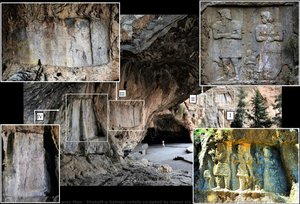
To understand the soul of this relief, one must look toward the scholarly contributions of experts like Javier Álvarez-Mon, whose deep immersion in Elamite civilization illuminates the context of such finds. Dating back to approximately 700 BCE, the relief belongs to a period of significant cultural complexity in the region. The artistry found within these panels is not merely decorative but serves as a narrative vessel for the myths, social hierarchies, and spiritual beliefs of the time. Every line carved into the stone was an intentional act of preservation, meant to communicate identity and power across generations.
The emotional impact of the work lies in its rugged authenticity. Unlike the polished marble of later classical eras, the Kul-e Farah reliefs possess a tactile, visceral quality that speaks to the earth itself. There is a sense of mystery and reverence in the way the patterns emerge from the stone, evoking a feeling of awe for the craftsmanship of our ancestors. For those seeking to curate an environment of sophistication and depth, a high-quality reproduction of this relief provides a sophisticated way to celebrate human heritage, blending the ruggedness of ancient history with the refined elegance of modern art appreciation.
Related Artworks
![[carved Stone Figure, Nunnery Quadrangle, Uxmal] — Octavio Medellín, Archaeological Documentation](/media/artworks/images-thumb/cd/72/cd72ede773e8f67633d88d21707b2444.jpg)
Artist Biography
The Chronicler of Ancient Sands
In the vast, dusty corridors of human history, few figures possess the ability to breathe life into the silent relics of the past quite like Javier Álvarez-Mon. Born in Madrid in 1969, his journey has not been one of a traditional painter wielding a brush, but rather that of an archaeologist and historian meticulously reconstructing the lost grandeur of the ancient Near East. Through his scholarly lens, the fragmented pottery, weathered reliefs, and forgotten inscriptions of the Elamite civilization are transformed from mere artifacts into vibrant narratives of human existence. His life’s work serves as a bridge between the modern world and the enigmatic shadows of the Bronze and Iron Ages.
The foundation of his intellectual prowess was laid at the Universidad Complutense de Madrid, where he earned his doctorate in archaeology in 2001. This rigorous academic training instilled in him a profound respect for the material evidence of antiquity. As his career progressed, Álvarez-Mon became a vital voice within the Spanish National Research Council (CSIC) and took on the mantle of director for the Elamite Studies Group at the University of Barcelona. His approach is characterized by a deep, almost poetic immersion into the culture of Elam, seeking to understand not just the dates of conquests, but the very soul of a civilization that flourished between 4200 and 525 BC.
Unearthing the Elamite Legacy
The essence of Álvarez-Mon’s contribution lies in his ability to synthesize archaeological data with historical storytelling. His research focuses heavily on the Elamite culture, a pivotal yet often overlooked precursor to the Persian Empire. Through his extensive excavations and meticulous analysis, he has illuminated the complex social structures, artistic expressions, and political intricacies of this ancient Near Eastern power. His work does not merely document; it interprets the aesthetic and symbolic language used by ancient peoples to communicate their identity and their relationship with the divine.
His literary contributions serve as essential pillars for anyone seeking to understand the origins of Persian history. Some of his most profound scholarly achievements include:
- The Elamite World (2018): A sweeping exploration that brings the breadth of Elamite influence to light.
- Elam: History, Art, and Archaeology (2021): A comprehensive study that blends the physical remains of the earth with the artistic legacy of its people.
- The Elamite Culture (2015): An intimate look at the societal nuances of this ancient civilization.
- Elam: A History of the Region (2012): A foundational text tracing the geographical and political evolution of the territory.
A Legacy of Discovery and Collaboration
Beyond his individual publications, the significance of Javier Álvarez-Mon is found in his collaborative spirit and his dedication to international research projects. He has been a driving force behind initiatives such as the Elamite Project, funded by the CSIC, which seeks to push the boundaries of what we know about the ancient Near East. His archaeological endeavors in Iran have allowed him to connect directly with the soil where these civilizations once thrived, bringing a sense of tactile reality to his academic findings.
His work is characterized by an unwavering commitment to uncovering the truth behind the legends of the ancient world. By studying artifacts like the Kul-e Farah reliefs and other precious remnants of early Persian history, he ensures that the voices of the Elamites are not lost to the sands of time. Through his tireless research, Álvarez-Mon has secured his place as a vital custodian of human heritage, ensuring that the art, culture, and history of the ancient Near East continue to inspire and educate generations to come.
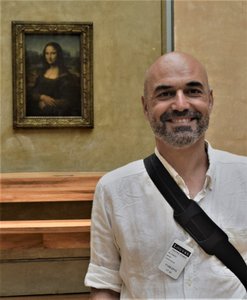
javier álvarez mon
1969 - , Spain
Quick Facts
- Date Of Birth: 1969
- Full Name: Javier Álvarez Mon
- Nationality: Spanish
- Notable Artworks:
- The Elamite World (2018)
- Elam: History, Art and Archaeology (2021)
- Place Of Birth: Madrid, Spain
Related Articles
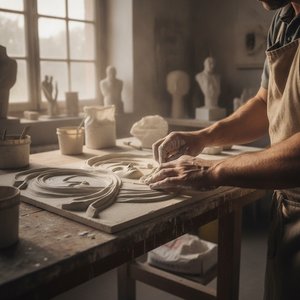
Sculpting with Soul: An Expert Guide to the Tactile Elegance of Plaster Relief Art
Discover the captivating world of plaster relief art. Our expert guide explores the history, techniques, and curation of textured bas-relief, helping collectors bring depth, light, and soulful dimension to their modern interiors through sophisticated sculptural masterpieces.
Stone & Canvas: 10 Masterpieces of Timeless Art |
Explore 10 iconic paintings dominated by 'stone' tones – from Caravaggio’s drama to Rembrandt’s depth. Discover art history, techniques & find museum-quality reproductions for your home at .
The Enduring Allure of Marble in Art History: From Classical Sculpture to Modern Abstraction
Explore the captivating history of marble sculpture from ancient Greece to modern art. Discover renowned artists like Canova & Michelangelo, carving techniques, and investment insights at ArtsDot.
British Museum Masterpieces: Explore 25 Iconic Artworks & Decor Inspiration
Journey through 25 iconic artworks at the British Museum, London! Explore masterpieces from Egyptian sculptures to Renaissance paintings & uncover their stories. Find museum-quality art reproductions and curated decor ideas on ArtsDot.com.

Albrecht Dürer's Masterpieces: 25 Iconic Artworks for Your Home | ArtsDot
Explore 25 iconic artworks by Albrecht Dürer, a master of the German Renaissance. Discover the stories behind Melencolia I, Knight Death and Devil & more. Find museum-quality art reproductions for your home at ArtsDot.com.