 Preview
 Send
Send Share
Share
 Details

 Download
 Similars
 X-Ray
X-Ray Diaporama
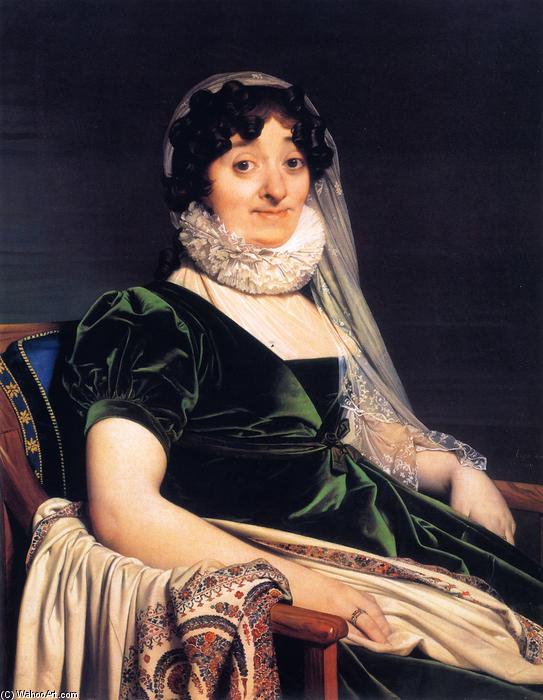
Comtesse de Tournon


 Read More
Hand Made Oil Reproduction
Hand-painted oil on canvas in your size and frame, made to order by our artists. ( Buy Print Buy Image)




P118B $10

P118H $10

P118W $10

P438Z $10

P508JH $12

P508YH $12

P805H $10

P805Z $10

P919BZ $10

P919G $10

P919XJ $10

P959ZH $10

P968JZ $12

W106C $8

W218G $10

W218JH $8

W218Y $10

W307PJ $10

W316G $10

W316PJ $8

W316Y $10

W398PJ $8

W4111J $10

W500HY $15

W500JH $15

W692G $12

W849H $8

W940BG $15

W953PJ $8




Pick from our preset sizes that match the artwork's original proportions.

You may enter your own dimensions to fit a specific frame or space. If your selected size does not match the original image's proportions, we will either crop the artwork or extend the painting with additional hand-painted elements. A digital mockup will be sent for your approval before production begins.
Please note that the on-screen preview does not reflect the actual cropping or extension. Only the mockup will accurately show the final composition.
While custom sizes are available, we recommend selecting a dimension from the predefined list to preserve the original proportions.
After order, ArtsDot.com team will email client for instructions and provide a mockup preview
Worldwide Delivery () in 3/4 weeks instead of standard 5 weeks. (16 August). No compromise on quality.

Free Worldwide Express Shipping

High-Quality Linen Canvas

Full Shipping Insurance

Customs Tax Refund Guarantee

True Color Matching Guarantee

60-Day Return Policy (Defects Only)

100% Money-Back Guarantee

Bulk Discount Offer
 Glass option is only available in size under 110 CM

Comtesse de Tournon
Reproduction Medium
Reproduction Size
-


Total Price
$ 263
Artwork Description
Comtesse de Tournon: A Portrait of Elegance Defined by Ingres
The world of art holds treasures that transcend generations, and Jean Auguste Dominique Ingres’s “Comtesse de Tournon” stands as a pinnacle of Neoclassical artistry. Painted in 1812 during the Romantic era's burgeoning influence, this oil on canvas portrait transcends mere representation; it embodies an ideal of beauty and refinement meticulously crafted by one of France’s most celebrated painters. Currently residing within the Philadelphia Museum of Art, the painting continues to captivate audiences with its luminous stillness and enduring legacy as a masterpiece of artistic achievement.The Artist's Vision: Ingres and Neoclassical Precision
Jean Auguste Dominique Ingres (1780-1867) wasn’t simply replicating visual reality; he was actively engaging in a dialogue with classical tradition. Born in Montauban, France, Ingres possessed an unwavering commitment to the principles of Greek sculpture and Roman painting—a dedication that would permeate his entire oeuvre. Unlike the expressive fervor of Romanticism, Ingres championed a style characterized by meticulous detail, balanced composition, and a profound respect for form. This approach is vividly evident in “Comtesse de Tournon,” where Ingres prioritizes anatomical accuracy and idealized beauty above all else. His method involved painstaking sketching and layering thin glazes to achieve an unparalleled level of tonal subtlety—a technique that anticipates the Impressionists’ later explorations of light and color.A Study in Light and Color: Capturing Essence Through Technique
The painting's remarkable quality stems from Ingres’ masterful manipulation of color and texture. He employs a palette dominated by muted greens and creams, skillfully highlighting the Countess’s complexion and creating an atmosphere of serene sophistication. The artist’s meticulous attention to detail extends beyond mere surface appearance; observe the intricate folds of her dress—rendered with astonishing precision—and the delicate sheen of her veil. Ingres utilized a technique known as sfumato – blurring edges and softening contours – to imbue the portrait with a sense of depth and luminosity, mirroring the idealized beauty he sought to portray. This subtle blending of tones contributes significantly to the painting’s emotional impact, conveying an aura of quiet dignity and contemplative grace.Historical Context: Rome Under Napoleon's Shadow
“Comtesse de Tournon” was created during a pivotal moment in European history – Napoleon Bonaparte’s occupation of Rome. The Countess herself was married to a prominent diplomat serving under Napoleon, reflecting the political landscape of the time. Ingres’ depiction captures not only the physical beauty of his subject but also subtly communicates the social and cultural values prevalent within aristocratic circles. The painting exemplifies the Neoclassical preoccupation with moral virtue and intellectual contemplation—themes that resonated deeply with artists and intellectuals alike during the Napoleonic era.Symbolism and Emotional Resonance: Beyond Mere Appearance
More than just a portrait, “Comtesse de Tournon” speaks to broader artistic concerns. Ingres’s deliberate framing and pose convey an air of composure and self-assurance—qualities associated with noble femininity. The Countess's gaze directs the viewer's attention inward, inviting contemplation on themes of inner beauty and refined sensibility. Ultimately, the painting transcends its formal constraints, offering a glimpse into the idealized vision of human perfection championed by Ingres and embodying the enduring power of Neoclassical art to inspire awe and admiration.- Explore more about Ingres’s work: ArtsDot.com
- Discover detailed information on Ingres' paintings: List of paintings by Jean-Auguste-Dominique Ingres
Related Artworks

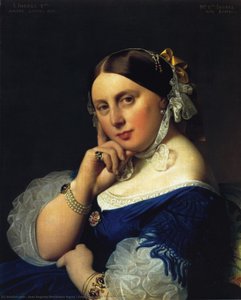
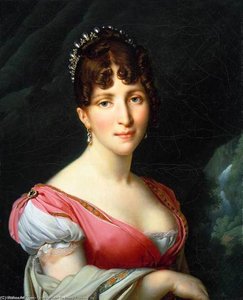
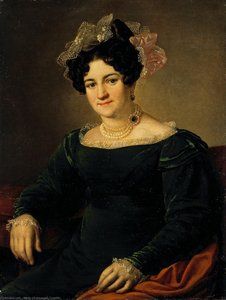
Artist Biography
A Legacy of Line and Form: The World of Jean-Auguste-Dominique Ingres
Jean-Auguste-Dominique Ingres, a name synonymous with Neoclassical precision and an almost sculptural approach to painting, occupies a unique position in the history of art. Born in Montauban, France, in 1780, his artistic journey was one of unwavering dedication to classical ideals, tempered by a burgeoning sensuality and a willingness to challenge convention. Ingres wasn’t merely replicating the past; he was engaging in a profound dialogue with it, forging a style that would both define an era and anticipate the revolutions to come.
His early life provided a solid foundation for his future artistic pursuits. His father, Jean-Marie-Joseph Ingres, was himself a painter and sculptor, instilling in young Dominique a love for form and technique from a tender age. This initial training was followed by studies at the Académie Royale de Peinture, Sculpture et Architecture in Toulouse, where he honed his skills under Guillaume-Joseph Roques. However, it was his move to Paris in 1797 and subsequent apprenticeship with Jacques-Louis David that truly set him on his path. David, the leading figure of Neoclassicism, imparted a rigorous discipline and an emphasis on line, form, and historical subject matter – principles that would remain central to Ingres’s work throughout his career.
The Pursuit of Ideal Beauty
Ingres' artistic philosophy was deeply rooted in admiration for the Italian Renaissance masters—Raphael, in particular, served as a constant source of inspiration. He believed in the power of line to define form and convey emotion, striving for an idealized beauty that transcended mere representation. This pursuit is evident in his early works, such as The Ambassadors of Agamemnon in the Tent of Achilles (1801), which earned him the prestigious Prix de Rome. The painting showcases his meticulous attention to detail, precise draftsmanship, and a clear narrative focus—hallmarks of Neoclassical style.
However, Ingres wasn’t simply a copyist. He gradually developed a distinctive voice, infusing classical principles with a unique blend of sensuality and psychological insight. His portraits, in particular, demonstrate this evolution. While maintaining the formal elegance characteristic of Neoclassicism, he began to subtly distort forms and spaces, creating an unsettling yet captivating effect that foreshadowed the expressive distortions of later movements like Cubism. Portrait of Monsieur Bertin (1833-1834), with its elongated hands and intense gaze, is a prime example of this innovative approach.
Beyond History: Orientalism and Late Masterpieces
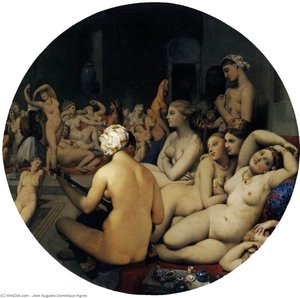
While celebrated for his historical and mythological paintings—like The Vow of Louis XIII (1827)—Ingres also explored other genres, most notably Orientalism. His depictions of exotic scenes and female nudes, such as The Turkish Bath (1862), completed when he was an astonishing 83 years old, reveal a fascination with the sensual and the mysterious. These works, though sometimes criticized for their idealized representations, demonstrate his continued willingness to experiment and push boundaries.
Ingres’s later career saw him navigate a changing artistic landscape. The rise of Romanticism challenged the dominance of Neoclassicism, but Ingres remained steadfast in his commitment to classical ideals while simultaneously incorporating elements of Romantic sensibility into his work. He became a highly influential teacher, shaping the next generation of artists and solidifying his position as a bridge between tradition and modernity.
A Lasting Influence
Jean-Auguste-Dominique Ingres died in Paris in 1867, leaving behind a legacy that continues to resonate today. His emphasis on line, form, and idealized beauty profoundly influenced artists across generations. Remarkably, his work captivated even those who championed radically different styles—artists like Henri Matisse and Pablo Picasso admired his innovative approach to composition and his ability to imbue classical forms with a sense of vitality and emotion.
Ingres’s paintings are now housed in major museums around the world, serving as testaments to his enduring artistic vision. He remains a pivotal figure in art history—a master who not only preserved the traditions of the past but also paved the way for the future. His work invites us to contemplate the nature of beauty, the power of line, and the timeless allure of classical ideals.
Notable Works
- The Ambassadors of Agamemnon in the Tent of Achilles (1801)
- The Vow of Louis XIII (1827)
- Portrait of Monsieur Bertin (1833-1834)
- The Turkish Bath (1862)
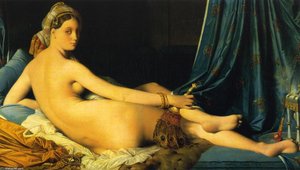
- Grande Odalisque (1814)
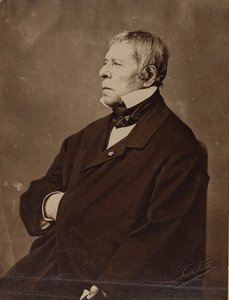
Jean-Auguste-Dominique Ingres
1780 - 1867 , France
Quick Facts
- Artistic Movement Or Style: Neoclassicism
- Artists Or Movements Influenced By This Artist:
- Henri Matisse
- Pablo Picasso
- Artists Who Influenced This Artist:
- Raphael
- Nicolas Poussin
- Jacques-Louis David
- Date Of Birth: August 29, 1780
- Date Of Death: January 14, 1867
- Full Name: Jean-Auguste-Dominique Ingres
- Nationality: French
- Notable Artworks:
- The Ambassadors of Agamemnon
- The Vow of Louis XIII
- Portrait of Monsieur Bertin
- The Turkish Bath
- Place Of Birth: Montauban, France
Related Articles

Demandes Commerciales
APS ofrece reproducciones de bellas artes y encargos personalizados desde 2004. Confían en nosotros corporaciones, hoteles y coleccionistas selectos para obras de arte de calidad museística, servicio discreto y soluciones artísticas completas. ¡Póngase en contacto con nosotros para obtener un presupuesto personalizado!

Goya's Masterpieces: Explore 25 Iconic Paintings & Art Prints | ArtsDot
Delve into the world of Francisco Goya with ArtsDot. Explore 25 iconic paintings – from 'The Third of May' to his haunting Black Paintings. Discover the stories, techniques & emotions behind these Spanish masterpieces. Find museum-quality art reproductions for your home at ArtsDot.com!

A riguardo di noi
Découvrez notre histoire ! Nous apportons l'art de classe mondiale dans votre vie grâce à une sélection experte, des créations personnalisées et des aperçus gratuits. Approuvé par les particuliers et les entreprises depuis 2000.
Pierre Puvis de Chavannes: Symbolism, Mural Painting, and the Pursuit of Ideal Beauty
Explore the life & work of Pierre Puvis de Chavannes, a pivotal Symbolist painter renowned for his monumental murals. Discover his aesthetic principles, key artworks like 'Hope,' and lasting influence on modern art. A deep dive into 19th-century French painting.
Neoclassical Art: 10 Masterpieces That Shaped History |
Explore 10 defining Neoclassical masterpieces by David, Ingres & Canova. Discover the history, symbolism & artistry behind these iconic paintings and sculptures. Find museum-quality art reproductions at – elevate your home with timeless beauty.