

 Preview
 Send
Send Share
Share
 Details

 Download
 Similars
 X-Ray
X-Ray Diaporama
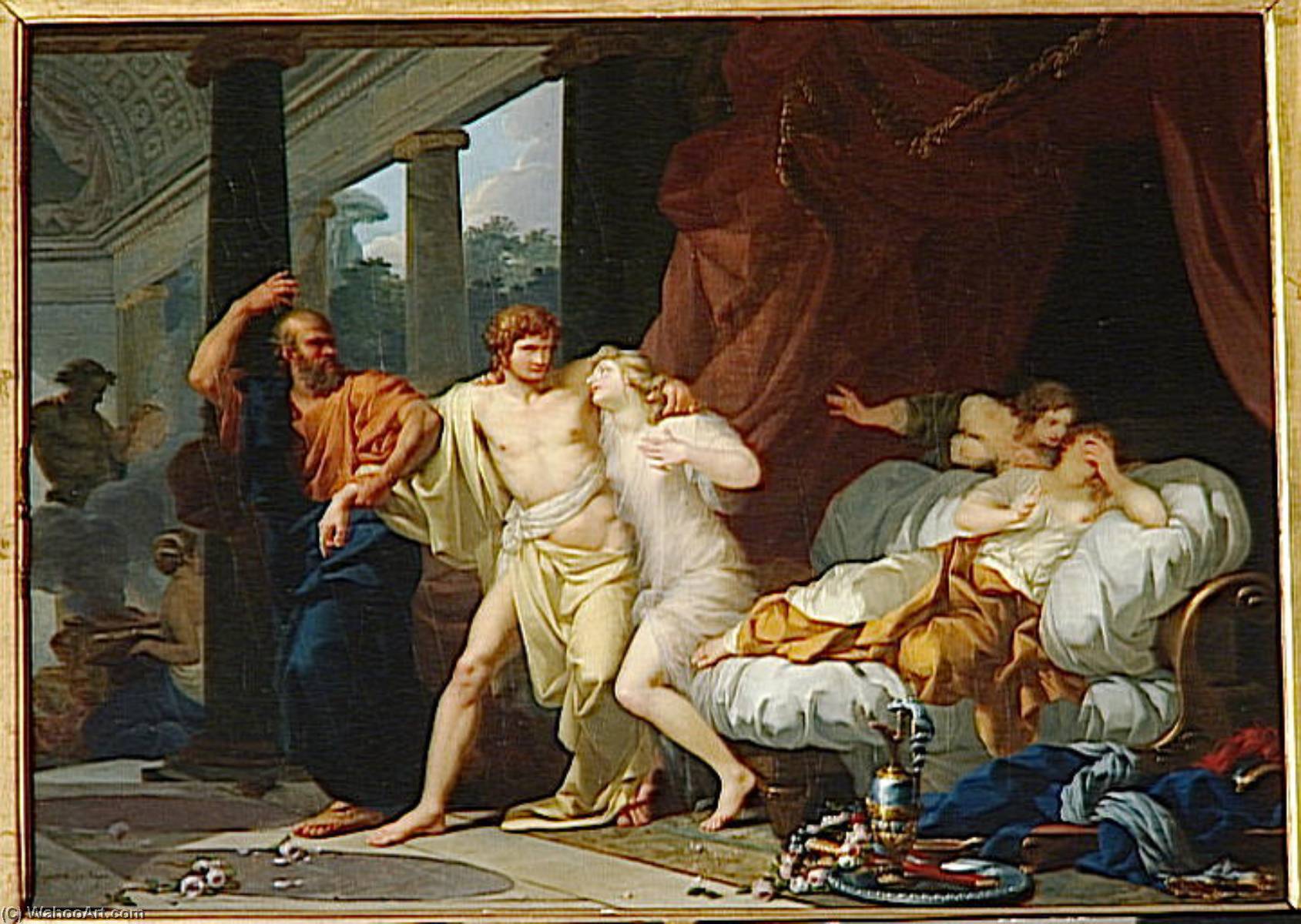
SOCRATE ARRACHANT ALCIBIADE DU SEIN DE LA VOLUPTE


 Read More
Purchase a high-resolution, enhanced digital image, far superior to the online preview.
Each file is meticulously prepared by our in-house specialists using advanced tools and expert manual retouching. We ensure every image has exceptional clarity, precise color accuracy, and fine detail.
The final file is delivered via email within 72 hours, optimized for immediate use in professional, editorial, and print environments. This is the same quality trusted by top-tier design studios, publishers, and galleries.
Digital Image
Download a high-resolution file for personal display, printing, and creative projects. ( Buy Print Buy Hand Made Painting)
Included in Every Digital Image Order
Expert Digital Delivery, Guaranteed
When you choose ArtsDot.com, you're not just getting an image - you're receiving a professionally enhanced digital artwork, crafted with precision and backed by a satisfaction guarantee. Here's everything that comes with your order, automatically:

Fast Email Delivery
Your high-resolution digital image file will be emailed to you within 72 hours of ordering - ready for immediate use.

AI-Enhanced Digital File
Your artwork is professionally optimized using advanced AI tools and manual editing, ensuring maximum detail, clarity, and color accuracy.

Free Lifetime Re-Delivery
Accidentally deleted or lost your file? No worries - we'll resend it to you anytime, free of charge.

No Import Fees - Ever
Enjoy your artwork instantly with zero customs, duties, or delivery fees - digital downloads are always tax-free.

Color Accuracy Guarantee
We ensure your digital image reflects the original colors as closely as possible using professional tools and color management.

60-Day Satisfaction Guarantee
If you're not satisfied with your digital image, we'll revise it or refund 100% within 60 days - no questions asked.

100% Money-Back Guarantee
Not satisfied? Get a full refund within 60 days of receiving your digital file - no questions asked.

Bulk Order Discounts
Buy 3 images, save 10% - Buy 5, save 15% - Buy 10+, save 20%. Great for creative projects, galleries, and agencies.
Collectible Description
Jean-Baptiste Regnault’s Dramatic Confrontation: *SOCRATE ARRACHANT ALCIBIADE DU SEIN DE LA VOLUPTE*
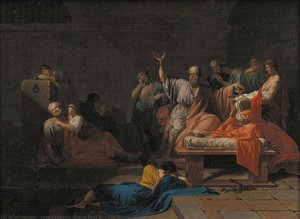
Jean-Baptiste Regnault's 18th-century masterpiece, *SOCRATE ARRACHANT ALCIBIADE DU SEIN DE LA VOLUPTE*, is not merely a depiction of a classical scene; it’s a meticulously crafted tableau of philosophical struggle and the seductive allure of earthly pleasures. Painted in the heart of the Neoclassical period, this work transcends its historical subject matter to offer a timeless meditation on reason versus desire, virtue against vice – themes that continue to resonate profoundly with viewers today. The painting captures a pivotal moment from Plato’s *Symposium*, where Socrates relentlessly challenges Alcibiades, a young Athenian nobleman known for his extravagance and moral failings, urging him to abandon the pursuit of fleeting gratification in favor of intellectual and spiritual growth.
A Study in Light and Shadow: Technique and Composition
Regnault’s masterful command of oil paint is immediately evident. The composition employs a dramatic, triangular arrangement, anchoring the scene with Socrates at its apex. His forceful gesture – reaching towards Alcibiades – directs the viewer's eye directly to the central figures, while the woman, likely representing Diotima, stands as a silent witness to this intense exchange. The artist skillfully utilizes *chiaroscuro*, employing strong contrasts between light and shadow to sculpt the forms of the characters and imbue the scene with an almost theatrical quality. Notice how the light, originating from the upper left, dramatically illuminates Socrates’ face, emphasizing his stern determination, while casting deep shadows across Alcibiades' features, hinting at his internal conflict. The use of layered glazes creates a remarkable sense of texture – from the smooth skin of the figures to the rough-hewn columns that frame the scene, grounding the drama in a tangible reality.
Neoclassical Roots and Symbolism
Rooted firmly within the Neoclassical movement, *SOCRATE ARRACHANT ALCIBIADE DU SEIN DE LA VOLUPTE* draws heavily on classical Greek sculpture for its idealized forms and balanced composition. The figures are rendered with a dignified restraint, reflecting the era’s fascination with ancient virtues and moral principles. Beyond the immediate narrative of the dialogue, the painting is rich in symbolic meaning. Alcibiades' youthful exuberance and the woman's veiled presence represent the temptations that threaten to derail Socrates’ path towards wisdom. The setting itself – an open space reminiscent of a Greek agora – symbolizes the public forum where philosophical debate unfolds, inviting contemplation and challenging conventional thought. The inclusion of architectural elements, particularly the columns, subtly alludes to the grandeur and stability of Athenian democracy, juxtaposed against the potential for moral decay.
Emotional Resonance and Artistic Legacy
Regnault doesn’t simply depict a historical event; he captures the *feeling* of that confrontation. The expressions on the figures' faces – Socrates’ unwavering conviction, Alcibiades’ mixture of defiance and vulnerability, and the woman’s concerned observation – convey a powerful emotional intensity. This ability to infuse a classical subject with such palpable human drama is what elevates *SOCRATE ARRACHANT ALCIBIADE DU SEIN DE LA VOLUPTE* beyond mere historical illustration. It's a testament to Regnault’s skill as a painter and his understanding of the enduring relevance of Plato’s philosophical inquiries. The painting’s influence can be seen in subsequent generations of artists, particularly those working within the Neoclassical tradition, solidifying its place as a significant work of art history.
Further Exploration
- Artist Information: Jean-Baptiste Regnault (1754-1829) – A prominent French Neoclassical painter known for historical allegories, mythological scenes & portraits.
- Useful Links:
- ArtsDot.com
- Additional Research: Explore related articles and images on ArtsDot.com for a deeper understanding of Regnault’s artistic process and the historical context of this compelling work.
Related Artworks



Artist Biography
The Grandeur of Neoclassicism: The Life and Legacy of Jean-Baptiste Regnault
In the vibrant and turbulent landscape of late 18th-century French art, few figures commanded as much respect for their technical precision and classical grace as Jean-Baptiste Baron Regnault. Born in 1754, Regnault emerged during an era defined by a profound longing for the ideals of antiquity. While history often casts a spotlight on his contemporary and rival, Jacques-Louis David, Regnault carved out a distinct and luminous space within the Neoclassical movement. His work was not merely a reaction to the excesses of the Rococo, but a deliberate, poetic pursuit of harmony, balance, and the eternal beauty found in mythological and historical narratives.
Regnault’s artistic journey was one of rigorous discipline and academic excellence. His mastery of the human form and his ability to imbue flesh with a soft, ethereal glow were products of intense study. He navigated the prestigious corridors of the French art world, earning accolades that solidified his status among the elite. This period of his life was marked by a deep engagement with the classical tradition, drawing inspiration from the sculptural perfection of ancient Greece and Rome. His training allowed him to move beyond simple imitation, enabling him to infuse his compositions with a sense of movement and emotional resonance that felt both timeless and immediate.
A Mastery of Myth and Emotion
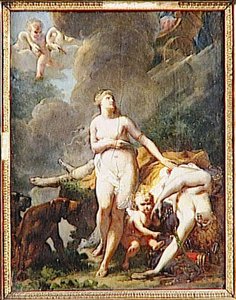
The true essence of Regnault’s genius lies in his ability to transform static mythological subjects into breathing, emotive dramas. He possessed a rare talent for capturing the tension between the divine and the mortal. In works such as La Mort d'Adonis, one can witness his profound command over the themes of mortality and beauty. The painting serves as a poignant study in tragedy, where the exquisite detail of the figures contrasts sharply with the heavy, somber atmosphere of loss. Regnault did not merely paint scenes; he staged emotional experiences, using light and shadow to guide the viewer through the psychological depths of his characters.
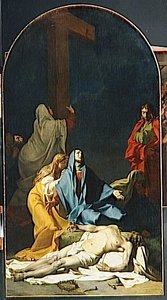
His repertoire was equally diverse, ranging from the intensely spiritual to the intellectually provocative. In The Descent from the Cross, Regnault utilizes a more dramatic, almost Baroque-inspired intensity to convey the profound grief and religious fervor of the scene. Here, the weight of the body and the visceral reality of the moment are rendered with a realism that commands reverence. Conversely, in works like Socrate Arrachant Alcibiade du Sein de la Volupté, he explores the intellectual struggles of the classical age. This piece showcases his ability to depict philosophical conflict through the interplay of light and shadow, illustrating the struggle between reason and temptation with masterful composition.
Historical Significance and Artistic Influence
Regnault’s importance extends far beyond his individual canvases; he was a pivotal figure in the evolution of French academic painting. As a teacher and a prominent member of the artistic community, his influence rippled through the next generation of painters, including artists like Guérin and Lorimier. His style—characterized by a certain softness and a more lyrical approach to Neoclassicism compared to David’s starker, more rigid compositions—offered an alternative vision of classical beauty that appealed to a wide range of sensibilities.
To understand the breadth of his contribution, one might consider the following pillars of his career:
- Technical Virtuosity: His unparalleled ability to render anatomical accuracy and delicate textures, particularly in skin and drapery.
- Narrative Depth: The capacity to weave complex allegorical meanings into historical and mythological scenes, making them accessible yet profound.
- Stylistic Versatility: A unique blend of Neoclassical order with a more fluid, emotive sensibility that bridged the gap between different artistic eras.
- Academic Legacy: His role in shaping the aesthetic standards of the French Academy and influencing the trajectory of 19th-century European art.
Though the tides of art history eventually shifted toward Romanticism and beyond, the works of Jean-Baptiste Regnault remain enduring testaments to an era of unparalleled elegance. His paintings continue to captivate modern audiences, offering a window into a world where the pursuit of perfection, the exploration of myth, and the celebration of human emotion were harmoniously intertwined.
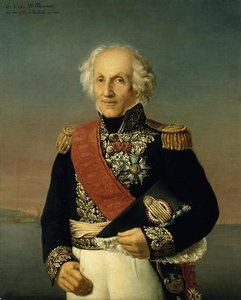
jean baptiste baron regnault
1754 - 1829
Quick Facts
- Artistic Movement Or Style: Landscape painting
- Artists Or Movements Influenced By This Artist: ["Gainsborough's manner"]
- Artists Who Influenced This Artist: ['Thomas Gainsborough']
- Date Of Birth: 1754
- Date Of Death: 1797
- Full Name: Gainsborough Dupont
- Nationality: British
- Notable Artworks:
- Wooded Landscape
- Riders and Packhorses
- Place Of Birth: Sudbury, Suffolk

