

 Preview
 Send
Send Share
Share
 Details

 Download
 Similars
 X-Ray
X-Ray Diaporama
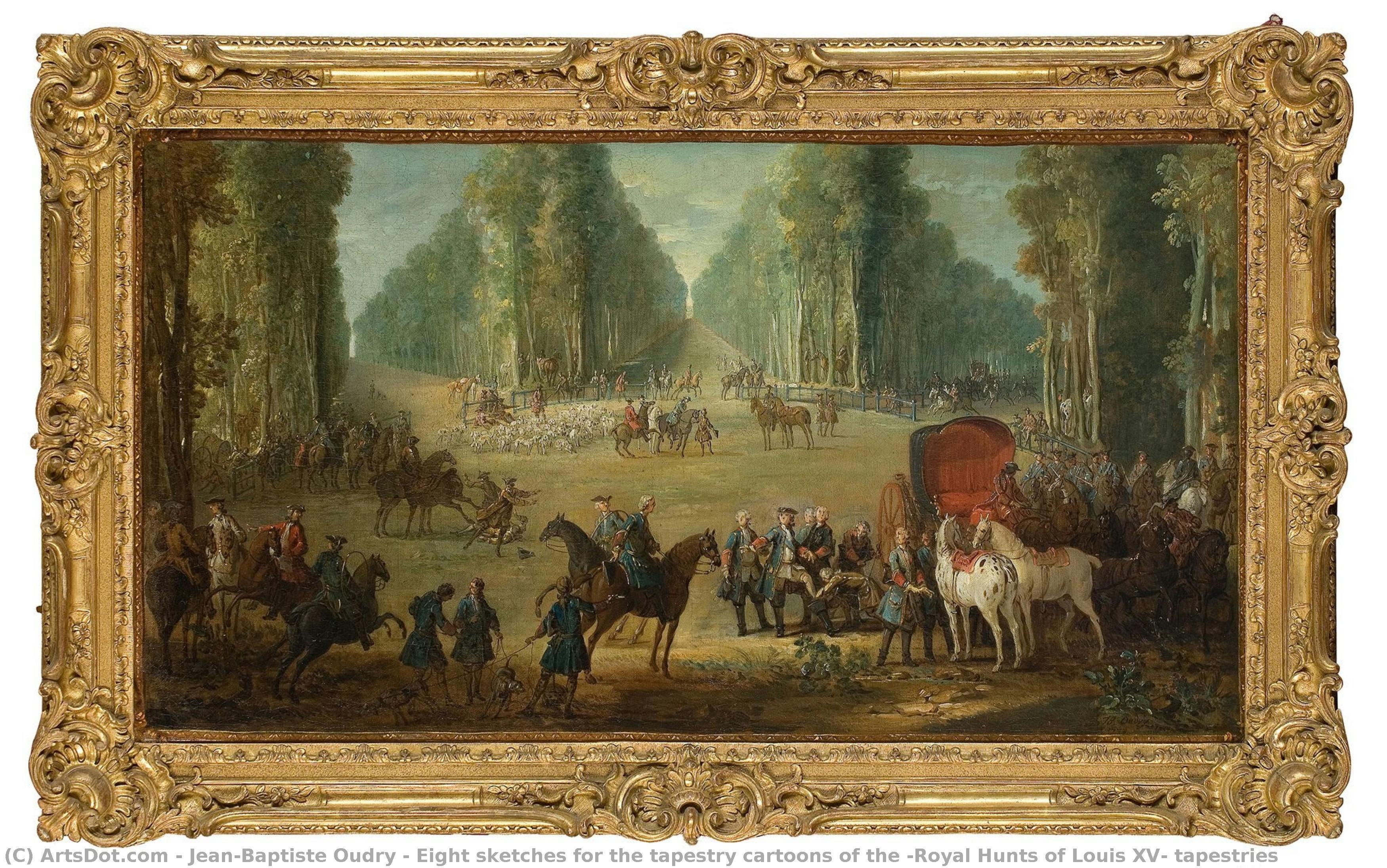
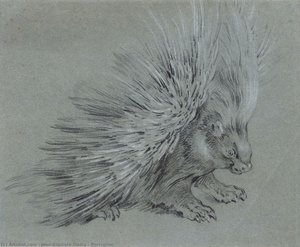
Eight sketches for the tapestry cartoons of the “Royal Hunts of Louis XV” tapestries


 Read More
Purchase a high-resolution, enhanced digital image, far superior to the online preview.
Each file is meticulously prepared by our in-house specialists using advanced tools and expert manual retouching. We ensure every image has exceptional clarity, precise color accuracy, and fine detail.
The final file is delivered via email within 72 hours, optimized for immediate use in professional, editorial, and print environments. This is the same quality trusted by top-tier design studios, publishers, and galleries.
Digital Image
Download a high-resolution file for personal display, printing, and creative projects. ( Buy Print Buy Hand Made Painting)
Included in Every Digital Image Order
Expert Digital Delivery, Guaranteed
When you choose ArtsDot.com, you're not just getting an image - you're receiving a professionally enhanced digital artwork, crafted with precision and backed by a satisfaction guarantee. Here's everything that comes with your order, automatically:

Fast Email Delivery
Your high-resolution digital image file will be emailed to you within 72 hours of ordering - ready for immediate use.

AI-Enhanced Digital File
Your artwork is professionally optimized using advanced AI tools and manual editing, ensuring maximum detail, clarity, and color accuracy.

Free Lifetime Re-Delivery
Accidentally deleted or lost your file? No worries - we'll resend it to you anytime, free of charge.

No Import Fees - Ever
Enjoy your artwork instantly with zero customs, duties, or delivery fees - digital downloads are always tax-free.

Color Accuracy Guarantee
We ensure your digital image reflects the original colors as closely as possible using professional tools and color management.

100-Day Satisfaction Guarantee
If you're not satisfied with your digital image, we'll revise it or refund 100% within 100 days - no questions asked.

100% Money-Back Guarantee
Not satisfied? Get a full refund within 100 days of receiving your digital file - no questions asked.

Bulk Order Discounts
Buy 3 images, save 10% - Buy 5, save 15% - Buy 10+, save 20%. Great for creative projects, galleries, and agencies.
Jean-Baptiste Oudry: A Master of Naturalism and Royal Patronage
Jean-Baptiste Oudry (1686–1755) stands as an emblem of the Rococo artistic movement, a period characterized by opulent decoration, playful elegance, and a fascination with nature’s beauty—traits perfectly embodied in his captivating paintings and tapestry designs. Born into an artistic lineage – his father, Jacques Oudry, was a painter and art dealer – Jean-Baptiste’s formative years were steeped in the traditions of Saint Luc Academy where he honed his skills under Nicolas de Largillière, establishing a foundation for his distinctive style. This early training instilled meticulous observation and a profound understanding of anatomy, particularly crucial for his celebrated depictions of animals.- Early Career & Style: Oudry initially focused on portraiture, capturing the aristocratic gaze with remarkable accuracy. However, he swiftly transitioned to still lifes—particularly those featuring fruits and animals—demonstrating an exceptional ability to convey texture and detail.
- The Rococo Embrace: Oudry’s artistic sensibilities aligned seamlessly with the Rococo aesthetic, prioritizing gracefulness, asymmetry, and a romantic portrayal of aristocratic life. His canvases shimmered with pastel hues and delicate brushstrokes, reflecting the prevailing mood of refined leisure and sensual pleasure.
- Royal Commissions & Tapestry Design: Oudry achieved international renown through his commissions from Louis XV—most notably for the Gobelins Manufactory where he conceived nine magnificent tapestry cartoons illustrating scenes from the King’s hunts. These monumental works cemented his reputation as a visionary artist and a pivotal figure in shaping French decorative art.
Eight Sketches for the Tapestry Cartoons of the “Royal Hunts of Louis XV”
The commission to produce these tapestry cartoons represents a cornerstone of Oudry’s artistic legacy. The resulting paintings—primarily housed at the Château de Fontainebleau—are breathtaking examples of naturalistic art, capturing the dynamism and grandeur of the royal hunts with unparalleled precision. Consider the meticulous rendering of fur textures, the expressive postures of horses and riders, and the vibrant colors used to depict the forest landscape. Oudry’s masterful technique—characterized by layering thin glazes and blending pigments—created an illusion of depth and luminosity that continues to inspire admiration today.Symbolism & Emotional Impact
Beyond mere visual representation, Oudry's paintings resonate with deeper symbolic meanings. The hunts themselves served as a ritualistic affirmation of royal authority and nobility, reflecting the values of chivalry, courage, and mastery over nature. Oudry skillfully conveyed these concepts through his compositions—emphasizing movement, light, and color—creating images that evoke feelings of exhilaration and wonder. His work speaks to an idealized vision of aristocratic life—one infused with beauty, sophistication, and a profound appreciation for the natural world.Legacy & Influence
Jean-Baptiste Oudry’s influence extended far beyond his own lifetime. He established a new standard for animal painting, inspiring subsequent generations of artists to emulate his meticulous observation and expressive brushwork. His contribution to tapestry design—particularly the “Royal Hunts”—permanently altered the aesthetic landscape of France, shaping the decorative arts of the era and securing his place as one of the most celebrated painters of the Rococo period. Today, Oudry’s canvases continue to captivate audiences worldwide, testifying to the enduring power of naturalism and artistic brilliance.Related Artworks
Artist Biography
Jean-Baptiste Oudry: A Life in Art
Early Life and Training
- Born: March 17, 1686, in Paris, France.
- Oudry came from an artistic family; his father, Jacques Oudry, was a painter and art dealer. His mother, Nicole Papillon, was related to the engraver Jean-Baptiste-Michel Papillon.
- He began his training at the Académie de Saint-Luc, studying under Nicolas de Largillière from 1707 to 1712. This foundational period shaped his early skills in portraiture and observation.
- He quickly progressed, becoming an assistant professor at the Académie de Saint-Luc in 1714 and a full professor by 1717.
Artistic Development and Style
- Initially focused on portraiture, Oudry gradually expanded his repertoire to include still lifes, particularly of fruits and animals, as well as religious subjects.
- His style evolved towards the Rococo, characterized by elegance, naturalism, and a playful depiction of aristocratic life and leisure.
- Oudry’s meticulous attention to detail and his ability to capture the textures and characteristics of animals became hallmarks of his work.
- He demonstrated mastery in both painting and design, seamlessly transitioning between canvas and tapestry creation.
Major Achievements and Notable Works
- The Pastoral Amusements (Les Amusements Champêtres): A series of tapestries designed for the Royal Beauvais Tapestry Manufactory, showcasing idyllic scenes of rural life and hunting.
- Louis XV Hunting a Deer in the Forest of Saint-Germain (1730): This painting solidified Oudry’s reputation as the official painter of the royal hunt. It exemplifies his skill in depicting both the grandeur of the hunt and the natural environment.
- Royal Hunts of Louis XV (Chasses Royales Gobelins): A series of tapestry designs for the Gobelins Manufactory, further establishing Oudry’s prominence as a tapestry designer.
- Numerous portraits of dead game commissioned by King Louis XV, demonstrating his expertise in animal anatomy and still life composition.
Influences and Legacy
- Influenced By: Nicolas de Largillière played a crucial role in Oudry’s early artistic development, providing foundational training in portraiture and technique.
- Oudry's work influenced subsequent generations of animal painters and tapestry designers. His naturalistic style and attention to detail set a new standard for depicting wildlife.
- He contributed significantly to the decorative arts of the French court, creating luxurious tapestries that adorned royal residences.
Historical Significance
- Oudry’s work provides valuable insights into 18th-century aristocratic life and the importance of hunting as a pastime for the French nobility.
- His tapestries are considered masterpieces of French decorative art, showcasing the technical skill and artistic creativity of the period.
- He was appointed to prestigious positions within the Académie Royale de Peinture et de Sculpture, demonstrating his recognition as a leading artist of his time.
- Died: April 30, 1755, leaving behind a legacy of exquisite paintings and tapestries that continue to be admired today.
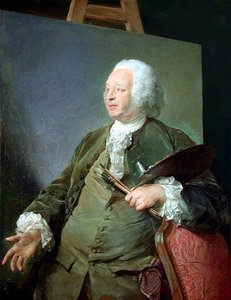
Jean-Baptiste Oudry
1686 - 1755 , France
Quick Facts
- Birth Date: 17 March 1686
- Birth Place: Paris, France
- Death Date: 30 April 1755
- Influenced By: Nicolas de Largillière
- Movement: Rococo
- Name: Jean-Baptiste Oudry
- Nationality: French
- Notable Works:
- The Pastoral Amusements
- Louis XV hunting a deer in the forest of Saint-Germain