 Preview
 Send
Send Share
Share
 Details

 Download
 Similars
 X-Ray
X-Ray Diaporama
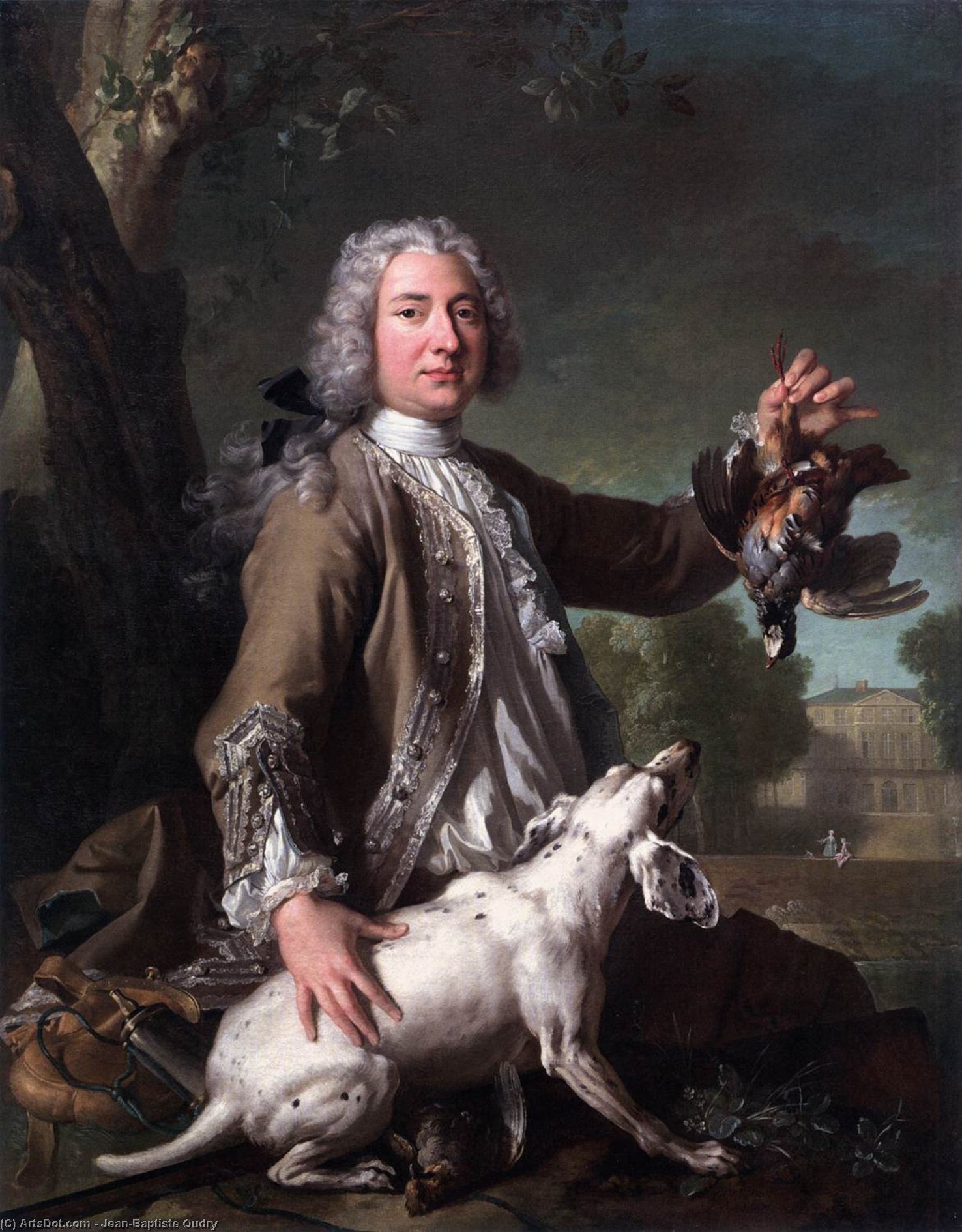
Henri Camille, Chevalier de Beringhen
 Oil On Canvas
- WallArt
- Baroque
 1722
1722 147.0 x 114.0 cm
 National Gallery of Art
 Read More
Hand Made Oil Reproduction
Hand-painted oil on canvas in your size and frame, made to order by our artists. ( Buy Print Buy Image)




P118B $10

P118H $10

P118W $10

P438Z $10

P508JH $12

P508YH $12

P805H $10

P805Z $10

P919BZ $10

P919G $10

P919XJ $10

P959ZH $10

P968JZ $12

W106C $8

W218G $10

W218JH $8

W218Y $10

W307PJ $10

W316G $10

W316PJ $8

W316Y $10

W398PJ $8

W4111J $10

W500HY $15

W500JH $15

W692G $12

W849H $8

W940BG $15

W953PJ $8




Pick from our preset sizes that match the artwork's original proportions.

You may enter your own dimensions to fit a specific frame or space. If your selected size does not match the original image's proportions, we will either crop the artwork or extend the painting with additional hand-painted elements. A digital mockup will be sent for your approval before production begins.
Please note that the on-screen preview does not reflect the actual cropping or extension. Only the mockup will accurately show the final composition.
While custom sizes are available, we recommend selecting a dimension from the predefined list to preserve the original proportions.
After order, ArtsDot.com team will email client for instructions and provide a mockup preview
Worldwide Delivery () in 3/4 weeks instead of standard 5 weeks. (16 August). No compromise on quality.

Free Worldwide Express Shipping

High-Quality Linen Canvas

Full Shipping Insurance

Customs Tax Refund Guarantee

True Color Matching Guarantee

60-Day Return Policy (Defects Only)

100% Money-Back Guarantee

Bulk Discount Offer
 Glass option is only available in size under 110 CM

Henri Camille, Chevalier de Beringhen
Reproduction Medium
Reproduction Size
-


Total Price
$ 263
Artwork Description
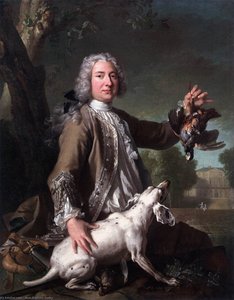
A Portrait of Aristocratic Leisure: Henri Camille, Chevalier de Beringhen by Jean-Baptiste Oudry
Jean-Baptiste Oudry’s 1722 portrait of Henri Camille, Chevalier de Beringhen, is more than a simple likeness; it's a meticulously crafted tableau vivant capturing the essence of French aristocratic life during the Rococo period. This painting, rendered in rich browns, creams, and golds on canvas, offers a glimpse into a world of refined leisure, hunting prowess, and social standing – a world expertly portrayed through Oudry’s masterful technique and keen eye for detail.
The composition immediately draws the viewer's attention to the central figure: Beringhen himself. Seated regally on a natural rock formation, he embodies the epitome of French gentlemanly grace. His posture is composed, his expression serious yet subtly engaging, reflecting the conventions of portraiture prevalent at the time while hinting at an underlying confidence and awareness of his position. The inclusion of his dog, positioned attentively at his feet, reinforces this theme of companionship and shared pursuits – a visual shorthand for the aristocratic lifestyle.
Rococo Elegance: Style and Technique
Oudry’s style is quintessential Rococo, characterized by an elegant sensibility, a naturalistic approach to subject matter, and a playful use of ornamentation. The painting showcases his remarkable ability to capture texture – from the smooth sheen of Beringhen's clothing and face to the rougher, more tactile surfaces of the foliage and tree bark behind him. Linearity plays a crucial role; the precise delineation of clothing folds, facial features, and architectural elements creates a sense of order and formality, balanced by the organic shapes that dominate the landscape.
The use of lighting is particularly dramatic, employing strong contrasts between light and shadow to sculpt form and volume. This technique not only adds depth but also imbues the scene with a theatrical quality, elevating it beyond a mere representation of reality. Oudry’s brushwork is remarkably smooth, contributing to the painting's polished appearance – a testament to his considerable skill and experience.
Symbolism and Context
Beyond its aesthetic qualities, the portrait is laden with symbolic meaning. The pheasant resting in Beringhen’s outstretched hand is a potent emblem of hunting success and aristocratic status—a tangible representation of the leisure activities enjoyed by the French elite. The landscape itself, featuring trees, foliage, and a distant building, provides a carefully constructed backdrop that reinforces this narrative. It's not simply scenery; it’s an element contributing to the overall message of wealth, privilege, and connection with nature.
Created during Louis XV’s reign, the painting reflects the king’s passion for hunting and his appreciation for art and craftsmanship. Oudry’s work was highly sought after by the court, and this portrait stands as a prime example of his success in capturing the spirit of the age. The Chevalier de Beringhen's position as Master of the King’s Private Stables further underscores the painting’s significance within the context of French aristocratic society.
A Timeless Masterpiece: Reproduction Possibilities
ArtsDot offers exquisite, hand-painted reproductions of Jean-Baptiste Oudry’s “Henri Camille, Chevalier de Beringhen,” allowing you to bring this captivating work into your home or office. Our skilled artists meticulously recreate the painting's intricate details and rich colors, ensuring a faithful representation of Oudry’s original vision. Whether you are an art enthusiast, collector, or interior designer seeking to add a touch of elegance and historical significance to your space, our reproductions provide a beautiful and authentic way to experience this remarkable masterpiece.
Explore the full artwork details and available sizes on our website: https://www.ArtsDot.com/en/art/jean-baptiste-oudry-henri-camille-chevalier-de-beringhen-8Y3EEL-en/
Related Artworks


Artist Biography
Jean-Baptiste Oudry: A Life in Art
Early Life and Training
- Born: March 17, 1686, in Paris, France.
- Oudry came from an artistic family; his father, Jacques Oudry, was a painter and art dealer. His mother, Nicole Papillon, was related to the engraver Jean-Baptiste-Michel Papillon.
- He began his training at the Académie de Saint-Luc, studying under Nicolas de Largillière from 1707 to 1712. This foundational period shaped his early skills in portraiture and observation.
- He quickly progressed, becoming an assistant professor at the Académie de Saint-Luc in 1714 and a full professor by 1717.
Artistic Development and Style
- Initially focused on portraiture, Oudry gradually expanded his repertoire to include still lifes, particularly of fruits and animals, as well as religious subjects.
- His style evolved towards the Rococo, characterized by elegance, naturalism, and a playful depiction of aristocratic life and leisure.
- Oudry’s meticulous attention to detail and his ability to capture the textures and characteristics of animals became hallmarks of his work.
- He demonstrated mastery in both painting and design, seamlessly transitioning between canvas and tapestry creation.
Major Achievements and Notable Works
- The Pastoral Amusements (Les Amusements Champêtres): A series of tapestries designed for the Royal Beauvais Tapestry Manufactory, showcasing idyllic scenes of rural life and hunting.
- Louis XV Hunting a Deer in the Forest of Saint-Germain (1730): This painting solidified Oudry’s reputation as the official painter of the royal hunt. It exemplifies his skill in depicting both the grandeur of the hunt and the natural environment.
- Royal Hunts of Louis XV (Chasses Royales Gobelins): A series of tapestry designs for the Gobelins Manufactory, further establishing Oudry’s prominence as a tapestry designer.
- Numerous portraits of dead game commissioned by King Louis XV, demonstrating his expertise in animal anatomy and still life composition.
Influences and Legacy
- Influenced By: Nicolas de Largillière played a crucial role in Oudry’s early artistic development, providing foundational training in portraiture and technique.
- Oudry's work influenced subsequent generations of animal painters and tapestry designers. His naturalistic style and attention to detail set a new standard for depicting wildlife.
- He contributed significantly to the decorative arts of the French court, creating luxurious tapestries that adorned royal residences.
Historical Significance
- Oudry’s work provides valuable insights into 18th-century aristocratic life and the importance of hunting as a pastime for the French nobility.
- His tapestries are considered masterpieces of French decorative art, showcasing the technical skill and artistic creativity of the period.
- He was appointed to prestigious positions within the Académie Royale de Peinture et de Sculpture, demonstrating his recognition as a leading artist of his time.
- Died: April 30, 1755, leaving behind a legacy of exquisite paintings and tapestries that continue to be admired today.
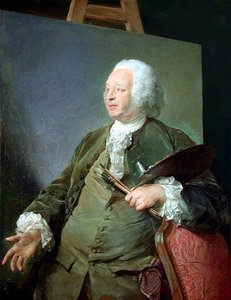
Jean-Baptiste Oudry
1686 - 1755 , France
Quick Facts
- Birth Date: 17 March 1686
- Birth Place: Paris, France
- Death Date: 30 April 1755
- Influenced By: Nicolas de Largillière
- Movement: Rococo
- Name: Jean-Baptiste Oudry
- Nationality: French
- Notable Works:
- The Pastoral Amusements
- Louis XV hunting a deer in the forest of Saint-Germain
Related Articles

Demandes Commerciales
APS ofrece reproducciones de bellas artes y encargos personalizados desde 2004. Confían en nosotros corporaciones, hoteles y coleccionistas selectos para obras de arte de calidad museística, servicio discreto y soluciones artísticas completas. ¡Póngase en contacto con nosotros para obtener un presupuesto personalizado!
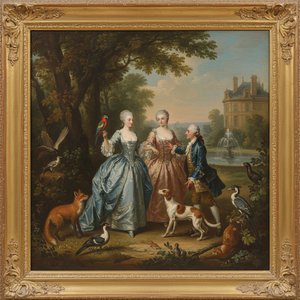
Jean-Baptiste Oudry: Rococo Painter of Aristocratic Life & Naturalistic Detail
Explore the exquisite Rococo paintings of Jean-Baptiste Oudry (1686-1755). Discover his mastery of animal depictions, royal commissions, and tapestry designs. A deep dive into 18th-century French artistry.

Goya's Masterpieces: Explore 25 Iconic Paintings & Art Prints | ArtsDot
Delve into the world of Francisco Goya with ArtsDot. Explore 25 iconic paintings – from 'The Third of May' to his haunting Black Paintings. Discover the stories, techniques & emotions behind these Spanish masterpieces. Find museum-quality art reproductions for your home at ArtsDot.com!

The Rococo Aesthetic: Opulence, Rebellion & the Pursuit of Pleasure in 18th-Century Art
Explore the opulent world of Rococo art! Discover its origins, key artists like Watteau & Boucher, and lasting influence on design. Expert insights for collectors & enthusiasts.
From Grandeur to Grace: Exploring the Evolution of Baroque & Rococo Art
Explore the captivating evolution from Baroque's drama to Rococo's grace! Discover key artists, characteristics & lasting influence of these art movements with expert insights at ArtsDot.