 Preview
 Send
Send Share
Share
 Details

 Download
 Similars
 X-Ray
X-Ray Diaporama
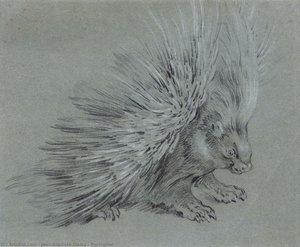
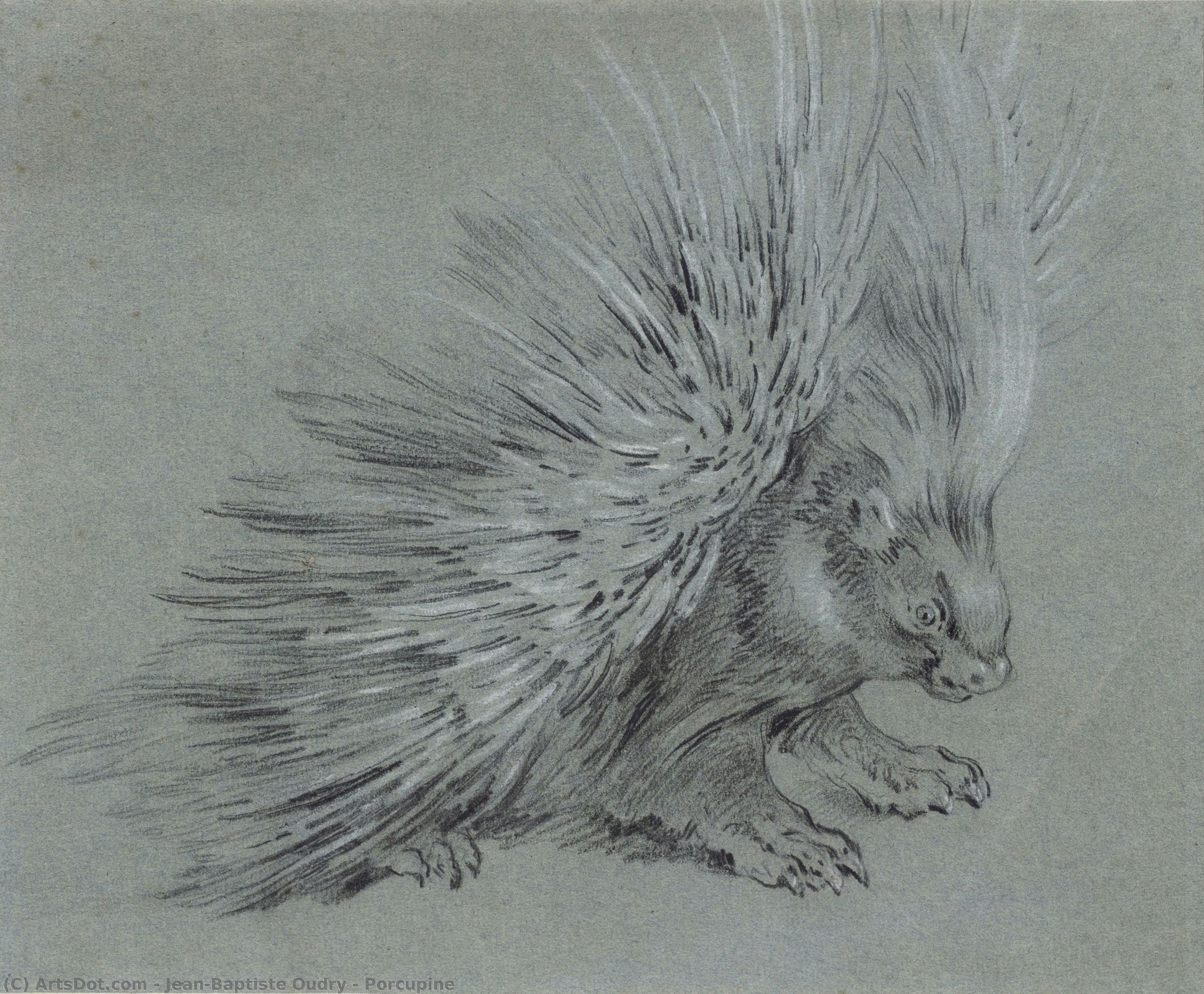
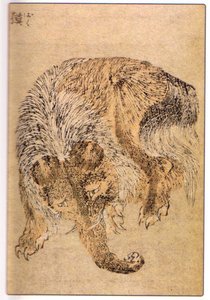
Porcupine
 Acrylic On Paper
- WallArt
- Rococo
 26.0 x 22.0 cm
 Kupferstichkabinett
 Read More
Hand Made Oil Reproduction
Hand-painted oil on canvas in your size and frame, made to order by our artists. ( Buy Print Buy Image)




P118B $10

P118H $10

P118W $10

P438Z $10

P508JH $12

P508YH $12

P805H $10

P805Z $10

P919BZ $10

P919G $10

P919XJ $10

P959ZH $10

P968JZ $12

W106C $8

W218G $10

W218JH $8

W218Y $10

W307PJ $10

W316G $10

W316PJ $8

W316Y $10

W398PJ $8

W4111J $10

W500HY $15

W500JH $15

W692G $12

W849H $8

W940BG $15

W953PJ $8




Pick from our preset sizes that match the artwork's original proportions.

You may enter your own dimensions to fit a specific frame or space. If your selected size does not match the original image's proportions, we will either crop the artwork or extend the painting with additional hand-painted elements. A digital mockup will be sent for your approval before production begins.
Please note that the on-screen preview does not reflect the actual cropping or extension. Only the mockup will accurately show the final composition.
While custom sizes are available, we recommend selecting a dimension from the predefined list to preserve the original proportions.
After order, ArtsDot.com team will email client for instructions and provide a mockup preview
Worldwide Delivery () in 3/4 weeks instead of standard 5 weeks. (17 August). No compromise on quality.

Free Worldwide Express Shipping

High-Quality Linen Canvas

Full Shipping Insurance

Customs Tax Refund Guarantee

True Color Matching Guarantee

60-Day Return Policy (Defects Only)

100% Money-Back Guarantee

Bulk Discount Offer
 Glass option is only available in size under 110 CM

Porcupine
Reproduction Medium
Reproduction Size
-


Total Price
$ 263
Artwork Description
Jean-Baptiste Oudry’s “Porcupine”: A Study in Texture and Alertness
The image before you – Jean-Baptiste Oudry's "Porcupine" – is more than just a depiction of an animal; it’s a carefully constructed meditation on form, texture, and the very essence of alertness. Completed around 1730, this drawing, rendered in meticulous graphite on paper, offers a rare glimpse into the world of 18th-century natural history illustration – a field where scientific observation was elevated to an art form. Oudry, already establishing himself as a master of animal portraiture, here demonstrates his profound understanding of anatomy and his ability to capture fleeting moments of intense awareness within his subject. The piece isn’t merely about showing a porcupine; it's about conveying the *feeling* of one poised on the edge of action, ready to defend itself with formidable skill.A Rococo Study in Monochromatic Detail
Oudry’s style firmly anchors this work within the Rococo period, characterized by its elegance, naturalism, and a subtle playfulness. However, unlike the often-frivolous depictions of aristocratic life typical of the era, Oudry's focus remains resolutely on the animal itself. The deliberate restriction to shades of gray – from deepest charcoal to delicate light tones – intensifies the impact of his technique. This monochromatic palette forces the viewer to engage with the artwork through a heightened awareness of line and texture. The artist’s masterful use of hatching and cross-hatching creates an astonishingly realistic surface, mimicking the bristling quills and dense fur of the porcupine with remarkable precision. The fine lines aren't simply delineating shapes; they are building volume and suggesting movement, creating a tactile experience for the eye.The Anatomy of Alertness
What truly elevates “Porcupine” is Oudry’s rendering of the animal’s posture. The porcupine isn’t presented as a static subject; it's captured in a moment of dynamic readiness. Its body is low to the ground, its paws firmly planted, and its quills – those iconic defensive weapons – are fully extended outwards, radiating an almost explosive energy. The gaze, directed directly at the viewer, adds another layer of intensity, suggesting a watchful vigilance. Oudry doesn’t simply depict the animal's physical form; he captures its inherent alertness, conveying a sense of primal instinct and protective awareness. The subtle curve of the neck, the slight tilt of the head – these details contribute to an overall impression of poised readiness.Historical Context and Artistic Influences
Oudry’s work emerged during a period when scientific illustration was gaining prominence as a legitimate art form. The Royal Academy of Sciences in Paris, where Oudry taught, emphasized accurate observation and detailed representation. His training under Nicolas de Largillière, a renowned portraitist, undoubtedly shaped his early skills in capturing likeness and anatomical accuracy. However, Oudry’s artistic vision extended beyond mere imitation; he infused his illustrations with a sense of drama and dynamism. The influence of Pieter Boel's preparatory drawings for the Gobelins tapestries – which Oudry later copied – is evident in the composition and overall aesthetic. These tapestries, depicting scenes of royal hunts, were highly sought after by European nobility, and Oudry’s work played a crucial role in their production.Symbolism and Emotional Resonance
While “Porcupine” lacks overt symbolic meaning, its depiction resonates with primal emotions. The animal's defensive posture evokes feelings of vulnerability and resilience – a potent combination that speaks to the fundamental instincts of survival. The meticulous detail with which Oudry renders the porcupine’s quills also suggests a quiet dignity, highlighting the beauty and effectiveness of nature’s defenses. Ultimately, this artwork is a testament to Oudry's skill as an observer and interpreter of the natural world, offering a captivating glimpse into a bygone era of scientific artistry.Related Artworks

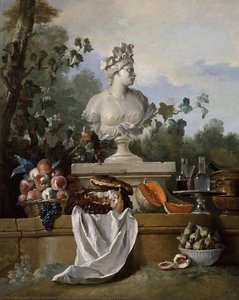
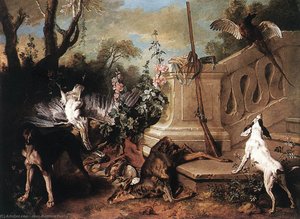
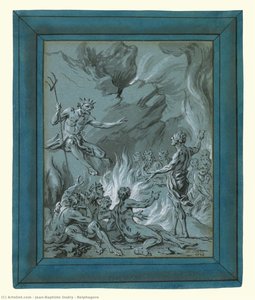
Artist Biography
Jean-Baptiste Oudry: A Life in Art
Early Life and Training
- Born: March 17, 1686, in Paris, France.
- Oudry came from an artistic family; his father, Jacques Oudry, was a painter and art dealer. His mother, Nicole Papillon, was related to the engraver Jean-Baptiste-Michel Papillon.
- He began his training at the Académie de Saint-Luc, studying under Nicolas de Largillière from 1707 to 1712. This foundational period shaped his early skills in portraiture and observation.
- He quickly progressed, becoming an assistant professor at the Académie de Saint-Luc in 1714 and a full professor by 1717.
Artistic Development and Style
- Initially focused on portraiture, Oudry gradually expanded his repertoire to include still lifes, particularly of fruits and animals, as well as religious subjects.
- His style evolved towards the Rococo, characterized by elegance, naturalism, and a playful depiction of aristocratic life and leisure.
- Oudry’s meticulous attention to detail and his ability to capture the textures and characteristics of animals became hallmarks of his work.
- He demonstrated mastery in both painting and design, seamlessly transitioning between canvas and tapestry creation.
Major Achievements and Notable Works
- The Pastoral Amusements (Les Amusements Champêtres): A series of tapestries designed for the Royal Beauvais Tapestry Manufactory, showcasing idyllic scenes of rural life and hunting.
- Louis XV Hunting a Deer in the Forest of Saint-Germain (1730): This painting solidified Oudry’s reputation as the official painter of the royal hunt. It exemplifies his skill in depicting both the grandeur of the hunt and the natural environment.
- Royal Hunts of Louis XV (Chasses Royales Gobelins): A series of tapestry designs for the Gobelins Manufactory, further establishing Oudry’s prominence as a tapestry designer.
- Numerous portraits of dead game commissioned by King Louis XV, demonstrating his expertise in animal anatomy and still life composition.
Influences and Legacy
- Influenced By: Nicolas de Largillière played a crucial role in Oudry’s early artistic development, providing foundational training in portraiture and technique.
- Oudry's work influenced subsequent generations of animal painters and tapestry designers. His naturalistic style and attention to detail set a new standard for depicting wildlife.
- He contributed significantly to the decorative arts of the French court, creating luxurious tapestries that adorned royal residences.
Historical Significance
- Oudry’s work provides valuable insights into 18th-century aristocratic life and the importance of hunting as a pastime for the French nobility.
- His tapestries are considered masterpieces of French decorative art, showcasing the technical skill and artistic creativity of the period.
- He was appointed to prestigious positions within the Académie Royale de Peinture et de Sculpture, demonstrating his recognition as a leading artist of his time.
- Died: April 30, 1755, leaving behind a legacy of exquisite paintings and tapestries that continue to be admired today.
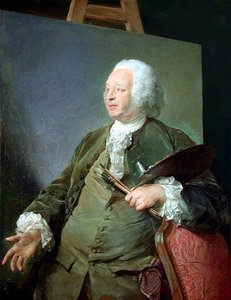
Jean-Baptiste Oudry
1686 - 1755 , France
Quick Facts
- Birth Date: 17 March 1686
- Birth Place: Paris, France
- Death Date: 30 April 1755
- Influenced By: Nicolas de Largillière
- Movement: Rococo
- Name: Jean-Baptiste Oudry
- Nationality: French
- Notable Works:
- The Pastoral Amusements
- Louis XV hunting a deer in the forest of Saint-Germain
Related Articles
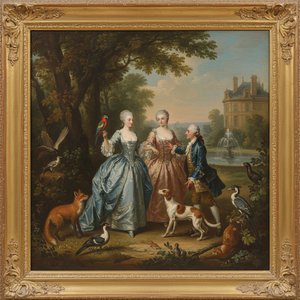
Jean-Baptiste Oudry: Rococo Painter of Aristocratic Life & Naturalistic Detail
Explore the exquisite Rococo paintings of Jean-Baptiste Oudry (1686-1755). Discover his mastery of animal depictions, royal commissions, and tapestry designs. A deep dive into 18th-century French artistry.

The Nuances of Graphite: Exploring Emotional Depth & Technical Mastery in Pencil Drawing
Explore the captivating world of graphite drawing! Discover its rich history, master essential techniques like chiaroscuro, and learn how artists evoke emotion through this timeless medium. Expert insights for art enthusiasts.

Rococo's Radiant Legacy: 10 Masterpieces for Your Home |
Indulge in the elegance of Rococo! Explore 10 masterpieces by Fragonard, Boucher & Watteau. Discover the stories behind these iconic paintings and bring timeless art to your home with museum-quality reproductions from .
The Alchemy of Graphite: An Expert Guide to Mastering Detail and Depth in Pencil Sketching
Unlock the secrets of graphite sketching with our expert guide for art students. Learn to master pencil grades, create realistic depth, and capture intricate textures through professional techniques designed to elevate your observational drawing skills.
Jean-Baptiste Pater: Rococo Charm & Ephemeral Beauty of 18th-Century France
Explore the captivating world of Jean-Baptiste Pater, a master of Rococo painting. Discover his elegant *fête galante* scenes and shimmering portraits – a glimpse into 18th-century French aristocracy. Learn about his legacy & find high-quality reproductions.