 Preview
 Send
Send Share
Share
 Details

 Download
 Similars
 X-Ray
X-Ray Diaporama
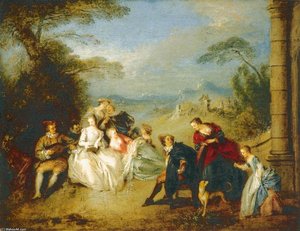
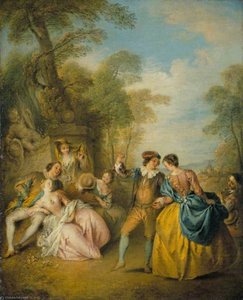
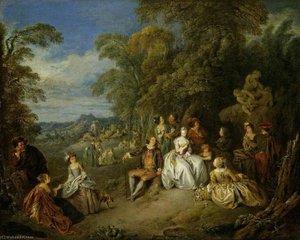
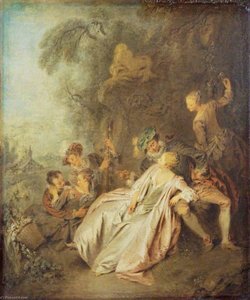
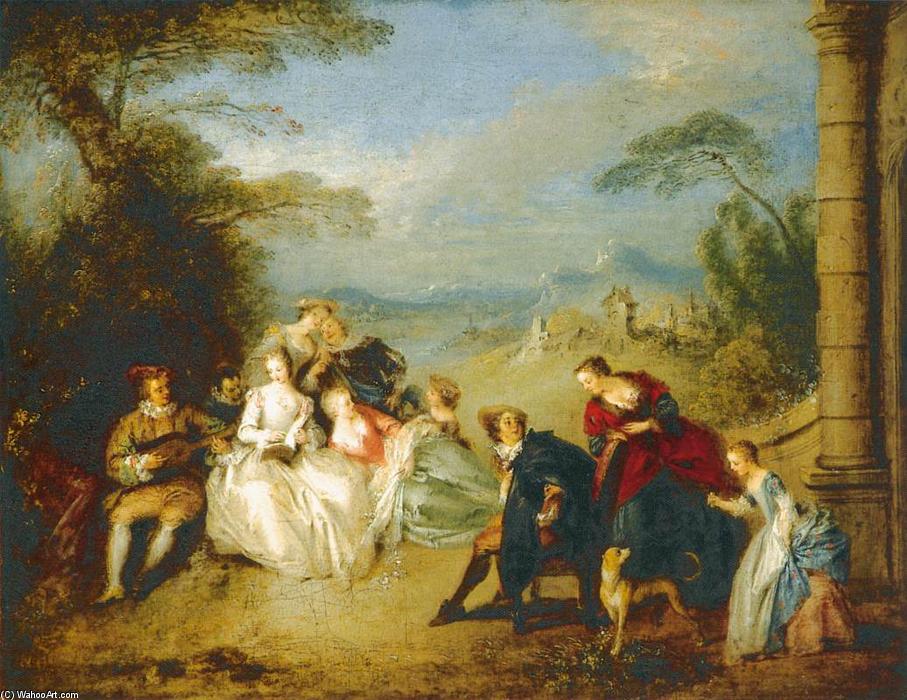
Concert Champêtre
 Acrylic On Canvas
- WallArt
- Rococo
 1734
1734 53.0 x 69.0 cm
 Museo Thyssen-Bornemisza
 Read More
Hand Made Oil Reproduction
Hand-painted oil on canvas in your size and frame, made to order by our artists. ( Buy Print Buy Image)




P118B $10

P118H $10

P118W $10

P438Z $10

P508JH $12

P508YH $12

P805H $10

P805Z $10

P919BZ $10

P919G $10

P919XJ $10

P959ZH $10

P968JZ $12

W106C $8

W218G $10

W218JH $8

W218Y $10

W307PJ $10

W316G $10

W316PJ $8

W316Y $10

W398PJ $8

W4111J $10

W500HY $15

W500JH $15

W692G $12

W849H $8

W940BG $15

W953PJ $8




Pick from our preset sizes that match the artwork's original proportions.

You may enter your own dimensions to fit a specific frame or space. If your selected size does not match the original image's proportions, we will either crop the artwork or extend the painting with additional hand-painted elements. A digital mockup will be sent for your approval before production begins.
Please note that the on-screen preview does not reflect the actual cropping or extension. Only the mockup will accurately show the final composition.
While custom sizes are available, we recommend selecting a dimension from the predefined list to preserve the original proportions.
After order, ArtsDot.com team will email client for instructions and provide a mockup preview
Worldwide Delivery () in 3/4 weeks instead of standard 5 weeks. (16 August). No compromise on quality.

Free Worldwide Express Shipping

High-Quality Linen Canvas

Full Shipping Insurance

Customs Tax Refund Guarantee

True Color Matching Guarantee

60-Day Return Policy (Defects Only)

100% Money-Back Guarantee

Bulk Discount Offer
 Glass option is only available in size under 110 CM

Concert Champêtre
Reproduction Medium
Reproduction Size
-


Total Price
$ 263
Artwork Description
A Moment of Leisure in the Italian Countryside
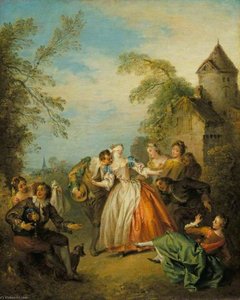
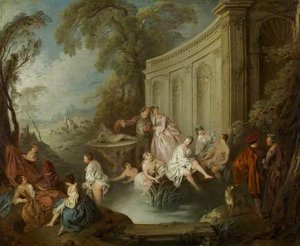
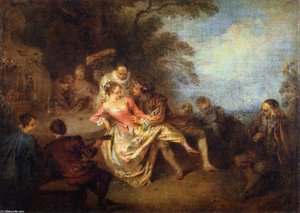
Jean-Baptiste Pater’s “Concert Champêtre” (1734) isn't merely a painting; it’s an invitation. An invitation to step away from the bustling realities of 18th-century Venice and into a realm of idyllic tranquility, where music, friendship, and the beauty of nature converge in perfect harmony. The scene unfolds within a meticulously rendered Italian countryside landscape – not a dramatic vista, but rather a gentle, rolling meadow bathed in the soft light of an afternoon sun. Three young men, dressed in the fashionable attire of the time, are engaged in a lively musical performance, while a woman gracefully pours water from a marble basin, adding to the scene’s serene charm.
Pater, a student and protégé of the celebrated Antoine Watteau, masterfully captures the essence of the *fête galante*, a Rococo genre that idealized aristocratic leisure and pastoral life. This style, born in France but deeply influenced by Italian Renaissance ideals, prioritized elegance, grace, and an escape from worldly concerns. Pater’s work exemplifies this perfectly, transporting the viewer to a world where beauty, companionship, and artistic expression reign supreme.
The Influence of Watteau and Venetian Tradition
Pater's relationship with Watteau was complex—a blend of admiration and frustration. While he absorbed much of Watteau’s style, particularly his penchant for delicate figures and atmospheric landscapes, Pater ultimately forged his own distinct artistic identity. “Concert Champêtre” reveals this evolution, showcasing a refined elegance reminiscent of Watteau but imbued with a subtle Venetian sensibility. The use of light, the soft brushstrokes, and the overall composition owe a clear debt to the Venetian masters who had profoundly shaped European art for centuries.
The painting’s genesis can be traced back to the rich artistic heritage of Venice, a city renowned for its vibrant color palette, masterful technique, and celebration of classical themes. Pater's work echoes this tradition through its emphasis on naturalism, its luminous colors, and its depiction of idealized beauty—elements that were central to Venetian painting during the 16th and 17th centuries. The scene’s composition, with its carefully arranged figures and harmonious landscape, reflects a deep understanding of Venetian artistic principles.
Symbolism and Emotional Resonance
Beyond its aesthetic beauty, “Concert Champêtre” is rich in symbolic meaning. The musical performance itself represents the pursuit of pleasure, creativity, and social connection—values highly prized during the Rococo era. The woman pouring water from the basin symbolizes hospitality, generosity, and the nurturing aspects of female companionship. The inclusion of a shepherd further reinforces the pastoral theme, evoking images of rural simplicity and harmony with nature.
More subtly, Pater’s use of shimmering lines—a hallmark of his style—creates an atmosphere of ethereal beauty and fleeting pleasure. These delicate brushstrokes seem to capture the very essence of *fête galante*, conveying a sense of lightness, grace, and ephemeral joy. The painting invites contemplation on themes of friendship, leisure, and the pursuit of beauty – emotions that continue to resonate with viewers today.
A Timeless Masterpiece
“Concert Champêtre” is more than just a beautiful painting; it’s a window into a bygone era—a glimpse of aristocratic life in 18th-century Venice. Its enduring appeal lies in its ability to transport us to a world of idyllic beauty, gentle companionship, and artistic refinement. Whether admired as a historical artifact or simply appreciated for its aesthetic qualities, Pater's masterpiece remains a testament to the power of art to evoke emotion, inspire contemplation, and capture the essence of human experience.
Related Artworks
Artist Biography
Jean-Baptiste Pater: The Sole Pupil of Watteau
Jean-Baptiste Pater (December 29, 1695 – July 25, 1736) stands as a singular figure in the annals of French Rococo art—the sole documented student of Antoine Watteau, arguably the movement’s most celebrated artist. Born in Valenciennes, France, Pater's artistic journey began under the tutelage of his sculptor father, Antoine Pater, fostering an early appreciation for form and craftsmanship that would inform his subsequent endeavors. However, it was Watteau who irrevocably shaped Pater’s vision, establishing a relationship marked by both admiration and friction—a dynamic that ultimately yielded one of the most influential painters of his time.- Early Training & Influences: Pater's formative years were spent honing his skills under Antoine Pater, absorbing foundational principles of sculpture before embarking on his artistic studies with Jean-Baptiste Guide. This initial grounding proved invaluable as he later sought mentorship from Watteau in Paris (1713), where the elder artist’s distinctive style—characterized by delicate pastel palettes and ethereal shimmering lines—immediately captivated young Pater.
- The Watteau Connection: Watteau's influence extended beyond mere stylistic imitation; it permeated Pater’s conceptual framework. Despite Watteau’s notoriously difficult temperament, Pater recognized the master’s profound understanding of atmosphere and emotion, qualities he diligently pursued in his own work. The brief collaboration between the two artists solidified Watteau’s legacy as Pater’s guiding force.
- Rococo Style & Technique: Pater's artistic style epitomized the Rococo aesthetic—a celebration of elegance, frivolity, and sensual pleasure. He employed a masterful technique utilizing traditional pastel colors and applying shimmering lines with remarkable precision. This distinctive approach anticipates Francesco Guardi’s later explorations of atmospheric perspective, demonstrating Pater’s keen observational skills and innovative spirit.
Notable Works & Patronage
Pater's artistic output focused primarily on *fête galantes*, idyllic scenes depicting aristocratic gatherings amidst gardens or landscapes—a genre championed by Watteau and perfected by Pater himself. His most celebrated canvases include “Conversation Galante,” a breathtaking depiction of refined social interaction bathed in soft light, capturing the essence of Rococo’s preoccupation with beauty and grace. Another significant achievement is “Landscape with a Cart,” which showcases Pater's ability to convey subtle nuances of texture and color—a piece considered to foreshadow Guardi’s groundbreaking use of atmospheric perspective.- Frederick the Great: Pater gained considerable renown through his portrait commissions for Frederick II, King of Prussia—specifically “Le Sultan au Harem” and “Le Sultan au Jardin.” These portraits exemplify Pater's skill in portraying regal dignity and capturing the psychological complexities of his subjects, cementing his reputation as a royal artist.
- Museum Collections: Pater’s paintings reside in prestigious institutions worldwide, including the Louvre Museum in Paris and the Musée des Beaux-Arts de Valenciennes—testaments to their enduring artistic merit and historical significance.
Legacy & Artistic Significance
Jean-Baptiste Pater's contribution to French Rococo art is undeniable. He stands as a pivotal figure in capturing the spirit of his era, embodying Watteau’s stylistic innovations while forging his own distinctive artistic voice. His meticulous technique and evocative compositions continue to inspire admiration among art historians and enthusiasts alike—a testament to Pater’s enduring legacy as one of France's foremost painters of the eighteenth century. For a deeper understanding of Pater’s life and oeuvre, visit ArtsDot or explore the Musée des Beaux-Arts de Valenciennes website.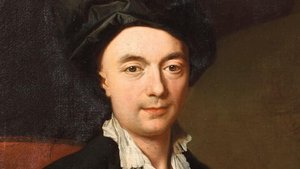
Jean-Baptiste Pater
1695 - 1736 , France
Quick Facts
- Artistic Movement Or Style: Rococo Pastel Palette
- Artists Or Movements Influenced By This Artist: ['Francesco Guardi']
- Artists Who Influenced This Artist: ['Antoine Watteau']
- Date Of Birth: December 29, 1695
- Date Of Death: July 25, 1736
- Full Name: Jean-Baptiste Pater
- Nationality: French
- Notable Artworks:
- Conversation Galante
- Landscape with a Cart
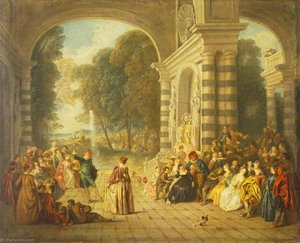
- Les Plaisirs du Bal
- Place Of Birth: Valenciennes, France
Related Articles
Jean-Baptiste Pater: Rococo Charm & Ephemeral Beauty of 18th-Century France
Explore the captivating world of Jean-Baptiste Pater, a master of Rococo painting. Discover his elegant *fête galante* scenes and shimmering portraits – a glimpse into 18th-century French aristocracy. Learn about his legacy & find high-quality reproductions.

Rococo's Radiant Legacy: 10 Masterpieces for Your Home |
Indulge in the elegance of Rococo! Explore 10 masterpieces by Fragonard, Boucher & Watteau. Discover the stories behind these iconic paintings and bring timeless art to your home with museum-quality reproductions from .
Jean-Baptiste Oudry: Rococo Painter of Aristocratic Life & Naturalistic Detail
Explore the exquisite Rococo paintings of Jean-Baptiste Oudry (1686-1755). Discover his mastery of animal depictions, royal commissions, and tapestry designs. A deep dive into 18th-century French artistry.

The Rococo Aesthetic: Opulence, Rebellion & the Pursuit of Pleasure in 18th-Century Art
Explore the opulent world of Rococo art! Discover its origins, key artists like Watteau & Boucher, and lasting influence on design. Expert insights for collectors & enthusiasts.
The Allure of Elegance in Art: A Historical & Aesthetic Exploration of Refinement & Grace
Explore the exquisite world of Rococo art! Discover its history, masters (Watteau, Boucher & more), and defining elegance. Expert insights for collectors seeking museum-quality reproductions & custom portraits.