 Preview
 Send
Send Share
Share
 Details

 Download
 Similars
 X-Ray
X-Ray Diaporama
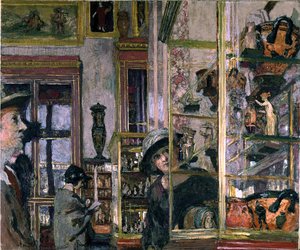
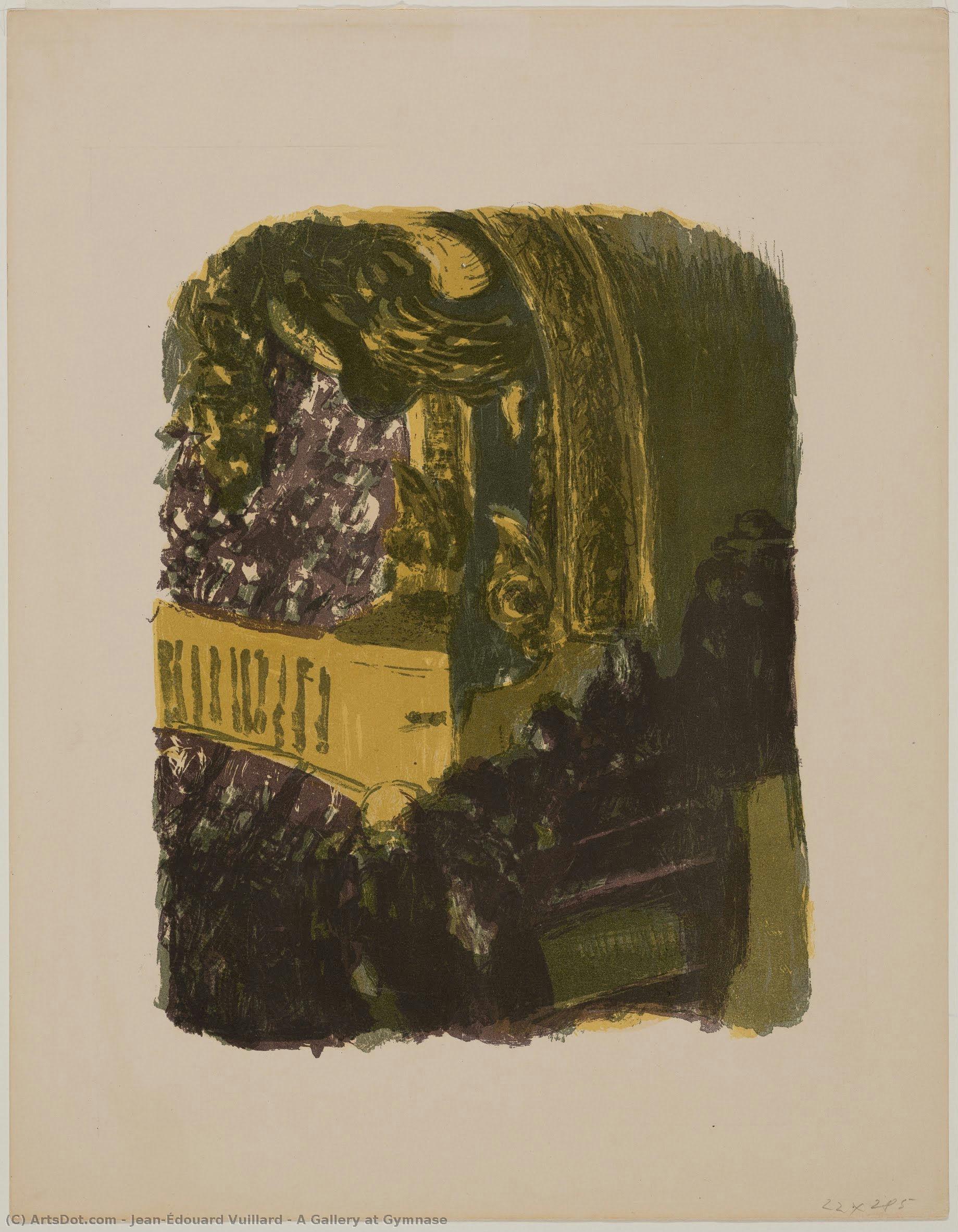
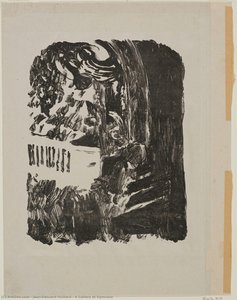
A Gallery at Gymnase


 Read More
Hand Made Oil Reproduction
Hand-painted oil on canvas in your size and frame, made to order by our artists. ( Buy Print Buy Image)




P118B $10

P118H $10

P118W $10

P438Z $10

P508JH $12

P508YH $12

P805H $10

P805Z $10

P919BZ $10

P919G $10

P919XJ $10

P959ZH $10

P968JZ $12

W106C $8

W218G $10

W218JH $8

W218Y $10

W307PJ $10

W316G $10

W316PJ $8

W316Y $10

W398PJ $8

W4111J $10

W500HY $15

W500JH $15

W692G $12

W849H $8

W940BG $15

W953PJ $8




Pick from our preset sizes that match the artwork's original proportions.

You may enter your own dimensions to fit a specific frame or space. If your selected size does not match the original image's proportions, we will either crop the artwork or extend the painting with additional hand-painted elements. A digital mockup will be sent for your approval before production begins.
Please note that the on-screen preview does not reflect the actual cropping or extension. Only the mockup will accurately show the final composition.
While custom sizes are available, we recommend selecting a dimension from the predefined list to preserve the original proportions.
After order, ArtsDot.com team will email client for instructions and provide a mockup preview
Worldwide Delivery () in 3/4 weeks instead of standard 5 weeks. (25 August). No compromise on quality.

Free Worldwide Express Shipping

High-Quality Linen Canvas

Full Shipping Insurance

Customs Tax Refund Guarantee

True Color Matching Guarantee

60-Day Return Policy (Defects Only)

100% Money-Back Guarantee

Bulk Discount Offer
 Glass option is only available in size under 110 CM

A Gallery at Gymnase
Reproduction Medium
Reproduction Size
-


Total Price
$ 263
Artwork Description
The Quiet Resonance of a Gymnasium
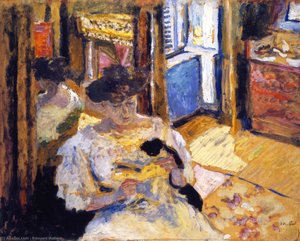
Jean-Édouard Vuillard’s “A Gallery at Gymnase” isn't merely a depiction of a room; it’s an immersion into a carefully constructed, almost dreamlike state. Painted in 1900, this work exemplifies the core tenets of the Nabis movement – a group of young French artists who sought to liberate color and form from the constraints of academic tradition. The scene unfolds within a gymnasium, yet it feels far removed from any athletic activity. Instead, we’re presented with a space imbued with a profound sense of stillness and quiet contemplation. A single chair, upholstered in a rich purple velvet cushion, dominates the composition, its presence both assertive and subtly inviting. Around it, other chairs – some draped, others partially obscured – create a layered effect, suggesting an intimate gathering that never quite materializes.
Vuillard’s genius lies not in precise representation but in his masterful manipulation of color and light. He employs a flattened perspective, characteristic of the Nabis, where spatial depth is minimized and planes of color are treated as independent entities. The palette is remarkably restrained – muted blues, greens, yellows, and browns—yet these seemingly simple hues vibrate with an almost palpable energy. Notice how he uses delicate washes of color to define form, creating a hazy, atmospheric quality that softens the edges and blurs the boundaries between objects. This technique isn’t about realism; it's about capturing the *feeling* of a space – its mood, its atmosphere, its inherent quietude.
The Nabis: A Revolution in Color
To fully appreciate “A Gallery at Gymnase,” one must understand the context of the Nabis movement. Emerging in the late 1880s, these artists—including Maurice Denis, Pierre Bonnard, and Paul Ranson—rejected the prevailing artistic norms of the time, rejecting naturalism and academic conventions. Inspired by Japanese prints, they embraced a radical approach to color, using it not as a means of imitating reality but as an expressive tool in its own right. They sought to create paintings that were emotionally resonant and visually arresting, prioritizing sensation over representation.
Vuillard’s work is particularly emblematic of the Nabis aesthetic. He was fascinated by interiors—rooms filled with furniture, objects, and figures—and he used these settings as a canvas for exploring the interplay of color and light. His paintings often evoke a sense of nostalgia or melancholy, reflecting his own introspective nature. The gymnasium itself becomes a metaphor for childhood, memory, or perhaps even the fleeting beauty of everyday life.
Symbolism and Intimacy
The single chair is undoubtedly the focal point of the composition, and its significance extends beyond mere furniture. It represents an invitation to pause, to reflect, to simply *be*. The muted colors and soft lighting contribute to a sense of intimacy—as if we’ve been granted access to a private moment. The partially obscured figures suggest a hidden narrative, inviting us to imagine the people who might have occupied this space. There's an underlying feeling of melancholy, as if time has stood still within these walls.
Furthermore, the gymnasium setting itself carries symbolic weight. Traditionally associated with discipline and order, here it’s transformed into a haven of tranquility. This juxtaposition—the rigid structure of the gymnasium versus the fluid, dreamlike quality of Vuillard's painting—creates a compelling tension that draws the viewer in. The inclusion of the Detroit Institute of Arts on the bottom right corner subtly anchors the scene within a specific time and place, reminding us of the enduring power of art to transcend its immediate context.
A Timeless Masterpiece
“A Gallery at Gymnase” is more than just a painting; it’s an experience. Vuillard's masterful use of color, light, and composition creates a world that is both familiar and utterly captivating. It’s a testament to the power of art to evoke emotion, stimulate imagination, and offer a glimpse into the inner lives of its creators. Reproductions capture only part of this magic, but high-quality prints allow you to bring this intimate and evocative scene into your own home, inviting you to share in Vuillard's quiet resonance.
Related Artworks

Artist Biography
**early life and artistic beginnings**
jean-édouard vuillard, a french painter, decorative artist, and printmaker, was born on november 11, 1868, in cuiseaux, france. his life's work would later become a cornerstone of the avant-garde artistic group les nabis, alongside fellow visionaries like maurice denis and édouard vuillard. this collective would revolutionize the art world with their innovative approach to color and form.**the nabis movement and its influence**
as a prominent member of les nabis, vuillard's paintings assembled areas of pure color, influenced by japanese prints. his interior scenes explored the spatial effects of flattened planes of color, pattern, and form. this approach would later influence the development of cubism, fauvism, and abstract art.- les nabis, a group of young french artists active in paris from 1888 until 1900, played a large part in the transition from impressionism and academic art to abstract art, symbolism, and the other early movements of modernism.
- their philosophy was based upon the philosophy of positivism, and the writings of auguste comte and hippolyte taine.
**vuillard's later work and legacy**
after 1900, when les nabis disbanded, vuillard adopted a more realistic style, approaching landscapes and interiors with greater detail and vivid colors. in the 1920s and 1930s, he painted portraits of prominent figures in french industry and the arts in their familiar settings. **key works and exhibitions:**- jean-édouard vuillard's paintings can be found in various museums, including the musée de la révolution française (france), which boasts a rich collection of artworks, documents, and objects related to the revolutionary period.
- some of his notable works include "la patrie en danger" by guillaume lethière and "jean de la barre" by jean clouet, which depict a young man condemned to death for blasphemy during the ancien régime.
- vuillard's later work, such as his portraits of french industry and arts figures, can be seen in various galleries, including those at intimism art movement and jean-édouard vuillard's page on ArtsDot.
**conclusion**
jean-édouard vuillard's enigmatic world, characterized by its innovative use of color and form, has left an indelible mark on the art world. as a pioneer of modernism, his work continues to inspire artists and influence various artistic movements. discover more about intimism art movement and explore jean-édouard vuillard's works on ArtsDot.
jean-édouard vuillard
1868 - 1940 , France
Quick Facts
- Artistic Movement Or Style: Nabis
- Artists Or Movements Influenced By This Artist:
- Cubism
- Fauvism
- Artists Who Influenced This Artist: ['Paul Gauguin']
- Date Of Birth: November 11, 1868
- Date Of Death: June 21, 1940
- Full Name: Jean-Édouard Vuillard
- Nationality: French
- Notable Artworks:
- Woman Sweeping
- Sunlit Interior
- Place Of Birth: Cuiseaux, France
Related Articles

Intimate Interiors & Poetic Ambiguity: Exploring the Vision of Jean-Édouard Vuillard
Discover the captivating world of Jean-Édouard Vuillard, a key figure of the Nabis movement. Explore his intimate interiors, unique style & lasting influence on modern art. Learn more at ArtsDot.
Intimate Interiors: Domestic Life & Artistic Representation from Renaissance to Impressionism
Explore the evolution of domestic life in Western art from the Renaissance to Impressionism. Discover symbolism, realism & artistic techniques shaping intimate interior scenes. Learn more with ArtsDot.
Impressionism's Masterpieces: 10 Paintings That Defined a Movement | ArtsDot
Journey through Impressionism's heart with 10 iconic paintings by Monet, Renoir & Degas. Explore light, color & the stories behind these masterpieces. Find museum-quality art reproductions and elevate your home decor on ArtsDot.com.

Cézanne's Masterpieces: 25 Iconic Artworks to Transform Your Space
Journey through 25 iconic artworks by Paul Cézanne – a master of Impressionism and Post-Impressionism. Explore his landscapes, still lifes, and the stories behind these timeless masterpieces. Discover museum-quality reproductions & curated decor at ArtsDot.com.

The Interior Gaze: Exploring Representations of Domestic Space in Art History
Explore the fascinating history of domestic interiors in art! From Dutch Masters to Impressionism, discover how artists captured home life & social meaning. Expert analysis and insights at ArtsDot.