 Preview
 Send
Send Share
Share
 Details

 Download
 Similars
 X-Ray
X-Ray Diaporama
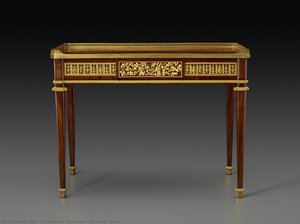
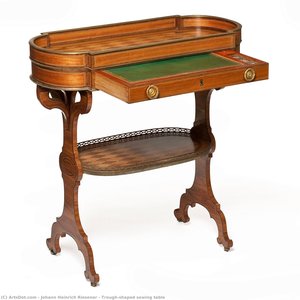
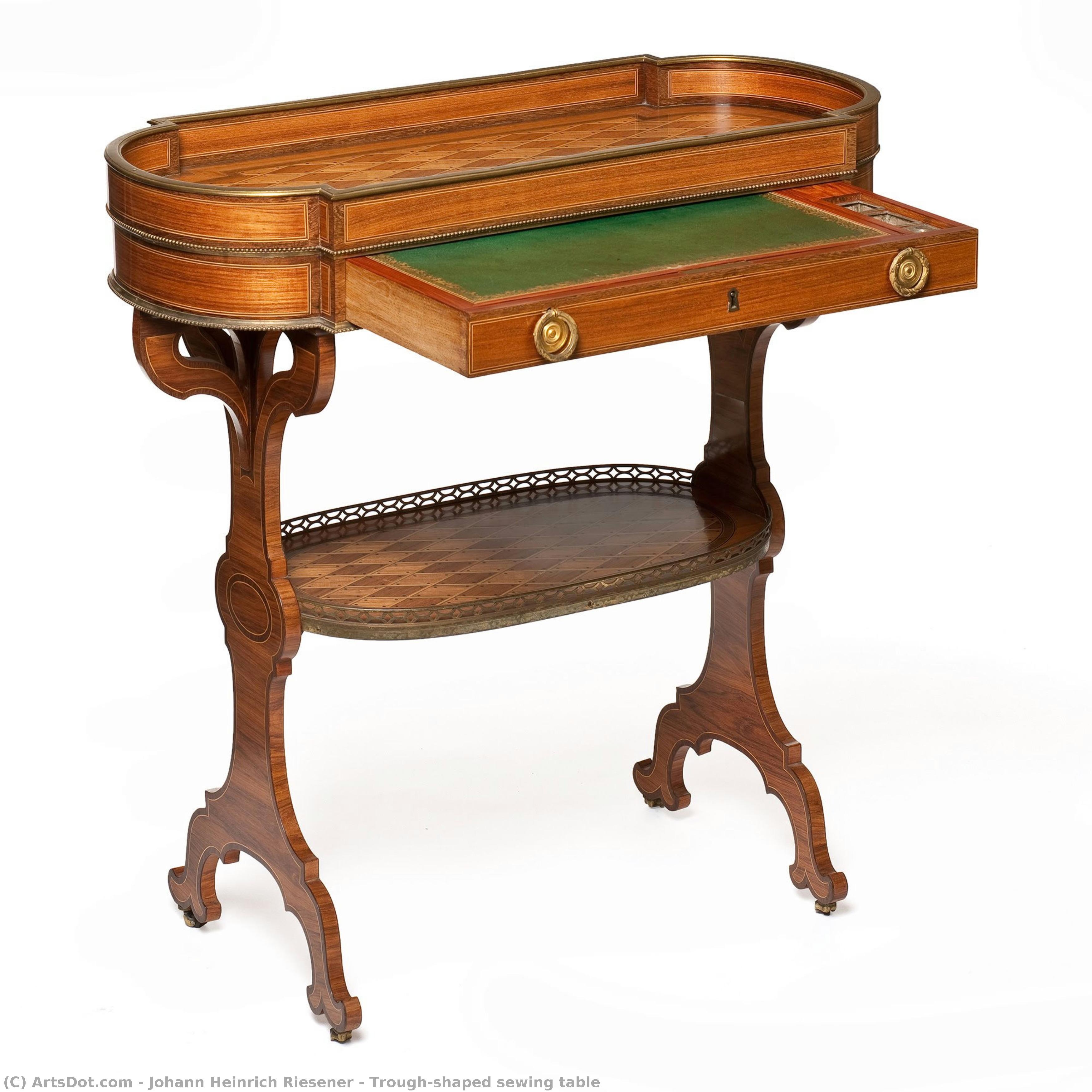
Trough-shaped sewing table


 Read More
Hand Made Oil Reproduction
Hand-painted oil on canvas in your size and frame, made to order by our artists. ( Buy Print Buy Image)




P118B $10

P118H $10

P118W $10

P438Z $10

P508JH $12

P508YH $12

P805H $10

P805Z $10

P919BZ $10

P919G $10

P919XJ $10

P959ZH $10

P968JZ $12

W106C $8

W218G $10

W218JH $8

W218Y $10

W307PJ $10

W316G $10

W316PJ $8

W316Y $10

W398PJ $8

W4111J $10

W500HY $15

W500JH $15

W692G $12

W849H $8

W940BG $15

W953PJ $8




Pick from our preset sizes that match the artwork's original proportions.

You may enter your own dimensions to fit a specific frame or space. If your selected size does not match the original image's proportions, we will either crop the artwork or extend the painting with additional hand-painted elements. A digital mockup will be sent for your approval before production begins.
Please note that the on-screen preview does not reflect the actual cropping or extension. Only the mockup will accurately show the final composition.
While custom sizes are available, we recommend selecting a dimension from the predefined list to preserve the original proportions.
After order, ArtsDot.com team will email client for instructions and provide a mockup preview
Worldwide Delivery () in 3/4 weeks instead of standard 5 weeks. (17 August). No compromise on quality.

Free Worldwide Express Shipping

High-Quality Linen Canvas

Full Shipping Insurance

Customs Tax Refund Guarantee

True Color Matching Guarantee

60-Day Return Policy (Defects Only)

100% Money-Back Guarantee

Bulk Discount Offer
 Glass option is only available in size under 110 CM

Trough-shaped sewing table
Reproduction Medium
Reproduction Size
-


Total Price
$ 263
Artwork Description
A Symphony of Craftsmanship: Jean Henri Riesener’s Trough-shaped Sewing Table
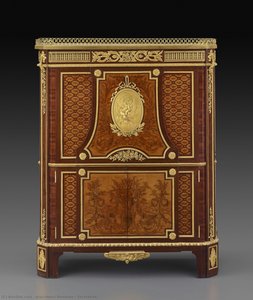
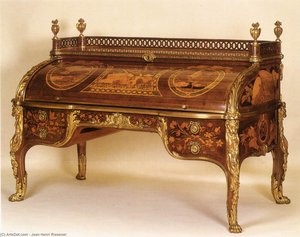
This exquisite trough-shaped sewing table, crafted by Jean Henri Riesener in 1788, stands as a testament to the opulent tastes and meticulous artistry of Louis XVI’s France. More than just functional furniture, it embodies the spirit of the era—a harmonious blend of practicality and decorative splendor designed for the Queen's private sanctuary at Saint-Cloud. The table’s form itself speaks volumes about its purpose: the gently sloping top with raised edges provides ample space for needlework, while a concealed drawer houses a silvered writing tablet, reflecting the dual roles expected of aristocratic women – domestic artistry alongside intellectual pursuits.Technique and Material Palette
Riesener's mastery lies in his masterful application of marquetry and mosaic inlay techniques. The tabletop is adorned with intricate geometric patterns executed in contrasting shades of green and brown, meticulously inlaid into walnut wood. This technique—a hallmark of French aristocratic furniture making—demands painstaking precision and elevates the piece beyond mere utility. Complementing this visual richness are delicately crafted legs connected by an oval lower shelf, further emphasizing the table’s elegant proportions. The use of silvered metal for the writing tablet adds a touch of glamour and sophistication, mirroring the luxurious aesthetic prevalent in Marie Antoinette's court.Historical Context: Saint Cloud and Adam Weisweiller’s Influence
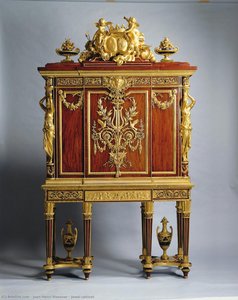
The table’s significance extends beyond its decorative qualities; it represents a pivotal moment in French art history. Riesener collaborated with Adam Weisweiller to create a matching writing desk for Queen Marie Antoinette, demonstrating the interconnectedness of artistic endeavors during this period. This commission underscores the importance of patronage and reflects the prevailing stylistic trends—specifically, the “Italo-English” style championed by artists like Glover—which sought inspiration from classical ideals while embracing naturalistic observation. The meticulous replication of motifs across multiple pieces highlights the desire for visual coherence within aristocratic interiors.Symbolism: Functionality Meets Aesthetic Expression
The trough shape itself is not merely a structural consideration but carries symbolic weight, representing stability and nurturing – qualities deemed desirable in a domestic setting. Similarly, the inclusion of a writing tablet symbolizes intellectual engagement and feminine empowerment, challenging traditional gender roles during the Enlightenment. The mosaic and dotted marquetry patterns symbolize order and harmony—values central to aristocratic culture and reflecting the belief that beauty should elevate both mind and body.Emotional Impact: Capturing Light and Atmosphere
Like Glover’s landscapes, Riesener's trough-shaped sewing table strives to evoke a sense of tranquility and refinement. The careful attention to detail—from the smooth curves of the legs to the subtle sheen of the silvered metal—creates an immersive experience for the viewer. It invites contemplation and transports us back to a time when craftsmanship was revered, and beauty served as a conduit for conveying profound emotional resonance. This piece remains a captivating reminder of France’s artistic zenith and its enduring legacy in decorative arts.Related Artworks
Artist Biography
John Glover: The Painter of English Light
Born in Houghton-on-the-Hill, Leicestershire, in 1767, John Glover’s life and career unfolded across two distinct landscapes – the bustling urbanity of London and the burgeoning pastoral beauty of Van Diemen's Land (later Tasmania). Initially trained as a drawing master, Glover’s artistic talent quickly outstripped his initial ambitions. He transitioned to painting, establishing himself as a significant figure in both the British and, eventually, Australian art scenes. Often dubbed “the English Claude,” Glover’s legacy rests on his masterful depictions of light and atmosphere, particularly within landscapes – a style that profoundly influenced generations of artists to come.
Glover's early career was firmly rooted in London. He became a member of the Old Water Colour Society, a prestigious group dedicated to landscape painting, and later served as its president. His work during this period leaned heavily towards the “Italo-English” style, characterized by idealized views of Italianate scenery – rolling hills, cypress trees, and sun-drenched villas – that were immensely popular with British patrons. These paintings weren’t merely reproductions; Glover imbued them with a sense of romanticism and drama, employing atmospheric perspective and carefully considered compositions to evoke feelings of tranquility and grandeur. He was particularly adept at capturing the fleeting effects of light, earning him the moniker “the English Claude,” a comparison to the celebrated French landscape painter Claude Lorrain, known for his luminous and theatrical depictions of nature.
- Key Influences: Glover’s artistic development was shaped by several key influences. The works of Claude Lorrain provided a foundational understanding of atmospheric perspective and dramatic lighting. He also drew inspiration from the Dutch Masters, particularly their use of color and brushwork to create depth and realism.
- Technique: Glover's technique evolved significantly throughout his career. Initially, he favored a more detailed, almost academic style, meticulously rendering every leaf and stone. However, as he moved to Van Diemen’s Land, his approach became looser and more expressive, prioritizing capturing the essence of light and atmosphere over precise detail.
The Pastoral Pioneer: Life in Van Diemen's Land
In 1835, Glover embarked on a transformative journey to Van Diemen’s Land (now Tasmania), then a frontier colony undergoing rapid expansion. This move marked a pivotal moment in his artistic career and cemented his reputation as the “father of Australian landscape painting.” The starkly different environment – vast open plains, rugged mountains, and eucalyptus forests – presented a new set of challenges and opportunities for an artist accustomed to the refined landscapes of England.
Initially, Glover struggled to find acceptance among the established colonial artists. However, his unique ability to capture the light and atmosphere of the Tasmanian wilderness gradually gained recognition. He began painting scenes of pastoral life – sheep stations, native settlements, and the dramatic coastal scenery – with a keen eye for detail and an understanding of the local environment. His paintings offered a romanticized yet authentic portrayal of colonial Australia, capturing both its beauty and its hardships.
- Subject Matter: Glover’s Tasmanian works shifted dramatically from his earlier Italianate landscapes. He depicted scenes of native life, pastoral settlements, and the rugged coastline – subjects that reflected the realities of colonial existence.
- Style Evolution: His style in Tasmania became looser and more expressive, reflecting the vastness and drama of the landscape. He employed a broken brushstroke technique to convey movement and atmosphere, capturing the essence of the Tasmanian wilderness with remarkable skill.
Symbolism and Narrative in Glover’s Landscapes
Beyond simply depicting scenes from nature, Glover's paintings are rich in symbolism and narrative. His landscapes aren’t merely picturesque views; they are carefully constructed compositions that convey deeper meanings about human experience, the relationship between humanity and nature, and the passage of time. He frequently incorporated classical motifs – ruins, statues, and mythological figures – into his scenes, subtly referencing ancient traditions and adding layers of intellectual depth.
Glover’s use of light is particularly significant in this regard. He masterfully employed chiaroscuro—the dramatic contrast between light and shadow—to create a sense of drama and atmosphere. Light isn't simply illuminating the scene; it’s actively shaping the narrative, guiding the viewer’s eye and evoking specific emotions. For example, in paintings like “Mount Wellington and Hobart Town from Kangaroo Point,” the golden light of dawn bathes the landscape in an ethereal glow, creating a sense of tranquility and beauty.
Key Symbolic Elements:**- Ruins: Often represent the passage of time and the decline of civilizations.
- Statues: Frequently evoke classical mythology and allegorical themes.
- Trees & Foliage: Used to frame scenes, create depth, and symbolize various aspects of nature – growth, decay, and renewal.
Legacy and Historical Significance
John Glover’s impact on the development of landscape painting in both England and Australia is undeniable. His pioneering work in Tasmania established a new tradition of Australian landscape art, inspiring generations of artists to capture the beauty and drama of the continent's wilderness. He demonstrated that landscape could be more than just a pretty picture; it could be a vehicle for exploring complex themes and ideas.
Glover’s influence extends beyond Australia. His innovative use of light, atmosphere, and symbolism paved the way for later artists such as J.M.W. Turner and the Impressionists. He is remembered not only as a skilled painter but also as a visionary who helped to shape the course of art history. His paintings continue to be exhibited and admired today, testament to his enduring legacy as “the father of Australian landscape painting.”
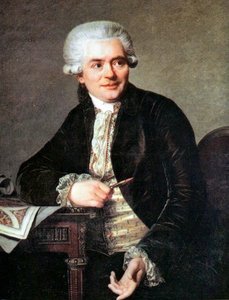
jean henri riesener
1767 - 1828 , Germany
Quick Facts
- Artistic Movement Or Style: Claudean landscape
- Artists Or Movements Influenced By This Artist: ['Impressionists']
- Artists Who Influenced This Artist: ['Claude Lorrain']
- Date Of Birth: 18 February 1767
- Date Of Death: 9 December 1849
- Full Name: John Glover
- Nationality: British
- Notable Artworks:
- Mount Wellington...
- Natives on Ouse...
- A view of his house
- Place Of Birth: Houghton-on-the-Hill, Leicestershire
Related Articles
Charles Le Brun: Master of French Baroque Classicism & His Enduring Legacy
Explore the life & art of Charles Le Brun, master of French Baroque Classicism. Discover his royal commissions, influence on Versailles, and enduring legacy through detailed analysis & stunning artworks.
Anne-Louis Girodet: Bridging Neoclassicism & Romanticism with Emotional Truth
Explore the captivating world of Anne-Louis Girodet, a pivotal figure bridging Neoclassicism & Romanticism. Discover his masterpieces and unique artistic vision with ArtsDot.
Simon Vouet: A Baroque Master's Journey from Italian Influence to French Classicism
Explore the life & art of Simon Vouet, a pivotal French Baroque painter who introduced Italian styles to France. Discover his masterpieces and lasting influence on 17th-century art.
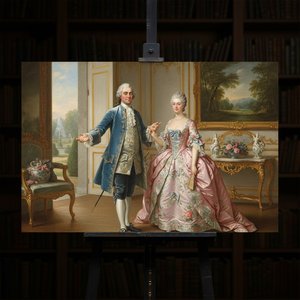
Charles-André van Loo: A Study in Rococo Portraiture & the French Court's Artistic Dynamics
Explore the elegant world of Charles-André van Loo, a master of Rococo portraiture at the French court. Discover his life, techniques, and enduring influence on 18th-century art. Hand-painted reproductions available.

Morris Louis: Pioneering Color Field Painting & Abstract Expressionism's Legacy
Explore the groundbreaking abstract expressionism of Morris Louis, a pioneer of Color Field painting. Discover his innovative techniques, influential series & lasting legacy in post-war American art. Learn more at ArtsDot.