 Preview
 Send
Send Share
Share
 Details

 Download
 Similars
 X-Ray
X-Ray Diaporama
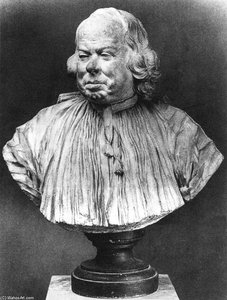
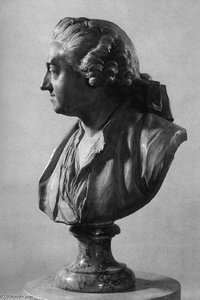
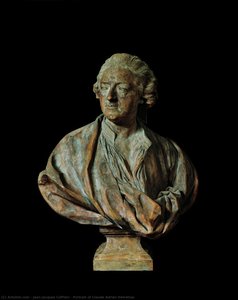
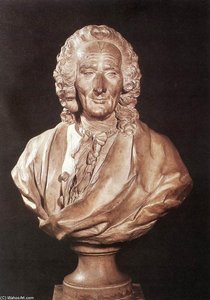
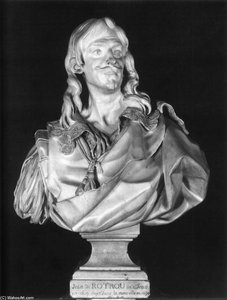
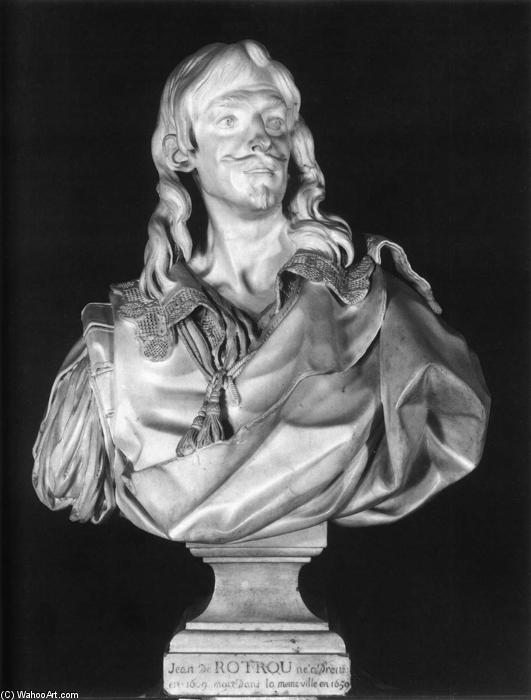
Bust of Jean de Rotrou


 Read More
Hand Made Oil Reproduction
Hand-painted oil on canvas in your size and frame, made to order by our artists. ( Buy Print Buy Image)




P118B $10

P118H $10

P118W $10

P438Z $10

P508JH $12

P508YH $12

P805H $10

P805Z $10

P919BZ $10

P919G $10

P919XJ $10

P959ZH $10

P968JZ $12

W106C $8

W218G $10

W218JH $8

W218Y $10

W307PJ $10

W316G $10

W316PJ $8

W316Y $10

W398PJ $8

W4111J $10

W500HY $15

W500JH $15

W692G $12

W849H $8

W940BG $15

W953PJ $8




Pick from our preset sizes that match the artwork's original proportions.

You may enter your own dimensions to fit a specific frame or space. If your selected size does not match the original image's proportions, we will either crop the artwork or extend the painting with additional hand-painted elements. A digital mockup will be sent for your approval before production begins.
Please note that the on-screen preview does not reflect the actual cropping or extension. Only the mockup will accurately show the final composition.
While custom sizes are available, we recommend selecting a dimension from the predefined list to preserve the original proportions.
After order, ArtsDot.com team will email client for instructions and provide a mockup preview
Worldwide Delivery () in 3/4 weeks instead of standard 5 weeks. (16 August). No compromise on quality.

Free Worldwide Express Shipping

High-Quality Linen Canvas

Full Shipping Insurance

Customs Tax Refund Guarantee

True Color Matching Guarantee

60-Day Return Policy (Defects Only)

100% Money-Back Guarantee

Bulk Discount Offer
 Glass option is only available in size under 110 CM

Bust of Jean de Rotrou
Reproduction Medium
Reproduction Size
-


Total Price
$ 263
Artwork Description
A Portrait of Remembrance: Jean Jacques Caffiéri’s Bust of Jean de Rotrou
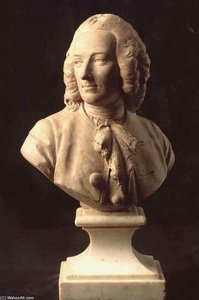
Jean Jacques Caffiéri's sculpture of Jean de Rotrou stands as a testament to the elegance and sophistication of the Rococo period, capturing not merely likeness but also embodying the spirit of commemoration. Executed in 1783, this marble bust exemplifies Caffiéri’s mastery of neoclassical style—a deliberate choice reflecting the artistic sensibilities prevalent during Louis XV's reign at Versailles. The artwork resides within the Musée National Jean-Jacques Henner, nestled in Paris, offering visitors a privileged glimpse into a pivotal moment in French art history.- Subject Matter: The sculpture portrays Jean de Rotrou (1694–1770), a prominent Huguenot diplomat and philosopher who served under Louis XIV and later as ambassador to England during the Seven Years’ War. Caffiéri skillfully rendered Rotrou's face with meticulous detail, capturing subtle expressions indicative of intellect and contemplation—a reflection of his subject’s intellectual pursuits.
- Style: Caffiéri adheres to the neoclassical aesthetic championed by artists like Antonio Canova and Bertel Thorvaldsen, prioritizing anatomical accuracy and idealized beauty. Unlike the exuberant ornamentation characteristic of earlier Baroque sculpture, this piece favors restraint and clarity, emphasizing form over excessive embellishment.
- Technique: Crafted from Carrara marble—renowned for its purity and translucency—the bust demonstrates Caffiéri’s exceptional skill in carving stone. The sculptor employed a combination of chiseling and polishing techniques to achieve a smooth surface finish that subtly captures the nuances of light and shadow, creating an illusion of depth and realism.
- Historical Context: Produced during Louis XV's reign, Caffiéri’s bust aligns with the broader artistic trends of the era—a period marked by a renewed interest in classical ideals and a desire to elevate art as a vehicle for moral instruction. The sculpture reflects the aristocratic patronage system prevalent at Versailles, where artists like Caffiéri were commissioned to create portraits celebrating influential figures.
- Symbolism: Beyond mere representation, the bust symbolizes remembrance—a tribute to Rotrou’s legacy as a diplomat and thinker who championed religious tolerance and intellectual freedom. The sculpture's solemn posture conveys dignity and seriousness, inviting contemplation on themes of honor and virtue.
The image itself – available at https://www.wga.hu/html_m/c/caffieri/jeanjacq/rotrou.html – showcases Caffiéri’s dedication to capturing the essence of his subject through masterful modeling and shading. The dramatic lighting accentuates Rotrou's facial features, highlighting the sculptor’s ability to convey emotion and psychological complexity. It is a piece that speaks volumes about its time—a timeless portrait embodying both artistic excellence and intellectual reverence.
Further exploration into Jean Jacques Caffiéri’s oeuvre reveals his contributions to French sculpture alongside fellow artists like Jean-Jacques Lagrenée (the younger) and Le Barbier, cementing his place as a cornerstone of Rococo artistry. His work continues to inspire admiration for its elegance and technical prowess.
Related Artworks
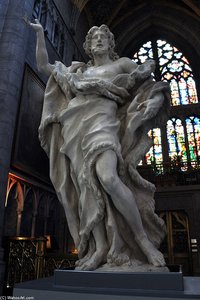
Artist Biography
Jean Jacques Caffiéri: A Rococo Sculptor at the Court of Louis XV
Jean Jacques Caffiéri (1678-1755) stands as a pivotal figure in French sculpture during the Rococo period, embodying the opulent aesthetic and masterful craftsmanship that defined the era. Born in Paris to Philippe Caffiéri, a prominent foundryman who established a lineage dedicated to metalworking artistry, Caffiéri’s artistic journey began within a family steeped in tradition—a heritage profoundly shaped by Italian influences. His early training under his father cemented his foundational skills as a fondeur-ciseleur (caster and finisher), granting him access to the prestigious Guilds of Paris that oversaw monumental sculptural projects alongside intricate decorative metalwork. This formative experience instilled in him an unparalleled understanding of technique and material manipulation, qualities that would characterize his entire oeuvre.- Early Life & Training: Caffiéri’s upbringing within a family renowned for its artistic prowess ensured he received comprehensive instruction in the art of bronze casting and finishing—skills honed under the watchful eye of Philippe Caffiéri himself.
- Guild Recognition & Initial Commissions: By 1715, Caffiéri achieved maître fondeur-ciseleur status, marking his debut as a sculptor with a commission for the Corporation des Fondeurs-Ciseleurs—a testament to his burgeoning reputation and the esteem held by Parisian artisans.
The Caffieri Family’s Legacy: Bronze Sculpture & Decorative Arts
The Caffiéri family's contribution to French sculpture is undeniable, largely attributed to Jacques Caffiéri’s son, Philippe Caffiéri (1714–1777). Together they formed a formidable artistic duo, particularly active in the service of Louis XV. Their workshop in Rue des Canettes produced an astonishing volume of work—primarily gilt-bronze furniture mounts and decorative objects—that adorned residences across Paris and elevated the standards of Rococo craftsmanship. Notably, Caffiéri’s designs for Versailles, Fontainebleau, Marly, Compiegne, and Choisy exemplify the grandeur and elegance synonymous with Louis XV's court. The Château de la Muette retains a remarkable testament to their collaborative spirit—the gilded bronze chimney-piece remains an exemplar of Rococo style, characterized by dynamic movement and graceful ornamentation executed with exceptional skill.- Versailles Projects: Caffiéri’s involvement in the decoration of Versailles solidified his reputation as a sculptor of distinction, contributing significantly to the palace's opulent aesthetic.
- Collaboration with Philippe Caffiéri: The partnership between Jacques and Philippe Caffiéri fostered innovation and elevated the quality of decorative arts during their time.
Royal Patronage & Artistic Achievements
Caffiéri’s dedication to royal service extended beyond architectural embellishments; he undertook numerous commissions for Louis XV, producing portraits and sculptures that captured the spirit of the era. His work gained considerable acclaim during his lifetime, securing him a place among France's most celebrated sculptors. The Wallace Collection houses Caffiéri’s masterpiece—the Royal Commode delivered by Antoine-Robert Gaudreau in 1739 for Louis XV’s bedchamber at Versailles—a stunning example of Rococo design and craftsmanship. Its intricate gilt bronze decorations continue to inspire admiration for their beauty and technical virtuosity.- Wallace Collection Commission: Caffiéri's Royal Commode exemplifies the pinnacle of Rococo artistry, showcasing exceptional skill in metalworking and decorative arts.
- Notable Portraits: Caffiéri’s portraits demonstrate his ability to convey psychological depth and elegance—characteristics that define his artistic legacy.
Influence & Historical Significance
Jean Jacques Caffiéri's influence on subsequent generations of sculptors is considerable, establishing him as a cornerstone of Rococo art history. His meticulous attention to detail, combined with his mastery of bronze casting techniques—inherited from his father—established a tradition that endured for decades after his death in 1755. Caffiéri’s work serves as an enduring symbol of French artistic excellence during the Enlightenment, reflecting the period's fascination with naturalism and refined ornamentation. His legacy continues to inspire artists today, cementing his place among France’s most revered sculptors.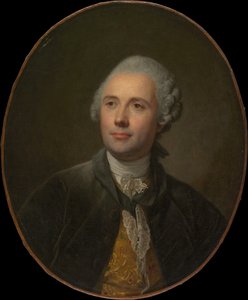
jean jacques caffiéri
1678 - 1755 , France
Quick Facts
- Artistic Movement Or Style: Rococo
- Artists Or Movements Influenced By This Artist: ['Rococo']
- Artists Who Influenced This Artist: ['Philippe Caffieri']
- Date Of Birth: Paris, France (1678)
- Date Of Death: 1755
- Full Name: Jean Jacques Caffiéri
- Nationality: French
- Notable Artworks:
- Royal Commode
- Chimneypiece Decoration
- Portrait of Claude Adrien Helvétius
- Bust of Jean de Rotrou
- Place Of Birth: Paris
Related Articles
18th Century Masters: 10 Artworks That Define an Era | ArtsDot
Journey through 18th century art! Explore 10 iconic paintings – from Rococo elegance to Neoclassical grandeur. Discover Fragonard, David & more. Find museum-quality reproductions and elevate your home decor on ArtsDot.com.
The Rococo Style: Aristocratic Leisure & the Pursuit of Delight in 18th-Century Art
Explore the opulent world of Rococo art! Discover Watteau, Boucher & Nattier's masterpieces. Expert insights for collectors seeking museum-quality reproductions and custom portraits at ArtsDot.

The Rococo Aesthetic: Opulence, Rebellion & the Pursuit of Pleasure in 18th-Century Art
Explore the opulent world of Rococo art! Discover its origins, key artists like Watteau & Boucher, and lasting influence on design. Expert insights for collectors & enthusiasts.
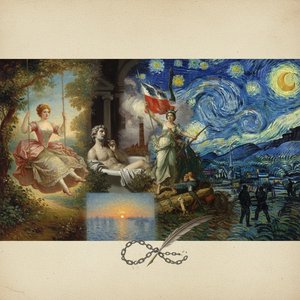
The Enduring Legacy of 18th & 19th Century Art: Movements, Masters & Societal Reflections
Explore the rich history of 18th & 19th-century art! Discover Romanticism, Realism, and iconic masters like Delacroix & Courbet. Expert insights & high-quality reproductions at ArtsDot.
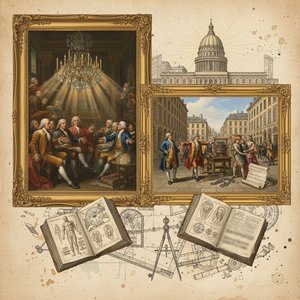
Illuminating the Enlightenment: Art & Sociopolitical Context of the 18th Century
Explore the art of the Enlightenment! Discover Rococo's elegance, Neoclassicism’s virtue, & David’s revolutionary masterpieces. Uncover the sociopolitical context shaping 18th-century European painting.