 Preview
 Send
Send Share
Share
 Details

 Download
 Similars
 X-Ray
X-Ray Diaporama
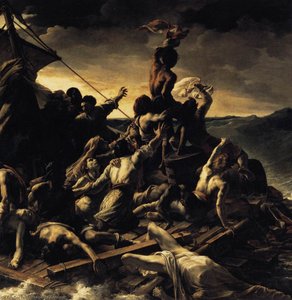
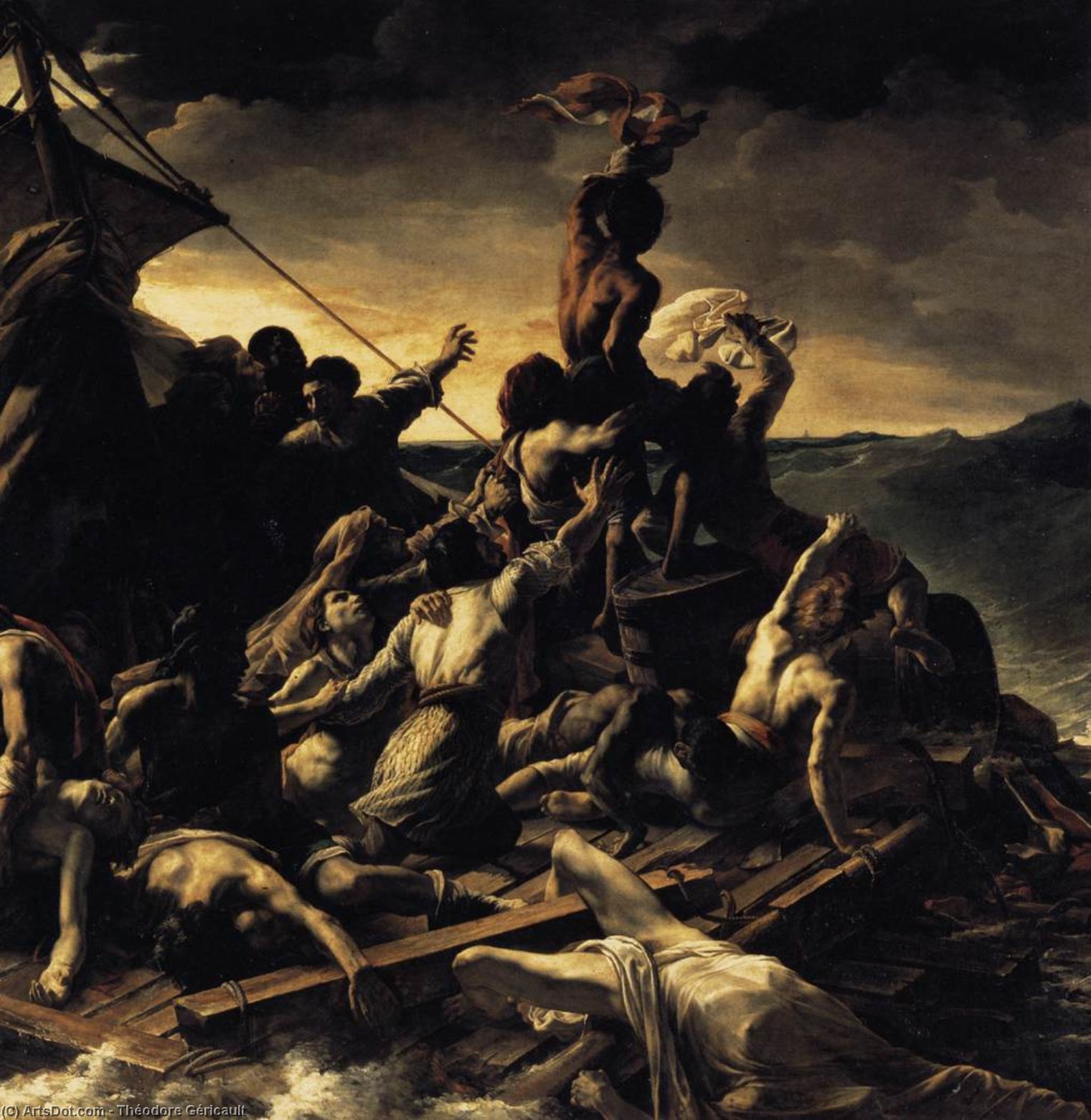
The Raft of the Medusa (detail)


 Read More
Hand Made Oil Reproduction
Hand-painted oil on canvas in your size and frame, made to order by our artists. ( Buy Print Buy Image)




P118B $10

P118H $10

P118W $10

P438Z $10

P508JH $12

P508YH $12

P805H $10

P805Z $10

P919BZ $10

P919G $10

P919XJ $10

P959ZH $10

P968JZ $12

W106C $8

W218G $10

W218JH $8

W218Y $10

W307PJ $10

W316G $10

W316PJ $8

W316Y $10

W398PJ $8

W4111J $10

W500HY $15

W500JH $15

W692G $12

W849H $8

W940BG $15

W953PJ $8




Pick from our preset sizes that match the artwork's original proportions.

You may enter your own dimensions to fit a specific frame or space. If your selected size does not match the original image's proportions, we will either crop the artwork or extend the painting with additional hand-painted elements. A digital mockup will be sent for your approval before production begins.
Please note that the on-screen preview does not reflect the actual cropping or extension. Only the mockup will accurately show the final composition.
While custom sizes are available, we recommend selecting a dimension from the predefined list to preserve the original proportions.
After order, ArtsDot.com team will email client for instructions and provide a mockup preview
Worldwide Delivery () in 3/4 weeks instead of standard 5 weeks. (16 August). No compromise on quality.

Free Worldwide Express Shipping

High-Quality Linen Canvas

Full Shipping Insurance

Customs Tax Refund Guarantee

True Color Matching Guarantee

60-Day Return Policy (Defects Only)

100% Money-Back Guarantee

Bulk Discount Offer
 Glass option is only available in size under 110 CM

The Raft of the Medusa (detail)
Reproduction Medium
Reproduction Size
-


Total Price
$ 388
Artwork Description
A Descent Into Despair: Géricault’s “The Raft of the Medusa” – A Study in Romantic Trauma
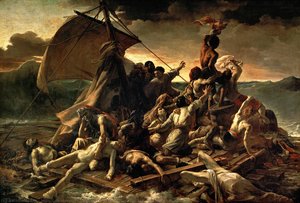
Jean-Louis André Théodore Géricault's "The Raft of the Medusa," a monumental detail from his 1818 painting, isn’t merely a depiction of shipwreck; it’s a visceral plunge into the depths of human suffering and political indictment. The scene, rendered with a dramatic intensity characteristic of Romanticism, captures the harrowing aftermath of the French frigate *Medusa*'s wreck off the coast of Mauritania in 1816. This disaster, largely attributed to the incompetence and negligence of Captain Chaumey, became a national scandal, exposing corruption within the restored Bourbon monarchy and fueling public outrage. Géricault, deeply affected by the tragedy, meticulously researched every aspect of the event – interviewing survivors, studying corpses at hospitals, and even constructing a scale model of the raft itself – to ensure an unflinching portrayal of its horrors.
The Baroque Grip of Caravaggio: Light, Shadow, and Dramatic Composition
Géricault’s artistic choices immediately evoke the influence of Caravaggio. The painting is dominated by a stark chiaroscuro – a dramatic interplay of light and shadow – that sculpts the figures and amplifies their emotional states. The central group, illuminated by an unseen source, stands in sharp relief against the encroaching darkness, symbolizing hope amidst despair. Notice how Géricault uses this technique to draw our eye to the figure gesturing towards the horizon, a beacon of potential rescue, while simultaneously highlighting the bodies sprawled across the raft, consumed by exhaustion and grief. The composition itself is deliberately unsettling; it’s a tightly packed tableau of suffering, creating a claustrophobic atmosphere that mirrors the survivors' predicament. The flattened perspective, eschewing traditional spatial depth, forces the viewer to confront the immediacy of their plight.
Symbolism Woven into the Fabric of Suffering
Beyond its immediate depiction of shipwreck, “The Raft of the Medusa” is rich in symbolic meaning. The storm-tossed sea represents not just a natural disaster but also the turbulent political climate of post-Napoleonic France. The raft itself becomes a metaphor for the nation adrift, abandoned by its leadership. The diverse group of survivors – young and old, black and white – embodies the universality of suffering and the shared vulnerability of humanity. Even the corpses strewn across the planks carry symbolic weight; they represent the ultimate sacrifice, the price paid for incompetence and corruption. The figure waving a cloth, often interpreted as a desperate plea for help, can also be seen as an emblem of futile hope against overwhelming odds.
Technique and Texture: A Masterclass in Oil Painting
Géricault’s technical mastery is evident in every brushstroke. The painting is executed in oil on canvas with a remarkable attention to detail, particularly in the rendering of textures. The wetness of the clothing clinging to the bodies, the roughness of the wood, and the turbulent foam of the waves are all meticulously portrayed. Géricault’s use of color – dominated by dark browns, ochres, and muted reds – creates a somber and intensely dramatic atmosphere. The smooth blending of colors suggests a deliberate attempt to capture the fleeting moments of despair and resilience. The artist's skillful manipulation of light and shadow not only enhances the drama but also contributes significantly to the painting’s emotional impact, drawing the viewer into the heart of this tragic narrative.
A reproduction of “The Raft of the Medusa” offers a powerful window into a pivotal moment in French history and a profound meditation on human suffering. ArtsDot's hand-painted reproductions capture the painting’s raw emotion and technical brilliance, allowing you to experience this iconic masterpiece in stunning detail.
Related Artworks






Artist Biography
A Life Forged in Romantic Fire
Jean-Louis André Théodore Géricault, a name that resonates with the burgeoning spirit of French Romanticism, was born into a world poised on the brink of dramatic change. Arriving in Rouen, France, in 1791, his early life unfolded amidst the echoes of revolution and the rising tide of Napoleonic ambition. Though inheriting a comfortable existence through his family’s legal and business ventures – including a tobacco enterprise – Géricault's destiny lay not in law or commerce but within the realm of artistic expression. His initial training under Carle Vernet, a master of English sporting art, instilled in him a keen eye for anatomy and movement, particularly evident in his depictions of horses. However, it was his subsequent studies with Pierre-Narcisse Guérin that provided a foundation in classical composition, though Géricault’s restless spirit soon led him to seek knowledge independently within the hallowed halls of the Louvre.
The Louvre as Academy: A Dialogue with Masters
From 1810 to 1815, the Louvre became Géricault's true academy. He immersed himself in the works of the Old Masters – Rubens, Titian, Velázquez, and Rembrandt – not merely copying their techniques but engaging in a profound dialogue with their artistic philosophies. This period was crucial in shaping his distinctive style, characterized by dramatic chiaroscuro, dynamic compositions, and an intense emotionality that set him apart from his contemporaries. He wasn’t simply replicating; he was absorbing the essence of these masters, internalizing their approaches to light, shadow, and human form. This self-directed education fostered a unique artistic voice, one that would soon challenge the prevailing Neoclassical conventions. His early works, like The Charging Chasseur (1812), already hinted at this emerging sensibility, showcasing a boldness of execution and a fascination with movement reminiscent of Rubens’ energetic canvases. He continued to explore equestrian themes, honing his skills in depicting the power and grace of horses – a subject that would remain a recurring motif throughout his career.
The Raft of the Medusa: A Monument to Human Suffering
Géricault's name is inextricably linked with The Raft of the Medusa (1818-1819), a monumental canvas that transcends mere historical depiction and becomes a searing indictment of human fallibility and societal injustice. Inspired by the harrowing true story of the shipwreck of the French frigate Méduse in 1816, where negligence and incompetence led to unimaginable suffering for its passengers, the painting is a visceral portrayal of desperation, hope, and despair. Géricault undertook meticulous research, interviewing survivors, studying corpses at hospitals, and even constructing a scale model of the raft itself to ensure accuracy. The resulting work is not simply a depiction of tragedy; it’s an immersive experience that confronts viewers with the raw reality of human suffering. The composition, built around two pyramidal structures – one representing despair and death, the other embodying hope and potential rescue – creates a dynamic tension that draws the eye across the canvas. The Raft of the Medusa was controversial upon its exhibition at the Salon of 1819, sparking political debate and solidifying Géricault’s reputation as a daring and unconventional artist. The painting's impact extended beyond the art world, becoming a symbol of governmental incompetence and human resilience in the face of unimaginable hardship.
Beyond Tragedy: Military Themes and Artistic Legacy
While The Raft of the Medusa remains his most celebrated achievement, Géricault's artistic output extended beyond this singular masterpiece. He continually returned to military themes, evident in works like Wounded Cuirassier (1814) and The Derby of Epsom (1821), demonstrating a fascination with drama and expressive force. These paintings reveal his continued exploration of human emotion under duress, often focusing on the physical and psychological toll of conflict. He also ventured into portraiture and lithography, further expanding his artistic repertoire. Sadly, Géricault’s life was cut short by illness at the age of 32 in 1824, following years of suffering from riding accidents and a chronic tubercular infection. His premature death robbed the art world of a prodigious talent, but his influence on subsequent generations of artists – particularly Eugène Delacroix – was profound. He is remembered as a pioneer of Romanticism, an artist who dared to confront difficult truths and imbue his work with a powerful emotional resonance that continues to captivate audiences today. His bronze figure reclines, brush in hand, on his tomb at Père Lachaise Cemetery in Paris, above a low-relief panel depicting the harrowing scene from The Raft of the Medusa, a fitting tribute to an artist who dedicated his life to capturing the complexities and contradictions of the human condition.
Key Characteristics & Influences
- Romanticism: Géricault is considered one of the first French Romantic painters, moving away from Neoclassical ideals towards emotional intensity and dramatic expression.
- Dramatic Composition: His paintings are known for their dynamic compositions, often utilizing diagonal lines and contrasting light and shadow to create a sense of movement and tension.
- Realism & Research: Géricault was committed to realism, conducting extensive research – including studying corpses and interviewing survivors – to ensure the accuracy and emotional impact of his work.
- Influence of Old Masters: He drew inspiration from Baroque masters like Rubens, Titian, and Velázquez, adopting their techniques for dramatic lighting and expressive brushwork.
- Focus on Human Suffering: His art often depicts scenes of tragedy, despair, and the darker aspects of human experience, reflecting a Romantic fascination with intense emotions.

Théodore Géricault
1791 - 1824 , France
Quick Facts
- Artistic Movement Or Style: Romanticism
- Artists Or Movements Influenced By This Artist: ['Eugène Delacroix']
- Artists Who Influenced This Artist:
- Rubens
- Titian
- Velázquez
- Rembrandt
- Date Of Birth: 1791
- Date Of Death: 1824
- Full Name: Jean-Louis André Théodore Géricault
- Nationality: French
- Notable Artworks:
- Raft of the Medusa
- Wounded Cuirassier
- The Derby of Epsom
- Place Of Birth: Rouen, France
Related Articles

19th Century Masterpieces: 10 Paintings That Defined an Era | ArtsDot
Journey through 19th century art with ArtsDot! Explore 10 iconic paintings – from Monet & Renoir to Courbet – and discover the stories behind Romanticism, Realism & Impressionism. Find museum-quality reproductions for your home decor. Explore the full collection online!

Émile Jean Horace Vernet: Romantic Realism & Depicting 19th-Century Life
Explore the life & art of Émile Jean Horace Vernet, a master of Romantic Realism. Discover his captivating battle scenes, portraits, and Orientalist works – a window into 19th-century France. Learn about his techniques & enduring legacy.

Paul Huet: Capturing the Essence of French Romanticism Through Light and Landscape
Explore the captivating world of Paul Huet (1803-1869), a master of French Romantic landscape painting. Discover his influence on Barbizon & Impressionism, and browse high-quality reproductions at ArtsDot.

The Enduring Legacy of 18th & 19th Century Art: Movements, Masters & Societal Reflections
Explore the rich history of 18th & 19th-century art! Discover Romanticism, Realism, and iconic masters like Delacroix & Courbet. Expert insights & high-quality reproductions at ArtsDot.

Echoes of Revolution & Romanticism: Navigating 19th-Century Art Styles
Explore the diverse world of 19th-century art! From Realism's rebellion to Impressionism’s light and beyond, discover key movements, artists & collecting tips. Expert insights for classic enthusiasts.