 Preview
 Send
Send Share
Share
 Details

 Download
 Similars
 X-Ray
X-Ray Diaporama
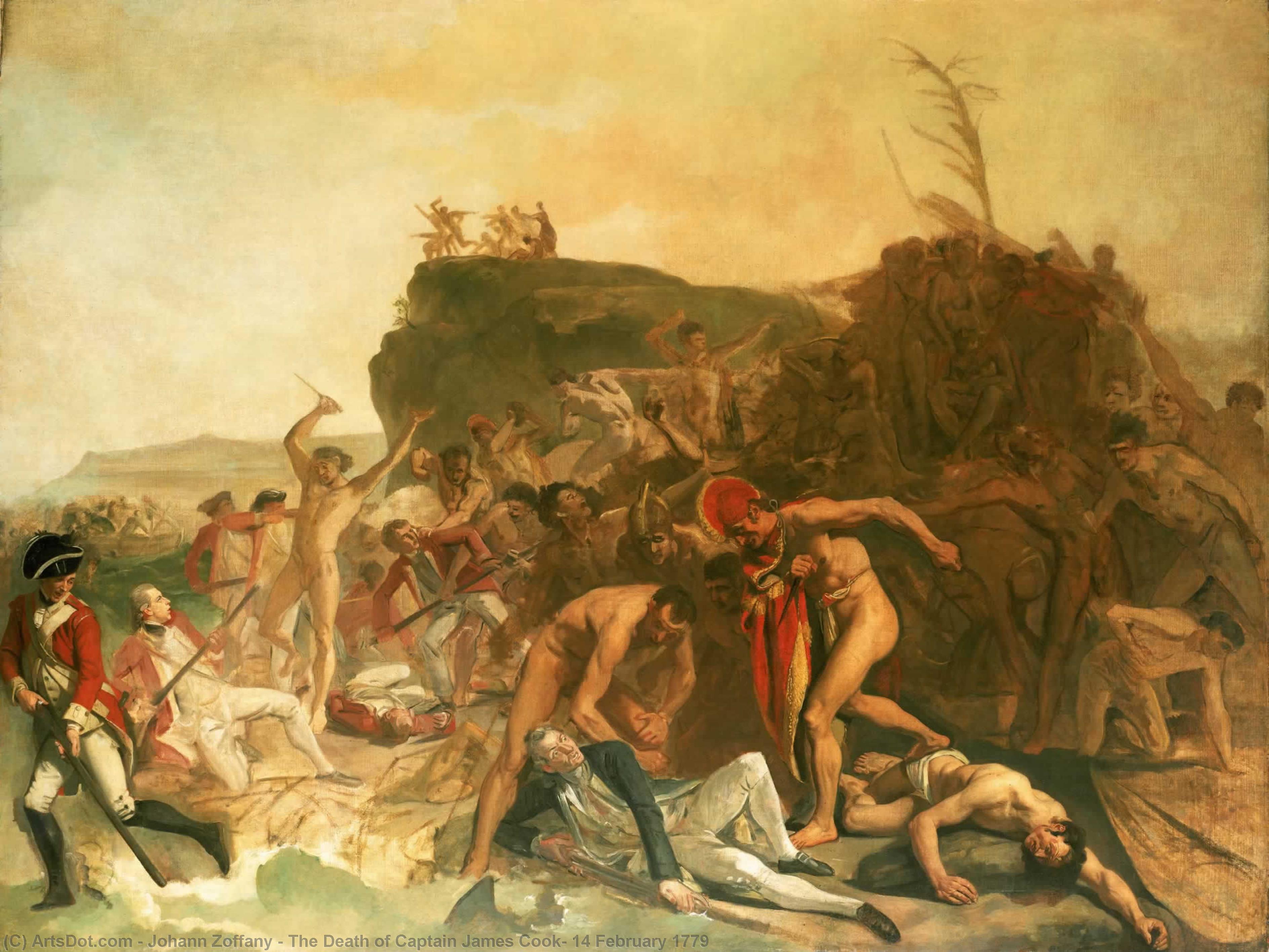
The Death of Captain James Cook, 14 February 1779
 Oil
Oil- WallArt
- Rococo
 1795
1795- Early Modern
 137.0 x 183.0 cm
 Read More
Hand Made Oil Reproduction
Hand-painted oil on canvas in your size and frame, made to order by our artists. ( Buy Print Buy Image)




P118B $10

P118H $10

P118W $10

P438Z $10

P508JH $12

P508YH $12

P805H $10

P805Z $10

P919BZ $10

P919G $10

P919XJ $10

P959ZH $10

P968JZ $12

W106C $8

W218G $10

W218JH $8

W218Y $10

W307PJ $10

W316G $10

W316PJ $8

W316Y $10

W398PJ $8

W4111J $10

W500HY $15

W500JH $15

W692G $12

W849H $8

W940BG $15

W953PJ $8




Pick from our preset sizes that match the artwork's original proportions.

You may enter your own dimensions to fit a specific frame or space. If your selected size does not match the original image's proportions, we will either crop the artwork or extend the painting with additional hand-painted elements. A digital mockup will be sent for your approval before production begins.
Please note that the on-screen preview does not reflect the actual cropping or extension. Only the mockup will accurately show the final composition.
While custom sizes are available, we recommend selecting a dimension from the predefined list to preserve the original proportions.
After order, ArtsDot.com team will email client for instructions and provide a mockup preview
Worldwide Delivery () in 3/4 weeks instead of standard 5 weeks. (16 August). No compromise on quality.

Free Worldwide Express Shipping

High-Quality Linen Canvas

Full Shipping Insurance

Customs Tax Refund Guarantee

True Color Matching Guarantee

60-Day Return Policy (Defects Only)

100% Money-Back Guarantee

Bulk Discount Offer
 Glass option is only available in size under 110 CM

The Death of Captain James Cook, 14 February 1779
Reproduction Medium
Reproduction Size
-


Total Price
$ 263
Artwork Description
A Moment Frozen in Tragedy: The Death of Captain James Cook
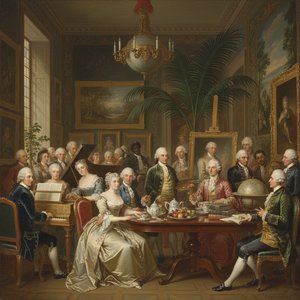
In the grand tapestry of maritime history, few moments resonate with as much profound sorrow and chaotic tension as the demise of Captain James Cook. Johann Zoffany’s 1795 masterpiece, The Death of Captain James Cook, 14 February 1779, serves as a haunting window into this pivotal historical catastrophe. The canvas captures the precise, agonizing instant when the legendary explorer’s life ebbs away amidst the shores of Kealakekua Bay. Zoffany does not merely document an event; he orchestrates a theatrical tragedy, surrounding the fallen captain with a sea of humanity caught in various states of shock, mourning, and violent confrontation.
The composition is a masterclass in narrative density. As the eye wanders through the crowded scene, one encounters at least thirteen distinct figures, each contributing to the overwhelming atmosphere of tumult. Some individuals are frozen in gestures of grief, their hands raised toward the heavens or pressed against their faces, while others brandish weapons, reminding the viewer of the sudden eruption of violence that claimed Cook's life. The interplay between the standing figures and those kneeling in reverence creates a rhythmic, almost sculptural quality to the crowd, drawing the spectator into the very heart of the skirmish.
Mastery of Light and Historical Grandeur
Zoffany, an artist celebrated for his ability to capture the elegance of British society, pivots here toward a much more visceral and somber palette. The technique employed in this work reflects a sophisticated command of light and shadow, reminiscent of the dramatic chiaroscuro used to heighten emotional stakes. The lighting seems to focus intensely on the central figure of Cook, casting a tragic glow upon his pale form, which contrasts sharply with the darker, more turbulent surroundings of the gathered multitude. This deliberate use of light directs the viewer's gaze toward the focal point of the tragedy, ensuring that the loss of leadership is felt immediately.
The stylistic elements of the painting suggest a bridge between the refined Rococo traditions Zoffany mastered and the burgeoning Romantic interest in historical drama and raw human emotion. The clothing of the figures—a complex blend of European naval attire and local textures—serves as a visual testament to the collision of two vastly different worlds. For the discerning collector or interior designer, this piece offers more than just a historical record; it provides a profound sense of gravitas. A high-quality reproduction of this work brings an intellectual depth and a storied, epic quality to any space, acting as a conversation piece that invites contemplation on the costs of exploration and the fragility of human endeavor.
An Emotional Legacy for the Modern Collector
To possess or display a reproduction of this painting is to invite a sense of historical weight into one's environment. The emotional impact of the work lies in its ability to evoke empathy; one cannot look upon the slumped form of Cook without feeling the heavy silence that follows a sudden storm. It is a painting of profound transitions—the end of an era, the death of a hero, and the collision of cultures. For those seeking to curate a collection defined by narrative power and historical significance, Zoffany’s depiction of this fateful February day remains an unparalleled choice, offering a timeless window into one of the most significant maritime tragedies in human history.
Related Artworks
Artist Biography
Johann Zoffany: Life and Legacy
Early Life and Training
Johann Zoffany, born Johannes Josephus Zaufallij in 1733 in Freiburg, Germany, was a painter who achieved renown primarily in England and Italy. Details of his early childhood remain scarce, but it is known he received artistic training from a young age. He initially apprenticed with a sculptor, possibly Melchior Paulus in Ellwangen, before studying with Martin Speer in Regensburg. This foundational period laid the groundwork for his future career.
Journey to Italy and England
In 1750, Zoffany traveled to Rome, entering the studio of Agostino Masucci where he honed his skills within the Italian artistic tradition. He later moved to England in 1760, initially supporting himself by creating decorative designs for clocks made by Stephen Rimbault. This period marked a turning point as he began to establish connections and gain recognition within London’s art scene.
Royal Patronage and Artistic Development
Zoffany quickly attracted the attention of King George III and Queen Charlotte, becoming a favored portraitist of the royal family. His ability to capture informal moments – such as Queen Charlotte and Her Two Eldest Children (1765) – distinguished him from more formal court painters. He was also popular with Austrian imperial family and created a baron of the Holy Roman Empire in 1776 by Empress Maria Theresa.
The Master of ‘Conversation Pieces’
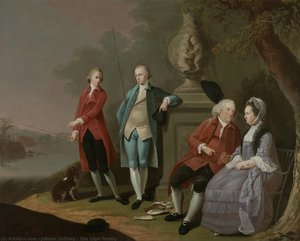
Zoffany became celebrated for his “conversation pieces,” or *conversazione* – informal group portraits depicting social gatherings. He excelled at capturing the personalities and interactions within these scenes, often featuring prominent figures from society, theatre, and literature. His works like The Cope Family (1775) exemplify this style, offering glimpses into the lives of his patrons.
Major Achievements and Notable Works
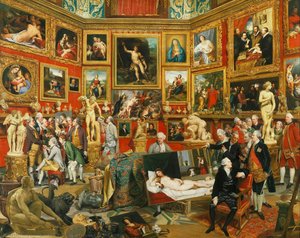
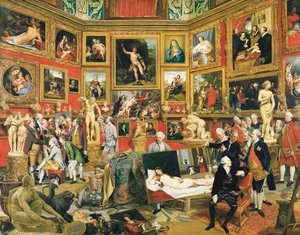
- Tribuna of the Uffizi (1772-1778): Perhaps his most famous work, a meticulously detailed depiction of the Uffizi Gallery in Florence.
- Dr William Hunter Teaching Anatomy at the Royal Academy (1779): A fascinating portrayal of medical education and scientific inquiry.
- George III (1771): A regal portrait showcasing the King’s power and elegance.
- Colonel Mordaunt's Cock Match (1784-1786): A vibrant depiction of colonial life in India, capturing a unique cultural event.
Years in India and Later Life
From 1783 to 1789, Zoffany resided in India, where he painted portraits of prominent figures like Warren Hastings and Asaf-ud-Daula. His experiences there influenced his artistic style and subject matter. A remarkable story from this period involves a shipwreck off the Andaman Islands, where survivors resorted to extreme measures for survival.
Influences and Legacy
Zoffany’s work reflects influences from both German precision and Italian artistry. He was influenced by artists like Agostino Masucci and drew inspiration from the Baroque tradition. His style, in turn, influenced contemporaries and later artists interested in portraiture and social commentary. He bridged artistic traditions and left a lasting impact on 18th-century art.
Historical Significance
Johann Zoffany’s paintings provide valuable insights into the social customs, intellectual life, and cultural values of his time. His “conversation pieces” offer intimate portraits of prominent individuals and their world, while his depictions of India contribute to our understanding of colonial history. He remains a significant figure in the history of art, celebrated for his technical skill, insightful observations, and unique artistic vision.
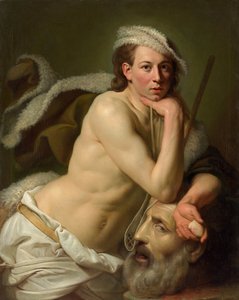
johann zoffany
1733 - 1810 , Germany
Quick Facts
- Birth Date: 1733
- Birth Place: Frankfurt, Germany
- Death Date: 1810
- Movement:
- Neoclassicism
- Realism
- Expressionism
- Name: Johann Zoffany
- Nationality: German
- Notable Works:
- Tribuna of the Uffizi
- Dr William Hunter Teaching Anatomy at the Royal Academy
- George III
- The Flower Girl
- Colonel Mordaunt's Cock Match
Related Articles
Somber Masterpieces: 10 Artworks That Stir the Soul |
Delve into 10 somber masterpieces by Rembrandt, Munch & Van Gogh. Explore emotional art history, dark palettes & powerful expression. Find museum-quality reproductions & curated wall decor ideas at . Discover all masterpieces online.
Francis Ferdinand Maurice Cook: A Study in Victorian Aestheticism & Landscape Evolution
Explore the captivating art of Sir Francis Ferdinand Maurice Cook – a British artist bridging Victorian traditions & Aestheticism. Discover his landscapes, collection history, and unique style. Expert analysis for collectors.
18th Century Masters: 10 Artworks That Define an Era | ArtsDot
Journey through 18th century art! Explore 10 iconic paintings – from Rococo elegance to Neoclassical grandeur. Discover Fragonard, David & more. Find museum-quality reproductions and elevate your home decor on ArtsDot.com.
Howard Cook: American Regionalism's Pursuit of Artistic Authenticity
Explore the life & art of Howard Cook, a pivotal figure in American Regionalism. Discover his stunning woodcuts, New Deal murals, and evolution from Expressionism – a deep dive for art enthusiasts.
Johann Zoffany: Capturing Georgian Society with Brushstrokes of Cosmopolitan Flair
Explore the captivating world of Johann Zoffany, master portraitist of Georgian society. Discover his unique 'conversation pieces,' imperial commissions & lasting legacy. A guide for discerning collectors.