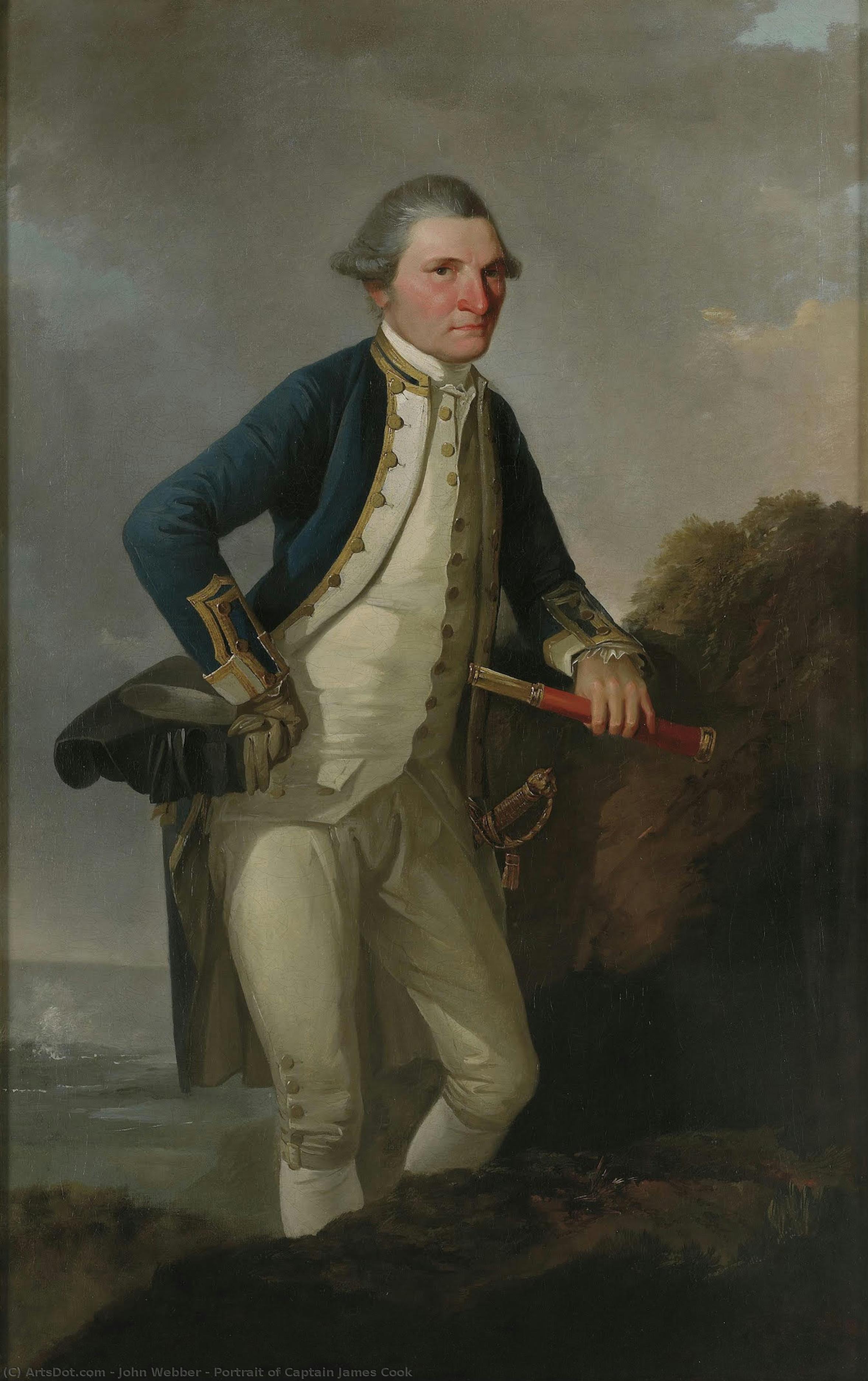
 Preview
 Send
Send Share
Share
 Details

 Download
 Similars
 X-Ray
X-Ray Diaporama
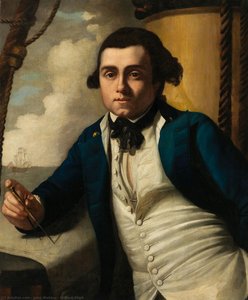
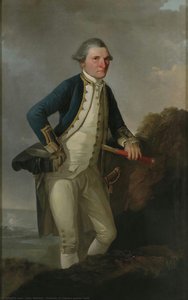
Portrait of Captain James Cook


 Read More
Hand Made Oil Reproduction
Hand-painted oil on canvas in your size and frame, made to order by our artists. ( Buy Print Buy Image)




P118B $10

P118H $10

P118W $10

P438Z $10

P508JH $12

P508YH $12

P805H $10

P805Z $10

P919BZ $10

P919G $10

P919XJ $10

P959ZH $10

P968JZ $12

W106C $8

W218G $10

W218JH $8

W218Y $10

W307PJ $10

W316G $10

W316PJ $8

W316Y $10

W398PJ $8

W4111J $10

W500HY $15

W500JH $15

W692G $12

W849H $8

W940BG $15

W953PJ $8




Pick from our preset sizes that match the artwork's original proportions.

You may enter your own dimensions to fit a specific frame or space. If your selected size does not match the original image's proportions, we will either crop the artwork or extend the painting with additional hand-painted elements. A digital mockup will be sent for your approval before production begins.
Please note that the on-screen preview does not reflect the actual cropping or extension. Only the mockup will accurately show the final composition.
While custom sizes are available, we recommend selecting a dimension from the predefined list to preserve the original proportions.
After order, ArtsDot.com team will email client for instructions and provide a mockup preview
Worldwide Delivery () in 3/4 weeks instead of standard 5 weeks. (17 August). No compromise on quality.

Free Worldwide Express Shipping

High-Quality Linen Canvas

Full Shipping Insurance

Customs Tax Refund Guarantee

True Color Matching Guarantee

60-Day Return Policy (Defects Only)

100% Money-Back Guarantee

Bulk Discount Offer
 Glass option is only available in size under 110 CM

Portrait of Captain James Cook
Reproduction Medium
Reproduction Size
-


Total Price
$ 263
Artwork Description
Related Artworks
Artist Biography
Early Life and Education
- Birth and Family: John Webber was born on October 6, 1751, in London, United Kingdom. His father, Abraham Wäber, was a Swiss sculptor who anglicized his name upon moving to London and marrying Mary Quant in 1744.
- Early Training: Webber received his initial education in Bern, Switzerland, where he lived with his paternal aunt from the age of six. He began his artistic training as an apprentice to Johann Ludwig Aberli, a prominent landscape painter.
- Studies in Paris: From 1770, Webber continued his studies at the Académie Royale in Paris for four years, focusing on drawing and oil painting. This period honed his skills and broadened his artistic horizons.
- Return to London: After completing his education abroad, Webber returned to London and further refined his techniques at the Royal Academy.
The Pacific Expedition with Captain Cook
- Appointment as Artist: In 1776, Webber was selected as the official artist for Captain James Cook's third voyage of discovery in the Pacific. This opportunity arose through a recommendation from Daniel Solander, a botanist who had accompanied Cook on his first voyage.
- Voyage and Documentation: From 1776 to 1780, Webber meticulously documented the landscapes, people, and cultures encountered during the expedition. He created numerous drawings and watercolors of scenes in New Zealand, Hawaii (then known as the Sandwich Islands), Alaska, and other Pacific locations.
- First European Contact with Hawaii: Webber became the first European artist to make contact with Hawaii, producing significant visual records of the islands and their inhabitants. His watercolor landscapes of Kauai and Hawaii Island, including Kealakekua Bay and Kowroaa village, are particularly notable.
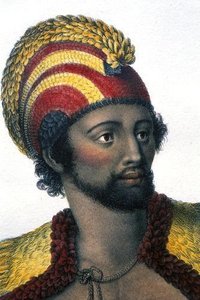
- Portraits of Indigenous Peoples: Webber also created portraits of prominent figures like Tereoboo, King of Owyhee, offering valuable insights into the appearance and customs of Pacific Islanders.
- Illustrations for Admiralty Account: His work was crucial in illustrating the British Admiralty's official account of the expedition, published in 1784. These engravings brought the discoveries of Cook’s voyage to a wider audience.
Career and Artistic Style
- Exhibitions at the Royal Academy: Following his return to England in 1780, Webber exhibited around 50 works at the Royal Academy between 1784 and 1792. His paintings showcased both landscapes and figures.
- Recognition and Membership: He was elected an associate of the Royal Academy in 1785 and a full member in 1791, demonstrating his growing reputation within the British art world.
- Landscape Focus with Figurative Elements: Webber’s artistic style primarily focused on landscapes, often incorporating figures to add narrative or scale. A notable example is “A Party from H.M.S. Resolution shooting sea horses,” exhibited in 1784.
- Influence of Earlier Masters: While his work reflects the influence of earlier landscape painters like Aberli, Webber developed a unique style characterized by detailed observation and accurate representation of natural environments.
Legacy and Collections
- Historical Significance: John Webber’s artwork provides invaluable visual documentation of Captain Cook's voyages and the first European encounters with Pacific cultures. His images offer a unique perspective on 18th-century exploration and cultural exchange.
- Museum Holdings: His works are held in numerous prestigious collections worldwide, including the Anchorage Museum of History and Art (Alaska), the Bishop Museum (Honolulu), the British Museum (London), the National Maritime Museum (London) ,the Bern Historical Museum (Switzerland), and the San Antonio Museum of Art.
- Enduring Impact: Webber’s paintings continue to be studied by art historians, anthropologists, and scholars interested in the history of exploration, Pacific cultures, and 18th-century art. His detailed depictions offer a glimpse into a pivotal period of global interaction.
- Death and Remembrance: John Webber died on May 29, 1793, leaving behind a significant artistic legacy that continues to resonate today.
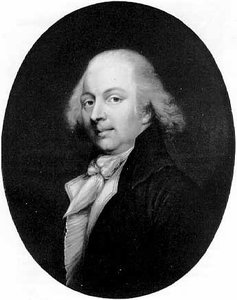
John Webber
1751 - 1793 , United Kingdom
Quick Facts
- Artistic Movement Or Style: Landscape, Portraiture
- Artists Who Influenced This Artist: ['Aberli']
- Date Of Birth: October 6, 1751
- Date Of Death: May 29, 1793
- Full Name: John Webber
- Nationality: English
- Notable Artworks:
- Ship Cove
- Cook's Portrait
- Poedua portrait
- Place Of Birth: London, UK
Related Articles

John Singer Sargent's 25 Masterpieces: Portraits & Beyond | ArtsDot
Explore 25 iconic John Singer Sargent paintings – from dazzling portraits to Impressionist landscapes. Discover the stories behind Madame X, El Jaleo & more! Find museum-quality art reproductions and elevate your home decor with ArtsDot.com.

John Constable's Masterpieces: Explore 25 Iconic Landscapes for Your Home
Journey through John Constable's 25 most celebrated landscapes. Explore Romanticism, Dedham Vale & his masterful use of light in iconic paintings like 'Hay Wain'. Find museum-quality art reproductions and elevate your home decor on ArtsDot.com.
Whistler's Masterpieces: Explore 25 Iconic Paintings & Aesthetic Art for Your Home
Journey through 25 iconic James Abbott McNeill Whistler paintings! Explore his masterpieces of Aestheticism, from 'Nocturne in Black and Gold' to captivating portraits. Find museum-quality art reproductions & elevate your home decor with ArtsDot.com. Discover the full collection online.

Sir Alfred Munnings' Masterpieces: 25 Paintings That Define Equine Art | ArtsDot
Explore 25 iconic Sir Alfred Munnings paintings! Discover the beauty of British Impressionism, equine art & rural England. Find museum-quality reproductions and elevate your home decor with ArtsDot. Explore the full collection online.
Francis Ferdinand Maurice Cook: A Study in Victorian Aestheticism & Landscape Evolution
Explore the captivating art of Sir Francis Ferdinand Maurice Cook – a British artist bridging Victorian traditions & Aestheticism. Discover his landscapes, collection history, and unique style. Expert analysis for collectors.
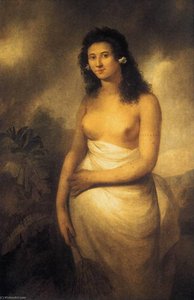
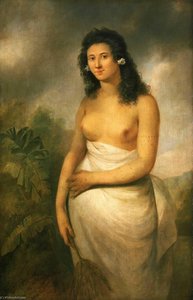
![Poedua [Poetua], daughter of Oreo, chief of Ulaietea, one of the Society Isles](/media/artworks/images/thumbnails/1e/0a/1e0a628f0db24174b85602bad1371764.jpg)