

 Preview
 Send
Send Share
Share
 Details

 Download
 Similars
 X-Ray
X-Ray Diaporama
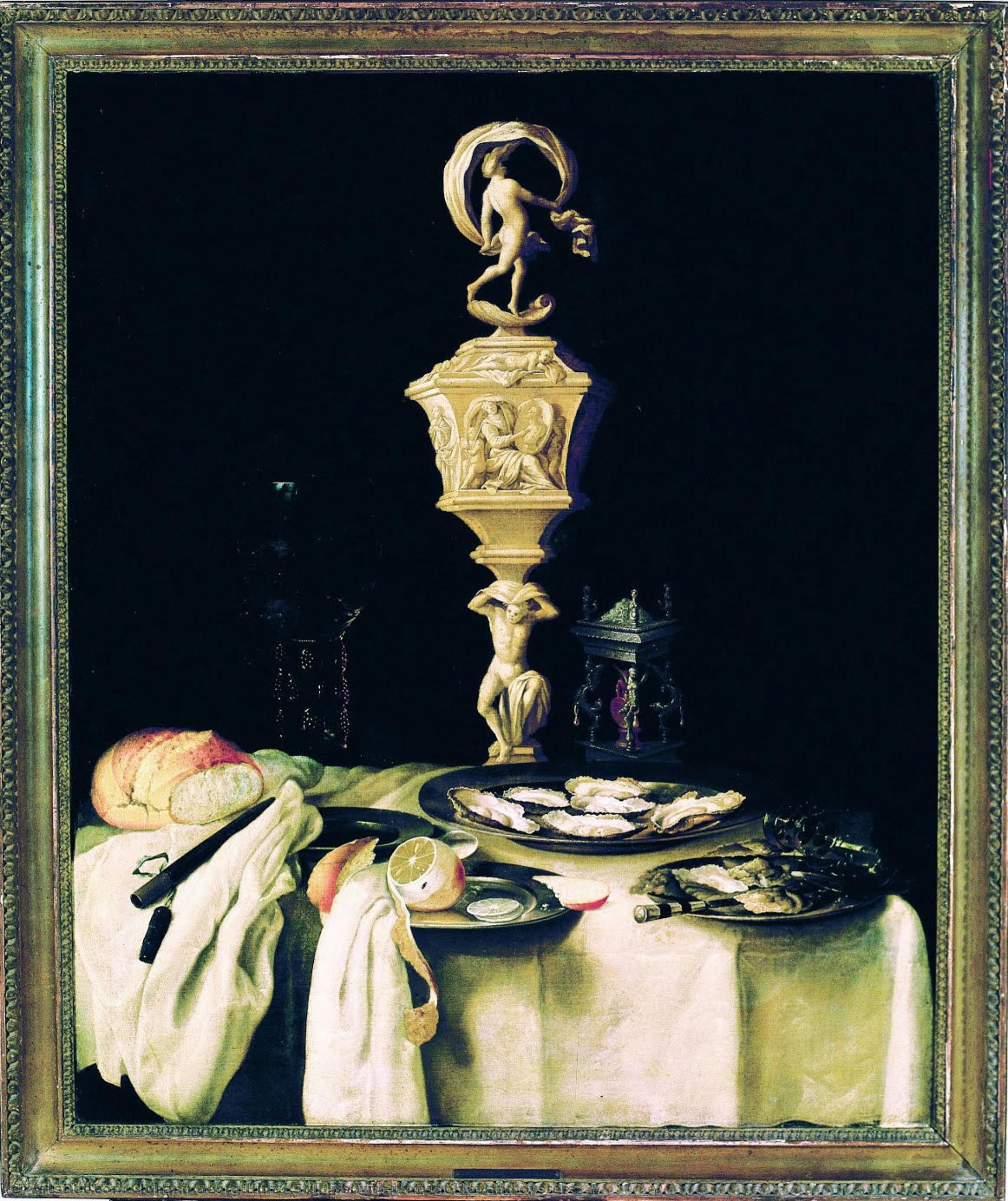
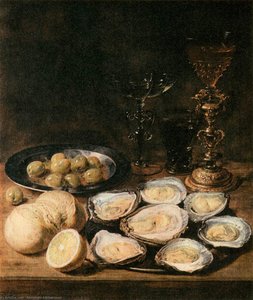
Still life with ivory goblet and oysters


 Read More
Purchase a high-resolution, enhanced digital image, far superior to the online preview.
Each file is meticulously prepared by our in-house specialists using advanced tools and expert manual retouching. We ensure every image has exceptional clarity, precise color accuracy, and fine detail.
The final file is delivered via email within 72 hours, optimized for immediate use in professional, editorial, and print environments. This is the same quality trusted by top-tier design studios, publishers, and galleries.
Digital Image
Download a high-resolution file for personal display, printing, and creative projects. ( Buy Print Buy Hand Made Painting)
Included in Every Digital Image Order
Expert Digital Delivery, Guaranteed
When you choose ArtsDot.com, you're not just getting an image - you're receiving a professionally enhanced digital artwork, crafted with precision and backed by a satisfaction guarantee. Here's everything that comes with your order, automatically:

Fast Email Delivery
Your high-resolution digital image file will be emailed to you within 72 hours of ordering - ready for immediate use.

AI-Enhanced Digital File
Your artwork is professionally optimized using advanced AI tools and manual editing, ensuring maximum detail, clarity, and color accuracy.

Free Lifetime Re-Delivery
Accidentally deleted or lost your file? No worries - we'll resend it to you anytime, free of charge.

No Import Fees - Ever
Enjoy your artwork instantly with zero customs, duties, or delivery fees - digital downloads are always tax-free.

Color Accuracy Guarantee
We ensure your digital image reflects the original colors as closely as possible using professional tools and color management.

60-Day Satisfaction Guarantee
If you're not satisfied with your digital image, we'll revise it or refund 100% within 60 days - no questions asked.

100% Money-Back Guarantee
Not satisfied? Get a full refund within 60 days of receiving your digital file - no questions asked.

Bulk Order Discounts
Buy 3 images, save 10% - Buy 5, save 15% - Buy 10+, save 20%. Great for creative projects, galleries, and agencies.
Related Artworks
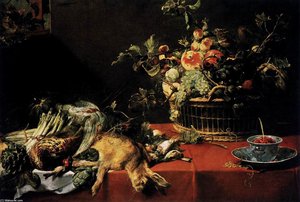
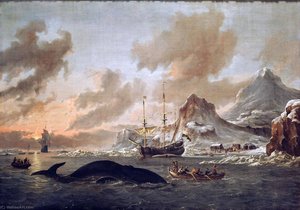
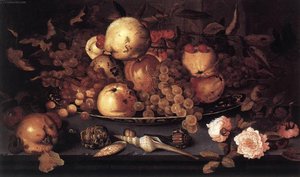
Artist Biography
The Luminous World of Johann Georg Hinz
In the grand tapestry of the German Baroque, few threads shimmer with as much quiet, meticulous brilliance as those woven by Johann Georg Hinz. A master of the still life, Hinz possessed a rare ability to transform the mundane objects of everyday existence—a glinting oyster, a heavy pewter tankard, or a dew-kissed piece of fruit—into profound meditations on texture, light, and the fleeting nature of time. While history often reserves its loudest praises for the sweeping dramas of Rubens or the psychological depth of Rembrandt, Hinz carved out a sanctuary of intimacy. His work invites the viewer not into a theater of grand gestures, but into a private, silent room where every surface tells a story of tactile beauty and ephemeral splendor.
Born in 1630, likely in Altenau or within the artistic orbit of the Rhineland, Hinz’s early life was shaped by the burgeoning traditions of Northern European realism. His lineage suggests a deep-seated connection to the craft; with a father, Johann Christoph Hinz, who was himself an engraver and painter, the language of visual precision was his first mother tongue. This foundational training in the nuances of line and shadow prepared him for a career defined by an almost scientific devotion to observation. As he moved through the artistic landscapes of his era, possibly spending formative time in Amsterdam, he absorbed the sophisticated Dutch approach to the pronkstilleven—the ostentatious still life—blending it with a distinctly German sensibility that favored a certain grounded, earthy elegance.
A Legacy of Light and Texture
The true genius of Hinz lies in his command over the sensory experience of paint. To look upon a Hinz composition is to feel the cold dampness of an oyster shell or the smooth, chilled surface of an ivory goblet. He was a painter of surfaces, obsessed with the way light interacts with different materials: the way it clings to the velvet skin of a peach, how it refracts through a glass of amber beer, or how it dances upon the metallic rim of a silver vessel. His workshop, established in the mid-17th century, became a beacon for those seeking to master this delicate interplay of light and shadow. Through his tutelage, he influenced a generation of artists, including Christian Berentz and potentially Franz Werner von Tamm, ensuring that his meticulous approach to detail would ripple through the subsequent decades of German art.
His subject matter often revolved around the concept of the curiosity cabinet, presenting collections of precious objects that reflected the humanist interests of the age. These were not merely displays of wealth, but carefully curated arrangements of nature and artifice. In his hands, a simple breakfast scene becomes an exploration of abundance and decay, a subtle memento mori hidden within the lushness of a fruit bowl. This duality—the celebration of life's richness paired with the quiet reminder of its transience—is what gives his oeuvre such enduring psychological resonance.
Historical Significance and Artistic Impact
Though the biographical records of Hinz’s later years are occasionally fragmented, his impact on the development of the German Baroque still life is undeniable. He was a pioneer who brought the sophisticated techniques of the Dutch masters to the German territories, specifically in regions like Hamburg, where he became a foundational figure in the local artistic identity. His ability to elevate the "lesser" genres of painting—still life and minor objects—to a level of high art helped expand the boundaries of what was considered worthy of the canvas.
Today, the works of Johann Georg Hinz serve as exquisite windows into the 17th century. They offer more than just aesthetic pleasure; they provide a window into the soul of an era that found divinity in the details. His legacy remains preserved in the silent, breathtaking moments captured within his frames:
- The Mastery of Materiality: His unparalleled ability to replicate the tactile essence of glass, metal, and organic matter.
- The Influence of the Düsseldorf School: The propagation of a style defined by luminous color palettes and meticulous detail.
- A Bridge Between Traditions: His role in synthesizing Dutch realism with German Baroque sensibilities.
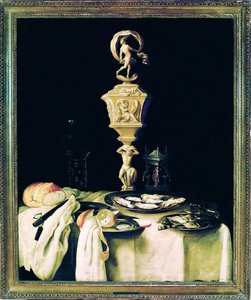
johann georg hinz
1630 - 1688
Quick Facts
- Artistic Movement Or Style: Baroque Painting
- Artists Or Movements Influenced By This Artist: ['Dutch Masters']
- Artists Who Influenced This Artist: ['Peter Paul Rubens']
- Date Of Death: 1688
- Full Name: Johann Georg Hinz
- Nationality: German
- Notable Artworks: ['Still Life with Fruit and Flowers']
- Place Of Birth: Germany

