 Preview
 Send
Send Share
Share
 Details

 Download
 Similars
 X-Ray
X-Ray Diaporama
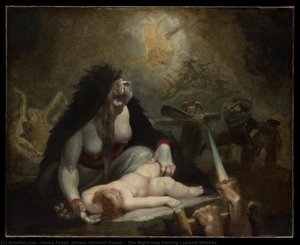
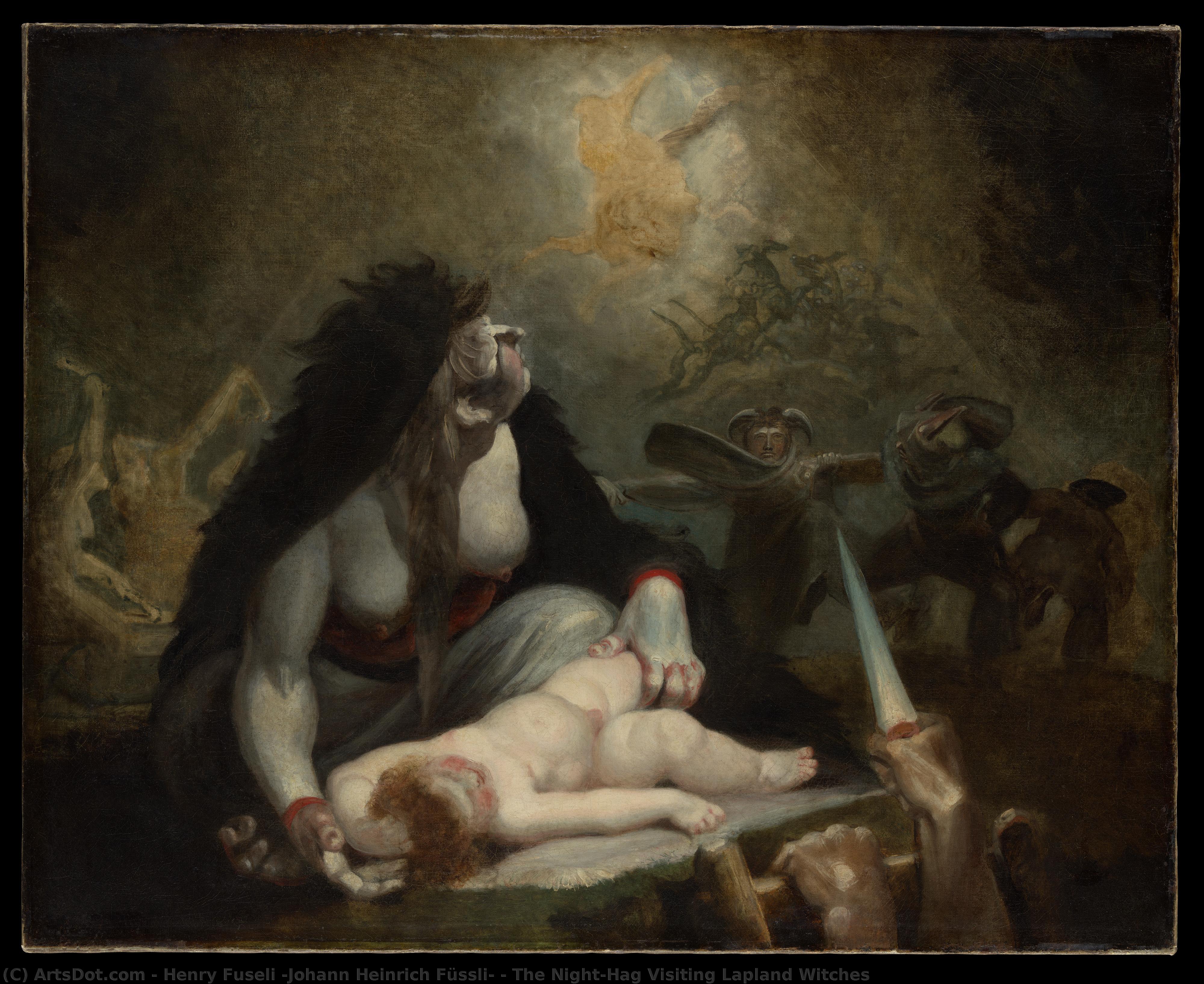
The Night-Hag Visiting Lapland Witches
 Oil On Canvas
- WallArt
- Romanticism
 1796
1796 102.0 x 126.0 cm
 Metropolitan Museum of Art
 Read More
Giclée / Art Print
Museum-quality giclée or canvas print with fast production and flexible finish options. ( Buy Hand Made Painting Buy Image)




P118B $10

P118H $10

P118W $10

P438Z $10

P508JH $12

P508YH $12

P805H $10

P805Z $10

P919BZ $10

P919G $10

P919XJ $10

P959ZH $10

P968JZ $12

W106C $8

W218G $10

W218JH $8

W218Y $10

W307PJ $10

W316G $10

W316PJ $8

W316Y $10

W398PJ $8

W4111J $10

W500HY $15

W500JH $15

W692G $12

W849H $8

W940BG $15

W953PJ $8




Pick from our preset sizes that match the artwork's original proportions.

You may enter your own dimensions to fit a specific frame or space. If your selected size does not match the original image's proportions, we will either crop the artwork or extend the image with a mirrored or solid-fill edge. A digital mockup will be sent for your approval before production begins.
Please note that the on-screen preview does not reflect the actual cropping or extension. Only the mockup will accurately show the final composition.
While custom sizes are available, we recommend selecting a dimension from the predefined list to preserve the original proportions.
Worldwide Delivery () in 2 weeks instead of standard 4/5 weeks. (16 August)

Free Worldwide Express Shipping

High-Quality Linen Canvas

Full Shipping Insurance

Customs Tax Refund Guarantee

True Color Matching Guarantee

60-Day Return Policy (Defects Only)

100% Money-Back Guarantee

Bulk Discount Offer
 Glass option is only available in size under 110 CM

The Night-Hag Visiting Lapland Witches
Giclée / Art Print
Reproduction Size
-


Total Price
$ 63
Collectible Description
The Night Hag’s Descent: A Study in Gothic Horror and Romantic Symbolism
Henry Fuseli's "The Night-Hag Visiting Lapland Witches," painted in 1796, isn’t merely a depiction of a scene; it’s an immersion into the shadowed heart of human psychology. This arresting oil on canvas, currently residing within the hallowed halls of The Metropolitan Museum of Art in New York City, pulsates with a potent blend of gothic horror and nascent Romanticism – a visual embodiment of fear, superstition, and the unsettling allure of the unknown. Fuseli, a Swiss artist deeply influenced by his time in London’s vibrant art scene and his fascination with classical antiquity and the macabre, crafted an image that continues to grip viewers centuries later.
The painting immediately commands attention through its stark contrast: a predominantly monochrome palette dominated by blacks, whites, and greys. This deliberate restriction of color amplifies the sense of dread and isolation, drawing the eye to the central figures and their unsettling tableau. The composition is meticulously arranged, guiding the viewer’s gaze across the scene with an almost hypnotic quality. A woman, often interpreted as a night hag or demonic figure, dominates the foreground, her horned head and skeletal features radiating an aura of ancient power and malevolence. She holds a baby aloft, a symbol simultaneously of innocence and vulnerability – a chilling juxtaposition that underscores the painting’s central themes.
A Literary Echo: Paradise Lost and the Dark Side of Myth
Fuseli's inspiration for "The Night-Hag Visiting Lapland Witches" stems directly from John Milton’s epic poem, *Paradise Lost*. Specifically, he was captivated by a passage describing the hellhounds following the night-hag as she rides through the air, lured by the smell of infant blood to dance with Lapland witches under an eclipsed moon. This literary source imbues the painting with layers of symbolic meaning, connecting it to broader themes of temptation, corruption, and the consequences of transgression. The scene echoes Milton’s exploration of fallen angels and the eternal struggle between good and evil, translating a complex theological concept into a visceral visual experience.
The Lapland witches themselves – depicted in the background as shadowy figures engaged in a frenzied ritual – represent the darker aspects of human nature: superstition, irrationality, and the willingness to embrace forbidden knowledge. The presence of the baby, held by the night hag, introduces a poignant element of tragedy, suggesting that even innocence is susceptible to corruption and manipulation. The overall effect is profoundly unsettling, tapping into primal fears about darkness, vulnerability, and the forces beyond human control.
Technique and Atmosphere: A Masterclass in Dramatic Lighting
Fuseli’s masterful technique is crucial to the painting's impact. He employs a dramatic chiaroscuro – a stark contrast between light and shadow – to sculpt the figures and create a sense of depth and atmosphere. The strong directional lighting, emanating from an unseen source, highlights the night hag’s face and hands, emphasizing her power and menace while plunging the surrounding scene into darkness. This use of light and shadow isn't merely aesthetic; it serves to heighten the emotional intensity of the image, creating a sense of claustrophobia and foreboding.
Furthermore, Fuseli’s brushwork is remarkably expressive, conveying a sense of movement and frenzy through swirling lines and textured surfaces. The figures appear almost animated, caught in a moment of chaotic ritual. The painting's overall effect is one of intense drama and psychological depth – a testament to Fuseli’s ability to capture the complexities of human emotion and experience on canvas.
A Legacy of Gothic Imagination
"The Night-Hag Visiting Lapland Witches" remains a powerfully evocative work, influencing generations of artists and writers. Its exploration of dark themes—fear, superstition, and the corruption of innocence—resonates deeply with viewers today. It’s a painting that invites contemplation, prompting us to confront our own anxieties about the unknown and the shadows lurking within the human psyche. Reproductions of this iconic artwork continue to captivate audiences, offering a glimpse into the visionary imagination of Henry Fuseli and his enduring contribution to the history of art.
Related Artworks

Artist Biography
early life and education
johann heinrich füssli, a swiss painter, draughtsman, and writer on art, was born on february 7, 1741, in zürich, switzerland. he was the second of 18 children to johann caspar füssli, a portrait painter. füssli received a classical education at the collegium carolinum in zürich.artistic career
füssli's artistic career began with his move to london in 1764, where he met sir joshua reynolds, who encouraged him to devote himself to painting. he then spent eight years in italy, studying antique art and the works of titian, caravaggio, and mannerists.supernatural experiences
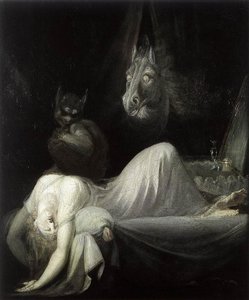
füssli's paintings often depicted supernatural experiences, such as the nightmare, which showcased his unique style. he also created a series of paintings based on john milton's works, with the intention of forming a milton gallery comparable to boydell's shakespeare gallery.notable works and associations
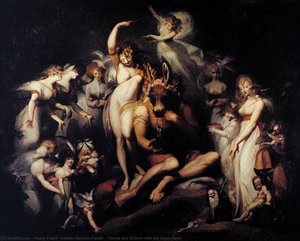
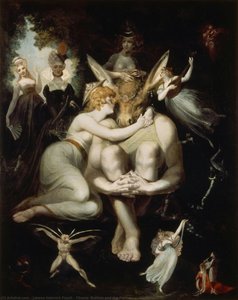
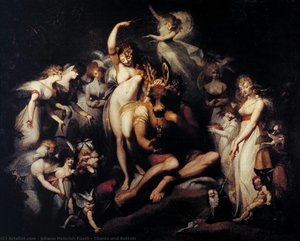
- titania, bottom and the fairies, a painting showcasing füssli's use of fairy-tale scenes from shakespeare as motifs.
- association with the royal academy, where he held the posts of professor of painting and keeper.
- influence on younger british artists, including william blake.
museums and collections
füssli's works can be found in various museums, including:- kunsthaus zürich, switzerland, which features a wide range of füssli's paintings, including the nightmare.
- albertina, vienna, austria, which houses füssli's watercolor piece, teiresias foretells the future to odysseus.
legacy
füssli's style had a considerable influence on many younger british artists, and his supernatural themes continue to fascinate art lovers. his legacy can be explored further through his numerous works, which can be found in various museums and collections. recommended reading:- titania, bottom and the fairies by johann heinrich füssli
- henry fuseli - wikipedia
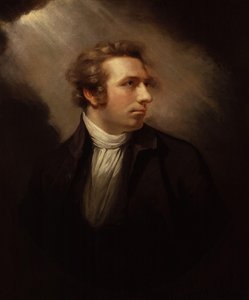
johann heinrich füssli
1741 - 1825 , Switzerland
Quick Facts
- Artistic Movement Or Style: Romanticism, Neoclassicism
- Artists Or Movements Influenced By This Artist: ['William Blake']
- Artists Who Influenced This Artist:
- Titian
- Caravaggio
- Date Of Birth: Feb 7, 1741
- Date Of Death: 1825
- Full Name: Johann Heinrich Füssli
- Nationality: Swiss
- Notable Artworks:
- The Nightmare
- Titania, Bottom & Fairies
- Place Of Birth: Zurich, Switzerland
Related Articles
Romanticism's Greatest Artworks: 10 Masterpieces for Your Home |
Journey through Romanticism's soul with 10 iconic artworks by Delacroix, Goya & Turner. Explore emotional landscapes and historical drama. Find museum-quality art reproductions to elevate your home at – Discover all masterpieces online!
The Evocative Brushstroke: Exploring Emotion, Individuality & the Sublime in Romanticism's Artistic Landscape
Explore the passionate world of Romanticism! Discover masterpieces by Friedrich & Goya, delve into the sublime, and understand the movement's lasting impact on art history. Expert analysis & insights at ArtsDot.
The Sublime and the Sensual: Exploring Emotion & Individuality in Romanticism's Artistic Revolution
Explore the passionate world of Romanticism! Discover masterpieces by Friedrich & Goya, delve into the sublime, and understand the movement's lasting impact on art history. Expert analysis & insights.
Van Gogh's Masterpieces: Explore 25 Iconic Paintings & Art for Your Home
Journey through Vincent van Gogh's 25 most iconic paintings! Explore 'Starry Night', 'Sunflowers,' and more—discover the stories, techniques & emotions behind these Post-Impressionist masterpieces. Find museum-quality art reproductions for your home at ArtsDot.com.
Caspar David Friedrich: Romanticism's Master of Landscape & the Sublimity of Inner Experience
Explore the profound landscapes of Caspar David Friedrich, a master of German Romanticism. Discover the symbolism, themes & enduring influence of this iconic artist. A deep dive into his life and work.