 Preview
 Send
Send Share
Share
 Details

 Download
 Similars
 X-Ray
X-Ray Diaporama
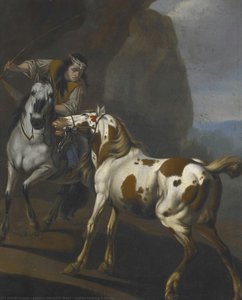
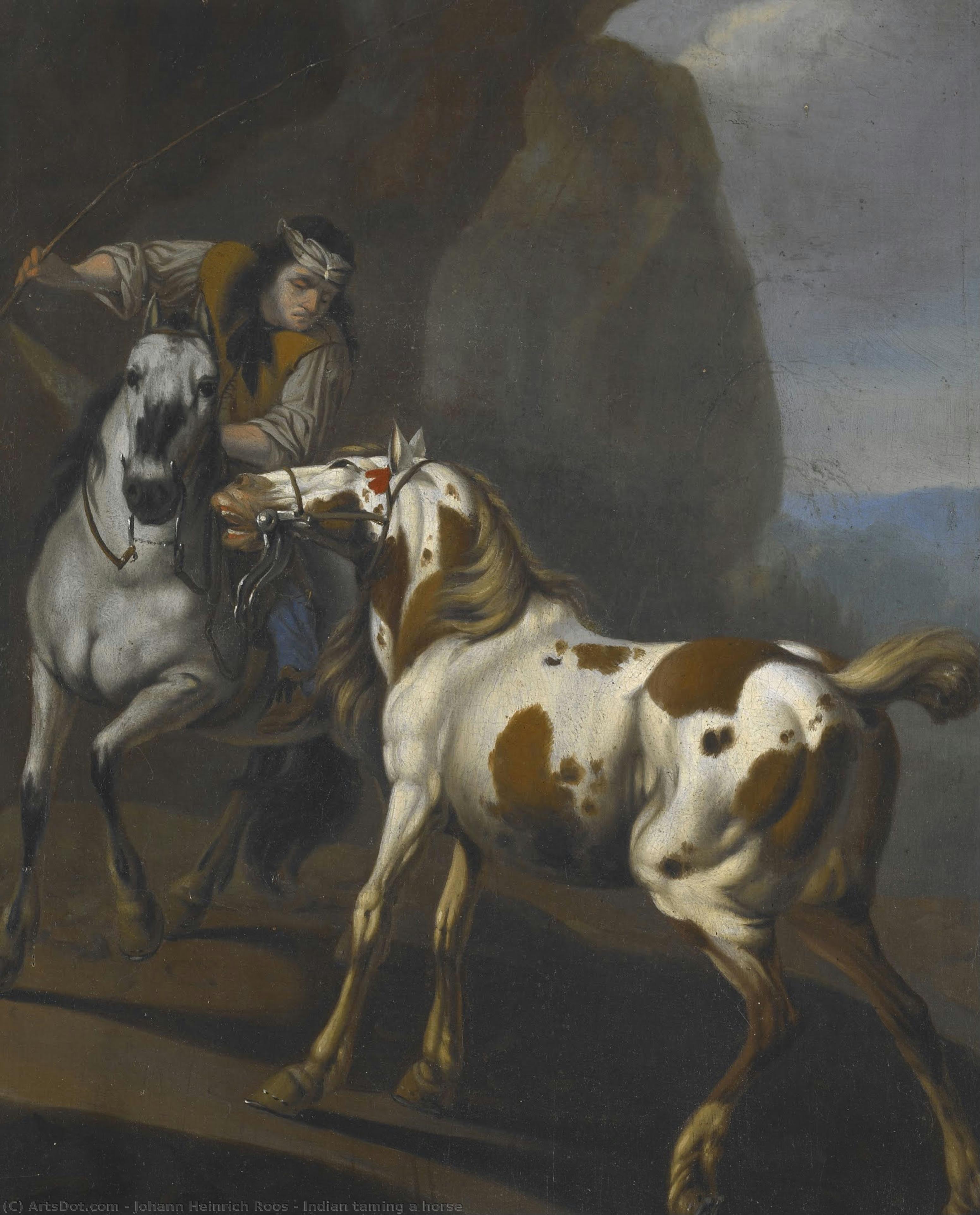
Indian taming a horse


 Read More
Hand Made Oil Reproduction
Hand-painted oil on canvas in your size and frame, made to order by our artists. ( Buy Print Buy Image)




































Pick from our preset sizes that match the artwork's original proportions.

You may enter your own dimensions to fit a specific frame or space. If your selected size does not match the original image's proportions, we will either crop the artwork or extend the painting with additional hand-painted elements. A digital mockup will be sent for your approval before production begins.
Please note that the on-screen preview does not reflect the actual cropping or extension. Only the mockup will accurately show the final composition.
While custom sizes are available, we recommend selecting a dimension from the predefined list to preserve the original proportions.
After order, ArtsDot.com team will email client for instructions and provide a mockup preview
Worldwide Delivery () in 3/4 weeks instead of standard 5 weeks. (17 August). No compromise on quality.

Free Worldwide Express Shipping

High-Quality Linen Canvas

Full Shipping Insurance

Customs Tax Refund Guarantee

True Color Matching Guarantee

60-Day Return Policy (Defects Only)

100% Money-Back Guarantee

Bulk Discount Offer
 Glass option is only available in size under 110 CM

Indian taming a horse
Reproduction Medium
Reproduction Size
-


Total Price
$ 263
Artwork Description
A Moment of Raw Connection
In the evocative monochrome depths of "Indian taming a horse," we are transported to a mid-17th-century world where the boundaries between human will and animal instinct blur into a singular, dramatic tension. This masterful work by Johann Heinrich Roos captures a profound struggle for dominance and harmony. The scene centers on a figure, draped in attire suggestive of Native American heritage, engaged in the visceral process of breaking a wild spirit. As the man grips the reins, his focus is absolute, creating a magnetic focal point that draws the viewer into the very heart of the exertion. The composition is balanced by the presence of other horses—one flanking the left and another to the right—which serves to expand the narrative scope, suggesting a larger, untamed landscape where such encounters are part of a continuous cycle of nature.
The stylistic execution of this piece relies on the dramatic interplay of light and shadow, characteristic of the Baroque era. Though presented in a black and white palette, the work breathes with a sense of movement and texture. The artist utilizes subtle gradations of tone to define the muscular tension in the horses' bodies and the rugged folds of the man's costume. This technique allows for a heightened sense of realism, where the viewer can almost feel the heat of the breath and the grit of the earth. For the discerning collector or interior designer, this piece offers a sophisticated monochromatic elegance that integrates seamlessly into modern, minimalist, or classical settings, providing a timeless focal point that commands attention without overwhelming the surrounding decor.
The Legacy of the Baroque Pastoral
To understand the emotional weight of this painting, one must look to the life and training of Johann Heinrich Roos. Emerging from the turbulent atmosphere of the Thirty Years' War, Roos brought a unique sensitivity to the depiction of animal life and pastoral tranquility. His apprenticeship in the vibrant Dutch artistic milieu allowed him to master the art of capturing the "humanist ideal"—the concept of a balanced existence between man and the natural world. In this specific work, the act of taming is not merely an act of conquest, but a symbolic representation of civilization interacting with the wild. The horse, often a symbol of unbridled passion and strength, becomes a mirror for the human spirit's own struggle to find discipline and direction.
For those seeking to adorn their spaces with art that tells a story, this reproduction offers more than mere decoration; it provides an invitation to contemplation. The historical depth of the 1650s, combined with Roos’s unparalleled ability to imbue animals with character and soul, makes this artwork a profound addition to any curated collection. It serves as a testament to the enduring power of the Baroque tradition—a period where every brushstroke was designed to evoke awe, respect, and an emotional resonance that transcends the centuries.
Related Artworks
![Wild Horse Hunters [no. 2] — Charles Marion Russell, American Romanticism](/media/artworks/images/thumbnails/6a/6b/6a6b08c840334ee098142709d50244ef.jpg)
Artist Biography
Johann Heinrich Roos (1631-1685): A Shepherd’s Dream in Baroque Color
Johann Heinrich Roos, born in Otterberg, Germany around 1631, stands as a pivotal figure within the German Baroque landscape tradition. His artistic journey unfolded amidst turbulent times – the Thirty Years' War reshaping Europe – and ultimately culminated in a tragically premature death in Frankfurt am Main in 1685. Despite lacking formal academic training like Rembrandt, Roos achieved renown for his masterful depictions of pastoral scenes infused with humanist ideals and imbued with an undeniable sensitivity to animal life.- Early Life & Training: Roos’s family emigrated to Amsterdam in 1640 due to the ongoing conflict, exposing him to the vibrant artistic milieu of the Dutch Republic. Recognizing his talent, he apprenticed under prominent painters such as Guillaume du Gardijn, Cornelis de Bie and Barent Graat, absorbing techniques and stylistic influences that would shape his future endeavors. However, it was the landscapes of Nicolaes Berchem and Karel Dujardin who truly captivated him, fostering a profound appreciation for atmospheric perspective and idealized representations of nature.
- Amsterdam Years & Rembrandt Influence: Roos’s time in Amsterdam (1647-1653) proved formative. Notably, he meticulously copied Rembrandt's “The Return from Pilgrimage,” demonstrating an astute understanding of chiaroscuro and compositional dynamism—a testament to Rembrandt’s enduring impact on the artistic consciousness of his era.
- Royal Commissions & Hesse Commission: Roos gained considerable acclaim through commissions for Ernst, Landgrave of Hesse-Rheinfels (son of Maurice), producing a portrait of Prince Ludwig August in 1654 and contributing to religious iconography. His collaboration with Theodor Roos on the decoration of Mainz Cathedral further cemented his reputation as a skilled craftsman and artist.
- Frankfurt & Artistic Success: Following Ernst’s death, Roos relocated to Frankfurt in 1667 where he experienced considerable prosperity. He established himself as a respected portraitist capturing the likenesses of prominent figures from Frankfurt's burgeoning middle class. Tragically, however, his fortunes crumbled when a devastating fire consumed his studio and possessions in 1685—a final act of defiance against fate.
- Legacy & Artistic Style: Roos’s sons continued his artistic lineage, producing accomplished painters who upheld the traditions established by their father. His distinctive style characterized by luminous color palettes, meticulous attention to detail, and a preoccupation with animal subjects—particularly shepherds depicting biblical narratives—solidifies his place as one of Germany's foremost Baroque landscape artists. His works reside in collections spanning Europe including the Kunsthistorisches Museum in Vienna and Städelsches Kunstinstitut in Frankfurt.
Key Characteristics & Artistic Vision
Roos’s artistic vision centered on conveying a harmonious relationship between humanity and the natural world. He skillfully employed techniques honed by Berchem and Dujardin, prioritizing atmospheric perspective to create immersive landscapes that evoked feelings of tranquility and contemplation. Recurring motifs included ruined temples—symbols of decay juxtaposed with enduring beauty—and idealized depictions of animals rendered with remarkable realism. His canvases frequently portrayed biblical scenes featuring shepherds tending flocks, reflecting a humanist belief in the sanctity of rural life and the importance of moral virtue.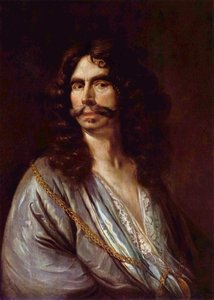
Johann Heinrich Roos
1631 - 1631 , Germany
Quick Facts
- Artistic Movement Or Style: Baroque
- Artists Or Movements Influenced By This Artist: ['Rembrandt']
- Artists Who Influenced This Artist:
- Nicolaes Berchem
- Karel Dujardin
- Date Of Birth: 1631
- Date Of Death: 1685
- Full Name: Johann Heinrich Roos
- Nationality: German
- Notable Artworks:
- Landscape with a ruin
- Lovers in a Classical Landscape with Animals
- Halting of Mountain Travellers at a Fountain
- Place Of Birth: Otterberg, Germany
Related Articles
German Expressionism's 10 Defining Masterpieces | Art for Your Home
Explore 10 defining German Expressionism masterpieces – from Munch's 'The Scream' to Kandinsky’s abstracts. Discover the artists, stories & bold colors behind this powerful art movement. Find museum-quality reproductions at ArtsDot.com.
The Equine Muse: A Historical & Artistic Exploration of Horses in Painting
Explore the captivating history of horses in painting! Discover Renaissance masterpieces, Baroque grandeur & expert insights for collecting equestrian art. Learn about symbolism, techniques & lasting value with ArtsDot.
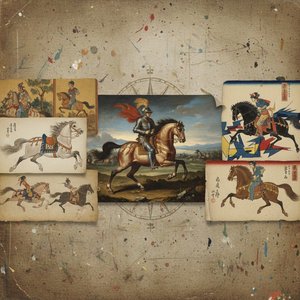
The Noble Steed on Canvas: A Historical & Artistic Exploration of Horse Painting Across Cultures
Explore the rich history of horse painting! Discover masterpieces from Stubbs to Munnings & learn about symbolism, techniques & artists. Find museum-quality reproductions at ArtsDot.

Baroque Drama: Bringing Opulence & Emotion into Contemporary Interiors
Explore the opulent world of Baroque interior design! Discover key elements, modern applications & how to bring dramatic elegance into your home with 's authentic reproductions.

The Dramatic Flourish: Exploring the Baroque Movement's Enduring Legacy in Art History
Explore the dramatic world of Baroque art! Discover iconic artists like Caravaggio & Rubens, defining techniques, and its lasting impact on art history. Expert insights for collectors & enthusiasts at ArtsDot.