

 Preview
 Send
Send Share
Share
 Details

 Download
 Similars
 X-Ray
X-Ray Diaporama
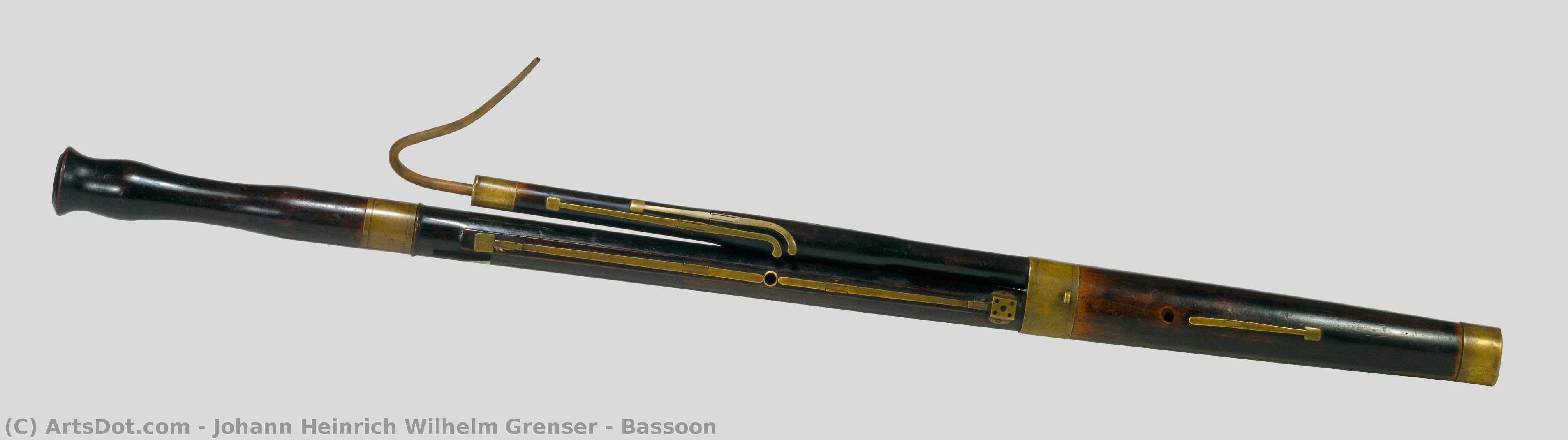
Bassoon


 Read More
Purchase a high-resolution, enhanced digital image, far superior to the online preview.
Each file is meticulously prepared by our in-house specialists using advanced tools and expert manual retouching. We ensure every image has exceptional clarity, precise color accuracy, and fine detail.
The final file is delivered via email within 72 hours, optimized for immediate use in professional, editorial, and print environments. This is the same quality trusted by top-tier design studios, publishers, and galleries.
Digital Image
Download a high-resolution file for personal display, printing, and creative projects. ( Buy Print Buy Hand Made Painting)
Included in Every Digital Image Order
Expert Digital Delivery, Guaranteed
When you choose ArtsDot.com, you're not just getting an image - you're receiving a professionally enhanced digital artwork, crafted with precision and backed by a satisfaction guarantee. Here's everything that comes with your order, automatically:

Fast Email Delivery
Your high-resolution digital image file will be emailed to you within 72 hours of ordering - ready for immediate use.

AI-Enhanced Digital File
Your artwork is professionally optimized using advanced AI tools and manual editing, ensuring maximum detail, clarity, and color accuracy.

Free Lifetime Re-Delivery
Accidentally deleted or lost your file? No worries - we'll resend it to you anytime, free of charge.

No Import Fees - Ever
Enjoy your artwork instantly with zero customs, duties, or delivery fees - digital downloads are always tax-free.

Color Accuracy Guarantee
We ensure your digital image reflects the original colors as closely as possible using professional tools and color management.

60-Day Satisfaction Guarantee
If you're not satisfied with your digital image, we'll revise it or refund 100% within 60 days - no questions asked.

100% Money-Back Guarantee
Not satisfied? Get a full refund within 60 days of receiving your digital file - no questions asked.

Bulk Order Discounts
Buy 3 images, save 10% - Buy 5, save 15% - Buy 10+, save 20%. Great for creative projects, galleries, and agencies.
Related Artworks

Artist Biography
Johann Heinrich Wilhelm Grenser: Pioneer of the Woodwind
Johann Heinrich Wilhelm Grenser, born in Lipprechtsroda, Germany in 1764 and tragically passing away in Dresden in 1813, remains a pivotal yet often overlooked figure in the history of musical instrument making. More than simply an instrument maker, Grenser was a true innovator—a quiet revolutionary who subtly reshaped the landscape of early woodwind instruments, particularly the clarinet family. His legacy isn’t one of grand public acclaim, but rather a profound and lasting impact on the development of orchestral sound and the evolution of musical performance. Grenser's journey began with a traditional apprenticeship under his uncle, August Grenser, a respected Dresden instrument maker. From 1779 to 1786, he diligently honed the skills necessary for crafting woodwind instruments, absorbing the established techniques and understanding of materials. However, it was after taking over his uncle’s workshop in 1796 that Grenser truly began to forge his own path—a path marked by experimentation and a relentless pursuit of sonic improvement. His early work focused primarily on bassoons and flutes, producing instruments of considerable quality within the prevailing style. Yet, it was his explorations into the nascent clarinet family that cemented his place in musical history.The Birth of the Clarinet Family
Grenser’s most significant contribution lies in his pioneering work with the clarinet. In 1793, he conceived and constructed an early form of the bass clarinet—a crucial step towards establishing this instrument as a viable member of the orchestra. This initial design represented a departure from existing instruments, incorporating features that would later define the modern bass clarinet’s sound and range. Crucially, there's considerable debate surrounding his role in the development of the alto clarinet. While some scholars attribute its invention solely to Grenser, others suggest he may have been involved in its early production around 1808. Regardless, his experimentation undoubtedly laid the groundwork for this important instrument’s emergence. The meticulous documentation from a 1978 inventory reveals that over 127 instruments bearing his name survive today—a testament to his dedication and skill. These include not only clarinets but also bassoons, flutes, basset horns, oboes, fagottini, and even rarer instruments like the cor anglais and contrabassoon, showcasing a breadth of expertise beyond just the clarinet.Technique and Innovation
Grenser’s approach to instrument making was characterized by a deep understanding of acoustics and a willingness to challenge established conventions. He wasn't simply replicating existing designs; he was actively seeking ways to improve tone, intonation, and playability. While specific details about his construction techniques remain somewhat elusive due to the limited surviving documentation, it’s believed that he employed innovative methods for shaping the bore of the clarinet, influencing its resonance and projection. His instruments were known for their rich, dark sound—a quality highly valued by musicians of the era. The fact that many of his instruments survive today offers a rare opportunity for musicologists and instrument collectors to study firsthand the craftsmanship and design principles employed by this remarkable maker.Legacy and Historical Significance
Despite not achieving widespread fame during his lifetime, Johann Heinrich Wilhelm Grenser’s impact on musical history is undeniable. His innovations in clarinet construction—particularly the bass clarinet—provided a crucial foundation for the instrument's subsequent development and integration into orchestral music. The instruments he crafted continue to be played by musicians worldwide, serving as tangible links to an important period of musical innovation. His work stands as a reminder that progress often comes from quiet experimentation and a dedication to pushing the boundaries of established practices. Grenser’s legacy is not one of celebrity, but rather one of profound influence—a testament to the enduring power of a skilled instrument maker who quietly shaped the sound of music for generations to come. His story highlights the importance of recognizing the contributions of unsung heroes in the world of art and craftsmanship.
johann heinrich wilhelm grenser
1764 - 1813 , Germany
Quick Facts
- Artistic Movement Or Style: Instrument maker
- Artists Or Movements Influenced By This Artist: ['Classical music instruments']
- Artists Who Influenced This Artist: ['August Grenser']
- Date Of Birth: March 5, 1764
- Date Of Death: December 12, 1813
- Full Name: Johann Heinrich Wilhelm Grenser
- Nationality: German
- Notable Artworks:
- Bassoon
- Cor anglais
- Place Of Birth: Lipprechtsroda, Germany

