 Preview
 Send
Send Share
Share
 Details

 Download
 Similars
 X-Ray
X-Ray Diaporama
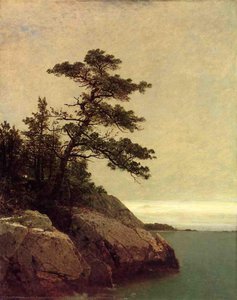
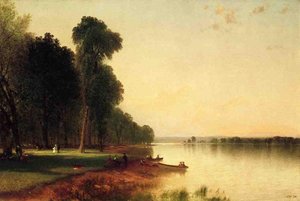
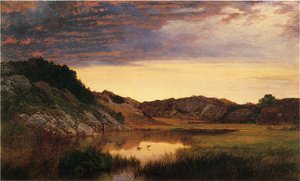
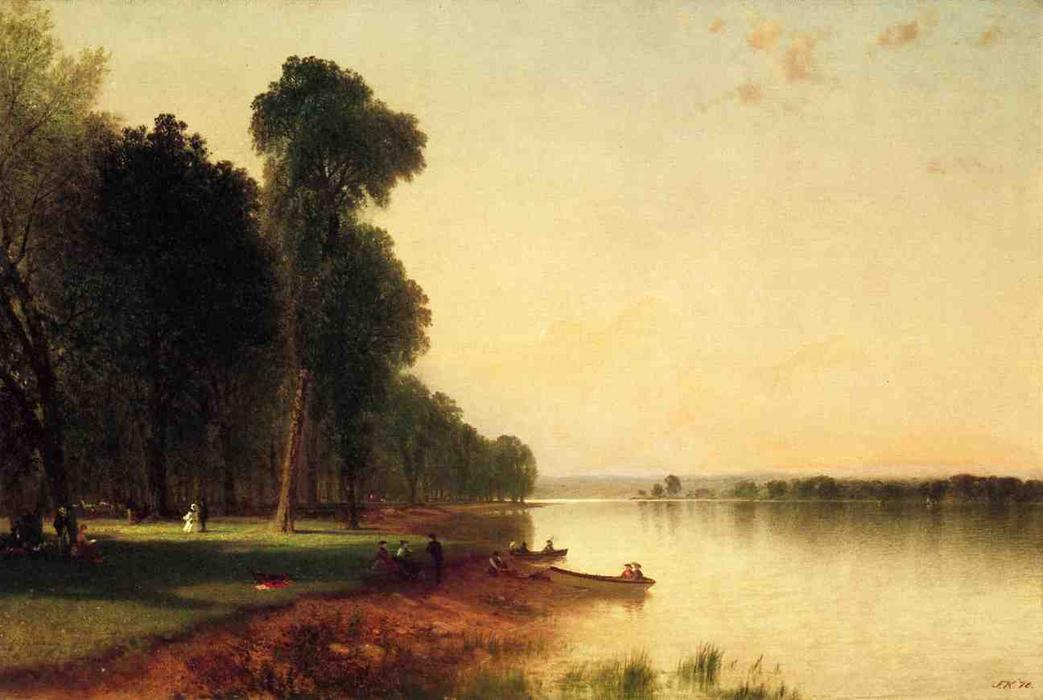
Summer Day on Conesus Lake


 Read More
Hand Made Oil Reproduction
Hand-painted oil on canvas in your size and frame, made to order by our artists. ( Buy Print Buy Image)




P118B $10

P118H $10

P118W $10

P438Z $10

P508JH $12

P508YH $12

P805H $10

P805Z $10

P919BZ $10

P919G $10

P919XJ $10

P959ZH $10

P968JZ $12

W106C $8

W218G $10

W218JH $8

W218Y $10

W307PJ $10

W316G $10

W316PJ $8

W316Y $10

W398PJ $8

W4111J $10

W500HY $15

W500JH $15

W692G $12

W849H $8

W940BG $15

W953PJ $8




Pick from our preset sizes that match the artwork's original proportions.

You may enter your own dimensions to fit a specific frame or space. If your selected size does not match the original image's proportions, we will either crop the artwork or extend the painting with additional hand-painted elements. A digital mockup will be sent for your approval before production begins.
Please note that the on-screen preview does not reflect the actual cropping or extension. Only the mockup will accurately show the final composition.
While custom sizes are available, we recommend selecting a dimension from the predefined list to preserve the original proportions.
After order, ArtsDot.com team will email client for instructions and provide a mockup preview
Worldwide Delivery () in 3/4 weeks instead of standard 5 weeks. (17 August). No compromise on quality.

Free Worldwide Express Shipping

High-Quality Linen Canvas

Full Shipping Insurance

Customs Tax Refund Guarantee

True Color Matching Guarantee

60-Day Return Policy (Defects Only)

100% Money-Back Guarantee

Bulk Discount Offer
 Glass option is only available in size under 110 CM

Summer Day on Conesus Lake
Reproduction Medium
Reproduction Size
-


Total Price
$ 263
Artwork Description
The Serene Embrace of Nature: John Frederick Kensett’s “Summer Day on Conesus Lake”
John Frederick Kensett's "Summer Day on Conesus Lake" isn’t merely a painting; it’s an invitation. An invitation to step into a moment suspended in time, where the warmth of a summer afternoon gently washes over a tranquil lakeside scene. Painted in 1870, this work exemplifies the height of Luminism – a style Kensett helped define – prioritizing atmospheric effects and capturing the elusive quality of light rather than sharp detail or dramatic narrative. The canvas breathes with an almost palpable stillness, inviting contemplation and a deep connection to the natural world.
Kensett’s choice of Conesus Lake itself is significant. Nestled within New York's Finger Lakes region, this lake held particular resonance for the artist, frequently visited by Robert M. Olyphant, a prominent patron and friend who owned a lakeside estate. This personal connection undoubtedly imbued the painting with a sense of intimacy and familiarity, reflecting Kensett’s deep appreciation for the beauty of his surroundings. The scene unfolds with a deliberate simplicity – a handful of figures scattered across the grassy bank, boats gliding silently on the water's surface, and towering trees framing the vista. There is no grand gesture, no overwhelming drama; instead, we are presented with an exquisitely rendered slice of everyday life harmonizing perfectly with the landscape.
A Luminist Vision: Light, Color, and Atmosphere
Kensett’s mastery lies in his ability to evoke atmosphere through subtle shifts in color and light. He eschews bold brushstrokes and vibrant hues, favoring instead a delicate layering of translucent washes that mimic the way sunlight filters through foliage and reflects off the water's surface. The palette is predominantly cool – blues, greens, and grays – creating a sense of serenity and depth. Notice how the light catches the ripples on the lake, transforming them into shimmering ribbons of silver and gold. The trees are rendered with an almost ethereal quality, their forms dissolving into the hazy atmosphere. This technique, central to Luminism, prioritizes the *impression* of light and color over precise representation.
- Technique: Kensett employed a wet-on-wet technique, applying paint while it was still wet to build up layers of translucent color.
- Color Palette: Dominated by cool blues, greens, and grays, creating a sense of tranquility and depth.
- Light & Atmosphere: The painting’s strength lies in its ability to capture the fleeting effects of sunlight and atmospheric haze.
Symbolism and the Transcendental Landscape
Beyond its technical brilliance, “Summer Day on Conesus Lake” resonates with deeper symbolic meaning. Kensett, influenced by the philosophies of the Hudson River School and the Transcendentalists like Ralph Waldo Emerson and Henry David Thoreau, sought to capture not just a scene but an *experience* – a communion with nature that transcends the mundane. The figures in the painting are deliberately understated, almost dissolving into the landscape, suggesting our own insignificance within the vastness of the natural world. The lake itself represents purity, reflection, and the restorative power of nature. It’s a space for contemplation, escape, and connection to something larger than ourselves.
A Legacy of Serenity: Reproductions and Beyond
Reproductions of “Summer Day on Conesus Lake” offer a remarkable opportunity to bring this timeless masterpiece into your home or office. The subtle nuances of Kensett’s technique – the delicate layering of color, the evocative use of light – are faithfully reproduced in high-quality prints and canvases. This painting serves as a reminder of the beauty that surrounds us and the importance of slowing down to appreciate it. It's more than just a pretty picture; it’s an invitation to find peace and serenity within the embrace of nature, mirroring Kensett’s own profound connection to the landscapes he so lovingly depicted.
Related Artworks




Artist Biography
a life devoted to capturing serene landscapes
john frederick kensett, an american artist and engraver, was born on march 22, 1816, in cheshire, connecticut. as a member of the second generation of the hudson river school of artists, kensett's signature works are characterized by their serene and luminous qualities, celebrating the transcendental aspects of nature.early life and training
kensett attended school at cheshire academy and studied engraving with his father, thomas kensett. he later worked as an engraver in new haven until 1838, then moved to new york city to work on banknote engravings. in 1840, kensett traveled to europe to study painting, refining his talents alongside benjamin champney.established studio and luminist style
after establishing his studio in new york, kensett extensively traveled throughout the northeast and colorado rockies, capturing the essence of these landscapes. his style evolved from traditional hudson river school to a more refined luminist approach, characterized by unselfconscious brushstrokes conveying qualities of atmospheric light.- mount washington from the valley of conway (1851), an iconic painting, was purchased by the american art union and distributed to 13,000 subscribers.
- eaton's neck, long island (1872), a prime example of kensett's luminist style, is now in the collection of the metropolitan museum of art in new york.
legacy and contributions
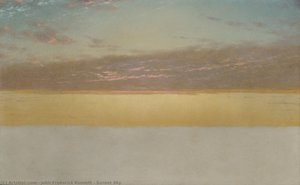
kensett was a founder of the metropolitan museum of art and a full member of the national academy of design. his work, widely acclaimed during his lifetime, continues to influence landscape painting. key works:- sunset sky (ca. 1870), the metropolitan museum of art, new york
- three mile harbor (ca. 1860), museum of fine arts, tallahassee
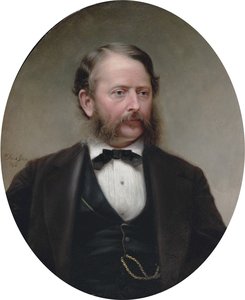
John Frederick Kensett
1816 - 1872 , United States of America
Quick Facts
- Artistic Movement Or Style: Hudson River School & Luminism
- Artists Or Movements Influenced By This Artist: ['Luminism']
- Artists Who Influenced This Artist:
- Thomas Cole
- Benjamin Champney
- Date Of Birth: March 22, 1816
- Date Of Death: December 14, 1872
- Full Name: John Frederick Kensett
- Nationality: American
- Notable Artworks:
- Mount Washington from the Valley of Conway
- Eaton's Neck, Long Island
- Place Of Birth: Cheshire, United States
Related Articles

John Constable's Masterpieces: Explore 25 Iconic Landscapes for Your Home
Journey through John Constable's 25 most celebrated landscapes. Explore Romanticism, Dedham Vale & his masterful use of light in iconic paintings like 'Hay Wain'. Find museum-quality art reproductions and elevate your home decor on ArtsDot.com.

John Frederick Kensett: Luminosity, Landscape & the American Identity
Explore the luminous landscapes of John Frederick Kensett, a master of Luminism and key figure in the Hudson River School. Discover his serene paintings & enduring legacy with ArtsDot.

John Singer Sargent's 25 Masterpieces: Portraits & Beyond | ArtsDot
Explore 25 iconic John Singer Sargent paintings – from dazzling portraits to Impressionist landscapes. Discover the stories behind Madame X, El Jaleo & more! Find museum-quality art reproductions and elevate your home decor with ArtsDot.com.

Beyond the Horizon: 10 Landscape Masterpieces for Your Home Decor
Journey through 10 breathtaking landscape paintings by Monet, Van Gogh & more! Explore iconic artworks, artistic techniques & find inspiration for your home decor. Museum-quality reproductions at ArtsDot.com. Discover all masterpieces on ArtsDot.com

Romantic Landscapes: 10 Masterpieces for Your Home | ArtsDot
Journey through 10 Romantic landscape masterpieces by Friedrich, Turner & Cole. Explore emotional art, sublime nature scenes & iconic 19th-century paintings. Find museum-quality reproductions for your home at ArtsDot.com – discover the full collection online!