 Preview
 Send
Send Share
Share
 Details

 Download
 Similars
 X-Ray
X-Ray Diaporama
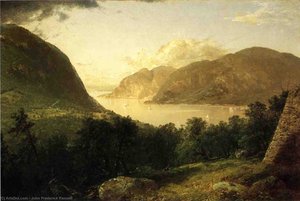
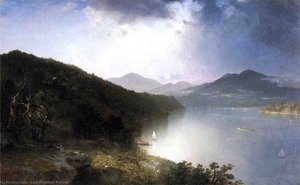
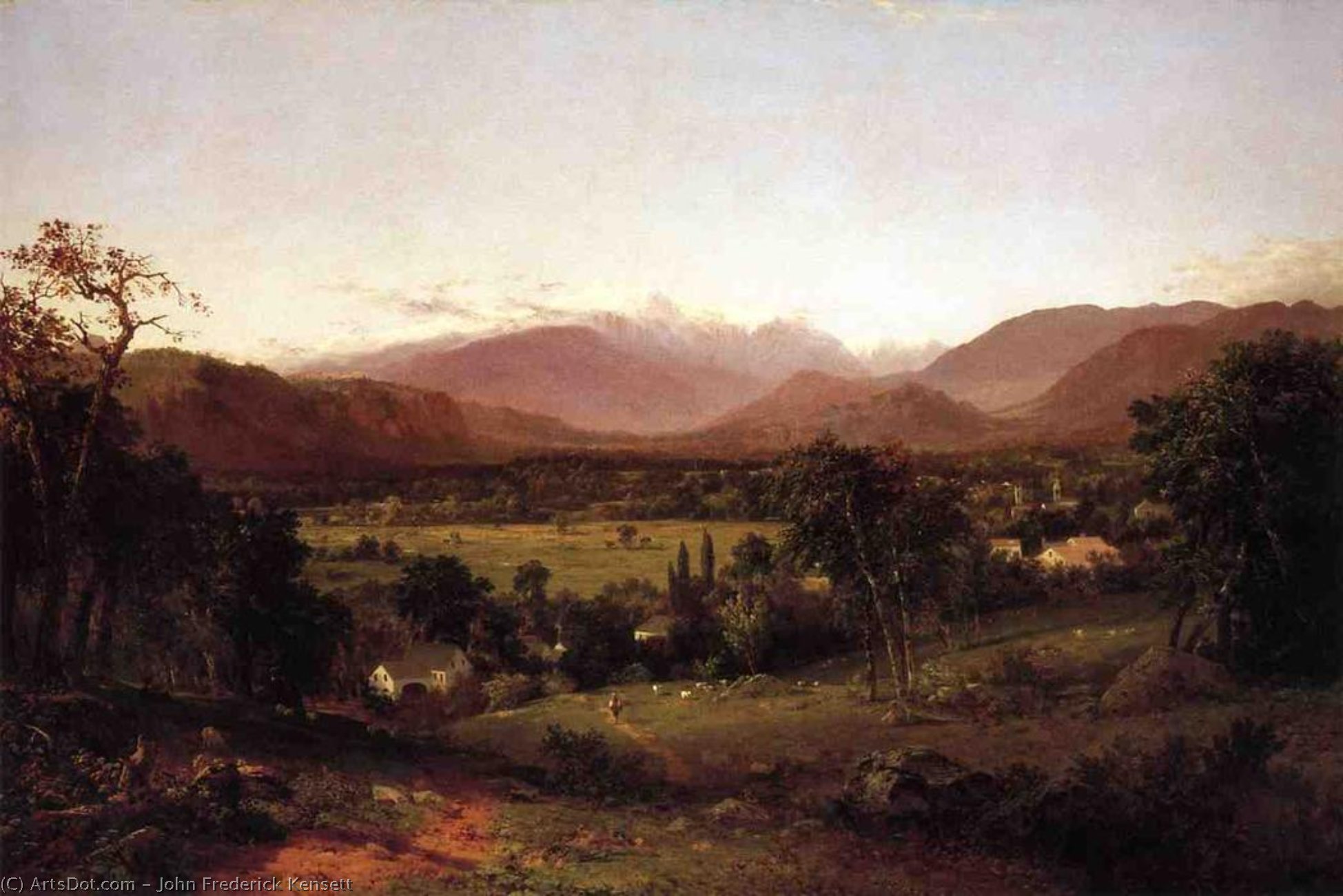
The White Mountains - From North Conway

 Read More
Giclée / Art Print
Museum-quality giclée or canvas print with fast production and flexible finish options. ( Buy Hand Made Painting Buy Image)




































Pick from our preset sizes that match the artwork's original proportions.

You may enter your own dimensions to fit a specific frame or space. If your selected size does not match the original image's proportions, we will either crop the artwork or extend the image with a mirrored or solid-fill edge. A digital mockup will be sent for your approval before production begins.
Please note that the on-screen preview does not reflect the actual cropping or extension. Only the mockup will accurately show the final composition.
While custom sizes are available, we recommend selecting a dimension from the predefined list to preserve the original proportions.
Worldwide Delivery () in 2 weeks instead of standard 4/5 weeks. (17 August)

Free Worldwide Express Shipping

High-Quality Linen Canvas

Full Shipping Insurance

Customs Tax Refund Guarantee

True Color Matching Guarantee

60-Day Return Policy (Defects Only)

100% Money-Back Guarantee

Bulk Discount Offer
 Glass option is only available in size under 110 CM

The White Mountains - From North Conway
Giclée / Art Print
Reproduction Size
-


Total Price
$ 63
Collectible Description
The Painting's Composition
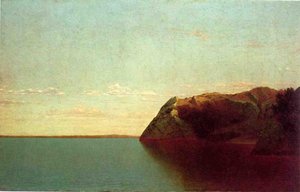
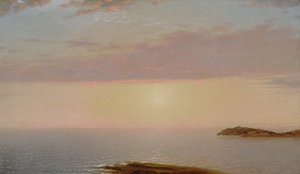
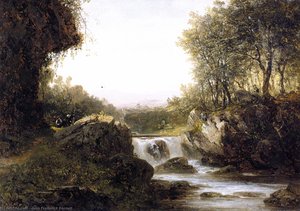
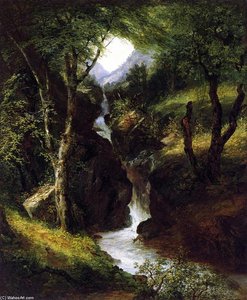
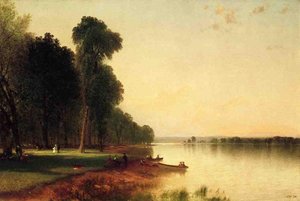
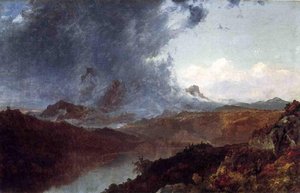
The painting depicts a serene landscape of mountains covered in snow, with a valley below them. The scene is populated by several trees scattered throughout the valley, adding to the natural beauty of the scene. In addition to the trees, there are also several sheep grazing on the grassy hillside. The use of light and color in the painting creates a sense of depth and dimensionality, drawing the viewer into the scene.The Artist's Style
John Frederick Kensett was a prominent artist of the Luminist movement, known for his landscapes that captured the beauty of the American wilderness. His paintings often featured serene and tranquil scenes, such as The White Mountains - From North Conway, which is now housed at the Davis Museum and Cultural Center in the United States. You can find more information about this painting on ArtsDot.com.Other Notable Works
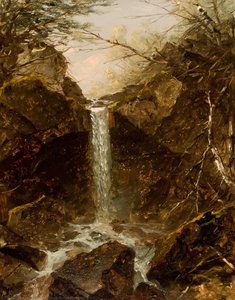
Some of John Frederick Kensett's other notable works include Along the Hudson, which is housed at the Smithsonian American Art Museum, and Forest Interior with Stream. These paintings showcase the artist's ability to capture the beauty of the natural world, using light and color to create a sense of depth and dimensionality. You can find more information about these paintings on ArtsDot.com.- Luminism is an American art movement that emerged during the mid-19th century.
- The term Luminism was first introduced in the 1950s by art historians to describe this style of painting.
- You can learn more about Luminism on ArtsDot.com.
The White Mountains - From North Conway is a beautiful example of the Luminist movement, and its use of light and color creates a sense of depth and dimensionality. If you're interested in learning more about this painting or other works by John Frederick Kensett, be sure to check out ArtsDot.com.
Related Artworks
Artist Biography
a life devoted to capturing serene landscapes
john frederick kensett, an american artist and engraver, was born on march 22, 1816, in cheshire, connecticut. as a member of the second generation of the hudson river school of artists, kensett's signature works are characterized by their serene and luminous qualities, celebrating the transcendental aspects of nature.early life and training
kensett attended school at cheshire academy and studied engraving with his father, thomas kensett. he later worked as an engraver in new haven until 1838, then moved to new york city to work on banknote engravings. in 1840, kensett traveled to europe to study painting, refining his talents alongside benjamin champney.established studio and luminist style
after establishing his studio in new york, kensett extensively traveled throughout the northeast and colorado rockies, capturing the essence of these landscapes. his style evolved from traditional hudson river school to a more refined luminist approach, characterized by unselfconscious brushstrokes conveying qualities of atmospheric light.- mount washington from the valley of conway (1851), an iconic painting, was purchased by the american art union and distributed to 13,000 subscribers.
- eaton's neck, long island (1872), a prime example of kensett's luminist style, is now in the collection of the metropolitan museum of art in new york.
legacy and contributions
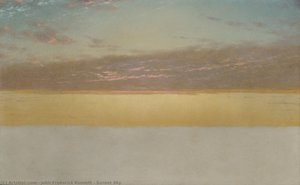
kensett was a founder of the metropolitan museum of art and a full member of the national academy of design. his work, widely acclaimed during his lifetime, continues to influence landscape painting. key works:- sunset sky (ca. 1870), the metropolitan museum of art, new york
- three mile harbor (ca. 1860), museum of fine arts, tallahassee
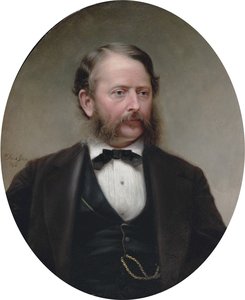
John Frederick Kensett
1816 - 1872 , United States of America
Quick Facts
- Artistic Movement Or Style: Hudson River School & Luminism
- Artists Or Movements Influenced By This Artist: ['Luminism']
- Artists Who Influenced This Artist:
- Thomas Cole
- Benjamin Champney
- Date Of Birth: March 22, 1816
- Date Of Death: December 14, 1872
- Full Name: John Frederick Kensett
- Nationality: American
- Notable Artworks:
- Mount Washington from the Valley of Conway
- Eaton's Neck, Long Island
- Place Of Birth: Cheshire, United States