 Preview
 Send
Send Share
Share
 Details

 Download
 Similars
 X-Ray
X-Ray Diaporama
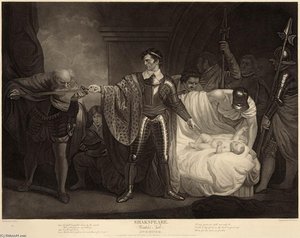
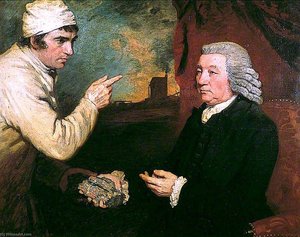
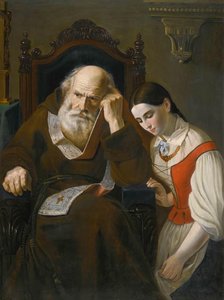
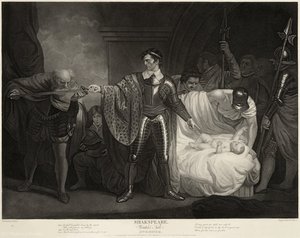
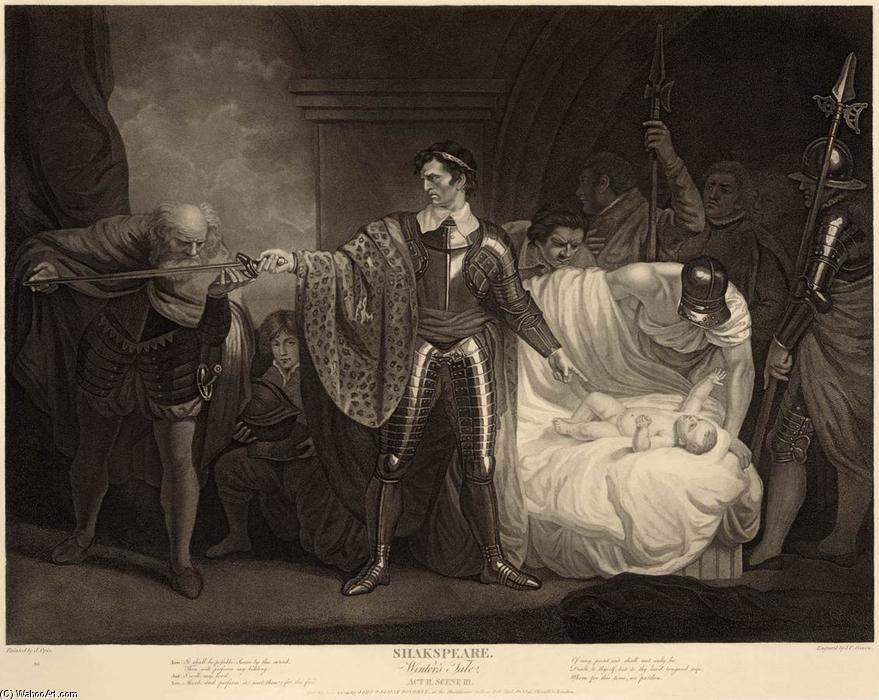
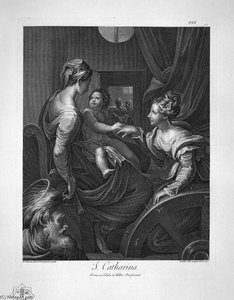
Scene from Shakespeare's Winter's Tale


 Read More
Hand Made Oil Reproduction
Hand-painted oil on canvas in your size and frame, made to order by our artists. ( Buy Print Buy Image)




P118B $10

P118H $10

P118W $10

P438Z $10

P508JH $12

P508YH $12

P805H $10

P805Z $10

P919BZ $10

P919G $10

P919XJ $10

P959ZH $10

P968JZ $12

W106C $8

W218G $10

W218JH $8

W218Y $10

W307PJ $10

W316G $10

W316PJ $8

W316Y $10

W398PJ $8

W4111J $10

W500HY $15

W500JH $15

W692G $12

W849H $8

W940BG $15

W953PJ $8




Pick from our preset sizes that match the artwork's original proportions.

You may enter your own dimensions to fit a specific frame or space. If your selected size does not match the original image's proportions, we will either crop the artwork or extend the painting with additional hand-painted elements. A digital mockup will be sent for your approval before production begins.
Please note that the on-screen preview does not reflect the actual cropping or extension. Only the mockup will accurately show the final composition.
While custom sizes are available, we recommend selecting a dimension from the predefined list to preserve the original proportions.
After order, ArtsDot.com team will email client for instructions and provide a mockup preview
Worldwide Delivery () in 3/4 weeks instead of standard 5 weeks. (24 August). No compromise on quality.

Free Worldwide Express Shipping

High-Quality Linen Canvas

Full Shipping Insurance

Customs Tax Refund Guarantee

True Color Matching Guarantee

60-Day Return Policy (Defects Only)

100% Money-Back Guarantee

Bulk Discount Offer
 Glass option is only available in size under 110 CM

Scene from Shakespeare's Winter's Tale
Reproduction Medium
Reproduction Size
-


Total Price
$ 263
Artwork Description
A Dramatic Tableau: Shakespeare Reimagined in Etching
In the quiet, evocative depths of John Opie’s 1790 engraving, "Scene from Shakespeare's Winter's Tale," we are transported to a moment of profound theatrical tension. This masterful work does not merely illustrate a play; it captures the very breath held between characters during a pivotal confrontation. As part of the illustrious Boydell Shakespeare Gallery tradition, this piece brings to life the psychological complexity of Shakespeare’s late romance, presenting a tableau where magic and mortality intersect. The scene centers on the intense interaction between Prospero and Ariel, a moment fraught with the weight of unspoken emotion and the urgency of supernatural intervention. Through Opie's lens, the regal setting of a royal court becomes a stage for deep human struggle, making it an irresistible centerpiece for those who appreciate art that tells a story of reconciliation and dramatic tension.
The technical brilliance of this engraving lies in Opie’s sophisticated use of etching, a medium that allows for an extraordinary interplay of light and shadow. By meticulously scratching away the metal plate to create fine lines, the artist achieves a remarkable range of tonal gradations that breathe life into the textures of the scene. One can almost feel the cold weight of the armor, the sharp edge of the weaponry, and the heavy, opulent folds of the fabrics adorning the courtly figures. This attention to detail creates a sense of tactile reality, where the subdued lighting casts dramatic shadows across the room, heightening the atmosphere of mystery and importance. For the discerning collector or interior designer, such intricate detail offers a profound visual richness that commands attention in any curated space.
The Enlightenment Spirit and Symbolic Depth
Emerging from the intellectual ferment of the late 18th-century Enlightenment, this artwork reflects a period fascinated by the marriage of reason and classical beauty. The neoclassical style is evident in the clarity of form and the rational, balanced composition that guides the viewer's eye through the crowded court. Yet, beneath this structured surface lies a deep well of symbolism. The outstretched hand of Ariel serves as a powerful gesture of persuasion and plea, embodying the play's themes of communication and the necessity of forgiveness. In contrast, Prospero’s resolute posture embodies the burden of authority and the moral dilemmas faced by those who wield power over both the physical and magical realms.
To possess a reproduction of this work is to invite a piece of literary and art history into one's home. It serves as a sophisticated nod to the enduring legacy of the Bard of Avon and the rise of British artistic achievement during the era of the Royal Academy. Whether placed in a library, a study, or a grand salon, this engraving provides more than mere decoration; it offers a window into an age of profound intellectual curiosity and dramatic mastery. It is a piece designed for those who seek to surround themselves with art that stimulates the intellect and stirs the soul, providing a timeless focal point that resonates with both historical gravity and aesthetic elegance.
Related Artworks
Artist Biography
A Cornish Prodigy Ascends: The Life and Art of John Opie
John Opie, born in the humble surroundings of Harmony Cottage, Trevellas, Cornwall in 1761, emerged as one of the most remarkable artistic figures of his generation. His story is a compelling narrative of raw talent nurtured against the odds, rising from a carpenter’s son to become a celebrated portraitist and history painter, a Royal Academician, and an influential voice within the British art world. Opie's early life was marked by a precocious aptitude for both drawing and mathematics – a duality that perhaps informed his meticulous approach to composition and form. Even as a young boy, he demonstrated an independent spirit, establishing an evening school to teach reading, writing, and arithmetic to local children while simultaneously mastering Euclid’s geometry. This thirst for knowledge, coupled with his artistic inclination, was initially met with resistance from his father, who insisted on an apprenticeship in carpentry. However, fate intervened in the form of Dr. John Wolcot, known as Peter Pindar, a physician and satirist whose discerning eye recognized the extraordinary potential within the young Opie.Mentorship, London, and Royal Patronage
Wolcot became Opie’s champion, securing his release from the carpentry apprenticeship and providing him with invaluable guidance, encouragement, and crucial introductions. This mentorship proved pivotal in launching Opie's career. In 1781, they journeyed to London together, where Wolcot shrewdly presented Opie as a self-taught prodigy – a “Cornish wonder” untouched by formal artistic training. This narrative captivated the London art scene, drawing comparisons to masters like Caravaggio and Velázquez from none other than Sir Joshua Reynolds himself. The initial success was swift and dazzling. Commissions poured in, including portraits of members of the British royal family—the Duke and Duchess of Gloucester, Lady Salisbury, and Mary Delany among them. Opie’s residence on Castle Street became a hub of fashionable society, his talent commanding attention and admiration. However, the partnership with Wolcot eventually dissolved as Opie asserted his independence, seeking to forge his own path without the constraints of their profit-sharing agreement. This period solidified Opie's reputation, establishing him as a leading portraitist capable of capturing not only physical likeness but also the character and social standing of his sitters.Beyond Portraiture: Historical Paintings and Academic Recognition
While initially celebrated for his portraits, Opie harbored ambitions beyond simply recording the faces of the elite. He yearned to engage with grand historical narratives, seeking to establish himself as a painter of significant subjects. This ambition led him to explore history painting, culminating in works like *The Assassination of James I* (1786) and *The Murder of Rizzio* (1787). The latter proved particularly impactful, earning him immediate election as an Associate of the Royal Academy and full membership the following year. These historical paintings demonstrated a growing mastery of composition, dramatic lighting—often reminiscent of Rembrandt—and a commitment to conveying emotional intensity. Opie’s dedication to his craft extended beyond painting; he actively sought to broaden his intellectual horizons through the study of Latin, French literature, and cultivated social circles. He also became deeply involved with John Boydell's Shakespeare Gallery, creating five paintings inspired by the Bard’s plays, further cementing his position within the artistic establishment.A Legacy of Artistry and Thought
Opie’s later life was marked by both professional success and personal challenges. His first marriage proved unhappy, ending in divorce in 1796. However, he found lasting happiness with Amelia Alderson, a writer and abolitionist whom he married in 1798. Their partnership fostered mutual support and intellectual stimulation. In 1805, Opie was appointed Professor of Painting at the Royal Academy, a testament to his standing within the art world. His lectures, delivered in 1806 and published posthumously in 1809 with a memoir by Amelia, revealed a thoughtful and articulate mind deeply engaged with the principles of artistic creation. He advocated for the formation of a national gallery—a visionary idea that would eventually become reality—and offered insightful commentary on the state of British art. John Opie’s untimely death in April 1807 at the age of 46 cut short a promising career, but his legacy endures. He left behind a substantial body of work – over 500 portraits and 250 other paintings—that offers a fascinating glimpse into the social and cultural landscape of late 18th and early 19th century Britain. He remains a significant figure in British art history, celebrated for his technical skill, insightful portraiture, and contributions to artistic discourse.
John Opie
1761 - 1807 , United Kingdom
Quick Facts
- Artistic Movement Or Style: Historical & Portraiture
- Artists Who Influenced This Artist:
- Caravaggio
- Velazquez
- Date Of Birth: 1761
- Date Of Death: 1807
- Full Name: John Opie
- Nationality: British
- Notable Artworks: ['Shakespeare Gallery works']
- Place Of Birth: Trevellas, UK
Related Articles
John Singer Sargent's 25 Masterpieces: Portraits & Beyond | ArtsDot
Explore 25 iconic John Singer Sargent paintings – from dazzling portraits to Impressionist landscapes. Discover the stories behind Madame X, El Jaleo & more! Find museum-quality art reproductions and elevate your home decor with ArtsDot.com.

John Constable's Masterpieces: Explore 25 Iconic Landscapes for Your Home
Journey through John Constable's 25 most celebrated landscapes. Explore Romanticism, Dedham Vale & his masterful use of light in iconic paintings like 'Hay Wain'. Find museum-quality art reproductions and elevate your home decor on ArtsDot.com.
Engraving: A Historical Survey of Technique, Artistic Expression & Enduring Legacy
Explore the rich history of engraving with ArtsDot. Discover techniques, iconic artists like Dürer & Callot, collecting tips, and expert guidance for preserving your art investment. Learn about intaglio printing & more!
Engraving's Golden Age: 10 Masterpieces That Redefined Art | ArtsDot
Journey through art history with our Top 10 Legendary Engravings! Explore masterpieces by Dürer, Rembrandt & Goya. Discover the stories behind these iconic prints and find museum-quality reproductions for your home at ArtsDot.com.

Giclée Prints: Archival Quality & Aesthetic Nuances for the Discerning Collector
Explore the world of giclée prints with ArtsDot. Learn about archival quality, aesthetic nuances & investment potential. Expert guidance for discerning art collectors seeking museum-quality reproductions and lasting value.