 Preview
 Send
Send Share
Share
 Details

 Download
 Similars
 X-Ray
X-Ray Diaporama
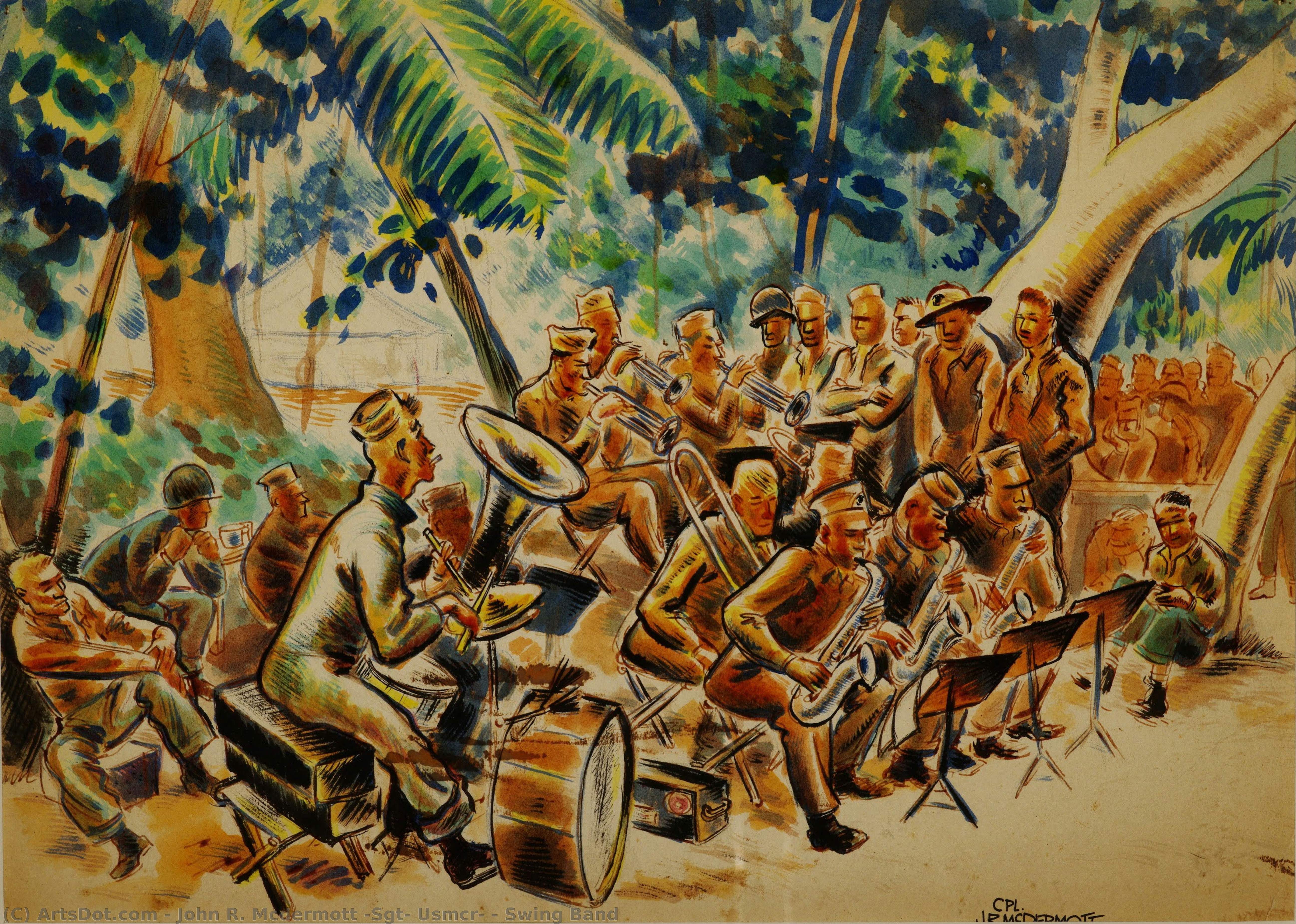
Swing Band


 Read More
Hand Made Oil Reproduction
Hand-painted oil on canvas in your size and frame, made to order by our artists. ( Buy Print Buy Image)




P118B $10

P118H $10

P118W $10

P438Z $10

P508JH $12

P508YH $12

P805H $10

P805Z $10

P919BZ $10

P919G $10

P919XJ $10

P959ZH $10

P968JZ $12

W106C $8

W218G $10

W218JH $8

W218Y $10

W307PJ $10

W316G $10

W316PJ $8

W316Y $10

W398PJ $8

W4111J $10

W500HY $15

W500JH $15

W692G $12

W849H $8

W940BG $15

W953PJ $8




Pick from our preset sizes that match the artwork's original proportions.

You may enter your own dimensions to fit a specific frame or space. If your selected size does not match the original image's proportions, we will either crop the artwork or extend the painting with additional hand-painted elements. A digital mockup will be sent for your approval before production begins.
Please note that the on-screen preview does not reflect the actual cropping or extension. Only the mockup will accurately show the final composition.
While custom sizes are available, we recommend selecting a dimension from the predefined list to preserve the original proportions.
After order, ArtsDot.com team will email client for instructions and provide a mockup preview
Worldwide Delivery () in 3/4 weeks instead of standard 5 weeks. (17 August). No compromise on quality.

Free Worldwide Express Shipping

High-Quality Linen Canvas

Full Shipping Insurance

Customs Tax Refund Guarantee

True Color Matching Guarantee

60-Day Return Policy (Defects Only)

100% Money-Back Guarantee

Bulk Discount Offer
 Glass option is only available in size under 110 CM

Swing Band
Reproduction Medium
Reproduction Size
-


Total Price
$ 263
Artwork Description
A Moment Frozen in Rhythm: The Soul of Swing
In the heart of 1943, amidst the global turbulence of World War II, there existed pockets of profound human connection and rhythmic escape. John R. McDermott’s Swing Band captures one such ephemeral moment with breathtaking intimacy. This watercolor masterpiece does not merely depict a musical performance; it invites the viewer to step into a crowded, dimly lit venue where the air is thick with the brassy melodies of the era. The painting portrays a lively ensemble of musicians—trumpeters and trombonists poised in mid-note—commanding a stage that serves as an altar to the joy of swing. Through delicate washes of color and fluid brushwork, McDermott recreates the kinetic energy of a live performance, where the boundary between the performers and the captivated audience begins to blur.
The technique employed by McDermott reveals his sophisticated background in animation, a discipline that requires an innate understanding of movement and timing. Using the translucent properties of watercolor, he masterfully manages light and shadow to suggest the hazy, atmospheric glow of a dance hall. The musicians are rendered with a sense of rhythmic motion, their instruments catching the light as if reflecting the very vibrations of the music. Around the stage, the crowd is a tapestry of human emotion; some spectators lean forward in rapt attention, while others stand close to the edge of the stage, caught in the magnetic pull of the brass section. This interplay of light and soft edges creates a sense of nostalgia, making the scene feel like a cherished memory surfacing from the depths of history.
Beyond its technical brilliance, Swing Band carries a profound historical weight. Created during a period when the world was gripped by conflict, the painting serves as a poignant symbol of resilience and the enduring power of culture. For the artist himself, a member of the US Marine Corps who would later witness the intense battles of Guam and Okinawa, this work represents a vital connection to the home front and the civilian spirit that music helped sustain. The piece embodies the "swing" era's ability to provide solace through rhythm, turning a simple gathering into a defiant celebration of life. It is a testament to the idea that even in the darkest of times, harmony can be found.
For the discerning collector or interior designer, this reproduction offers more than just aesthetic beauty; it provides a narrative anchor for any space. The artwork’s warm tones and lively composition make it an ideal centerpiece for a room designed to evoke conversation and warmth. Whether placed in a sophisticated study, a contemporary living area, or a curated gallery wall, Swing Band brings with it an unmistakable sense of character and historical depth. It is a piece that resonates with anyone who finds beauty in the movement of life and the timeless, universal language of music.
Related Artworks


Artist Biography
Early Life and Influences (1855 – 1919)
Evelyn De Morgan, a name often overshadowed by the more celebrated figures of her era, was an artist who fiercely defied societal expectations and carved out a unique space for herself within the vibrant artistic landscape of late Victorian and Edwardian England. Born in London in 1855 to Percival Pickering Q.C. and Anna Maria Spencer Stanhope, Evelyn’s upbringing was steeped in privilege yet simultaneously marked by constraints imposed upon women of her class. Her family's lineage traced back through generations of prominent figures – politicians, landowners, and nobility – a background that provided both opportunities and limitations for a young woman aspiring to a career in the arts. While her mother held conservative views regarding art’s place within a woman’s education, Evelyn’s father recognized her artistic inclinations and, crucially, secured private drawing lessons from a tutor named Green, providing her with the foundational skills necessary to pursue her passion. This early support, coupled with family trips to France and Italy to study Old Master paintings, laid the groundwork for her distinctive style. Evelyn's education was unusually comprehensive for a girl of her time, encompassing Latin, Greek, French, German, and Italian alongside classical literature and mythology. This rigorous academic training instilled in her a deep appreciation for beauty, history, and symbolism – elements that would profoundly influence her artistic vision. Notably, she used poetry as an outlet for expressing her burgeoning socialist, spiritualist, and feminist beliefs, foreshadowing the themes that would dominate her later works. The diaries recovered from The De Morgan Foundation archive reveal a young woman grappling with societal expectations and determined to forge her own path, rejecting the prescribed roles of wife and mother in favor of artistic expression. Her uncle, John Roddham Spencer Stanhope, was also an artist, further fueling her ambition and providing a connection to a family tradition she embraced wholeheartedly.The Development of Her Style
Evelyn’s artistic journey began with a fascination for portraiture, often depicting members of her family and friends in intimate settings. However, it wasn't long before she transitioned to landscapes and genre scenes, developing a distinctive style characterized by rich colors, loose brushstrokes, and an emphasis on capturing the light and atmosphere of her subjects. Unlike many artists of her time who adhered to strict academic conventions, Evelyn embraced a more expressive approach, prioritizing emotional resonance over meticulous detail. Her paintings are imbued with a sense of warmth, sensuality, and spiritual depth – qualities that set her apart from the prevailing artistic trends of the period. A pivotal moment in her development occurred during her travels to Italy in 1873-74, where she studied under the guidance of established masters like Jean-Léon Gérôme. This experience profoundly shaped her technique and broadened her understanding of composition, color theory, and anatomical accuracy. Returning to England, Evelyn continued to refine her style, incorporating elements of Impressionism while retaining her own unique sensibility. Her work evolved over time, moving from the more formal portraiture of her early years to a looser, more painterly approach that reflected her growing confidence and artistic maturity.Themes and Symbolism
Evelyn De Morgan’s paintings are not merely decorative; they are imbued with complex symbolic meanings and explore profound themes related to femininity, spirituality, social justice, and the human condition. Her subjects – often women engaged in domestic activities or contemplative moments – are depicted with a remarkable degree of empathy and understanding. She frequently used clothing as a means of conveying character and status, employing rich fabrics and intricate patterns to create visually arresting compositions. Recurring motifs in her work include flowers, birds, and musical instruments, each carrying symbolic weight. Flowers represent beauty, fertility, and the cyclical nature of life, while birds symbolize freedom, spirituality, and transcendence. Musical instruments – particularly the harp – evoke themes of harmony, love, and artistic expression. Evelyn’s paintings also subtly critique social inequalities and advocate for women's rights, reflecting her progressive ideals. Her depiction of female figures in positions of power and agency challenged conventional gender roles and offered a vision of a more equitable society.Legacy and Significance
Despite facing considerable prejudice and limited recognition during her lifetime, Evelyn De Morgan’s artistic legacy has steadily grown over the past century. The De Morgan Foundation, established to preserve and promote her work, plays a crucial role in ensuring that her paintings are appreciated for their beauty, complexity, and historical significance. Her distinctive style – characterized by its rich colors, expressive brushstrokes, and symbolic depth – continues to resonate with contemporary audiences. Evelyn De Morgan’s story is one of resilience, determination, and artistic vision. She defied the constraints imposed upon women in Victorian England to pursue her passion for painting, creating a body of work that offers a unique perspective on beauty, spirituality, and social justice. Her paintings serve as a testament to the power of art to challenge conventions, inspire empathy, and illuminate the human experience. Today, Evelyn De Morgan is recognized as one of the most important and influential artists of her time – a woman who dared to dream beyond the limitations of her era and left an enduring mark on the history of British art.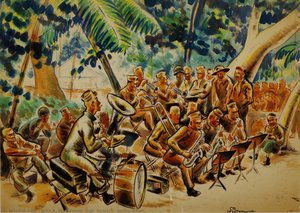
john r. mcdermott (sgt, usmcr)
1919 - 1977 , United Kingdom
Quick Facts
- Artistic Movement Or Style: Impressionism, Symbolism
- Artists Or Movements Influenced By This Artist: ['Later Impressionists']
- Artists Who Influenced This Artist:
- Pierre-Auguste Renoir
- John Roddham Spencer Stanhope
- Date Of Birth: 1855-09-26
- Date Of Death: 1919-07-31
- Full Name: Evelyn De Morgan
- Nationality: British
- Notable Artworks:
- The Poet's Dinner
- Mrs. Alexander Cassatt
- A Lady in a Blue Room
- Place Of Birth: London, England
Related Articles
Watercolor Wonders: 10 Masterpieces That Redefined Art History | ArtsDot
Journey through 10 legendary watercolor masterpieces by Sargent, Turner & Homer! Explore iconic landscapes, portraits & floral art that redefined history. Find museum-quality reproductions and curated decor ideas at ArtsDot.com.

Ephemeral Visions: Exploring the Artistic Legacy & Contemporary Practice of Watercolor Painting
Explore the captivating world of watercolor painting! Discover its rich history, essential techniques, influential artists & collecting tips. A comprehensive guide for art enthusiasts from ArtsDot.
Ephemeral Visions: Exploring the History & Emotional Resonance of Watercolor Painting
Explore the captivating history of watercolor painting, from ancient techniques to modern masters like Kandinsky & Blake. Discover essential artists, collecting tips & the emotional power of this luminous medium. Expert insights for art enthusiasts.
Ephemeral Visions: Exploring the Artistic Legacy & Nuances of Watercolor Painting
Explore the captivating world of watercolor painting! Discover its rich history, essential techniques, influential artists & collecting tips from art experts. A comprehensive guide for enthusiasts.
The Enduring Appeal of Watercolor: History, Techniques & Contemporary Practice
Explore the captivating world of watercolor painting! Discover its rich history, essential techniques, influential artists, and collecting tips. A comprehensive guide for art enthusiasts.