 Preview
 Send
Send Share
Share
 Details

 Download
 Similars
 X-Ray
X-Ray Diaporama
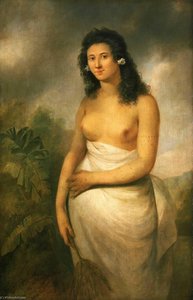
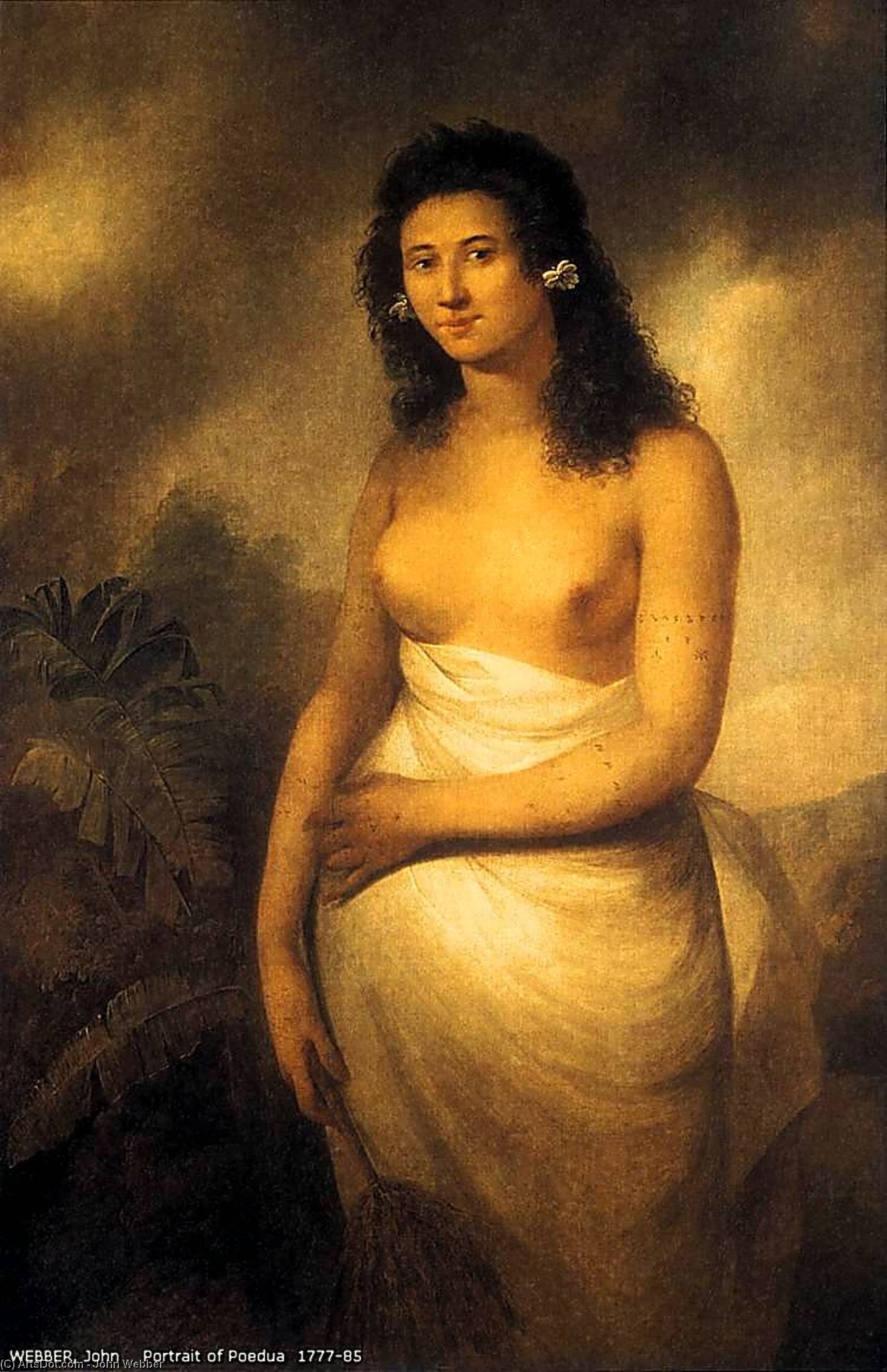
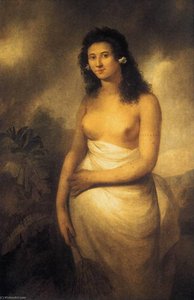
Portrait of Poedua
 Acrylic On Canvas
- WallArt
- Romanticism
 1777
1777 142.0 x 94.0 cm
 National Maritime Museum
 Read More
Hand Made Oil Reproduction
Hand-painted oil on canvas in your size and frame, made to order by our artists. ( Buy Print Buy Image)




P118B $10

P118H $10

P118W $10

P438Z $10

P508JH $12

P508YH $12

P805H $10

P805Z $10

P919BZ $10

P919G $10

P919XJ $10

P959ZH $10

P968JZ $12

W106C $8

W218G $10

W218JH $8

W218Y $10

W307PJ $10

W316G $10

W316PJ $8

W316Y $10

W398PJ $8

W4111J $10

W500HY $15

W500JH $15

W692G $12

W849H $8

W940BG $15

W953PJ $8




Pick from our preset sizes that match the artwork's original proportions.

You may enter your own dimensions to fit a specific frame or space. If your selected size does not match the original image's proportions, we will either crop the artwork or extend the painting with additional hand-painted elements. A digital mockup will be sent for your approval before production begins.
Please note that the on-screen preview does not reflect the actual cropping or extension. Only the mockup will accurately show the final composition.
While custom sizes are available, we recommend selecting a dimension from the predefined list to preserve the original proportions.
After order, ArtsDot.com team will email client for instructions and provide a mockup preview
Worldwide Delivery () in 3/4 weeks instead of standard 5 weeks. (16 August). No compromise on quality.

Free Worldwide Express Shipping

High-Quality Linen Canvas

Full Shipping Insurance

Customs Tax Refund Guarantee

True Color Matching Guarantee

60-Day Return Policy (Defects Only)

100% Money-Back Guarantee

Bulk Discount Offer
 Glass option is only available in size under 110 CM

Portrait of Poedua
Reproduction Medium
Reproduction Size
-


Total Price
$ 263
Artwork Description
A Serene Reflection on Beauty: Exploring John Webber’s Portrait of Poedua
The painting “Portrait of Poedua,” executed by John Webber in 1777, stands as a testament to the Romantic era's fascination with idealized femininity and meticulous artistic observation. More than just a likeness, it embodies a profound meditation on grace, vulnerability, and the subtle interplay between light and shadow—elements that continue to resonate powerfully with audiences today. Webber’s masterful depiction captures not merely physical appearance but also an intangible essence of beauty, cementing its place within the canon of British portraiture.The Artist's Vision: John Webber and His Parisian Training
Born in London in 1751, John Webber’s artistic journey began in Bern, Switzerland, where he spent his formative years under the tutelage of Johann Ludwig Aberli—a fellow landscape painter who instilled in him a dedication to precise draughtsmanship. This early influence profoundly shaped Webber's approach to art, prioritizing accuracy and detail alongside an appreciation for tonal harmony. Subsequently, Webber pursued formal studies at the Académie Royale in Paris for four crucial years, immersing himself in the burgeoning artistic fervor of the Enlightenment. The Parisian atelier fostered his understanding of chiaroscuro—the dramatic use of light and dark—a technique he would skillfully employ throughout his prolific career.A Study in Romantic Idealism: Style and Technique
Webber’s “Portrait of Poedua” exemplifies the stylistic hallmarks of Romantic art, characterized by an emphasis on emotion and subjective experience alongside a commitment to realism. Unlike earlier portraits that prioritized formal elegance and aristocratic grandeur, Webber sought to convey inner character through nuanced facial expressions and subtle gestures. The painting utilizes oil paint on canvas—a standard medium for portraiture at the time—allowing for rich color saturation and textural depth. Webber’s meticulous brushwork captures the delicate contours of the woman's face and hair, creating an illusion of palpable softness and luminosity. Notably, he skillfully employs atmospheric perspective to render the surrounding trees in muted tones, subtly reinforcing the contemplative mood of the scene.Historical Context: The Pacific Expedition and Artistic Patronage
The commission for “Portrait of Poedua” arose from Captain James Cook’s third voyage of discovery (1768-79), a monumental undertaking that captivated the imagination of Europe. Webber was appointed as the expedition's official artist, tasked with documenting its scientific observations and capturing visual representations of exotic landscapes and peoples. This patronage by the Royal Society ensured Webber’s access to resources and provided him with invaluable experience in observing and recording natural phenomena—skills he seamlessly integrated into his artistic practice. The painting reflects the broader cultural preoccupation with portraying idealized beauty and exploring themes of innocence and contemplation, sentiments prevalent during the Romantic period's ascendancy.Symbolism and Emotional Resonance: Beyond Mere Representation
Beyond its technical brilliance, “Portrait of Poedua” possesses a symbolic depth that elevates it beyond mere likeness. The woman’s averted gaze speaks to a quiet introspection—a refusal to confront the viewer directly—suggesting an inner world brimming with emotion and thought. The flower nestled in her hair serves as a visual emblem of purity and femininity, aligning with Romantic ideals of feminine virtue. Webber's masterful manipulation of light and shadow contributes significantly to the painting’s emotional impact, creating a sense of serenity and tranquility that invites contemplation. It is precisely this ability to evoke feeling—to transcend the surface appearance of the subject—that secures “Portrait of Poedua” its enduring legacy as a masterpiece of Romantic portraiture.Related Artworks
Artist Biography
Early Life and Education
- Birth and Family: John Webber was born on October 6, 1751, in London, United Kingdom. His father, Abraham Wäber, was a Swiss sculptor who anglicized his name upon moving to London and marrying Mary Quant in 1744.
- Early Training: Webber received his initial education in Bern, Switzerland, where he lived with his paternal aunt from the age of six. He began his artistic training as an apprentice to Johann Ludwig Aberli, a prominent landscape painter.
- Studies in Paris: From 1770, Webber continued his studies at the Académie Royale in Paris for four years, focusing on drawing and oil painting. This period honed his skills and broadened his artistic horizons.
- Return to London: After completing his education abroad, Webber returned to London and further refined his techniques at the Royal Academy.
The Pacific Expedition with Captain Cook
- Appointment as Artist: In 1776, Webber was selected as the official artist for Captain James Cook's third voyage of discovery in the Pacific. This opportunity arose through a recommendation from Daniel Solander, a botanist who had accompanied Cook on his first voyage.
- Voyage and Documentation: From 1776 to 1780, Webber meticulously documented the landscapes, people, and cultures encountered during the expedition. He created numerous drawings and watercolors of scenes in New Zealand, Hawaii (then known as the Sandwich Islands), Alaska, and other Pacific locations.
- First European Contact with Hawaii: Webber became the first European artist to make contact with Hawaii, producing significant visual records of the islands and their inhabitants. His watercolor landscapes of Kauai and Hawaii Island, including Kealakekua Bay and Kowroaa village, are particularly notable.
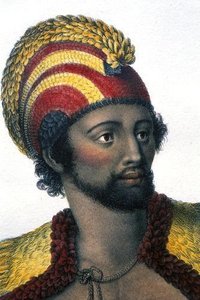
- Portraits of Indigenous Peoples: Webber also created portraits of prominent figures like Tereoboo, King of Owyhee, offering valuable insights into the appearance and customs of Pacific Islanders.
- Illustrations for Admiralty Account: His work was crucial in illustrating the British Admiralty's official account of the expedition, published in 1784. These engravings brought the discoveries of Cook’s voyage to a wider audience.
Career and Artistic Style
- Exhibitions at the Royal Academy: Following his return to England in 1780, Webber exhibited around 50 works at the Royal Academy between 1784 and 1792. His paintings showcased both landscapes and figures.
- Recognition and Membership: He was elected an associate of the Royal Academy in 1785 and a full member in 1791, demonstrating his growing reputation within the British art world.
- Landscape Focus with Figurative Elements: Webber’s artistic style primarily focused on landscapes, often incorporating figures to add narrative or scale. A notable example is “A Party from H.M.S. Resolution shooting sea horses,” exhibited in 1784.
- Influence of Earlier Masters: While his work reflects the influence of earlier landscape painters like Aberli, Webber developed a unique style characterized by detailed observation and accurate representation of natural environments.
Legacy and Collections
- Historical Significance: John Webber’s artwork provides invaluable visual documentation of Captain Cook's voyages and the first European encounters with Pacific cultures. His images offer a unique perspective on 18th-century exploration and cultural exchange.
- Museum Holdings: His works are held in numerous prestigious collections worldwide, including the Anchorage Museum of History and Art (Alaska), the Bishop Museum (Honolulu), the British Museum (London), the National Maritime Museum (London) ,the Bern Historical Museum (Switzerland), and the San Antonio Museum of Art.
- Enduring Impact: Webber’s paintings continue to be studied by art historians, anthropologists, and scholars interested in the history of exploration, Pacific cultures, and 18th-century art. His detailed depictions offer a glimpse into a pivotal period of global interaction.
- Death and Remembrance: John Webber died on May 29, 1793, leaving behind a significant artistic legacy that continues to resonate today.
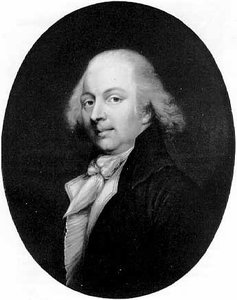
John Webber
1751 - 1793 , United Kingdom
Quick Facts
- Artistic Movement Or Style: Landscape, Portraiture
- Artists Who Influenced This Artist: ['Aberli']
- Date Of Birth: October 6, 1751
- Date Of Death: May 29, 1793
- Full Name: John Webber
- Nationality: English
- Notable Artworks:
- Ship Cove
- Cook's Portrait
- Poedua portrait
- Place Of Birth: London, UK
Related Articles
John Singer Sargent's 25 Masterpieces: Portraits & Beyond | ArtsDot
Explore 25 iconic John Singer Sargent paintings – from dazzling portraits to Impressionist landscapes. Discover the stories behind Madame X, El Jaleo & more! Find museum-quality art reproductions and elevate your home decor with ArtsDot.com.

John Constable's Masterpieces: Explore 25 Iconic Landscapes for Your Home
Journey through John Constable's 25 most celebrated landscapes. Explore Romanticism, Dedham Vale & his masterful use of light in iconic paintings like 'Hay Wain'. Find museum-quality art reproductions and elevate your home decor on ArtsDot.com.

Baroque Drama: Bringing Opulence & Emotion into Contemporary Interiors
Explore the opulent world of Baroque interior design! Discover key elements, modern applications & how to bring dramatic elegance into your home with 's authentic reproductions.

Baroque Masterpieces: 10 Paintings That Defined an Era |
Journey through the drama & grandeur of Baroque art! Explore 10 masterpieces by Caravaggio, Rembrandt, Rubens & more. Discover stunning oil paintings, rich colors & timeless stories. Find museum-quality reproductions at .

The Dramatic Flourish: Exploring the Baroque Movement's Enduring Legacy in Art History
Explore the dramatic world of Baroque art! Discover iconic artists like Caravaggio & Rubens, defining techniques, and its lasting impact on art history. Expert insights for collectors & enthusiasts at ArtsDot.
![Poedua [Poetua], daughter of Oreo, chief of Ulaietea, one of the Society Isles](/media/artworks/images/thumbnails/1e/0a/1e0a628f0db24174b85602bad1371764.jpg)