 Send
Send Share
Share
 Details

 Download
 Similars
 Diaporama
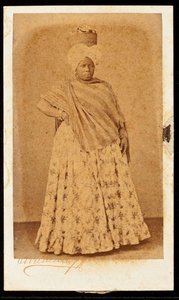
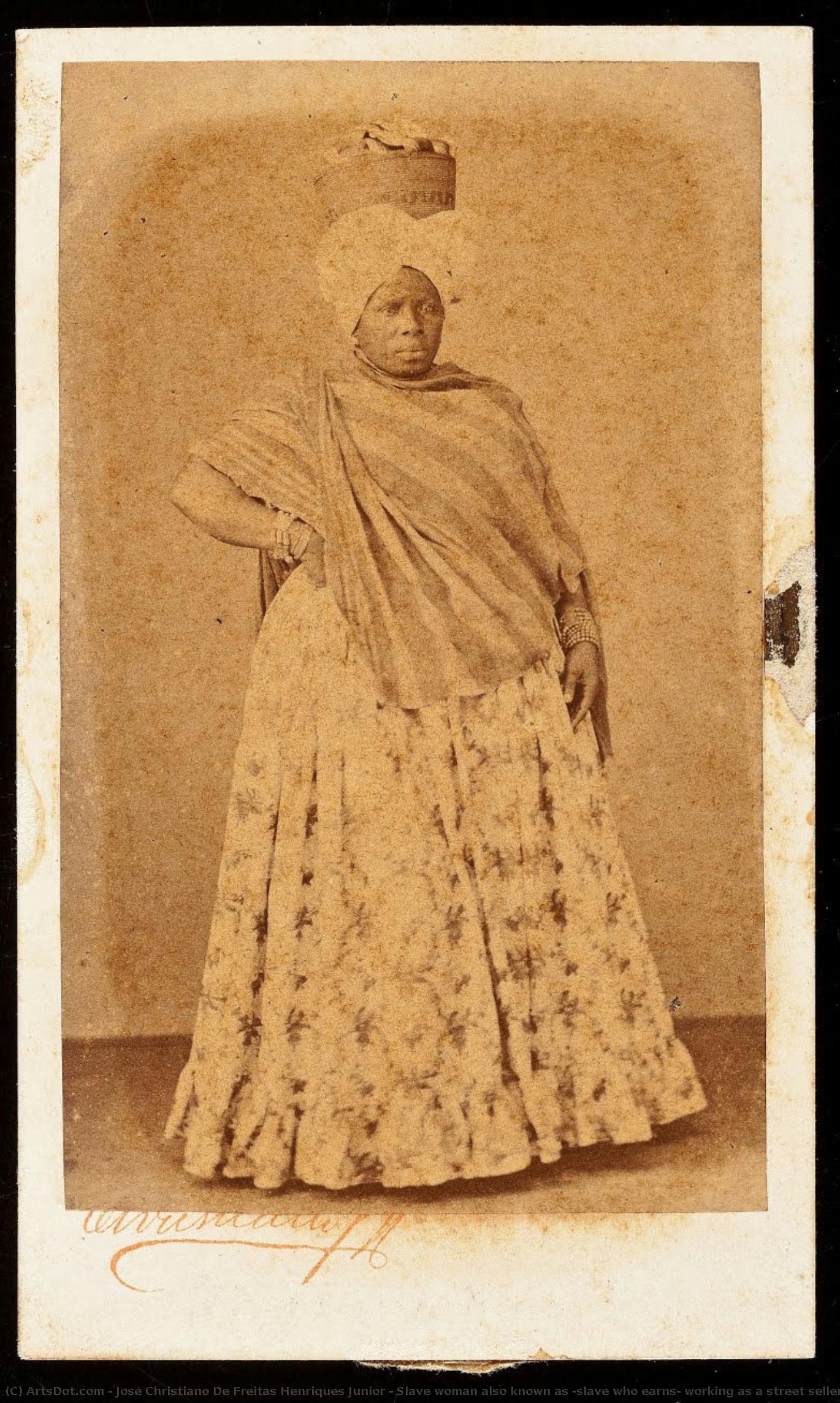
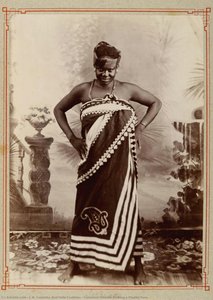
Slave woman also known as “slave who earns” working as a street seller
 Photography
- Photo
 1864
1864- 19th Century
 9.0 x 6.0 cm
 Museu Histórico Nacional
 Read More
Hand Made Oil Reproduction
Hand-painted oil on canvas in your size and frame, made to order by our artists. ( Buy Print Buy Image)




































Pick from our preset sizes that match the artwork's original proportions.

You may enter your own dimensions to fit a specific frame or space. If your selected size does not match the original image's proportions, we will either crop the artwork or extend the painting with additional hand-painted elements. A digital mockup will be sent for your approval before production begins.
Please note that the on-screen preview does not reflect the actual cropping or extension. Only the mockup will accurately show the final composition.
While custom sizes are available, we recommend selecting a dimension from the predefined list to preserve the original proportions.
After order, ArtsDot.com team will email client for instructions and provide a mockup preview
Worldwide Delivery () in 3/4 weeks instead of standard 5 weeks. (27 August). No compromise on quality.

Free Worldwide Express Shipping

High-Quality Linen Canvas

Full Shipping Insurance

Customs Tax Refund Guarantee

True Color Matching Guarantee

60-Day Return Policy (Defects Only)

100% Money-Back Guarantee

Bulk Discount Offer
 Glass option is only available in size under 110 CM

Slave woman also known as “slave who earns” working as a street seller
Reproduction Medium
Reproduction Size
-


Total Price
$ 263
Artwork Description
A Glimpse Through the Sepia Lens: The Poise of Resilience
In this evocative vintage photograph from 1864, we are transported back to a transformative era in the mid-19th century. The image captures a woman, historically identified as a "slave who earns," standing with a profound sense of dignity that transcends her social station. Through the lens of José Christiano de Freitas Henriques Junior, the subject is presented not merely as a figure of historical record, but as a portrait of individual strength. Dressed in flowing attire and adorned with an intricate headpiece—perhaps a turban or a structured hat—she commands the frame with a quiet, unwavering confidence. The sepia tones and the delicate graininess of the print act as a veil of time, softening the edges of the past while sharpening our emotional connection to her presence.
The composition is masterfully simple, focusing entirely on the subject's poise against a subtle backdrop. This simplicity allows the viewer to engage deeply with the textures of her clothing and the enigmatic expression on her face. There is a rhythmic quality to the way her garments drape, suggesting a moment of stillness amidst the bustling life of a street seller. For the collector or the interior designer, this piece offers more than just a historical document; it provides a soulful focal point that invites contemplation on the complexities of identity and the enduring nature of human spirit.
The Artistry of Memory and Historical Resonance
The technique employed by Henriques Junior reflects the burgeoning capabilities of 19th-century photography, where the interplay of light and shadow began to tell stories far more nuanced than mere documentation. The sepia filter, while likely a result of both the chemical processes of the era and modern preservation, imbues the photograph with a nostalgic warmth. This tonal palette creates an atmosphere of reverence, turning a portrait of a street seller into a monumental study of character. The artist’s ability to capture such a striking sense of composure in a period marked by intense social dynamics is nothing short of remarkable.
Beyond its aesthetic appeal, the photograph serves as a poignant symbol of survival and agency. The title, referencing her status as one who "earns," hints at a hidden narrative of economic navigation within a restrictive social hierarchy. To display a high-quality reproduction of this work is to bring a piece of profound history into a contemporary space—a way to honor the resilience of those who navigated the shadows of history with grace. It is an ideal acquisition for those who seek art that possesses both academic depth and a haunting, beautiful aesthetic that complements sophisticated, curated interiors.
Related Artworks
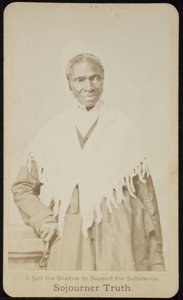
Artist Biography
early life and career
josé christiano de freitas henriques junior, also known as christiano junior, was a portuguese-born photographer who left an indelible mark on the history of photography in argentina. born in 1832 in santa cruz das flores, portugal, junior emigrated to brazil in 1855 and later settled in argentina, where he would establish himself as one of the most prominent photographers of the 19th century.photographic work
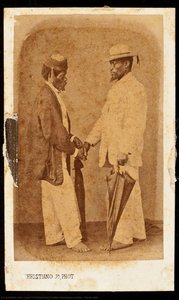
junior's photographic work is characterized by its diverse subjects, ranging from slave woman also known as “slave who earns” working as a street seller, a painting that showcases his early work in rio de janeiro, to capturing the essence of argentine cities and their people. his photographs not only provide a glimpse into the lives of those he photographed but also serve as a testament to the era's social dynamics.- notable works: slave men, another painting that highlights junior's early work in rio de janeiro, showcasing his ability to capture the essence of his subjects. vistas y costumbres de la república argentina, a monumental project that aimed to photographically document the argentine republic from the atlantic to the andes.
- photographic style: junior's photographs are known for their candid nature, often capturing his subjects in professional activities or street scenes.
museums and collections
junior's work can be found in various museums and collections, including the museu histórico nacional (rio de janeiro, brazil), which houses some of his early photography work. his later work, particularly from his time in argentina, is part of the general archive of the nation, as acquired by alexander witcomb.- notable collections: josé christiano de freitas henriques junior's work on ArtsDot, featuring a selection of his photographs. the general archive of the nation, which houses junior's later work acquired by alexander witcomb.
legacy and later life
junior ceased his activity as a photographer in 1883, after four years of traveling throughout argentina. he died in asunción, paraguay, in 1902. despite the unfinished nature of his monumental project, junior's work remains one of the most significant contributions to argentine photography.- legacy: christiano junior's photographs serve as a window into the lives of those he captured, providing invaluable insights into the social and cultural landscape of 19th-century argentina.
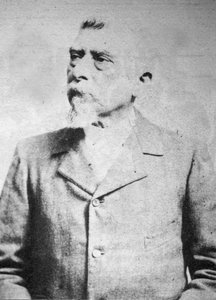
josé christiano de freitas henriques junior
1832 - 1902 , Portugal
Quick Facts
- Artistic Movement Or Style: Photography
- Date Of Birth: 1832
- Date Of Death: 1902
- Full Name: José Christiano de Freitas Henriques Junior
- Nationality: Portuguese
- Notable Artworks:
- Slave woman
- Slave men
- Vistas y Costumbres de la República Argentina
- Place Of Birth: Santa Cruz das Flores, Portugal
Related Articles
Earthy Hues & Masterpieces: Top 10 Paintings with 'Mushroom' Tones |
Explore 10 iconic paintings with captivating 'mushroom' tones! Discover Van Gogh, Monet & Rembrandt’s masterpieces—earthy palettes, rich history & artistic techniques. Find museum-quality art reproductions and curated decor ideas at
Sandstone & Sunlight: 10 Masterpieces of Earth-Toned Art |
Journey through 10 iconic paintings bathed in 'sand' tones – from Van Gogh to Monet. Explore the stories, techniques & warm palettes of these timeless masterpieces. Find museum-quality art reproductions at and bring classic beauty home.

19th Century Masterpieces: 10 Paintings That Defined an Era | ArtsDot
Journey through 19th century art with ArtsDot! Explore 10 iconic paintings – from Monet & Renoir to Courbet – and discover the stories behind Romanticism, Realism & Impressionism. Find museum-quality reproductions for your home decor. Explore the full collection online!
Earthy Hues & Masterpieces: Top 10 Paintings Dominated by Clay Tones |
Explore 10 iconic paintings dominated by rich clay tones – from Rembrandt's warmth to Van Gogh’s earthy landscapes. Discover art history, techniques & find museum-quality reproductions at . Explore the full collection online!
The Resonance of Earthly Tones: Exploring Nuance, History & Emotional Impact in Art
Explore the captivating world of earth tones in art! Discover historical context, emotional resonance & artistic techniques behind these timeless colors. Find inspiration for your home decor and museum-quality reproductions.