 Preview
 Send
Send Share
Share
 Details

 Download
 Similars
 X-Ray
X-Ray Diaporama
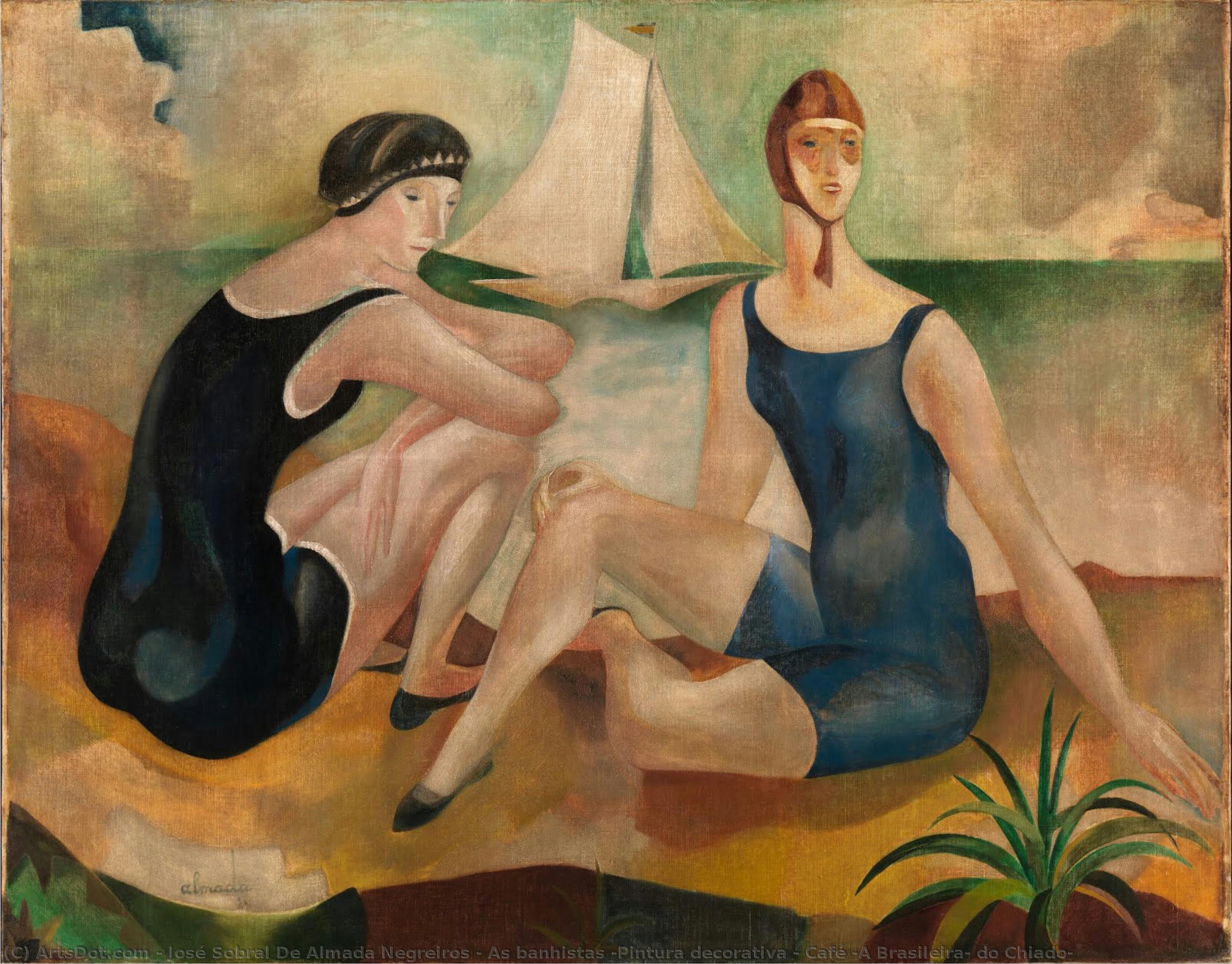
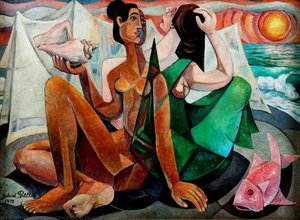
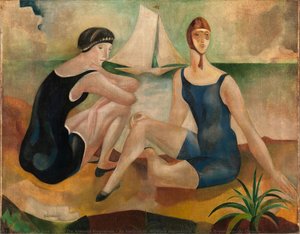
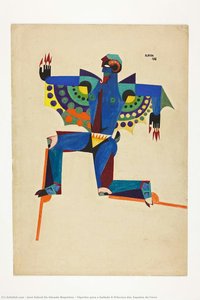
As banhistas (Pintura decorativa – Café «A Brasileira» do Chiado)


 Read More
Hand Made Oil Reproduction
Hand-painted oil on canvas in your size and frame, made to order by our artists. ( Buy Print Buy Image)




P118B $10

P118H $10

P118W $10

P438Z $10

P508JH $12

P508YH $12

P805H $10

P805Z $10

P919BZ $10

P919G $10

P919XJ $10

P959ZH $10

P968JZ $12

W106C $8

W218G $10

W218JH $8

W218Y $10

W307PJ $10

W316G $10

W316PJ $8

W316Y $10

W398PJ $8

W4111J $10

W500HY $15

W500JH $15

W692G $12

W849H $8

W940BG $15

W953PJ $8




Pick from our preset sizes that match the artwork's original proportions.

You may enter your own dimensions to fit a specific frame or space. If your selected size does not match the original image's proportions, we will either crop the artwork or extend the painting with additional hand-painted elements. A digital mockup will be sent for your approval before production begins.
Please note that the on-screen preview does not reflect the actual cropping or extension. Only the mockup will accurately show the final composition.
While custom sizes are available, we recommend selecting a dimension from the predefined list to preserve the original proportions.
After order, ArtsDot.com team will email client for instructions and provide a mockup preview
Worldwide Delivery () in 3/4 weeks instead of standard 5 weeks. (3 September). No compromise on quality.

Free Worldwide Express Shipping

High-Quality Linen Canvas

Full Shipping Insurance

Customs Tax Refund Guarantee

True Color Matching Guarantee

60-Day Return Policy (Defects Only)

100% Money-Back Guarantee

Bulk Discount Offer
 Glass option is only available in size under 110 CM

As banhistas (Pintura decorativa – Café «A Brasileira» do Chiado)
Reproduction Medium
Reproduction Size
-


Total Price
$ 288
As Banhistas (Pintura Decorativa – Café «A Brasileira» do Chiado)
José Sobral de Almada Negreiros’ “As Banhistas,” completed in 1924-1925, stands as a cornerstone of Portuguese Art Deco and embodies the spirit of a burgeoning modernist movement. More than just a depiction of leisure on Lisbon’s waterfront, it's a carefully constructed visual poem that speaks to themes of aspiration, serenity, and the subtle melancholy inherent in capturing fleeting moments of beauty. Executed in oil on canvas with visible brushstrokes—a technique characteristic of Negreiros’ oeuvre—the painting captures two women reclining gracefully on a beach, engaged in the activity of sailing.Composition and Style
The artwork's central focus is undeniably its figures: two women presented in poses that exemplify Art Deco elegance – simplified forms, flowing drapery, and elongated proportions – reflecting the influence of Italian Futurism alongside established stylistic conventions. The artist skillfully employs a flattened perspective, creating a slightly two-dimensional feel typical of the period while subtly suggesting depth through atmospheric haze stretching across the distant shoreline. Geometric elements—particularly in the sailboat’s rigging—are strategically incorporated to reinforce the artwork's visual harmony and contribute to its overall aesthetic impact. Lines dominate the composition, delineating outlines and defining shapes with precision, complemented by shading that adds volume and enhances textural richness.Technique and Materials
Negreiros’ masterful handling of oil paint is evident in the textured surface achieved through deliberate brushstrokes—a hallmark of his artistic style. These visible marks not only convey materiality but also imbue the painting with a sense of immediacy and spontaneity, hinting at the artist's process and inviting contemplation on the physicality of artmaking. The muted earth tones – ochre, beige, terracotta – dominate the color palette, punctuated by splashes of azure and charcoal gray that heighten the atmospheric mood and underscore the painting’s contemplative character. Careful attention to lighting—soft and diffused—casts gentle shadows, illuminating the figures' forms and reinforcing their serene presence.Symbolism and Context
“As Banhistas” transcends mere representation; it operates on a symbolic level. The sailboat serves as an emblem of ambition and dreams – a vessel carrying its occupants toward unexplored horizons – mirroring the broader aspirations of Portugal’s modernist era. Simultaneously, the relaxed postures of the women convey contentment and tranquility, encapsulating a desire for respite from the pressures of daily life. Produced during Salazar's regime, the artwork reflects both the optimism of artistic experimentation and the anxieties surrounding social conservatism. Its enduring appeal lies in its ability to evoke nostalgia for a bygone beauty—a timeless meditation on leisure, femininity, and the pursuit of harmony amidst an ever-changing world.Further Exploration
To delve deeper into José Sobral de Almada Negreiros’ artistic vision, consider exploring reproductions of his other celebrated works, including “O Sonho da Rosa,” which exemplifies his distinctive blend of Futurism and Art Nouveau influences. Examining the broader context of Portuguese Modernism—characterized by intellectual ferment and a fervent embrace of avant-garde ideas—provides invaluable insight into the significance of "As Banhistas" as a testament to artistic innovation and cultural dynamism.Related Artworks







Artist Biography
A Visionary Bridging Art Nouveau and Futurism
José Sobral de Almada Negreiros (1893–1970) stands as a singular figure in Portuguese Modernist art, embodying an extraordinary fusion of stylistic influences that resulted in a distinctive artistic vision. Born in São Tomé, Portugal, his upbringing instilled within him a deep connection to the colonial landscape and its cultural heritage, shaping his artistic sensibilities from an early age. His father, António Lobo de Almada Negreiros, was of Portuguese descent, while his mother, Elvira Freire Sobral, carried Santomean roots, creating a rich tapestry of familial traditions that would permeate his creative endeavors throughout his prolific life.
Almada Negreiros’ artistic pursuits extended far beyond the realm of painting alone. He possessed a remarkable versatility, demonstrating profound talent in diverse mediums including literature, ballet choreography, and graphic arts. His hand was equally adept at engraving, mural painting, caricature, mosaic, azulejo, and stained glass. This multifaceted approach reflects a broader intellectual curiosity and an unwavering desire to engage with various artistic disciplines. Notably, his active participation in ballet productions showcased a sophisticated understanding of movement and spatial composition, allowing him to translate the rhythm of dance into the static beauty of visual art.
The Convergence of Movement and Dream
His artistic style was profoundly impacted by two dominant movements of the early 20th century: Futurism and Surrealism. The Futurists championed dynamism, speed, and technological advancement, mirroring Negreiros’ fascination with innovative techniques and experimental forms. This energy is palpable in works such as O Beijo, where Art Nouveau elegance meets Futurist dynamism to create a mesmerizing depiction of lovers amidst vibrant florals. Simultaneously, Surrealist principles—characterized by dreamlike imagery and the exploration of the subconscious—influenced his compositions, adding layers of symbolism and psychological depth that defied conventional boundaries.
This stylistic blend allowed him to navigate between the structured elegance of the past and the fragmented, energetic reality of the modern age. Whether through a striking monochrome Autorretrato that captures a masterful blend of Art Nouveau grace and Futurist tension, or his more decorative works like As banhistas, Negreiros maintained a unique voice. In the latter, he utilized an Art Deco sensibility to depict scenes of beach leisure with serene beauty and stylized figures, proving his ability to master different aesthetic languages while maintaining his personal touch.
A Legacy Written in Murals and Motion
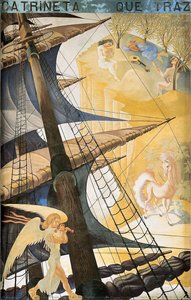
The historical significance of Almada Negreiros lies in his ability to weave the spirit of Portuguese identity into the fabric of international Modernism. His large-scale works, particularly his murals, serve as monumental testaments to his skill. A prime example is his 1943 triptych located at the Alcântara Station, titled Here Comes the Nau Catrineta That Has a Lot to Tell. This vibrant mural captures a lively sailing scene filled with movement and celestial figures, acting as a captivating piece of historical artistry that brings the energy of Portuguese maritime history into a modern architectural space.
Throughout his career, Negreiros remained a pivotal force in the Portuguese art scene, leaving behind a legacy that encompasses:
- Interdisciplinary Mastery: A seamless integration of visual arts, dance, and literature.
- Stylistic Innovation: The successful synthesis of Art Nouveau, Futurism, and Surrealism.
- Cultural Impact: The creation of enduring public works, such as his decorative paintings for the Café «A Brasileira» in Chiado.
- Modernist Leadership: A role in defining the aesthetic trajectory of 20th-century Portuguese art through social commentary and vibrant depictions of daily life.
Ultimately, the work of José Sobral de Almada Negreiros remains a profound exploration of the human condition, captured through the lens of a man who saw no boundaries between the movement of a dancer, the stroke of a brush, and the written word.
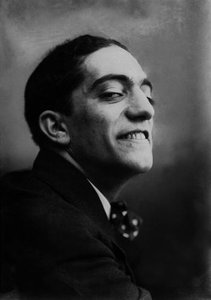
josé sobral de almada negreiros
1893 - 1970 , Portugal
Quick Facts
- Artistic Movement Or Style: Modernism, Futurism
- Artists Who Influenced This Artist:
- Georges Braque
- Pablo Picasso
- Date Of Birth: April 7, 1893
- Date Of Death: June 15, 1970
- Full Name: José Sobral de Almada Negreiros
- Nationality: Portuguese
- Notable Artworks:
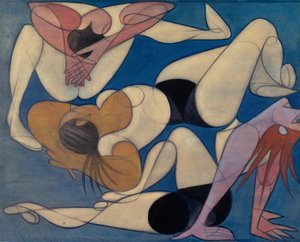
- Nu (Pintura para o Bristol Club)
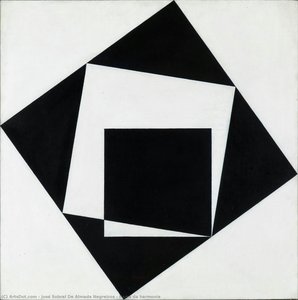
- Porta da harmonia
- Drawing
- Place Of Birth: São Tomé, Portugal
Related Articles

Goya's Masterpieces: Explore 25 Iconic Paintings & Art Prints | ArtsDot
Delve into the world of Francisco Goya with ArtsDot. Explore 25 iconic paintings – from 'The Third of May' to his haunting Black Paintings. Discover the stories, techniques & emotions behind these Spanish masterpieces. Find museum-quality art reproductions for your home at ArtsDot.com!
The Gilded Age Reimagined: Exploring the Aesthetic Principles & Enduring Legacy of Art Deco
Explore the captivating world of Art Deco! Discover its origins, defining features, cultural impact & enduring legacy. Expert insights for collectors and design enthusiasts. Shop handmade reproductions at ArtsDot.
The Gleaming Geometry of Desire: Exploring Art Deco's Enduring Influence on Visual Culture
Explore the captivating world of Art Deco! Discover its history, key characteristics, enduring influence on design & collecting with expert insights from ArtsDot.com.

Evoking the Horizon: A Historical & Artistic Exploration of Coastal Scenes in Painting
Explore the rich history of coastal scenes in painting! Discover Impressionist masterpieces, American realism & contemporary visions. Learn about renowned artists and find your perfect seascape at ArtsDot.

The Gilded Age Revisited: Art Deco's Modernity & Luxury
Explore the captivating world of Art Deco paintings & the Gilded Age's enduring legacy. Discover iconic artists like Tamara de Lempicka & invest in museum-quality reproductions with ArtsDot.
![[Auto-Retrato num grupo] (Pintura para o café ” A Brasileira” do Chiado, Lisboa)](/media/artworks/images-thumb/a4/61/a461098d89246fd864c410f9903ef5b3.jpg)


![[Autorretrato]](/media/artworks/images-thumb/af/cd/afcd4e3d871ed237e7f0234288238414.jpg)