 Preview
 Send
Send Share
Share
 Details

 Download
 Similars
 X-Ray
X-Ray Diaporama
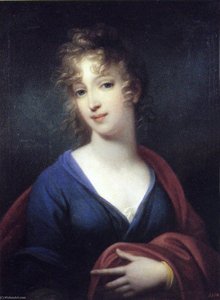
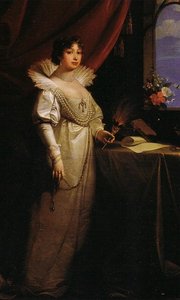
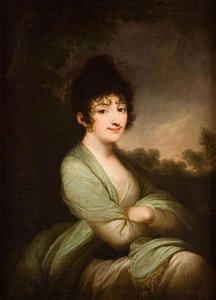
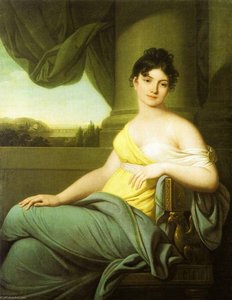
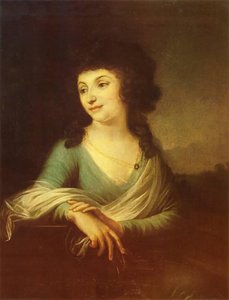
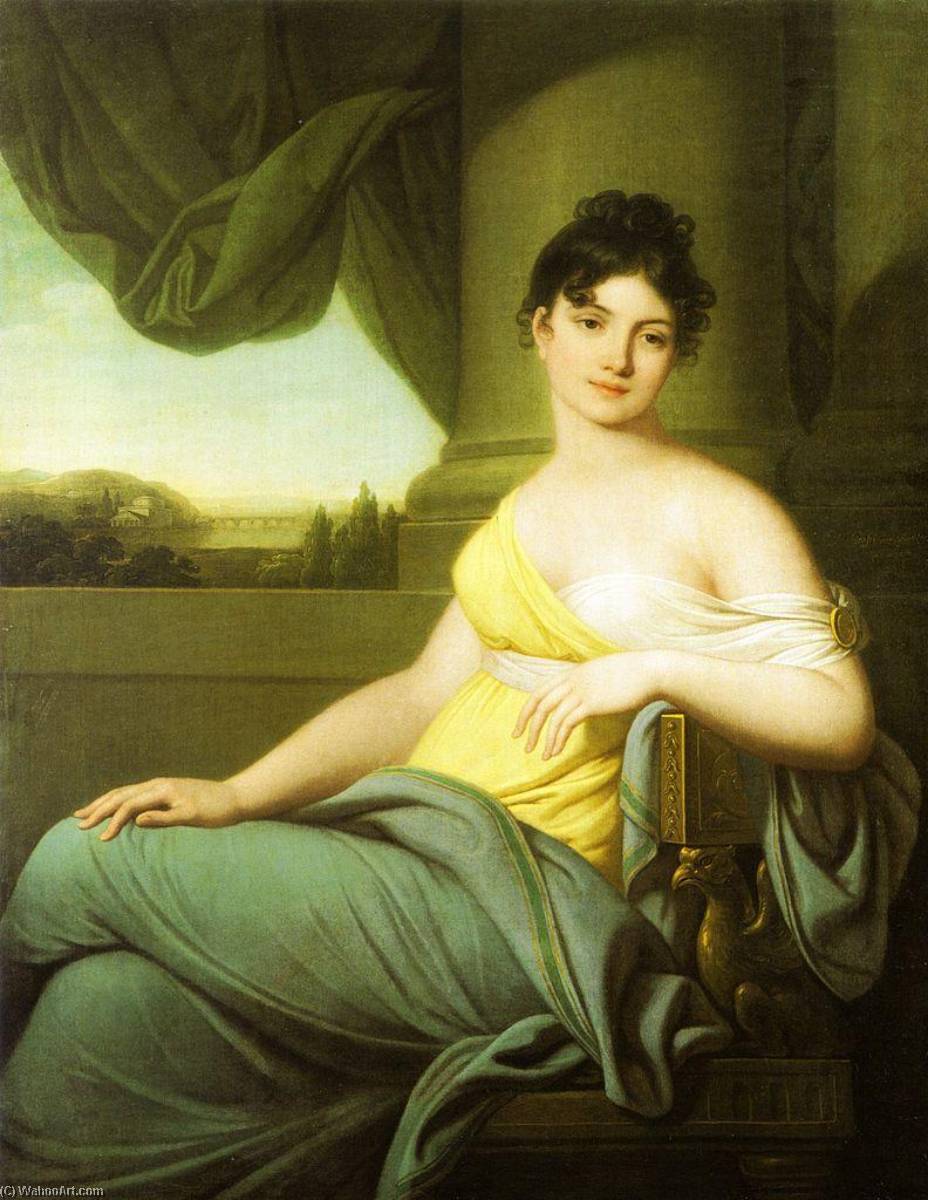
Maria Naryschkina


 Read More
Hand Made Oil Reproduction
Hand-painted oil on canvas in your size and frame, made to order by our artists. ( Buy Print Buy Image)




P118B $10

P118H $10

P118W $10

P438Z $10

P508JH $12

P508YH $12

P805H $10

P805Z $10

P919BZ $10

P919G $10

P919XJ $10

P959ZH $10

P968JZ $12

W106C $8

W218G $10

W218JH $8

W218Y $10

W307PJ $10

W316G $10

W316PJ $8

W316Y $10

W398PJ $8

W4111J $10

W500HY $15

W500JH $15

W692G $12

W849H $8

W940BG $15

W953PJ $8




Pick from our preset sizes that match the artwork's original proportions.

You may enter your own dimensions to fit a specific frame or space. If your selected size does not match the original image's proportions, we will either crop the artwork or extend the painting with additional hand-painted elements. A digital mockup will be sent for your approval before production begins.
Please note that the on-screen preview does not reflect the actual cropping or extension. Only the mockup will accurately show the final composition.
While custom sizes are available, we recommend selecting a dimension from the predefined list to preserve the original proportions.
After order, ArtsDot.com team will email client for instructions and provide a mockup preview
Worldwide Delivery () in 3/4 weeks instead of standard 5 weeks. (16 August). No compromise on quality.

Free Worldwide Express Shipping

High-Quality Linen Canvas

Full Shipping Insurance

Customs Tax Refund Guarantee

True Color Matching Guarantee

60-Day Return Policy (Defects Only)

100% Money-Back Guarantee

Bulk Discount Offer
 Glass option is only available in size under 110 CM

Maria Naryschkina
Reproduction Medium
Reproduction Size
-


Total Price
$ 263
Related Artworks
Artist Biography
Josef Grassi: A Venetian Visionary
Josef Grassi (1757 – 1838) stands as a pivotal figure in Austrian art history, celebrated primarily for his exquisitely rendered portraits and captivating depictions of Venetian landscapes. Born into a family of goldsmiths in Vienna’s Leopoldstadt district, Grassi's artistic journey began under the tutelage of his sculptor father, Anton Grassi, fostering an early appreciation for meticulous observation and refined craftsmanship. This formative influence would permeate his entire oeuvre, shaping his distinctive style—characterized by luminous color palettes, subtle tonal gradations, and a remarkable ability to convey psychological depth.- Early Life & Education: Grassi’s formal artistic training took place at the Vienna Academy of Fine Arts, where he honed his skills in drawing and painting before gravitating towards portraiture as his primary medium. Despite facing challenges during his academic years—particularly a failed bid for a travel scholarship—he persevered, securing invaluable experience through collaborations with prominent artists like Heinrich Friedrich Füger.
- Move to Warsaw & Polish Nationalism: Dissatisfaction with the Viennese academy propelled Grassi eastward in 1799, where he accepted a professorship at the Dresden Academy of Fine Arts. However, his artistic sensibilities were profoundly stirred by the burgeoning Polish nationalist movement of 1794, inspiring him to depict scenes of heroic resistance and bolstering his commitment to portraying the human spirit with compassion and nuance.
- Rome & Venetian Influence: Grassi’s subsequent sojourn in Rome (1808-1810) coincided with the ascendance of the Nazarene movement—a reaction against Neoclassical formalism—yet he remained steadfast in his pursuit of artistic excellence, immersing himself in the vibrant atmosphere of Venice and absorbing its aesthetic traditions. This Venetian fascination would become a defining element of his artistic vision, informing his landscapes and enriching his portraits with evocative color harmonies and atmospheric perspective.
The Portrait Painter Extraordinaire
Grassi’s reputation rests upon his unparalleled ability to capture the essence of his subjects—primarily women—with breathtaking accuracy and sensitivity. He eschewed grand gestures or theatrical poses, favoring instead intimate compositions that prioritized psychological realism. His portraits are imbued with a palpable sense of presence, conveying not merely physical likeness but also inner character and emotional nuance. Grassi’s meticulous technique—characterized by painstaking layering of glazes and masterful blending—allowed him to achieve remarkable luminosity and depth, transforming his canvases into windows onto the souls of his sitters. Notable examples include “Izabe a Ahinskaja,” “Ignacy Dzia y ski” and “Maria Naryschkina”, each demonstrating Grassi’s mastery of Venetian color palettes and tonal gradations.- Technique & Style: Grassi's artistic style evolved over time, reflecting the influence of Venetian painting—particularly the works of Giovanni Battista Tiepolo—and embracing a refined Neoclassical aesthetic. He skillfully employed glazing techniques to create shimmering surfaces and achieve subtle tonal variations, capturing the subtleties of light and shadow with exceptional precision.
- Notable Works: His celebrated landscapes, such as “The Venetian Canal,” exemplify his ability to evoke mood and atmosphere through masterful use of color and composition. Grassi’s oeuvre encompasses a diverse range of subjects—portraits of nobility, dignitaries, and artists—each imbued with an unwavering commitment to artistic integrity and human empathy.
Legacy & Historical Significance
Josef Grassi's contribution to Austrian art history extends beyond his individual masterpieces; he served as a mentor to younger artists and championed the pursuit of aesthetic excellence. His unwavering dedication to portraying the human condition—particularly through portraiture—established him as a champion of humanist ideals and solidified his place among Austria’s most distinguished painters. Grassi's enduring influence can be discerned in subsequent generations of Austrian artists who admired his technical prowess and embraced his Venetian sensibility. He died peacefully in Dresden at the age of 80, leaving behind a legacy of beauty and artistic innovation that continues to inspire admiration today.Further Exploration
For more information about Josef Grassi’s life and work, consult scholarly publications and online resources dedicated to Austrian art history. The British Museum's biographical entry provides valuable insights into his artistic development and historical context.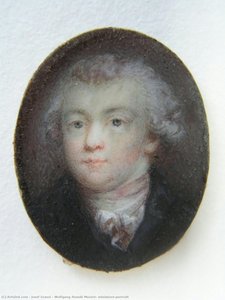
josef grassi
1757 - 1838
Quick Facts
- Artistic Movement Or Style: Neoclassical
- Artists Or Movements Influenced By This Artist: ['Nazarene Movement']
- Artists Who Influenced This Artist: ['Heinrich Friedrich Füger']
- Date Of Death: 1838
- Full Name: Josef Grassi
- Nationality: Austrian
- Notable Artworks:
- Izabe a Ahinskaja
- Ignacy Dzia y ski
- Maria Naryschkina
- Place Of Birth: Vienna, Austria
Related Articles
Neoclassical Art: 10 Masterpieces That Shaped History |
Explore 10 defining Neoclassical masterpieces by David, Ingres & Canova. Discover the history, symbolism & artistry behind these iconic paintings and sculptures. Find museum-quality art reproductions at – elevate your home with timeless beauty.
Maria Primachenko: A Legacy of Ukrainian Folk Art & Naive Expression
Discover the captivating world of Maria Primachenko, Ukraine's celebrated naive artist. Explore her vibrant paintings, unique style, and enduring legacy with ArtsDot – your source for authentic art insights & reproductions.

The Revival of Antiquity: Exploring Neoclassical Art's Ideals & Enduring Legacy
Explore the revival of classical ideals in Neoclassical art! Discover Jacques-Louis David & the movement's impact on painting, sculpture & architecture. Expert insights & high-quality reproductions at ArtsDot.
The Revival of Antiquity: Exploring the Neoclassical Movement & its Enduring Legacy
Explore the revival of classical art with our deep dive into Neoclassicism! Discover key artists like Jacques-Louis David, Enlightenment influences & lasting impact on art history. High-quality reproductions at ArtsDot.
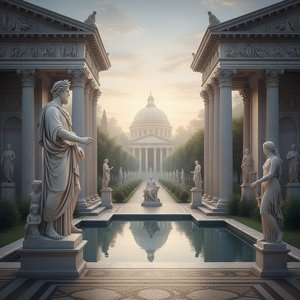
The Enduring Legacy of Neoclassical Art: Order, Reason & Antiquity's Revival
Explore the enduring legacy of Neoclassical art! Discover masterpieces by David, Girodet & Garnier. Expert analysis, custom reproductions & art appraisal at ArtsDot.