 Preview
 Send
Send Share
Share
 Details

 Download
 Similars
 X-Ray
X-Ray Diaporama
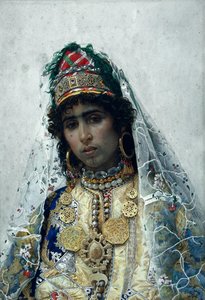
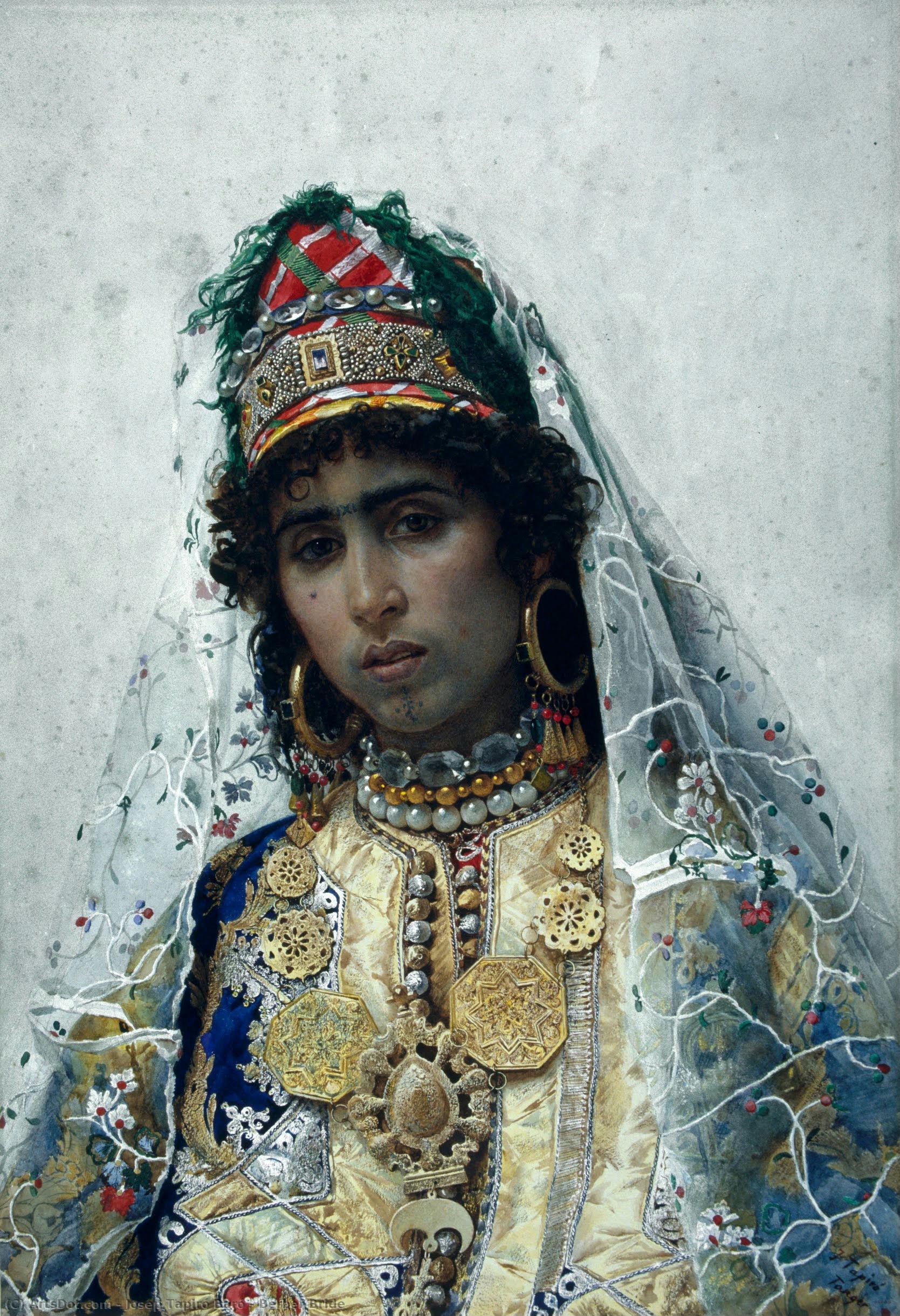
Berber Bride
 Acrylic On Canvas
- WallArt
- Orientalist Painting
 1896
1896 476.0 x 688.0 cm
 Museu Nacional d'Art de Catalunya
 Read More
Hand Made Oil Reproduction
Hand-painted oil on canvas in your size and frame, made to order by our artists. ( Buy Print Buy Image)




P118B $10

P118H $10

P118W $10

P438Z $10

P508JH $12

P508YH $12

P805H $10

P805Z $10

P919BZ $10

P919G $10

P919XJ $10

P959ZH $10

P968JZ $12

W106C $8

W218G $10

W218JH $8

W218Y $10

W307PJ $10

W316G $10

W316PJ $8

W316Y $10

W398PJ $8

W4111J $10

W500HY $15

W500JH $15

W692G $12

W849H $8

W940BG $15

W953PJ $8




Pick from our preset sizes that match the artwork's original proportions.

You may enter your own dimensions to fit a specific frame or space. If your selected size does not match the original image's proportions, we will either crop the artwork or extend the painting with additional hand-painted elements. A digital mockup will be sent for your approval before production begins.
Please note that the on-screen preview does not reflect the actual cropping or extension. Only the mockup will accurately show the final composition.
While custom sizes are available, we recommend selecting a dimension from the predefined list to preserve the original proportions.
After order, ArtsDot.com team will email client for instructions and provide a mockup preview
Worldwide Delivery () in 3/4 weeks instead of standard 5 weeks. (17 August). No compromise on quality.

Free Worldwide Express Shipping

High-Quality Linen Canvas

Full Shipping Insurance

Customs Tax Refund Guarantee

True Color Matching Guarantee

60-Day Return Policy (Defects Only)

100% Money-Back Guarantee

Bulk Discount Offer
 Glass option is only available in size under 110 CM

Berber Bride
Reproduction Medium
Reproduction Size
-


Total Price
$ 263
Artwork Description
The Enigmatic Beauty of "Berber Bride"
Josep Tapiró Baró’s “Berber Bride,” painted in 1896, isn't merely a depiction of a Moroccan woman; it’s a meticulously crafted window into a vanished world – a vibrant tapestry woven with threads of cultural observation, artistic skill, and a profound sense of romanticized exoticism. The painting immediately draws the eye with its rich palette: deep ochres, burnished golds, and the startling turquoise of her headscarf create an immediate visual feast, transporting the viewer to the sun-drenched landscapes of southern Morocco. Tapiró’s masterful use of light is particularly striking; it pools around the bride's face, highlighting her features with a gentle warmth that contrasts beautifully with the cooler tones of the surrounding textiles and architecture.
Tapiró was a pivotal figure in the Orientalist movement, a European artistic trend focused on depicting scenes from the Middle East and North Africa. However, unlike many of his contemporaries who relied heavily on stereotypical representations, Tapiró demonstrated an extraordinary level of detail and sensitivity. He spent several years living in Tangier, immersing himself in Berber culture and meticulously documenting its customs, dress, and architecture. “Berber Bride” is a testament to this dedication; the bride’s jewelry—intricately worked silver and coral—and her elaborate headdress are rendered with astonishing precision, reflecting Tapiró's commitment to authentic representation. The background, subtly hinting at a traditional Berber dwelling, further reinforces this sense of immersion.
A Window into Berber Life
The painting offers a glimpse into the lives of the Berber people, a nomadic and fiercely independent group who inhabited North Africa for centuries before the arrival of Islam. Berber society was traditionally organized around tribal structures, with strong emphasis on hospitality, family honor, and intricate social customs. The bride’s attire—the veil, the jewelry, the headscarf—all speak to these traditions, signifying her status within the tribe and her readiness for marriage. Note the subtle gestures of her hands – a gesture of welcome, perhaps, or a quiet contemplation reflecting on her future role.
It’s important to acknowledge that Tapiró's portrayal is filtered through a European lens. While he clearly sought to represent Berber culture with respect and accuracy, his perspective was inevitably shaped by his own cultural biases and the prevailing attitudes of his time. The painting romanticizes aspects of Berber life, presenting an idealized image of a world largely untouched by Western influence. However, this doesn’t diminish the artistic merit or historical significance of the work; rather, it invites us to consider the complexities of intercultural exchange and the challenges of representing other cultures accurately.
Technique and Artistic Style
“Berber Bride” is executed in Tapiró's signature watercolor technique – a medium he mastered during his time in Tangier. The delicate washes of color, combined with meticulous detailing achieved through layering and dry-brush techniques, create a remarkable sense of texture and depth. The painting’s surface appears almost luminous, capturing the play of light and shadow with breathtaking subtlety. Tapiró's use of atmospheric perspective—the gradual softening of colors as they recede into the distance—further enhances the illusion of space and creates a truly immersive viewing experience.
He employed a pyramidal composition, drawing the eye to the bride’s face – the focal point of the painting. The careful arrangement of elements within this pyramid contributes to the overall sense of balance and harmony. The artist's attention to detail extends beyond mere representation; he captures not just the outward appearance of the subject but also her inner dignity and grace.
Symbolism and Emotional Resonance
Beyond its technical brilliance, “Berber Bride” is rich in symbolism. The veil, a ubiquitous feature of Berber women’s attire, represents modesty, privacy, and protection. The jewelry—particularly the coral—is associated with fertility and prosperity. The bride's serene expression conveys a sense of quiet strength and resilience – qualities that were highly valued within Berber society.
Ultimately, “Berber Bride” evokes a powerful emotional response. It’s a painting that speaks to our enduring fascination with the exotic, with the mysteries of distant lands and unfamiliar cultures. It invites us to contemplate the beauty of tradition, the complexities of identity, and the timeless appeal of human connection. Reproductions of this captivating artwork offer a unique opportunity to bring a piece of Moroccan history and artistry into your home, serving as both a decorative object and a poignant reminder of a world long past.
Related Artworks

Artist Biography
Early Life and Artistic Foundations
Josep Tapiró i Baró emerged from the vibrant cultural landscape of Reus, Spain, in 1836, a town already nurturing artistic talent. Born into a family of practical merchants—his parents owned a hardware store—Tapiró’s early inclination towards drawing signaled a different path. Even as a young boy, he displayed a natural gift and an undeniable passion for visual expression. This nascent talent was first formally nurtured in 1849 under the guidance of Domènec Soberano, a local wine merchant who also pursued painting as a cherished pastime. Soberano provided Tapiró with his initial artistic grounding, laying the foundation for more rigorous study to come. In 1853, a pivotal moment arrived when Tapiró, alongside his close friend and fellow artist Marià Fortuny, exhibited their work at the Casino de Reus—a public debut that hinted at the promise within both young men. That same year marked their enrollment at the prestigious Escola de la Llotja in Barcelona, where they studied under Claudi Lorenzale, a painter connected to the German Nazarene movement. This period saw Tapiró focusing on historical and religious themes, absorbing the academic traditions of the time while simultaneously developing his own unique artistic voice.Madrid, Rome, and the Fortuny Influence
Tapiró’s ambition led him to Madrid in 1857, where he sought further refinement at the “Escuela Superior de Pintura y Grabado,” part of the esteemed Real Academia de Bellas Artes de San Fernando. Here, Federico de Madrazo served as his instructor, guiding his development within the established artistic hierarchy. However, it was a return to Barcelona in 1860 and subsequent involvement in decorating the façade of the Palau de la Generalitat de Catalunya that provided practical experience and a connection to Catalan identity. The true turning point, however, came with his journey to Rome in 1862, where he reunited with Fortuny. This marked entry into a dynamic artistic circle centered around the Antico Caffè Greco—a legendary gathering place for artists and intellectuals. Rome became a crucible of inspiration, exposing Tapiró to new techniques and broadening his artistic horizons. The influence of Fortuny during this period was profound; their shared experiences, constant dialogue, and mutual exploration shaped both their individual styles. Fortuny’s bold brushwork and vibrant palette resonated with Tapiró, even as he maintained a more meticulous and detailed approach. The burgeoning interest in Orientalism throughout 19th-century Europe also began to exert its pull, subtly influencing the direction of his artistic investigations.Tangier: A Life Dedicated to Moroccan Light
A watershed moment arrived in 1871 when Tapiró accompanied Fortuny and Bernardo Ferrándiz on a transformative trip to Tangier, Morocco. This journey proved decisive, igniting a lifelong fascination with North African culture and light. Following Fortuny’s untimely death in 1874, Tapiró made the momentous decision to settle permanently in Tangier, remaining there until his passing in 1913. He dedicated himself wholeheartedly to capturing the essence of Moroccan life through watercolor paintings—a medium he had embraced during his time in Rome and now wielded with exceptional skill. His focus centered on portraits of local people, intimate scenes of everyday existence, and depictions of traditional customs. Unlike many Orientalist painters who often romanticized or exoticized their subjects, Tapiró adopted a more realistic and ethnographic approach. He meticulously observed the lives of Moroccans, documenting their routines, attire, and expressions with sensitivity and detail. His work stands apart for its honesty and respect, offering a nuanced portrayal of a culture undergoing significant change. Notable works like “Tangier,” “Street in Tangier, Morocco,” and “The Bay of Tangier, Morocco” exemplify his dedication to capturing the city’s unique atmosphere and character.Legacy and Historical Significance
Josep Tapiró Baró rightfully earns recognition as one of Spain's most important 19th-century painters and a true pioneer in depicting Moroccan life through an artistic lens. His work represents a compelling blend of Orientalist and Africanist styles, offering invaluable insights into North African society during a period marked by increasing European influence. Tapiró’s dedication to watercolor—a medium often considered secondary at the time—elevated its status and showcased its expressive potential. He wasn't merely recording what he saw; he was interpreting it through a lens of empathy and artistic mastery. Today, his paintings are held in esteemed collections worldwide, including the Hastings Museum and Art Gallery, the South Shields Museum and Art Gallery, the Museu d'Art i Història de Reus, and the Museu Nacional d'Art de Catalunya—testaments to his enduring appeal. His art serves as a vital historical document, preserving a glimpse into a world on the cusp of transformation. Tapiró’s legacy extends beyond his artistic skill; it lies in his cultural sensitivity, his commitment to realism, and his ability to capture the human spirit within a rapidly changing world. He remains an inspiration for artists and scholars alike, a testament to the power of art to bridge cultures and illuminate the complexities of the human experience. His dedication continues to inspire.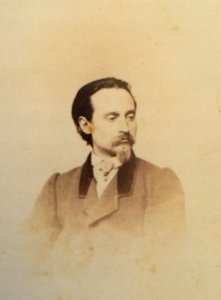
Josep Tapiró Baró
1836 - 1913 , Spain
Quick Facts
- Artistic Movement Or Style: Orientalism, Realism
- Artists Or Movements Influenced By This Artist: Spanish Orientalism
- Artists Who Influenced This Artist:
- Marià Fortuny
- Claudi Lorenzale
- Date Of Birth: February 17, 1836
- Date Of Death: October 4, 1913
- Full Name: Josep Tapiró i Baró
- Nationality: Spanish
- Notable Artworks:
- Tangier
- Street in Tangier
- Bay of Tangier
- Place Of Birth: Reus, Spain
Related Articles

Watercolor Wonders: 10 Masterpieces That Redefined Art History | ArtsDot
Journey through 10 legendary watercolor masterpieces by Sargent, Turner & Homer! Explore iconic landscapes, portraits & floral art that redefined history. Find museum-quality reproductions and curated decor ideas at ArtsDot.com.

Ephemeral Visions: Exploring the Artistic Legacy & Contemporary Practice of Watercolor Painting
Explore the captivating world of watercolor painting! Discover its rich history, essential techniques, influential artists & collecting tips. A comprehensive guide for art enthusiasts from ArtsDot.

Ephemeral Visions: Exploring the History & Emotional Resonance of Watercolor Painting
Explore the captivating history of watercolor painting, from ancient techniques to modern masters like Kandinsky & Blake. Discover essential artists, collecting tips & the emotional power of this luminous medium. Expert insights for art enthusiasts.

Ephemeral Visions: Exploring the Artistic Legacy & Nuances of Watercolor Painting
Explore the captivating world of watercolor painting! Discover its rich history, essential techniques, influential artists & collecting tips from art experts. A comprehensive guide for enthusiasts.

The Enduring Appeal of Watercolor: History, Techniques & Contemporary Practice
Explore the captivating world of watercolor painting! Discover its rich history, essential techniques, influential artists, and collecting tips. A comprehensive guide for art enthusiasts.