 Preview
 Send
Send Share
Share
 Details

 Download
 Similars
 X-Ray
X-Ray Diaporama
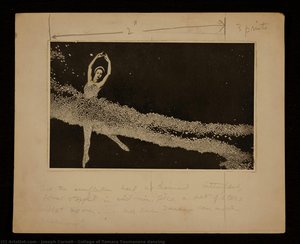
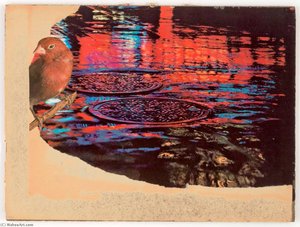
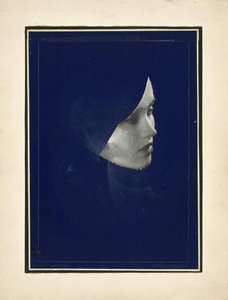
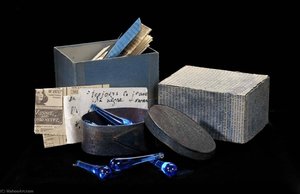
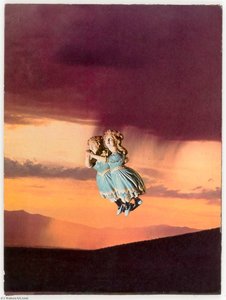
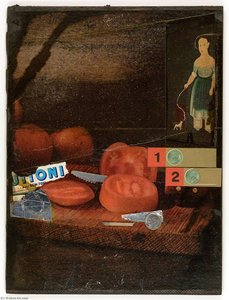
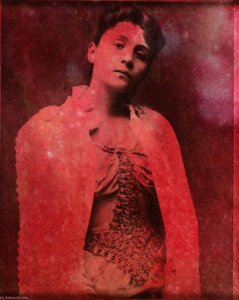
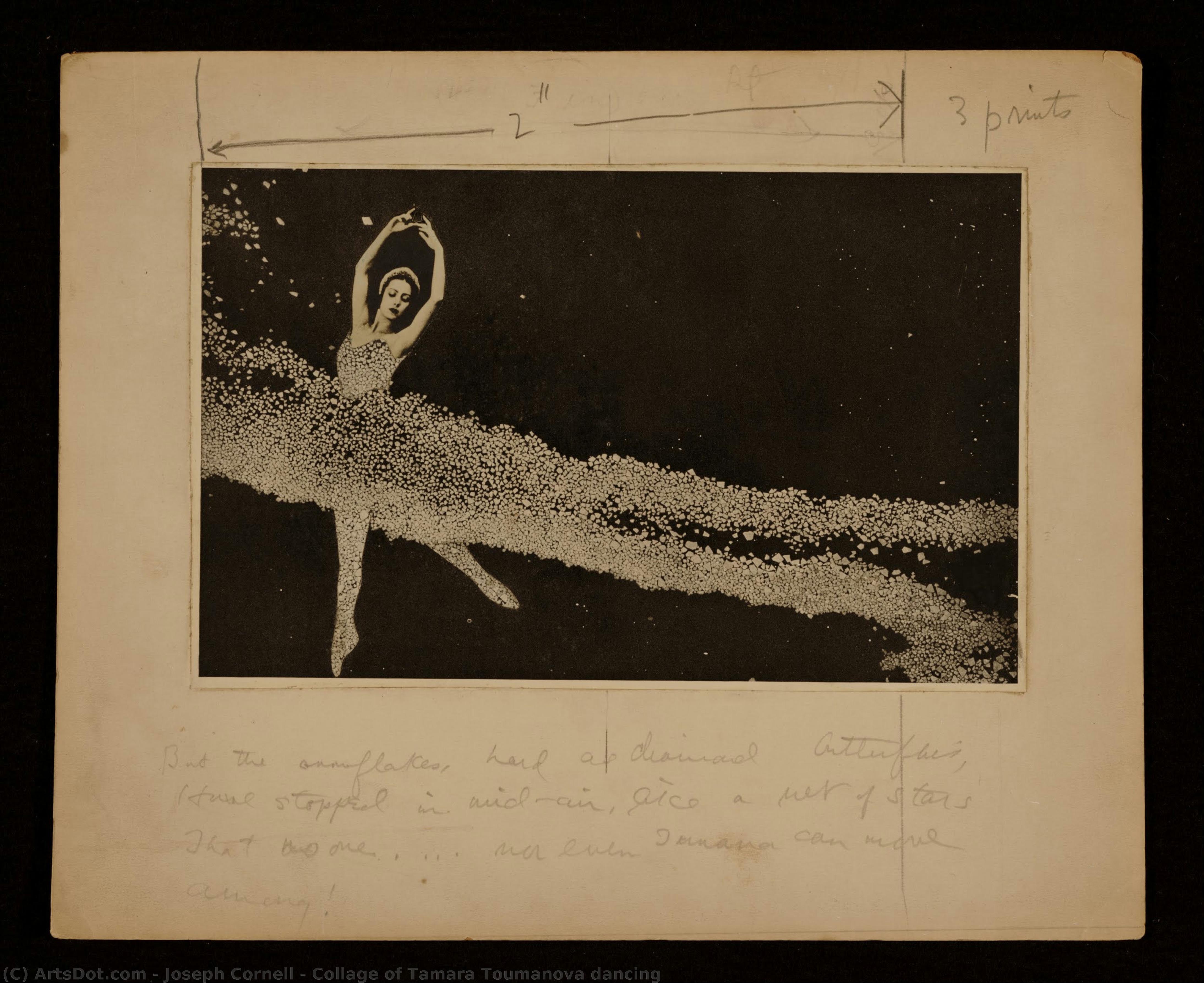
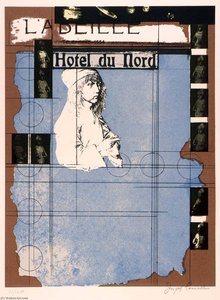
Collage of Tamara Toumanova dancing
 Mixed Media
- WallArt
- Surrealist Assemblage
 1970
1970- Modern
 22.0 x 27.0 cm
 Archives of American Art
 Read More
Hand Made Oil Reproduction
Hand-painted oil on canvas in your size and frame, made to order by our artists. ( Buy Print Buy Image)




P118B $10

P118H $10

P118W $10

P438Z $10

P508JH $12

P508YH $12

P805H $10

P805Z $10

P919BZ $10

P919G $10

P919XJ $10

P959ZH $10

P968JZ $12

W106C $8

W218G $10

W218JH $8

W218Y $10

W307PJ $10

W316G $10

W316PJ $8

W316Y $10

W398PJ $8

W4111J $10

W500HY $15

W500JH $15

W692G $12

W849H $8

W940BG $15

W953PJ $8




Pick from our preset sizes that match the artwork's original proportions.

You may enter your own dimensions to fit a specific frame or space. If your selected size does not match the original image's proportions, we will either crop the artwork or extend the painting with additional hand-painted elements. A digital mockup will be sent for your approval before production begins.
Please note that the on-screen preview does not reflect the actual cropping or extension. Only the mockup will accurately show the final composition.
While custom sizes are available, we recommend selecting a dimension from the predefined list to preserve the original proportions.
After order, ArtsDot.com team will email client for instructions and provide a mockup preview
Worldwide Delivery () in 3/4 weeks instead of standard 5 weeks. (16 August). No compromise on quality.

Free Worldwide Express Shipping

High-Quality Linen Canvas

Full Shipping Insurance

Customs Tax Refund Guarantee

True Color Matching Guarantee

60-Day Return Policy (Defects Only)

100% Money-Back Guarantee

Bulk Discount Offer
 Glass option is only available in size under 110 CM

Collage of Tamara Toumanova dancing
Reproduction Medium
Reproduction Size
-


Total Price
$ 263
Artwork Description
A Fragmented Dreamscape: Joseph Cornell’s “Collage of Tamara Toumanova Dancing”
This meticulously crafted hand-painted reproduction captures the essence of Joseph Cornell's singular vision – a world constructed from fragments, memories, and a profound sense of mystery. The artwork, titled "Collage of Tamara Toumanova Dancing," presents a captivating tableau derived from a 1970 photograph, transforming a simple stage performance into an evocative dreamscape. Measuring 22 x 27 cm, this piece offers a tangible connection to Cornell’s intensely personal and often enigmatic artistic practice.
- Subject Matter: The central focus is Tamara Toumanova, the renowned ballerina, frozen in mid-performance – a dramatic leap that embodies grace, power, and vulnerability.
- Style & Technique: Cornell’s signature style is immediately apparent; it's a masterful example of assemblage translated into paint. The hand-painted reproduction employs a layered technique reminiscent of collage, with elements seemingly floating within the composition. Brushstrokes are deliberate and controlled, building up textures that mimic the tactile qualities of the original photograph and Cornell’s preferred materials – found objects, paper scraps, and miniature theatrical elements.
The Poetics of Assemblage: Cornell's World Within Worlds
Joseph Cornell’s art is defined by its deliberate construction from seemingly disparate parts. Born in Nyack, New York, in 1903, he cultivated a deeply private world, rejecting the conventional ambitions of the art market. Influenced subtly by Surrealism – particularly the dreamlike logic and exploration of the irrational championed by Max Ernst and René Magritte – Cornell created ‘boxes’ and assemblages that functioned as miniature universes. “Collage of Tamara Toumanova Dancing” exemplifies this approach; it's not merely a representation of a dancer, but an invitation to contemplate the constructed nature of reality itself.
- Historical Context: Created in 1970, the artwork reflects Cornell’s mature style, honed over decades of experimentation. It aligns with his increasing focus on theatricality and narrative, often incorporating elements of vaudeville and circus into his work.
- Materials & Process: The hand-painted reproduction faithfully recreates Cornell's meticulous process – a painstaking layering of color and texture to simulate the appearance of found objects within a painted space. This technique elevates the image beyond a simple photographic copy, imbuing it with a unique artistic character.
Symbolism & Emotional Resonance
The composition is rich in symbolic potential. The dancer’s raised leg suggests aspiration and transcendence, while the blurred figures in the background hint at an audience – perhaps representing the viewer's own role as participant in this private drama. Cornell frequently used dance imagery to evoke themes of loneliness, longing, and the ephemeral nature of beauty. The black-and-white palette adds to the artwork’s melancholic mood, intensifying its emotional impact.
- Narrative Element: The image evokes a sense of suspended time – capturing a fleeting moment of performance that transcends the limitations of reality.
- Intended Effect: This reproduction is designed to evoke contemplation and wonder, inviting viewers to lose themselves in Cornell’s meticulously crafted world.
Perfect for Collection & Interior Design
"Collage of Tamara Toumanova Dancing" offers a unique opportunity to own a piece of Joseph Cornell's extraordinary legacy. This hand-painted reproduction is suitable for a wide range of interior design styles, from mid-century modern to contemporary spaces seeking an element of artistic intrigue. Its evocative imagery and masterful technique make it a compelling addition to any art collection or a thoughtful gift for the discerning collector.
Related Artworks

Artist Biography
A World Within Worlds: The Enigmatic Art of Joseph Cornell
Joseph Cornell, born on Christmas Eve in 1903 in Nyack, New York, remains one of the most singular and profoundly affecting figures in American art. His life was a study in contrasts – a deeply private existence interwoven with an astonishingly imaginative artistic output. He wasn’t driven by grand manifestos or a desire for widespread acclaim; instead, Cornell cultivated a quiet, intensely personal vision that transformed discarded objects into portals to other realms. Early influences were subtle but significant. Though largely self-taught, his exposure to the burgeoning Surrealist movement in New York during the 1930s proved pivotal. The dreamlike logic and embrace of the irrational found within the work of artists like Max Ernst and René Magritte resonated deeply with Cornell’s own inclination toward poetic assemblage. However, he never fully aligned himself with any particular school, forging a path uniquely his own. His early career involved practical work as a textile salesman, a profession that perhaps honed his eye for texture, pattern, and the inherent beauty of materials – qualities that would become hallmarks of his art.The Poetry of Found Objects
Cornell’s artistic breakthrough came with his invention of the shadow box—intricate, three-dimensional constructions housed within glass enclosures. These weren't merely collages extended into space; they were meticulously crafted worlds unto themselves. He scoured flea markets, antique shops, and libraries for forgotten treasures: vintage photographs, maps, dried flowers, miniature figurines, bits of colored glass, and fragments of everyday life. Each object wasn’t chosen arbitrarily but rather selected for its evocative power, its ability to trigger memory, or its resonance with a particular theme. The boxes are often imbued with a sense of longing, nostalgia, and melancholic beauty. Works like *Medici Princess* (1948) exemplify this perfectly—a delicate arrangement evoking Renaissance Italy, filtered through the lens of personal fantasy. He wasn’t interested in replicating reality but in constructing alternate realities, poetic narratives suspended within confined spaces. His technique was one of careful layering and juxtaposition, creating a sense of depth and mystery that invites prolonged contemplation. Cornell also ventured into experimental filmmaking, producing haunting collage films like *Rose Hobart* (1936), which further explored his fascination with fragmented imagery and dreamlike sequences.A Life Shaped by Devotion
Cornell’s artistic practice was inextricably linked to his personal life, particularly his unwavering devotion to his family. He remained a lifelong caregiver for his mother and brother Robert, who suffered from cerebral palsy. This commitment profoundly shaped his existence, limiting his travel and social interactions but also fostering a deep sense of empathy and introspection. His reclusive nature contributed to the enigmatic quality of his work; he rarely spoke about his intentions or offered explicit interpretations of his creations, preferring to let the objects speak for themselves. This deliberate ambiguity is part of what makes his art so compelling—it allows viewers to project their own emotions and experiences onto the boxes. A notable exception to his general isolation was a platonic relationship with Japanese artist Yayoi Kusama, a connection that provided him with intellectual stimulation and emotional support during the later years of his life.Legacy and Enduring Influence
Joseph Cornell’s influence extends far beyond the realm of assemblage art. He paved the way for subsequent generations of artists who embraced found objects and explored themes of memory, nostalgia, and the subconscious. His work anticipated Pop Art's appropriation of everyday imagery and Conceptual Art's emphasis on ideas over traditional aesthetics. Today, his boxes are held in major museum collections worldwide, including the Museum of Modern Art in New York and the Smithsonian American Art Museum.- His innovative use of materials continues to inspire artists across disciplines.
- The poetic sensibility and emotional depth of his work resonate with audiences seeking art that transcends mere visual appeal.
- Cornell’s unwavering commitment to his unique vision serves as a powerful reminder of the transformative potential of artistic expression.
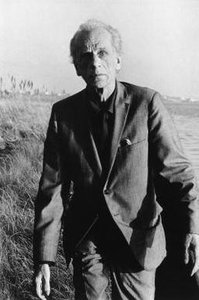
Joseph Cornell
1903 - 1972 , United States of America
Quick Facts
- Artistic Movement Or Style: Assemblage, Surrealism
- Artists Or Movements Influenced By This Artist: ['Avant-garde film']
- Artists Who Influenced This Artist:
- Max Ernst
- René Magritte
- Date Of Birth: 1903-12-24
- Date Of Death: 1972
- Full Name: Joseph Cornell
- Nationality: American
- Notable Artworks:
- Box with Geographic
- Untitled (1940s)
- Medici Princess
- Soap Bubble Set
- Place Of Birth: Nyack, USA
Related Articles
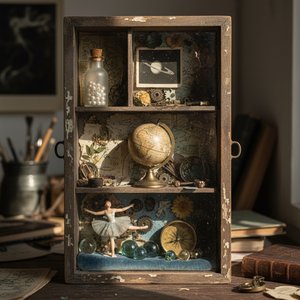
Joseph Cornell: Assemblage, Shadow Boxes & the Poetics of Found Objects
Explore the captivating world of Joseph Cornell's assemblage art & shadow boxes. Discover his unique process, Surrealist influences, and lasting legacy with ArtsDot.

Joseph Henry Sharp: Capturing the Spirit of the Plains – Life, Art & Legacy
Explore the life & art of Joseph Henry Sharp, a founding member of the Taos Society of Artists renowned for his realistic depictions of Native American culture and Western landscapes. Discover his legacy with ArtsDot.
Joseph Kleitsch: Bridging Impressionism & California Regionalism – A Study of Light and Identity
Explore the life & work of Joseph Kleitsch, a pivotal California Impressionist painter. Discover his vibrant landscapes, portraits, and legacy within the Laguna Beach art colony. A comprehensive study for collectors & enthusiasts.
Tamara de Lempicka: Art Deco Iconoclasm & the Construction of Modern Femininity
Explore the captivating world of Tamara de Lempicka, Art Deco icon. Discover her life, groundbreaking paintings, and lasting influence on modern art. Expert insights for collectors.
Léon Bakst: A Master of Decadence and the Ballet Russes' Visual Revolution
Explore the captivating world of Léon Bakst, master designer of the Ballets Russes. Discover his opulent costumes, revolutionary stagecraft & lasting influence on art and design. Learn about Diaghilev's vision and Bakst’s iconic works.