 Preview
 Send
Send Share
Share
 Details

 Download
 Similars
 X-Ray
X-Ray Diaporama
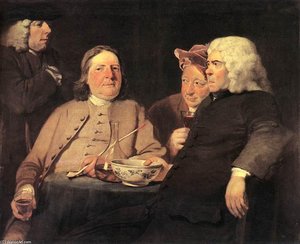
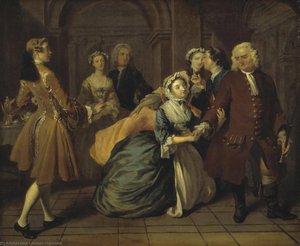
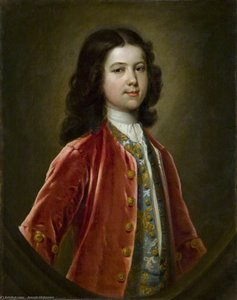
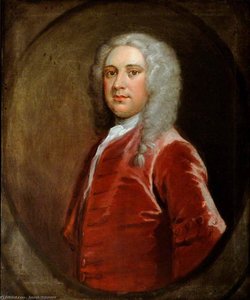
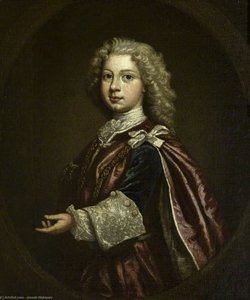
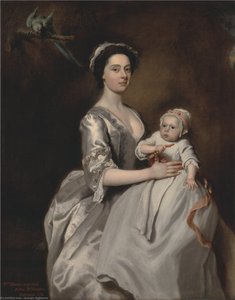
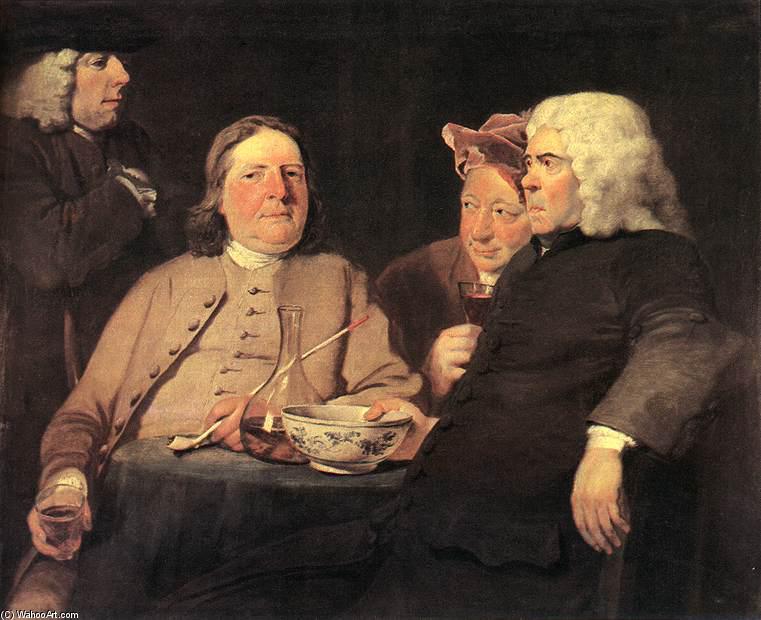
Mr. Oldham and his Friends
 Acrylic On Canvas
- WallArt
- Rococo Period
 1750
1750 105.0 x 130.0 cm
 Tate Gallery
 Read More
Hand Made Oil Reproduction
Hand-painted oil on canvas in your size and frame, made to order by our artists. ( Buy Print Buy Image)




P118B $10

P118H $10

P118W $10

P438Z $10

P508JH $12

P508YH $12

P805H $10

P805Z $10

P919BZ $10

P919G $10

P919XJ $10

P959ZH $10

P968JZ $12

W106C $8

W218G $10

W218JH $8

W218Y $10

W307PJ $10

W316G $10

W316PJ $8

W316Y $10

W398PJ $8

W4111J $10

W500HY $15

W500JH $15

W692G $12

W849H $8

W940BG $15

W953PJ $8




Pick from our preset sizes that match the artwork's original proportions.

You may enter your own dimensions to fit a specific frame or space. If your selected size does not match the original image's proportions, we will either crop the artwork or extend the painting with additional hand-painted elements. A digital mockup will be sent for your approval before production begins.
Please note that the on-screen preview does not reflect the actual cropping or extension. Only the mockup will accurately show the final composition.
While custom sizes are available, we recommend selecting a dimension from the predefined list to preserve the original proportions.
After order, ArtsDot.com team will email client for instructions and provide a mockup preview
Worldwide Delivery () in 3/4 weeks instead of standard 5 weeks. (17 August). No compromise on quality.

Free Worldwide Express Shipping

High-Quality Linen Canvas

Full Shipping Insurance

Customs Tax Refund Guarantee

True Color Matching Guarantee

60-Day Return Policy (Defects Only)

100% Money-Back Guarantee

Bulk Discount Offer
 Glass option is only available in size under 110 CM

Mr. Oldham and his Friends
Reproduction Medium
Reproduction Size
-


Total Price
$ 263
Artwork Description
A Portrait of Georgian Camaraderie: Joseph Highmore’s Mr. Oldham and His Friends
Joseph Highmore's “Mr. Oldham and his Friends,” painted in 1750, stands as a quintessential example of Rococo portraiture—a genre that flourished during the reign of George II, capturing not just likeness but also an atmosphere of refined leisure and intellectual discourse.
The painting depicts four men seated around a mahogany table laden with wine glasses. Their expressions convey relaxed conviviality; one man wears a hat perched atop his head, adding a subtle element of aristocratic elegance to the composition. The artist’s meticulous attention to detail extends beyond mere representation—notice the careful rendering of fabrics and textures, indicative of Highmore's mastery of oil paint technique.
Highmore skillfully employed chiaroscuro – dramatic contrasts between light and shadow – to sculpt the figures and imbue them with depth. This technique, borrowed from Baroque painters like Rembrandt, elevates the scene beyond a simple depiction of individuals; it suggests an inner life, hinting at conversations and shared experiences unseen by the viewer.
Beyond its aesthetic beauty, “Mr. Oldham and His Friends” speaks to the broader cultural values of Georgian England. The gathering represents a celebration of friendship, intellectual curiosity, and social refinement—values prized within the aristocratic circles of the time. The inclusion of wine symbolizes indulgence and pleasure, reflecting the opulent tastes of the era.
Furthermore, scholars believe Highmore’s depiction subtly underscores the importance of patronage – the support provided by wealthy individuals like Oldham – in fostering artistic creativity. This painting exemplifies how art served as a conduit for social status and cultural prestige.
- Artist: Joseph Highmore
- Year Painted: 1750
- Medium: Oil on Canvas
- Size: 105 x 130 cm
- Style: Rococo
Reproductions of “Mr. Oldham and His Friends” offer a captivating glimpse into Georgian society, allowing collectors and interior designers alike to appreciate Highmore’s artistic legacy and the enduring appeal of this evocative portrait.
Related Artworks
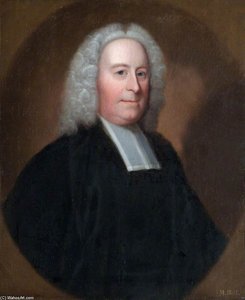
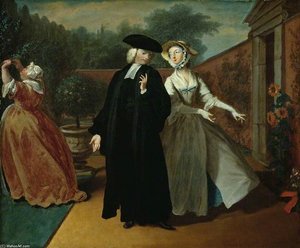
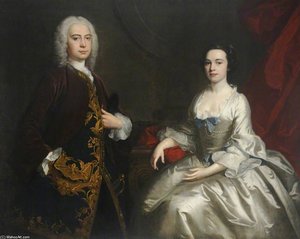
Artist Biography
A Life Dedicated to Likeness and Narrative
Joseph Highmore, born in London in 1692, emerged as a pivotal figure within the evolving landscape of 18th-century English art. His journey began amidst familial expectations geared towards a legal career—a path he ultimately abandoned at seventeen to wholeheartedly pursue his artistic inclinations. This decisive turn led him to the studios of Sir Godfrey Kneller and anatomy lectures delivered by William Cheselden, foundational experiences that shaped his technical skill and profound understanding of the human form. Initially influenced by the grand Baroque tradition exemplified by Kneller, Highmore’s style would gradually embrace the more delicate aesthetics of the Rococo period, a shift reflective of broader cultural currents sweeping across Europe. He wasn't merely a painter; he was a keen observer of society, and his canvases became mirrors reflecting the lives, manners, and moral concerns of Georgian England.From Royal Patrons to Middle-Class Commissions
Highmore’s early career benefited from patronage within royal circles, particularly during the 1730s and 40s. This afforded him opportunities to portray prominent figures like King George II and, famously, General James Wolfe—portraits that demonstrate not only his technical prowess but also a remarkable ability to capture character and presence. A formative journey through the Netherlands and France between 1732 and 1734 further broadened his artistic horizons, exposing him to the works of masters such as Rubens and van Dyck. However, Highmore’s adaptability proved crucial to his sustained success. As tastes evolved and a burgeoning middle class sought representation, he skillfully adjusted his focus, catering to their desire for portraits that reflected their social standing and domestic lives. This period saw the rise of his celebrated “conversation pieces”—group portraits depicting families or friends engaged in informal gatherings—a genre where Highmore excelled at conveying both individual personalities and the dynamics of social interaction. These works weren’t simply records of appearance; they were narratives frozen in time, offering glimpses into the everyday lives of his sitters. Mr Matthew Bell, for example, showcases a dignified composure typical of his Rococo realism, while portraits like Anthony Highmore reveal an elegant attire and timeless composition.Illustrating Virtue: ‘Pamela’ and Beyond
While renowned for his portraiture, Joseph Highmore achieved widespread recognition through a unique project that bridged the worlds of art and literature. In 1744, he embarked on a series of twelve paintings inspired by Samuel Richardson's immensely popular novel, *Pamela, or Virtue Rewarded*. These illustrations weren’t merely decorative accompaniments to the text; they were carefully considered interpretations of key scenes, designed to amplify the story’s emotional impact and moral message. The engravings derived from these paintings, executed by Benoist and Louis Truchy, further disseminated Richardson's narrative to a wider audience, effectively making Highmore an instrumental figure in popularizing the novel. Beyond *Pamela*, Highmore also ventured into historical painting, exemplified by his donation of Hagar and Ishmael to the Foundling Hospital—a testament to both his artistic skill and his engagement with contemporary social issues. This work, along with others, reveals a willingness to explore complex themes and narratives beyond the realm of portraiture, reflecting a deep sensitivity to the vulnerabilities within society.A Legacy of Realism and Refinement
In 1762, at the age of seventy, Highmore retired to Canterbury, where he lived with his daughter and son-in-law, continuing to engage intellectually through art historical writings—including a critical examination of Rubens’s work. He passed away in 1780, aged eighty-seven, and was buried in accordance with a statute designed to support the wool trade. Joseph Highmore's legacy rests on his significant contribution to English portraiture during the Rococo period. His paintings are characterized by a remarkable attention to detail, a sensitivity to individual character, and an ability to capture the essence of Georgian society. He wasn’t simply a recorder of appearances; he was a storyteller who used paint to illuminate the lives, values, and aspirations of his time.- Family Connections: Susanna Highmore (née Hiller): His wife, a poet whose works remain largely unpublished.
- Anthony Highmore: His son, also an artist.
- Anthony Highmore Jr.: A grandson who became a writer on legal affairs and a social activist.
Joseph Highmore
1692 - 1780 , United Kingdom
Quick Facts
- Artistic Movement Or Style: Rococo
- Artists Or Movements Influenced By This Artist: ['Georgian portraiture']
- Artists Who Influenced This Artist:
- Kneller
- Rubens
- van Dyck
- Date Of Birth: 1692
- Date Of Death: 1780
- Full Name: Joseph Highmore
- Nationality: British
- Notable Artworks:
- Pamela illustrations
- Mr Matthew Bell
- Hagar and Ishmael
- Place Of Birth: London, UK
Related Articles
Cultivating Ambiance: A Curatorial Guide to Art Selection for Wine Cellars and Tasting Rooms – Enhancing Oenological Experience Through Landscape, Symbolism, and Interior Harmony
Elevate your wine cellar or tasting room with curated art! Expert guidance on landscape paintings, symbolism & lighting to enhance the oenological experience. Discover how art transforms spaces and tells your winery's story.
Joseph Highmore: Moral Tales & Domestic Genre in 18th-Century British Art
Explore the captivating world of Joseph Highmore, a leading British Rococo painter. Discover his elegant portraits, insightful 'Pamela' illustrations & contributions to 18th-century art history. Learn more at ArtsDot.

Rococo's Radiant Legacy: 10 Masterpieces for Your Home |
Indulge in the elegance of Rococo! Explore 10 masterpieces by Fragonard, Boucher & Watteau. Discover the stories behind these iconic paintings and bring timeless art to your home with museum-quality reproductions from .

The Rococo Aesthetic: Opulence, Rebellion & the Pursuit of Pleasure in 18th-Century Art
Explore the opulent world of Rococo art! Discover its origins, key artists like Watteau & Boucher, and lasting influence on design. Expert insights for collectors & enthusiasts.
The Allure of Elegance in Art: A Historical & Aesthetic Exploration of Refinement & Grace
Explore the exquisite world of Rococo art! Discover its history, masters (Watteau, Boucher & more), and defining elegance. Expert insights for collectors seeking museum-quality reproductions & custom portraits.