 Preview
 Send
Send Share
Share
 Details

 Download
 Similars
 X-Ray
X-Ray Diaporama
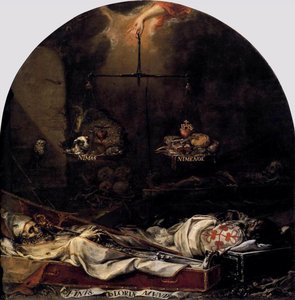
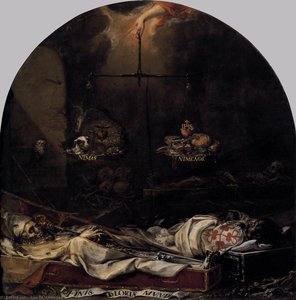
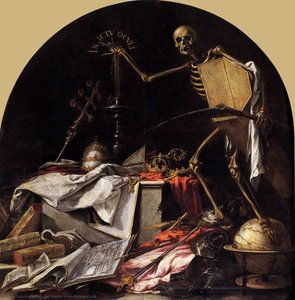
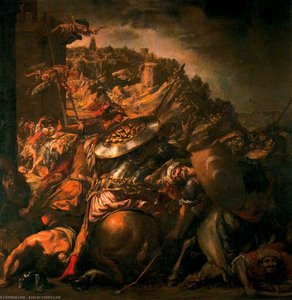
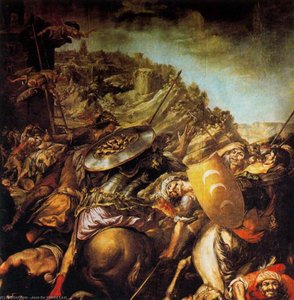
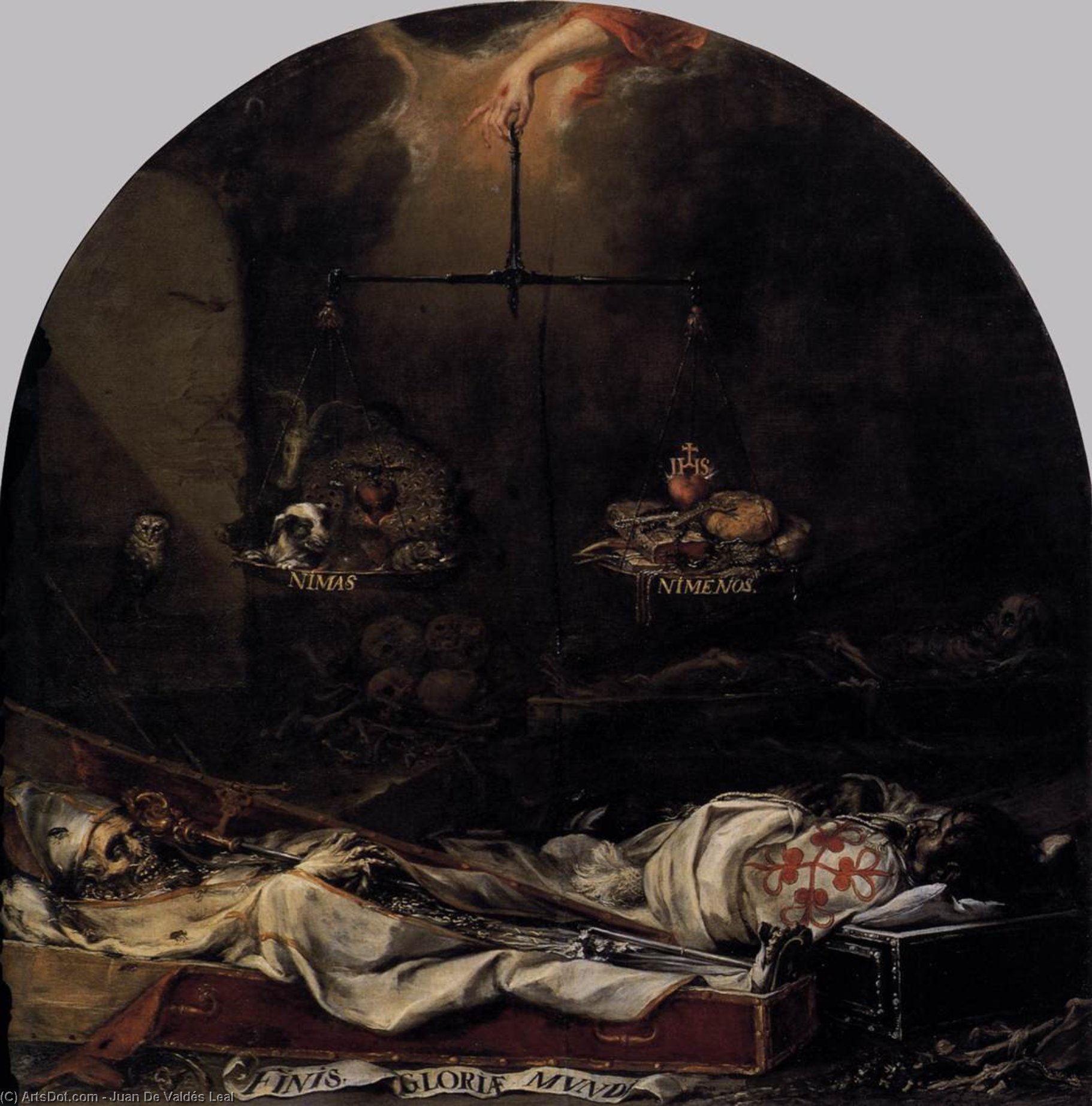
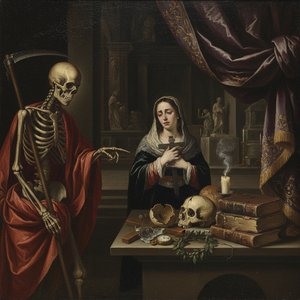
Finis Gloriae Mundi
 Acrylic On Canvas
- WallArt
- Baroque
 1670
1670 220.0 x 216.0 cm
 Hospital de la Caridad
 Read More
Giclée / Art Print
Museum-quality giclée or canvas print with fast production and flexible finish options. ( Buy Hand Made Painting Buy Image)




P118B $10

P118H $10

P118W $10

P438Z $10

P508JH $12

P508YH $12

P805H $10

P805Z $10

P919BZ $10

P919G $10

P919XJ $10

P959ZH $10

P968JZ $12

W106C $8

W218G $10

W218JH $8

W218Y $10

W307PJ $10

W316G $10

W316PJ $8

W316Y $10

W398PJ $8

W4111J $10

W500HY $15

W500JH $15

W692G $12

W849H $8

W940BG $15

W953PJ $8




Pick from our preset sizes that match the artwork's original proportions.

You may enter your own dimensions to fit a specific frame or space. If your selected size does not match the original image's proportions, we will either crop the artwork or extend the image with a mirrored or solid-fill edge. A digital mockup will be sent for your approval before production begins.
Please note that the on-screen preview does not reflect the actual cropping or extension. Only the mockup will accurately show the final composition.
While custom sizes are available, we recommend selecting a dimension from the predefined list to preserve the original proportions.
Worldwide Delivery () in 2 weeks instead of standard 4/5 weeks. (25 August)

Free Worldwide Express Shipping

High-Quality Linen Canvas

Full Shipping Insurance

Customs Tax Refund Guarantee

True Color Matching Guarantee

60-Day Return Policy (Defects Only)

100% Money-Back Guarantee

Bulk Discount Offer
 Glass option is only available in size under 110 CM

Finis Gloriae Mundi
Giclée / Art Print
Reproduction Size
-


Total Price
$ 63
Collectible Description
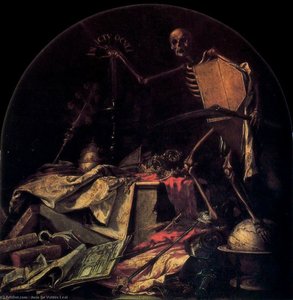
The Weight of Mortality: Juan de Valdés Leal’s *Finis Gloriae Mundi*
Juan de Valdés Leal's 1670 painting, *Finis Gloriae Mundi* (End of Worldly Glory), is not merely a depiction of death; it’s a profound meditation on the ephemeral nature of existence, rendered with a stark and unsettling beauty. Commissioned for the Hospital de la Claridad in Seville during a period of immense social upheaval – marked by plague outbreaks and religious fervor – the work transcends its immediate setting to offer a universal reflection on human vanity and the inevitability of decay. Leal, a master of the Baroque era, expertly employs dramatic chiaroscuro, a technique deeply rooted in the Counter-Reformation’s desire to evoke emotional intensity, to amplify the painting's somber message.
The scene unfolds within a modestly furnished chamber – a bed, a chair, and a table bearing simple objects: a book, a cup, and a bird perched on what appears to be a piece of wood. These earthly possessions, arranged with meticulous detail, immediately establish the painting’s central theme: the futility of material pursuits. However, it is not the objects themselves that draw attention, but their context – the decaying bodies sprawled across the floor. Two corpses, rendered in exquisite anatomical realism, dominate the foreground. One, a bishop draped in ecclesiastical robes, lies amidst insects and dust, symbolizing the corruption and ultimate insignificance of worldly power. The other, a knight clad in armor, represents the ideals of chivalry and military glory, now reduced to a state of lifelessness.
Symbolism and the Vanitas Tradition
Leal’s work is firmly embedded within the *Vanitas* tradition – a genre that flourished during the 17th century, characterized by its deliberate inclusion of symbols representing mortality, decay, and the transience of earthly pleasures. The carefully chosen elements—the decaying bodies, the insects, the extinguished flame (implied in the bird’s position), and even the dust motes suspended in the air – all contribute to this overarching message. The skull, subtly incorporated into the composition, serves as a stark reminder of death's ultimate dominion. The inclusion of clocks, visible in the upper corners, further emphasizes the relentless passage of time and the fleeting nature of human life. These aren’t simply decorative elements; they are potent symbols of the vanity of earthly ambition.
The balance scale, positioned prominently in the scene, is a key visual device. It represents the judgment of souls – a common motif in religious art of the period. On one side, we find objects associated with worldly success and honor: a book (representing knowledge), a cup (symbolizing indulgence), and a heart adorned with letters—likely representing virtues or perhaps even sins. On the other side, however, are symbols of decay and corruption: a pig (representing gluttony), a goat (suggesting lust), a peacock (signifying pride), and a dog (symbolizing wrath). The equilibrium of the scale suggests that earthly achievements ultimately lead to damnation, while virtuous actions—however small—are necessary for salvation.
Contextualizing the Painting: Seville in the 17th Century
To fully appreciate *Finis Gloriae Mundi*, it’s crucial to understand the historical context in which it was created. Seville, during the late 17th century, was a city grappling with profound social and religious changes. The devastating Great Plague of 1647-1652 decimated the population, exposing the fragility of life and prompting a renewed focus on mortality. Simultaneously, the Counter-Reformation demanded that the Catholic Church reaffirm its authority and combat the spread of Protestantism. Leal’s painting reflects this atmosphere of anxiety and spiritual urgency – a poignant reminder of the impermanence of earthly glory in the face of divine judgment.
A Timeless Meditation on Human Existence
*Finis Gloriae Mundi* is more than just a historical artifact; it's a deeply moving meditation on the human condition. Leal’s masterful use of light, shadow, and symbolism creates an intensely emotional experience for the viewer, prompting reflection on our own mortality and the values we prioritize in life. The painting’s enduring power lies not only in its technical brilliance but also in its profound exploration of universal themes—the fleeting nature of earthly pleasures, the inevitability of death, and the search for meaning in a world marked by uncertainty. Reproductions of this powerful work offer a chance to contemplate these weighty subjects within the comfort of one’s own space.
Related Artworks
Artist Biography
early life and training
juan de valdés leal, a renowned spanish painter and etcher, was born on may 4, 1622, in seville, spain. he became a painter, sculptor, and architect, showcasing his versatility in the art world. by his twenties, he was studying under antonio del castillo in córdoba, honing his skills in the baroque era.notable works and collaborations
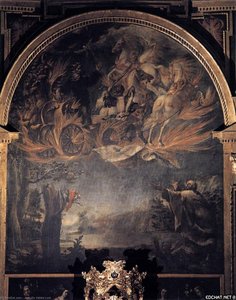
valdés leal's notable works include:- history of the prophet elias for the church of the carmelites
- martyrdom of st. andrew for the church of san francesco in córdoba
- triumph of the cross for la caridad in seville these works demonstrate his ability to capture somber and dramatic subjects, often exploring themes of vanitas, transience, and mortality. his collaboration with bartolomé esteban murillo, a fellow artist with a peaceful and serene style, led to the founding of the seville academy of art in 1656.
personal life and legacy
valdés leal married isabella carasquilla, also a painter, in 1647. the couple had five children, several of whom became artists, including lucas, maria, and laura. valdés leal passed away on october 15, 1690, in seville, leaving behind a legacy in the art world.viewing his artworks at ArtsDot.com
to explore more of valdés leal's works, visit https://ArtsDot.com/@/juan de valdés leal, where you can find:- 165 artworks by juan de valdés leal
- museum quality copies of his paintings
- baroque art style, characteristic of the era wikipedia: juan de valdés leal
discover more at ArtsDot.com
- museo de bellas artes de asturias (spain): explore the museum's collection, featuring european art from the 12th to the early 20th century.
- the museum of fine arts of seville, spain: learn about the museum's history, collection, and visiting information. experience the world of art with ArtsDot.com
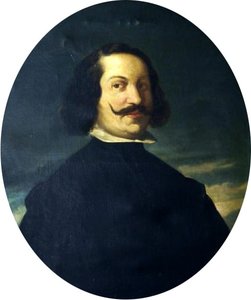
Juan de Valdés Leal
1622 - 1690 , Spain
Quick Facts
- Artistic Movement Or Style: Baroque painting
- Artists Or Movements Influenced By This Artist: ['Bartolomé Murillo']
- Artists Who Influenced This Artist: ['Antonio del Castillo']
- Date Of Birth: May 4, 1622
- Date Of Death: October 15, 1690
- Full Name: Juan de Nisa Valdés Leal
- Nationality: Spanish
- Notable Artworks:
- History of the Prophet Elias
- Martyrdom of St. Andrew
- Triumph of the Cross
- Place Of Birth: Seville, Spain
Related Articles
Juan de Valdés Leal: Baroque Realism, Memento Mori & Theatricality of Spanish Grief
Explore the powerful Baroque realism of Juan de Valdés Leal (1622-1690). Discover his somber masterpieces, iconic 'In Ictu Oculi', and profound explorations of mortality. Museum-quality reproductions available at ArtsDot.

Goya's Masterpieces: Explore 25 Iconic Paintings & Art Prints | ArtsDot
Delve into the world of Francisco Goya with ArtsDot. Explore 25 iconic paintings – from 'The Third of May' to his haunting Black Paintings. Discover the stories, techniques & emotions behind these Spanish masterpieces. Find museum-quality art reproductions for your home at ArtsDot.com!

About Us
Discover our story! We bring world-class art into your life through expert curation, personalized creations, and free previews. Trusted by individuals and businesses since 2000.

Baroque Drama: Bringing Opulence & Emotion into Contemporary Interiors
Explore the opulent world of Baroque interior design! Discover key elements, modern applications & how to bring dramatic elegance into your home with 's authentic reproductions.

Baroque Masterpieces: 10 Paintings That Defined an Era |
Journey through the drama & grandeur of Baroque art! Explore 10 masterpieces by Caravaggio, Rembrandt, Rubens & more. Discover stunning oil paintings, rich colors & timeless stories. Find museum-quality reproductions at .