 Preview
 Send
Send Share
Share
 Details

 Download
 Similars
 X-Ray
X-Ray Diaporama
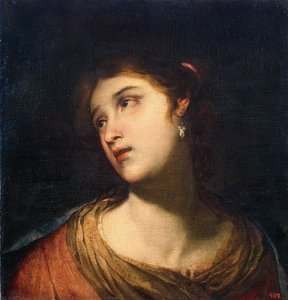
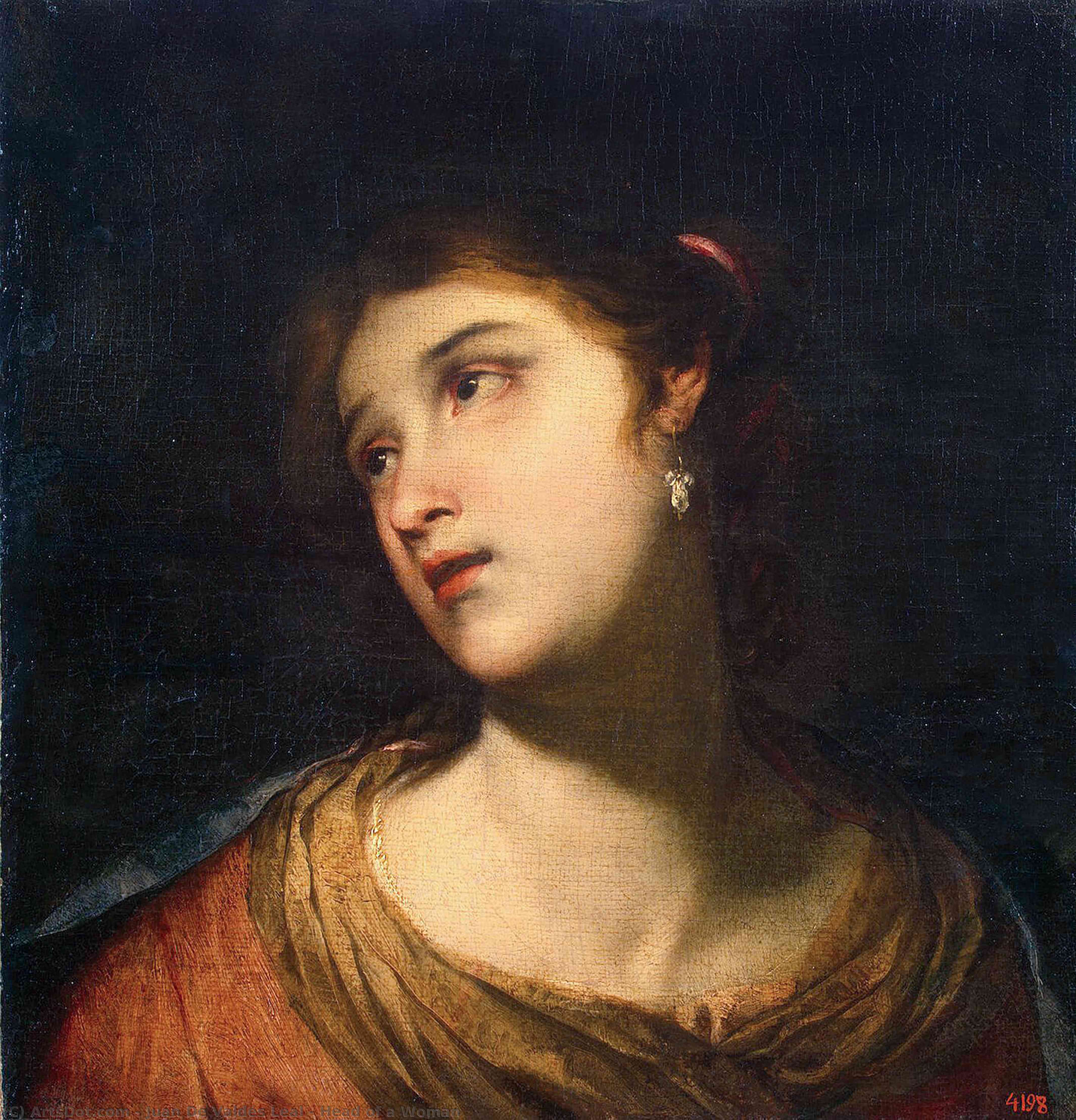
Head of a Woman
 Oil On Canvas
- WallArt
- Spanish Baroque
 1658
1658 44.0 x 43.0 cm
 Hermitage Museum
 Read More
Hand Made Oil Reproduction
Hand-painted oil on canvas in your size and frame, made to order by our artists. ( Buy Print Buy Image)




P118B $10

P118H $10

P118W $10

P438Z $10

P508JH $12

P508YH $12

P805H $10

P805Z $10

P919BZ $10

P919G $10

P919XJ $10

P959ZH $10

P968JZ $12

W106C $8

W218G $10

W218JH $8

W218Y $10

W307PJ $10

W316G $10

W316PJ $8

W316Y $10

W398PJ $8

W4111J $10

W500HY $15

W500JH $15

W692G $12

W849H $8

W940BG $15

W953PJ $8




Pick from our preset sizes that match the artwork's original proportions.

You may enter your own dimensions to fit a specific frame or space. If your selected size does not match the original image's proportions, we will either crop the artwork or extend the painting with additional hand-painted elements. A digital mockup will be sent for your approval before production begins.
Please note that the on-screen preview does not reflect the actual cropping or extension. Only the mockup will accurately show the final composition.
While custom sizes are available, we recommend selecting a dimension from the predefined list to preserve the original proportions.
After order, ArtsDot.com team will email client for instructions and provide a mockup preview
Worldwide Delivery () in 3/4 weeks instead of standard 5 weeks. (17 August). No compromise on quality.

Free Worldwide Express Shipping

High-Quality Linen Canvas

Full Shipping Insurance

Customs Tax Refund Guarantee

True Color Matching Guarantee

60-Day Return Policy (Defects Only)

100% Money-Back Guarantee

Bulk Discount Offer
 Glass option is only available in size under 110 CM

Head of a Woman
Reproduction Medium
Reproduction Size
-


Total Price
$ 263
Artwork Description
A Portrait of Quiet Intensity: Juan de Valdés Leal’s “Head of a Woman”
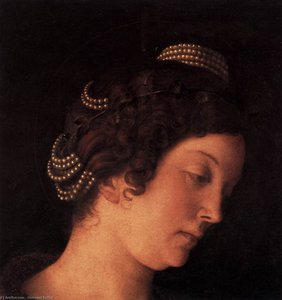
Juan de Valdés Leal's "Head of a Woman," painted in 1658, is not merely a portrait; it’s a carefully constructed meditation on beauty, contemplation, and the subtle language of expression. Housed within the venerable halls of The Hermitage Museum in St. Petersburg, this oil-on-canvas work offers a rare glimpse into the world of Spanish Baroque art – a period defined by dramatic contrasts, intense emotion, and an unwavering fascination with human psychology. Leal’s masterful handling of light and shadow, combined with his meticulous attention to detail, elevates this piece beyond simple likeness, transforming it into a powerful study of the female form and the mysteries held within the eyes.
The Baroque Aesthetic: Drama and Realism in Harmony
Created during a pivotal moment in European history – a time marked by significant architectural and artistic developments like the construction of Vaux-le-Vicomte – “Head of a Woman” embodies the core tenets of the Spanish Baroque. Leal, deeply influenced by the traditions of his predecessors, particularly Antonio del Castillo, skillfully balances dramatic theatricality with a profound sense of realism. The painting’s monochrome palette—a deliberate choice that harkens back to earlier portraiture styles—intensifies the focus on the subject's face and expression, stripping away any distractions and forcing the viewer into an intimate dialogue. Notice the carefully rendered texture of her hair, pulled back in a sophisticated bun, and the delicate folds of her garment – each element meticulously observed and translated onto the canvas with remarkable precision.
Symbolism and the Language of the Gaze
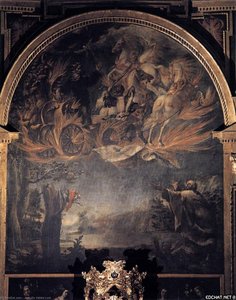
The woman’s direct gaze is arguably the painting's most compelling feature. It isn’t a vacant stare, but rather an intense, almost challenging look that invites the viewer to share in her thoughts and emotions. The slight tilt of her head suggests a moment of quiet contemplation, perhaps lost in memory or simply observing the world around her. The pearl earring, a subtle yet significant detail, hints at a certain social standing – a small emblem of wealth and status within 17th-century Spain. Considering Leal’s penchant for exploring themes of transience and mortality, often through works like “History of the Prophet Elias,” one might interpret this portrait as a reflection on the fleeting nature of beauty and life itself.
Technique and Artistic Influence
Leal's technique is characterized by a masterful use of chiaroscuro – the dramatic interplay of light and dark. He employs visible brushstrokes, particularly in the hair and fabric, adding a tactile quality to the image and enhancing its three-dimensional effect. The painting’s composition echoes similarities with works like Philipp Veit’s “Allegory of Russia,” sharing a similar focus on capturing the essence of the subject's inner life. Furthermore, comparing it to Rembrandt van Rijn’s "Holy Family" reveals a shared commitment to portraying human emotion with remarkable sensitivity and realism. The painting stands as a testament to Leal’s skill in portraiture, demonstrating his ability to not only depict physical likeness but also to convey the complex emotions and psychological depth of his subjects.
A high-quality reproduction of “Head of a Woman” offers an exceptional opportunity to bring this captivating Baroque masterpiece into your home or studio. Its timeless elegance and profound emotional resonance will undoubtedly serve as a source of inspiration for years to come, reflecting the enduring power of art to connect us with the past and illuminate the human condition.
Related Artworks
Artist Biography
early life and training
juan de valdés leal, a renowned spanish painter and etcher, was born on may 4, 1622, in seville, spain. he became a painter, sculptor, and architect, showcasing his versatility in the art world. by his twenties, he was studying under antonio del castillo in córdoba, honing his skills in the baroque era.notable works and collaborations
valdés leal's notable works include:- history of the prophet elias for the church of the carmelites
- martyrdom of st. andrew for the church of san francesco in córdoba
- triumph of the cross for la caridad in seville these works demonstrate his ability to capture somber and dramatic subjects, often exploring themes of vanitas, transience, and mortality. his collaboration with bartolomé esteban murillo, a fellow artist with a peaceful and serene style, led to the founding of the seville academy of art in 1656.
personal life and legacy
valdés leal married isabella carasquilla, also a painter, in 1647. the couple had five children, several of whom became artists, including lucas, maria, and laura. valdés leal passed away on october 15, 1690, in seville, leaving behind a legacy in the art world.viewing his artworks at ArtsDot.com
to explore more of valdés leal's works, visit https://ArtsDot.com/@/juan de valdés leal, where you can find:- 165 artworks by juan de valdés leal
- museum quality copies of his paintings
- baroque art style, characteristic of the era wikipedia: juan de valdés leal
discover more at ArtsDot.com
- museo de bellas artes de asturias (spain): explore the museum's collection, featuring european art from the 12th to the early 20th century.
- the museum of fine arts of seville, spain: learn about the museum's history, collection, and visiting information. experience the world of art with ArtsDot.com
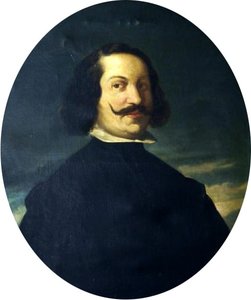
Juan de Valdés Leal
1622 - 1690 , Spain
Quick Facts
- Artistic Movement Or Style: Baroque painting
- Artists Or Movements Influenced By This Artist: ['Bartolomé Murillo']
- Artists Who Influenced This Artist: ['Antonio del Castillo']
- Date Of Birth: May 4, 1622
- Date Of Death: October 15, 1690
- Full Name: Juan de Nisa Valdés Leal
- Nationality: Spanish
- Notable Artworks:
- History of the Prophet Elias
- Martyrdom of St. Andrew
- Triumph of the Cross
- Place Of Birth: Seville, Spain
Related Articles
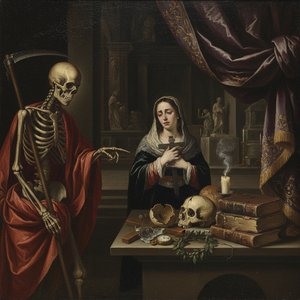
Juan de Valdés Leal: Baroque Realism, Memento Mori & Theatricality of Spanish Grief
Explore the powerful Baroque realism of Juan de Valdés Leal (1622-1690). Discover his somber masterpieces, iconic 'In Ictu Oculi', and profound explorations of mortality. Museum-quality reproductions available at ArtsDot.

Goya's Masterpieces: Explore 25 Iconic Paintings & Art Prints | ArtsDot
Delve into the world of Francisco Goya with ArtsDot. Explore 25 iconic paintings – from 'The Third of May' to his haunting Black Paintings. Discover the stories, techniques & emotions behind these Spanish masterpieces. Find museum-quality art reproductions for your home at ArtsDot.com!

Demandes Commerciales
APS ofrece reproducciones de bellas artes y encargos personalizados desde 2004. Confían en nosotros corporaciones, hoteles y coleccionistas selectos para obras de arte de calidad museística, servicio discreto y soluciones artísticas completas. ¡Póngase en contacto con nosotros para obtener un presupuesto personalizado!
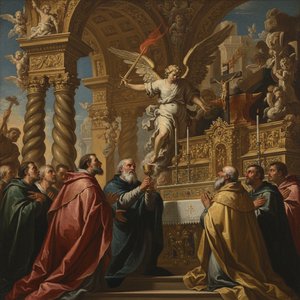
The Golden Age Reforged: Dramatic Realism & Religious Zeal in Spanish Baroque Art
Explore the dramatic world of Spanish Baroque art! Discover masters like Zurbarán & the powerful influence of religious zeal on painting techniques – a guide for collectors and enthusiasts.
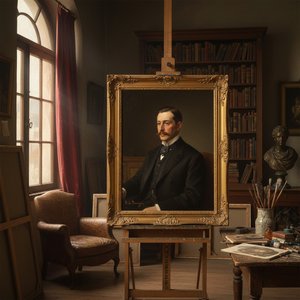
Rafael de Penagos: A Study in Spanish Portraiture & Artistic Identity
Explore the life & art of Rafael de Penagos, a leading Spanish Art Deco illustrator. Discover his iconic 'Penagos Woman', commercial work, and lasting legacy. Learn about this pivotal figure in 20th-century Spanish art history.