 Preview
 Send
Send Share
Share
 Details

 Download
 Similars
 X-Ray
X-Ray Diaporama
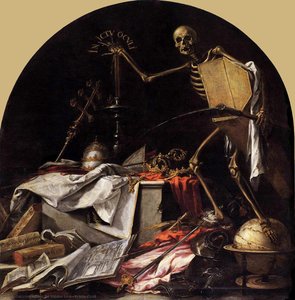
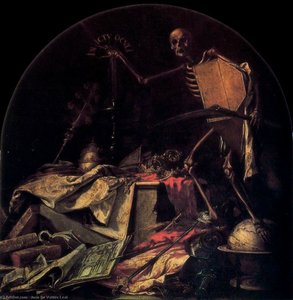
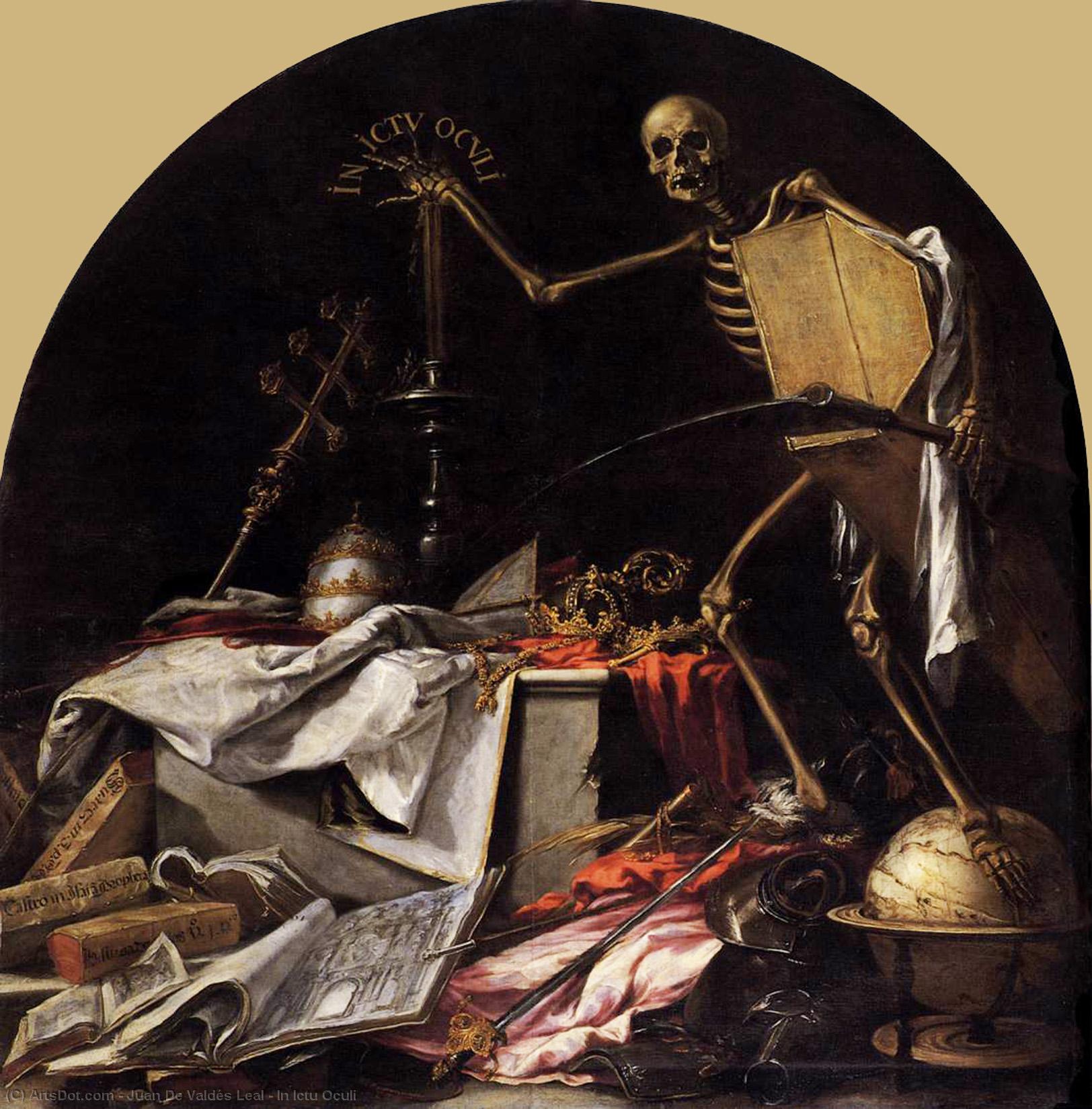
In Ictu Oculi
 Acrylic
- WallArt
- Baroque
 1670
1670 220.0 x 216.0 cm
 Hospital de la Caridad
 Read More
Hand Made Oil Reproduction
Hand-painted oil on canvas in your size and frame, made to order by our artists. ( Buy Print Buy Image)




P118B $10

P118H $10

P118W $10

P438Z $10

P508JH $12

P508YH $12

P805H $10

P805Z $10

P919BZ $10

P919G $10

P919XJ $10

P959ZH $10

P968JZ $12

W106C $8

W218G $10

W218JH $8

W218Y $10

W307PJ $10

W316G $10

W316PJ $8

W316Y $10

W398PJ $8

W4111J $10

W500HY $15

W500JH $15

W692G $12

W849H $8

W940BG $15

W953PJ $8




Pick from our preset sizes that match the artwork's original proportions.

You may enter your own dimensions to fit a specific frame or space. If your selected size does not match the original image's proportions, we will either crop the artwork or extend the painting with additional hand-painted elements. A digital mockup will be sent for your approval before production begins.
Please note that the on-screen preview does not reflect the actual cropping or extension. Only the mockup will accurately show the final composition.
While custom sizes are available, we recommend selecting a dimension from the predefined list to preserve the original proportions.
After order, ArtsDot.com team will email client for instructions and provide a mockup preview
Worldwide Delivery () in 3/4 weeks instead of standard 5 weeks. (17 August). No compromise on quality.

Free Worldwide Express Shipping

High-Quality Linen Canvas

Full Shipping Insurance

Customs Tax Refund Guarantee

True Color Matching Guarantee

60-Day Return Policy (Defects Only)

100% Money-Back Guarantee

Bulk Discount Offer
 Glass option is only available in size under 110 CM

In Ictu Oculi
Reproduction Medium
Reproduction Size
-


Total Price
$ 263
Artwork Description
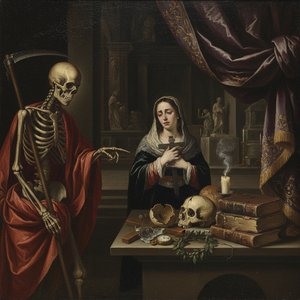
A Meditation on Mortality: Juan de Valdés Leal’s “In Ictu Oculi”
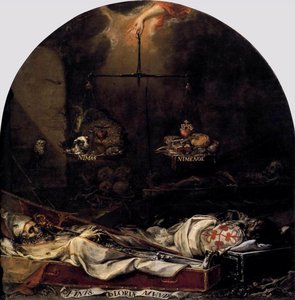
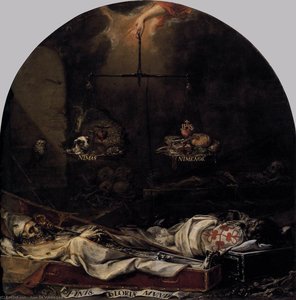
The painting "In Ictu Oculi," attributed to Juan de Valdés Leal (1622-1690), stands as a poignant emblem of Baroque art's preoccupation with the ephemeral nature of existence. Executed in 1670, this monumental canvas—measuring 220 x 216 cm—captures a scene steeped in theological symbolism and rendered with meticulous detail that speaks volumes about Leal’s artistic prowess. It’s more than just an image; it's a carefully constructed dialogue between faith and decay, inviting contemplation on the inevitability of death and the importance of spiritual reflection.Subject Matter and Composition
At its core lies a stark depiction of a skeleton—a ubiquitous motif in Baroque art representing mortality—holding aloft a book and a crucifix. This juxtaposition immediately establishes the painting’s thematic focus: the soul's journey through life towards eternal salvation, juxtaposed against the inescapable reality of physical demise. The skeleton isn’t merely presented as an anatomical specimen; it exudes solemn dignity, positioned atop a substantial pile of books—symbols of knowledge and earthly pursuits—some scattered around its feet, suggesting that even intellectual endeavors ultimately succumb to time's relentless march. Leal skillfully utilizes perspective to create depth within the composition, drawing the viewer’s eye upwards towards the crucifix while simultaneously grounding it in the tangible world of literature and decay.Style and Technique
Leal’s artistic style aligns perfectly with the Baroque aesthetic—characterized by dramatic chiaroscuro (contrast between light and dark), opulent ornamentation, and a fervent emotional intensity. The painting demonstrates exceptional technical skill, achieved through oil paint on canvas. Leal employs painstaking brushwork to capture the textures of bone and parchment alike, conveying both physicality and intellectual contemplation. The artist’s masterful manipulation of light enhances the dramatic effect, highlighting the skeleton's form against the muted tones of the surrounding books, creating a visual representation of spiritual illumination battling against darkness.Historical Context: Baroque Theology
“In Ictu Oculi” emerged during a period profoundly influenced by Catholic theology—specifically, Jansenism—which emphasized introspection and the contemplation of God’s divine justice. The image reflects this intellectual climate, serving as a reminder that earthly achievements are ultimately meaningless in comparison to spiritual salvation. Leal's work aligns with broader Baroque artistic trends aimed at conveying moral instruction and provoking emotional responses from viewers. It was commissioned for the Church of San Francesco in Córdoba, underlining its purpose as devotional artwork intended to inspire piety and reinforce religious beliefs.Symbolism: Vanitas Revisited
The painting’s symbolism resonates deeply within the tradition of vanitas—a genre that explores themes of mortality, decay, and the futility of earthly pleasures. The skull represents death itself, while the book symbolizes wisdom and spiritual enlightenment – a paradox highlighting the limitations of human understanding in confronting eternity. Similarly, the crucifix embodies Christian faith and redemption, offering solace amidst despair. Leal’s deliberate arrangement reinforces these concepts, prompting viewers to confront their own mortality and consider the significance of their lives beyond the temporal realm.Emotional Impact: A Silent Plea for Reflection
Ultimately, “In Ictu Oculi” transcends mere visual representation; it evokes a profound emotional response. The painting's subdued palette—dominated by browns and ochres—contributes to its solemn atmosphere, fostering contemplation and prompting viewers to confront uncomfortable truths about human existence. Leal’s masterful execution compels us to consider the brevity of life and the enduring power of faith – leaving an indelible impression on anyone who engages with this arresting artwork.Related Artworks
Artist Biography
early life and training
juan de valdés leal, a renowned spanish painter and etcher, was born on may 4, 1622, in seville, spain. he became a painter, sculptor, and architect, showcasing his versatility in the art world. by his twenties, he was studying under antonio del castillo in córdoba, honing his skills in the baroque era.notable works and collaborations
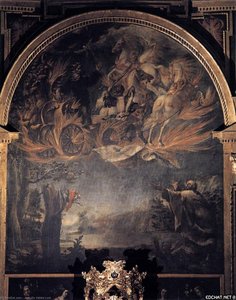
valdés leal's notable works include:- history of the prophet elias for the church of the carmelites
- martyrdom of st. andrew for the church of san francesco in córdoba
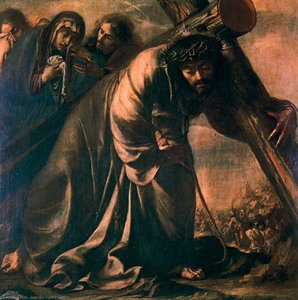
- triumph of the cross for la caridad in seville these works demonstrate his ability to capture somber and dramatic subjects, often exploring themes of vanitas, transience, and mortality. his collaboration with bartolomé esteban murillo, a fellow artist with a peaceful and serene style, led to the founding of the seville academy of art in 1656.
personal life and legacy
valdés leal married isabella carasquilla, also a painter, in 1647. the couple had five children, several of whom became artists, including lucas, maria, and laura. valdés leal passed away on october 15, 1690, in seville, leaving behind a legacy in the art world.viewing his artworks at ArtsDot.com
to explore more of valdés leal's works, visit https://ArtsDot.com/@/juan de valdés leal, where you can find:- 165 artworks by juan de valdés leal
- museum quality copies of his paintings
- baroque art style, characteristic of the era wikipedia: juan de valdés leal
discover more at ArtsDot.com
- museo de bellas artes de asturias (spain): explore the museum's collection, featuring european art from the 12th to the early 20th century.
- the museum of fine arts of seville, spain: learn about the museum's history, collection, and visiting information. experience the world of art with ArtsDot.com
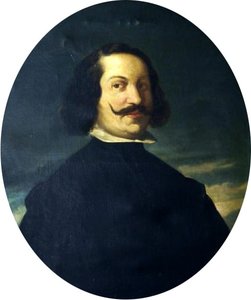
Juan de Valdés Leal
1622 - 1690 , Spain
Quick Facts
- Artistic Movement Or Style: Baroque painting
- Artists Or Movements Influenced By This Artist: ['Bartolomé Murillo']
- Artists Who Influenced This Artist: ['Antonio del Castillo']
- Date Of Birth: May 4, 1622
- Date Of Death: October 15, 1690
- Full Name: Juan de Nisa Valdés Leal
- Nationality: Spanish
- Notable Artworks:
- History of the Prophet Elias
- Martyrdom of St. Andrew
- Triumph of the Cross
- Place Of Birth: Seville, Spain
Related Articles

Demandes Commerciales
APS ofrece reproducciones de bellas artes y encargos personalizados desde 2004. Confían en nosotros corporaciones, hoteles y coleccionistas selectos para obras de arte de calidad museística, servicio discreto y soluciones artísticas completas. ¡Póngase en contacto con nosotros para obtener un presupuesto personalizado!

Goya's Masterpieces: Explore 25 Iconic Paintings & Art Prints | ArtsDot
Delve into the world of Francisco Goya with ArtsDot. Explore 25 iconic paintings – from 'The Third of May' to his haunting Black Paintings. Discover the stories, techniques & emotions behind these Spanish masterpieces. Find museum-quality art reproductions for your home at ArtsDot.com!
Juan de Valdés Leal: Baroque Realism, Memento Mori & Theatricality of Spanish Grief
Explore the powerful Baroque realism of Juan de Valdés Leal (1622-1690). Discover his somber masterpieces, iconic 'In Ictu Oculi', and profound explorations of mortality. Museum-quality reproductions available at ArtsDot.

The Dramatic Flourish: Exploring the Baroque Movement's Enduring Legacy in Art History
Explore the dramatic world of Baroque art! Discover iconic artists like Caravaggio & Rubens, defining techniques, and its lasting impact on art history. Expert insights for collectors & enthusiasts at ArtsDot.

A riguardo di noi
Découvrez notre histoire ! Nous apportons l'art de classe mondiale dans votre vie grâce à une sélection experte, des créations personnalisées et des aperçus gratuits. Approuvé par les particuliers et les entreprises depuis 2000.