 Preview
 Send
Send Share
Share
 Details

 Download
 Similars
 X-Ray
X-Ray Diaporama
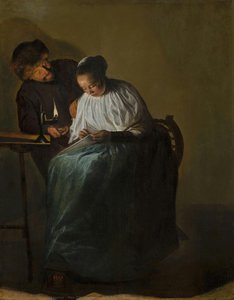
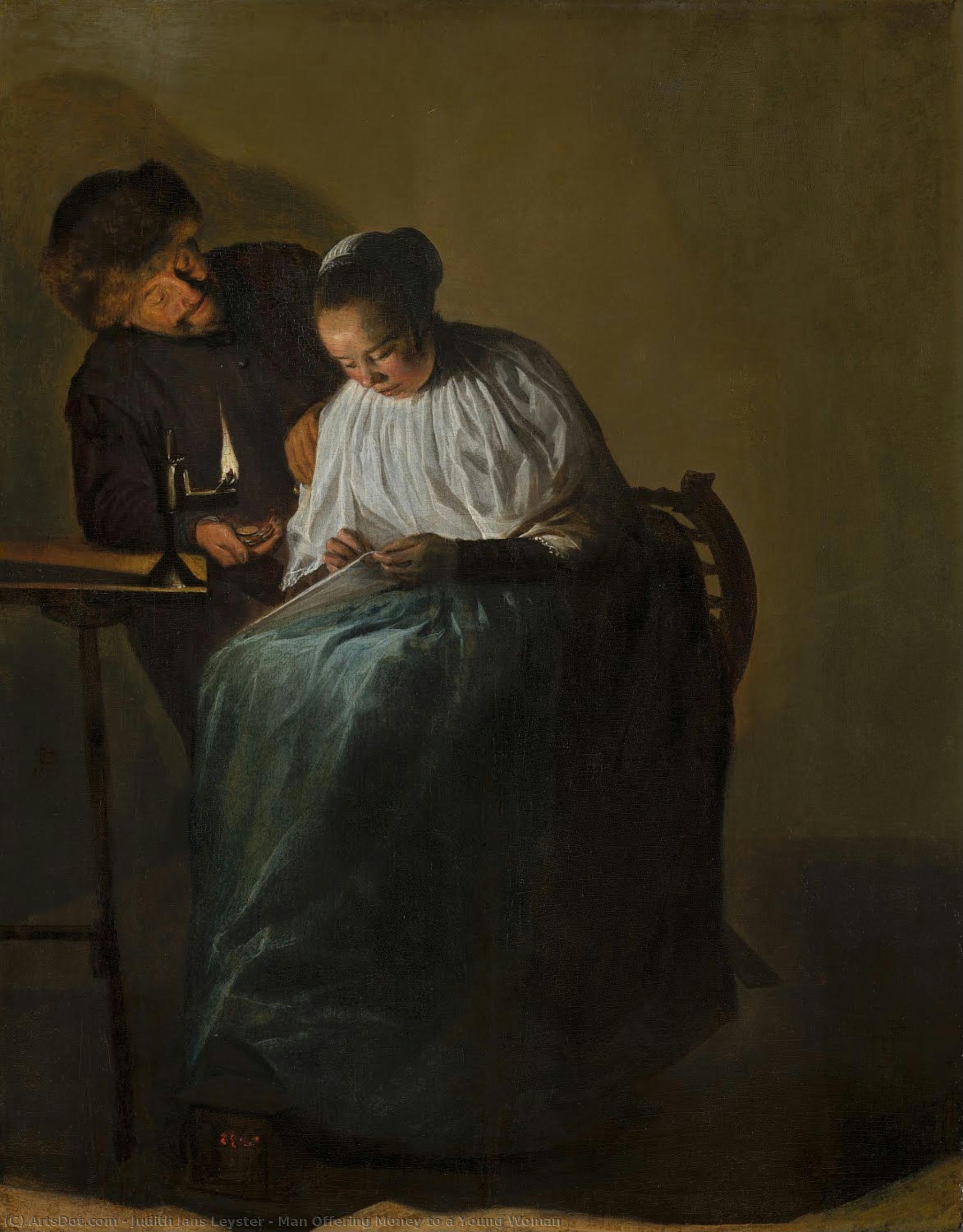
Man Offering Money to a Young Woman
 Oil On Canvas
- WallArt
- Dutch Golden Age
 1631
1631- Early Modern
 30.0 x 24.0 cm
 Mauritshuis
 Read More
Hand Made Oil Reproduction
Hand-painted oil on canvas in your size and frame, made to order by our artists. ( Buy Print Buy Image)




P118B $10

P118H $10

P118W $10

P438Z $10

P508JH $12

P508YH $12

P805H $10

P805Z $10

P919BZ $10

P919G $10

P919XJ $10

P959ZH $10

P968JZ $12

W106C $8

W218G $10

W218JH $8

W218Y $10

W307PJ $10

W316G $10

W316PJ $8

W316Y $10

W398PJ $8

W4111J $10

W500HY $15

W500JH $15

W692G $12

W849H $8

W940BG $15

W953PJ $8




Pick from our preset sizes that match the artwork's original proportions.

You may enter your own dimensions to fit a specific frame or space. If your selected size does not match the original image's proportions, we will either crop the artwork or extend the painting with additional hand-painted elements. A digital mockup will be sent for your approval before production begins.
Please note that the on-screen preview does not reflect the actual cropping or extension. Only the mockup will accurately show the final composition.
While custom sizes are available, we recommend selecting a dimension from the predefined list to preserve the original proportions.
After order, ArtsDot.com team will email client for instructions and provide a mockup preview
Worldwide Delivery () in 3/4 weeks instead of standard 5 weeks. (2 September). No compromise on quality.

Free Worldwide Express Shipping

High-Quality Linen Canvas

Full Shipping Insurance

Customs Tax Refund Guarantee

True Color Matching Guarantee

60-Day Return Policy (Defects Only)

100% Money-Back Guarantee

Bulk Discount Offer
 Glass option is only available in size under 110 CM

Man Offering Money to a Young Woman
Reproduction Medium
Reproduction Size
-


Total Price
$ 288
A Study in Quiet Defiance
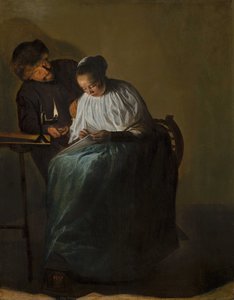
In the hushed, amber-lit corners of the Dutch Golden Age, few works capture the tension of human interaction as poignantly as Judith Jans Leyster’s Man Offering Money to a Young Woman. Painted around 1631, this intimate masterpiece transcends its modest dimensions to present a profound psychological drama. At first glance, the scene appears to be a standard genre painting of seventeenth-century domestic life, yet beneath the surface lies a complex narrative of temptation and moral fortitude. The composition centers on a young woman deeply immersed in her needlework, her focus so absolute that it creates a barrier against the world around her. Beside her, an older man leans into her personal space, his presence heavy with implication as he extends a handful of coins. It is a moment frozen in time, where the clink of metal and the soft rustle of fabric seem to hang suspended in the dim light.
Leyster’s mastery of chiaroscuro—the dramatic interplay between shadow and illumination—serves as the heartbeat of this piece. Drawing inspiration from the atmospheric depth of Rembrandt, she uses a single, directional light source to sculpt the figures out of the surrounding gloom. This technique does more than just provide visibility; it directs the viewer's emotional journey. The light catches the sheen of the man’s fur hat and the glint of the coins, drawing our eyes to the very instrument of temptation, before retreating into the soft shadows that shroud the woman’s face. This deliberate use of contrast emphasizes the textures of the era: the coarse weight of the man's clothing, the delicate threads of the embroidery, and the warm glow emanating from the foot warmer at the woman's feet. The result is a tactile experience that invites the viewer to step into the room and feel the heavy, contemplative atmosphere.
Symbolism and the Subversion of Tradition
To understand the true brilliance of this work, one must look past the literal transaction of money and into the symbolic subversion Leyster performs. During this period, Northern European art frequently utilized the "unequal love" motif—a trope where men used wealth to entice women into flirtatious or immoral encounters. However, Leyster subtly dismantles this cliché. There is no overt sensuality here, no reciprocal glance or blushing cheek. Instead, the woman’s unwavering concentration on her task serves as a silent, powerful form of resistance. Her needlework is not merely a domestic chore; it is a shield of virtue. By focusing on her labor rather than his advances, she reclaims her agency, transforming a scene of potential vulnerability into one of quiet strength.
For the discerning collector or interior designer, this painting offers much more than mere decoration. It provides a focal point of intellectual and emotional depth. The muted palette of deep browns, blacks, and somber blues allows the work to integrate seamlessly into sophisticated, classical interiors, while its intense subject matter provides a conversational spark. Whether displayed in a study filled with leather-bound books or as a centerpiece in a contemporary gallery space, Leyster’s work brings an air of historical gravity and timeless elegance. It is a piece that rewards repeated viewing, revealing new layers of meaning with every encounter with its shadows and light.
Related Artworks


Artist Biography
early life and training
judith jans leyster, a pioneering female painter, was born in july 1609 in haarlem, netherlands. she was the eighth child of jan willemsz leyster, a cloth maker who later became a brewer. while her training is not well-documented, it's believed that she learned painting from frans pietersz de grebber, a respected artist with a workshop in haarlem.artistic career
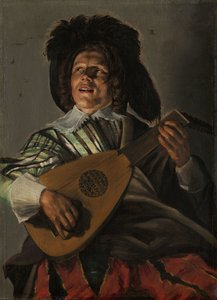
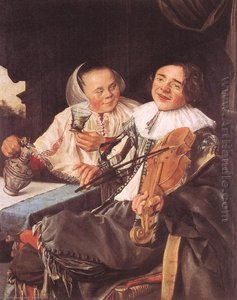
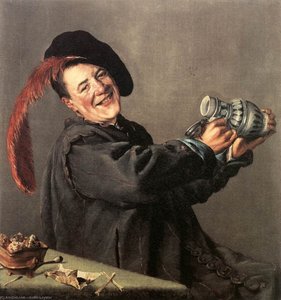
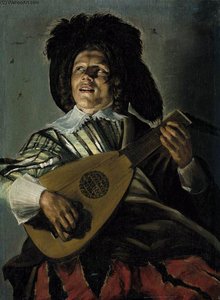
leyster's first known signed works, serenade and jolly topper, date back to 1629 when she was just twenty years old. by 1633, she became a member of the haarlem guild of st. luke, making her one of the first female artists to be part of this prestigious organization.notable works and collaborations
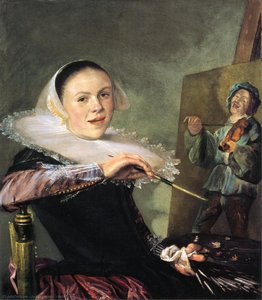
some of leyster's notable works include:- self-portrait (c. 1633), now at the national gallery of art, washington, d.c., which may have been her presentation piece to the guild.
- two illustrations in a book about tulips from 1643, showcasing her versatility.
- a portrait from 1652 and a still life from 1654, discovered in a private collection in the 21st century, demonstrate her enduring skill.
legacy and rediscovery
despite being highly regarded by her contemporaries, leyster's work was largely forgotten after her death in 1660. it wasn't until 1893 that she was rediscovered, and scholars began to correctly attribute her works. today, her paintings are recognized as significant contributions to the dutch golden age.- explore more of leyster's works on ArtsDot.com.
- learn about the dutch golden age and its notable artists at wikipedia.
- discover other female artists from the era on the dutch golden age art movement page.
conclusion
judith jans leyster's trailblazing career as a female painter in the 17th century netherlands has left an indelible mark on art history. her rediscovery and recognition serve as a testament to her enduring talent and the evolving perception of women in the art world. museum name: national gallery of art, washington, d.c.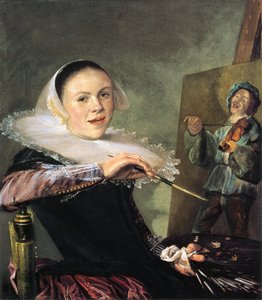
judith jans leyster
1609 - 1660 , Netherlands
Quick Facts
- Artistic Movement Or Style: Dutch Golden Age
- Artists Or Movements Influenced By This Artist: ['Jan Miense Molenaer']
- Artists Who Influenced This Artist: ['Frans Pietersz de Grebber']
- Date Of Birth: July 28, 1609
- Date Of Death: February 10, 1660
- Full Name: Judith Jans Leyster
- Nationality: Dutch
- Notable Artworks:
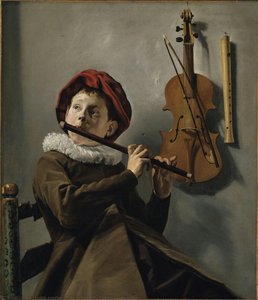
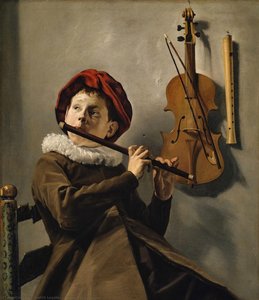
- Young Flute Player
- Merry Company
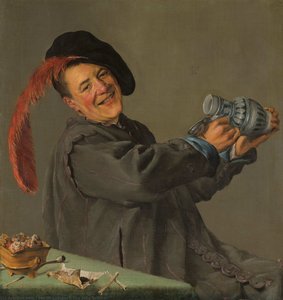
- Jolly Toper
- Place Of Birth: Haarlem, Netherlands
Related Articles

Dutch Masters: 10 Golden Age Paintings That Still Inspire |
Journey into the Dutch Golden Age! Explore 10 iconic paintings by Rembrandt, Vermeer & Hals. Discover the stories behind these Baroque masterpieces and find museum-quality art reproductions to elevate your home decor on .

Golden Age Reflections: Dutch Baroque Painting & Cultural Innovation
Explore the Dutch Golden Age of painting! Discover key artists like Vermeer & ter Borch, their innovative techniques, and the rich cultural context behind these Baroque masterpieces. Learn about collecting & appreciating this iconic art period.

Illuminating Innovation: Exploring the Dutch Golden Age of Painting
Explore the Dutch Golden Age of painting with ArtsDot. Discover Rembrandt, Vermeer & other Masters. Learn about key characteristics, iconic artworks, and lasting influence. Expert insights for collectors & enthusiasts.
Genre Painting: A Window into Daily Life & Societal Values of the Dutch Golden Age
Explore the captivating world of Dutch Golden Age genre painting! Discover realistic depictions of daily life, masterful artists like Ostade & Metsu, and hidden symbolism. Learn about this influential art movement with ArtsDot.

Illuminating Realism: Exploring the Dutch Golden Age of Painting (1600-1700)
Explore the Dutch Golden Age of painting (1600-1700) with ArtsDot. Discover Rembrandt, Vermeer & other masters. Learn about techniques, history & find museum-quality reproductions.