 Preview
 Send
Send Share
Share
 Details

 Download
 Similars
 X-Ray
X-Ray Diaporama
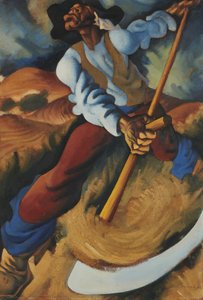
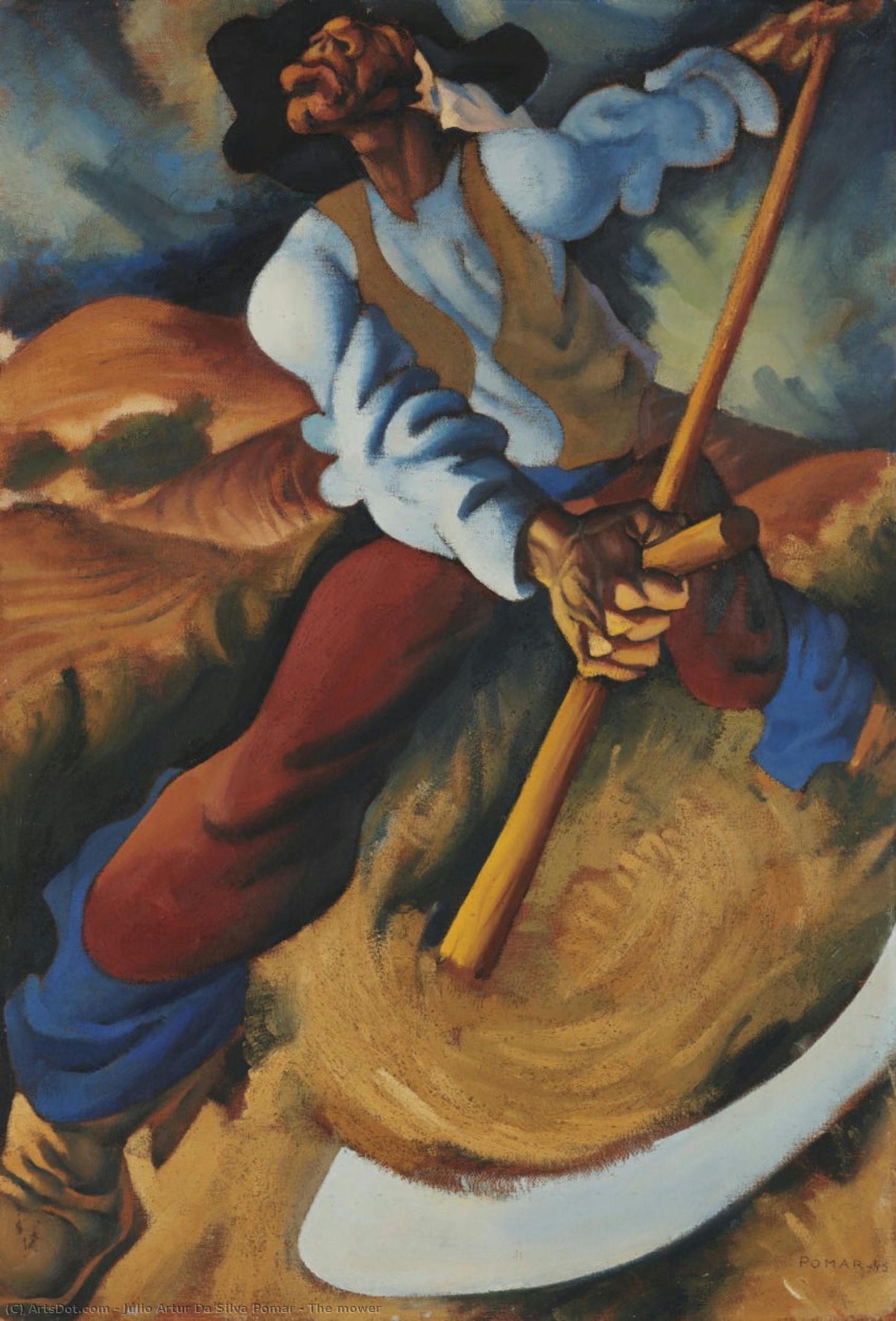
The mower
 Acrylic On Canvas
- WallArt
- Contemporary Realism
 1945
1945 122.0 x 83.0 cm
 National Museum of Contemporary Art - Museu do Chiado
 Read More
Giclée / Art Print
Museum-quality giclée or canvas print with fast production and flexible finish options. ( Buy Hand Made Painting Buy Image)




P118B $10

P118H $10

P118W $10

P438Z $10

P508JH $12

P508YH $12

P805H $10

P805Z $10

P919BZ $10

P919G $10

P919XJ $10

P959ZH $10

P968JZ $12

W106C $8

W218G $10

W218JH $8

W218Y $10

W307PJ $10

W316G $10

W316PJ $8

W316Y $10

W398PJ $8

W4111J $10

W500HY $15

W500JH $15

W692G $12

W849H $8

W940BG $15

W953PJ $8




Pick from our preset sizes that match the artwork's original proportions.

You may enter your own dimensions to fit a specific frame or space. If your selected size does not match the original image's proportions, we will either crop the artwork or extend the image with a mirrored or solid-fill edge. A digital mockup will be sent for your approval before production begins.
Please note that the on-screen preview does not reflect the actual cropping or extension. Only the mockup will accurately show the final composition.
While custom sizes are available, we recommend selecting a dimension from the predefined list to preserve the original proportions.
Worldwide Delivery () in 2 weeks instead of standard 4/5 weeks. (18 August)

Free Worldwide Express Shipping

High-Quality Linen Canvas

Full Shipping Insurance

Customs Tax Refund Guarantee

True Color Matching Guarantee

60-Day Return Policy (Defects Only)

100% Money-Back Guarantee

Bulk Discount Offer
 Glass option is only available in size under 110 CM

The mower
Giclée / Art Print
Reproduction Size
-


Total Price
$ 63
Collectible Description
The Mower: A Portrait of Labor and Resilience
“The mower,” created by Júlio Pomar in Évora at the 9th Missão Estética de Férias, stands as a pivotal work within Portugal’s neo-realist movement—a defiant reaction against the prevailing conservative artistic sensibilities of the 1940s. More than just a depiction of rural life, it's an arresting exploration of human vulnerability and the enduring spirit of toil, rendered with meticulous detail and imbued with profound symbolic resonance.
Historical Context: The Birth of Neo-Realism
Born in Lisbon in 1926, Júlio Pomar emerged during a period of significant social upheaval in Portugal. Following World War II, the nation wrestled with questions of identity and progress amidst the shadow of fascism. Artists like Pomar sought to confront these anxieties head-on, rejecting idealized representations of reality in favor of raw observation—a stylistic impulse that would define neo-realism.
Composition and Technique: Anatomical Precision Meets Rustic Simplicity
The painting’s visual impact is immediately striking. Dominated by a vast expanse of earthy brown soil, it centers around a solitary laborer wielding a large wooden axe against a backdrop of sparse vegetation. Pomar's masterful technique employs a muted palette—primarily reds and browns—to convey the harshness of the environment and the physicality of manual labor. The artist’s meticulous attention to anatomical detail—particularly the hands and feet—emphasizes the human element, grounding the scene in tangible reality.
Symbolism: Facing Adversity with Dignity
The central motif – the scythe – transcends its literal function as agricultural tool; it symbolizes resilience, perseverance, and the cyclical nature of life. The laborer’s posture exudes quiet determination, conveying a sense of acceptance—even defiance—in the face of hardship. Pomar deliberately avoids sentimentality, presenting a portrait not of triumph but of dignified endurance.
Emotional Resonance: A Quiet Meditation on Human Experience
“The mower” isn't merely an image; it’s a meditation on the human condition. Pomar captures a moment of profound stillness—a pause amidst labor—that invites contemplation about vulnerability, dignity, and the enduring connection between humanity and the natural world. The painting lingers in the viewer’s mind long after viewing, prompting reflection on themes of labor, survival, and the beauty found within simplicity.
Additional Information:
- Artist: Júlio Pomar
- Born Year: 1926
- Death Year: 2018
- Birth City: Lisbon
- Birth Country: Portugal
The Atelier-Museu Júlio Pomar in Lisbon houses a comprehensive collection of his artworks, offering visitors an unparalleled opportunity to experience the breadth and depth of his artistic vision.
Related Artworks
Artist Biography
Early Life and Artistic Beginnings
- Born: January 10, 1926, Lisbon, Portugal
- Died: May 22, 2018, Lisbon, Portugal
- Júlio Pomar initially studied at the Escola Secundária Artística António Arroio in Lisbon. This early education laid a foundation for his artistic development.
- He entered the Superior School of Fine Arts of Lisbon in 1942, marking a formal beginning to his art training.
- An important early event was the sale of his painting "Saltimbancos" to Almada Negreiros, demonstrating early recognition of his talent.
Neo-Realist Phase and Political Engagement
- From 1945 to 1957, Pomar's work underwent a significant shift towards neo-realism. This period was characterized by strong political and ideological engagement.
- "O Almoço do Trolha" (The Lunch of the Trolley), created between 1946 and 1950, is considered a landmark piece of neo-realist painting. It depicted the lives of working-class individuals with raw materiality and anatomical emphasis on hands and feet.
- His art became a vehicle for social commentary, reflecting the realities of Portuguese society during this time.
- He was involved in the Communist Youth movement, which further fueled his politically charged artistic expression.
- The frescoes he painted for Cinema Batalha in Porto were destroyed by the political police in 1948, highlighting the risks associated with his outspoken views.
Artistic Development and Influences
- Pomar's style evolved over time, moving beyond neo-realism to incorporate elements of expressionism and abstraction.
- His move to Paris in 1963 provided a new environment for artistic exploration and growth. He received a scholarship from the Calouste Gulbenkian Foundation between 1964 and 1966, allowing him time to focus on his work.
- Influences included masters of past art such as Uccello, Ingres, Courbet, van Eyck, and Matisse.
- He demonstrated a versatility across various mediums including painting, drawing, engraving, sculpture, assemblage, illustration, ceramics, glass, tapestry, theater scenography, and tile work.
Major Works and Recognition
- "O Almoço do Trolha" (The Lunch of the Trolley): A defining piece of his neo-realist period.
- Ciclo do Arroz (Rice Cycle): A series of works from 1952-1955 exploring themes related to rice cultivation.
- Resistência (Resistance): A painting that faced political scrutiny and was temporarily apprehended by authorities.
- His work is featured in prominent museums and collections throughout Portugal, including the Museu Nacional de Arte Antiga in Lisbon.
- He received numerous awards and accolades for his contributions to Portuguese art.
Historical Significance
- Júlio Pomar is widely regarded as one of the greatest Portuguese painters of his generation.
- His neo-realist works provided a powerful visual record of social struggles and political realities in Portugal during the mid-20th century.
- He played a significant role in shaping modern Portuguese art, bridging various artistic movements and styles.
- The Atelier-Museu Júlio Pomar in Lisbon serves as a testament to his legacy, preserving and promoting his work for future generations.
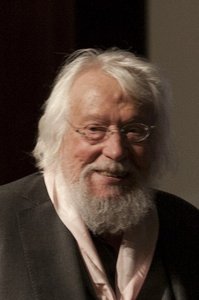
júlio artur da silva pomar
1926 - 2018 , Portugal
Quick Facts
- Artistic Movement Or Style: Neo-realism
- Artists Who Influenced This Artist:
- Almada Negreiros
- George Grosz
- Candido Portinari
- Date Of Birth: January 10, 1926
- Date Of Death: May 22, 2018
- Full Name: Júlio Artur da Silva Pomar
- Nationality: Portuguese
- Notable Artworks:
- O almoço do trolha
- Ciclo do arroz
- Resistência
- Gadanheiro
- Place Of Birth: Lisbon, Portugal
Related Articles
Romantic Realism's Finest: 10 Masterpieces for Your Home | ArtsDot
Explore 10 defining masterpieces of Romantic Realism! Discover Courbet, Millet & Daumier's powerful paintings—capturing emotion and social realities. Find museum-quality reproductions for your home at ArtsDot.com.
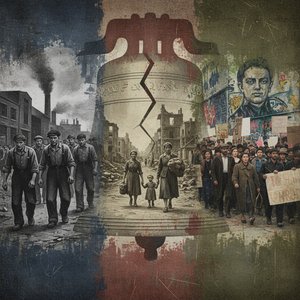
Echoes of Society: Exploring Social Realism's Enduring Legacy in Art
Explore the powerful world of Social Realism art! Discover key artists, masterpieces & its profound social commentary. Expert insights into this influential movement's history and enduring legacy.
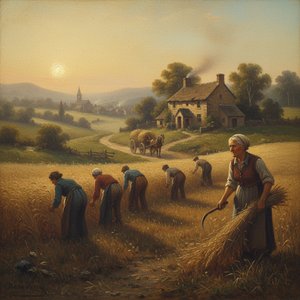
Echoes of Rural Life: Nostalgia, Labor & Identity in Art History
Explore the rich history of rural life in art! Discover how Realism captured labor & identity through masterpieces by Van Gogh, Millet & more. Expert analysis for collectors and enthusiasts.
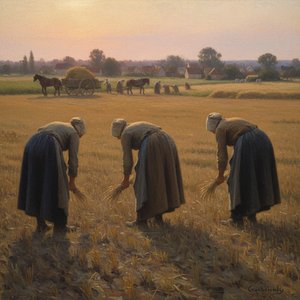
Jean-François Millet: Realism, Rural Life & the Poetic Depiction of Labor
Explore the life & work of Jean-François Millet, a founder of Realism. Discover his poignant depictions of rural France, iconic paintings like 'The Angelus,' and lasting influence on art history. Learn more at ArtsDot.
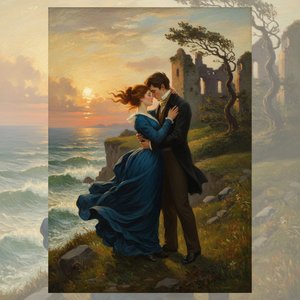
The Evocative Embrace of Reality: Exploring Romantic Realism in 19th-Century Painting
Explore the captivating world of Romantic Realism! Discover key artists like Courbet & Millet, masterpieces, and the social context behind this influential art movement. Expert insights for collectors at ArtsDot.