 Preview
 Send
Send Share
Share
 Details

 Download
 Similars
 X-Ray
X-Ray Diaporama
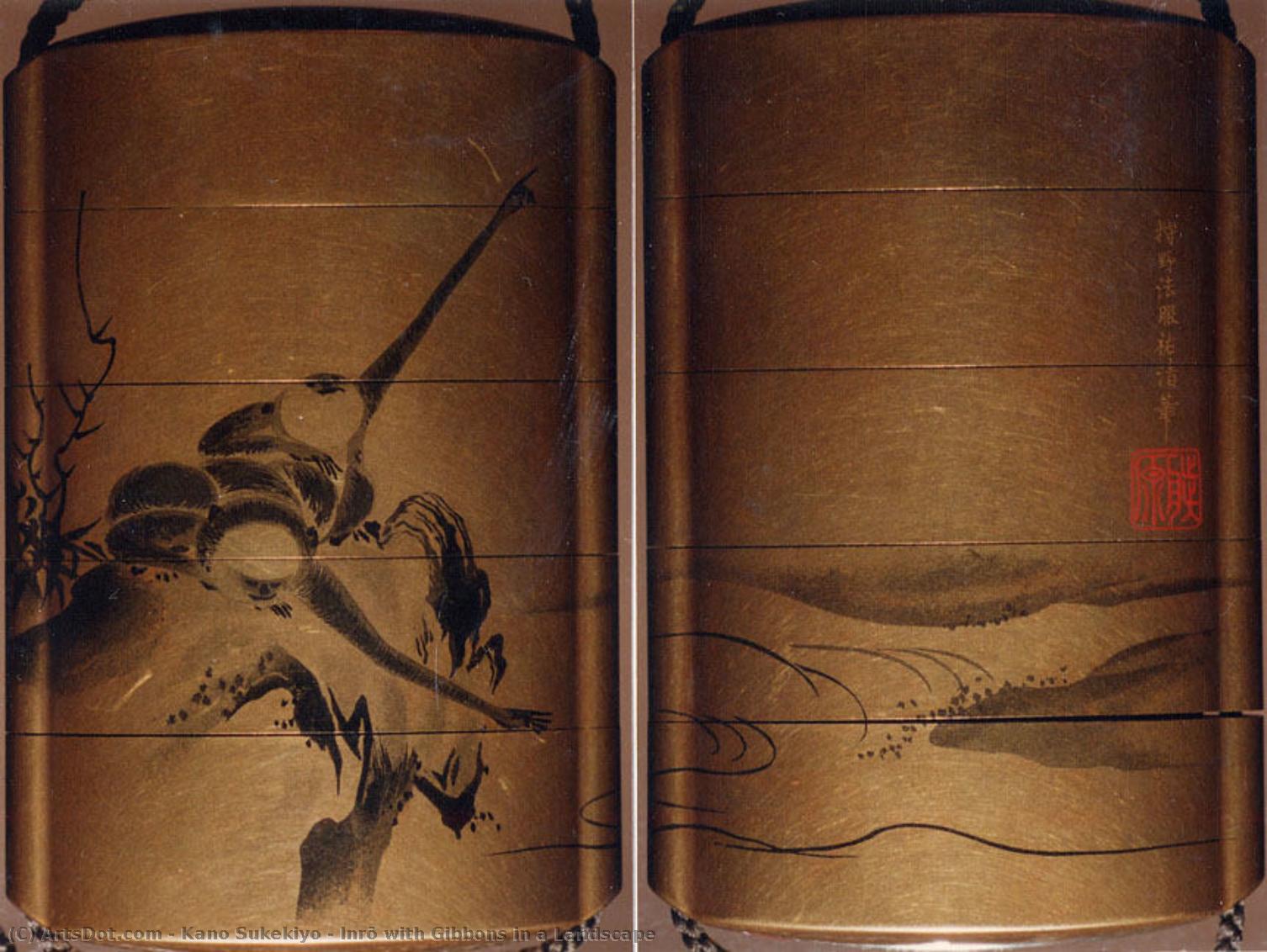
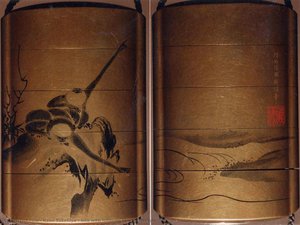
Inrō with Gibbons in a Landscape


 Read More
Hand Made Oil Reproduction
Hand-painted oil on canvas in your size and frame, made to order by our artists. ( Buy Print Buy Image)




































Pick from our preset sizes that match the artwork's original proportions.

You may enter your own dimensions to fit a specific frame or space. If your selected size does not match the original image's proportions, we will either crop the artwork or extend the painting with additional hand-painted elements. A digital mockup will be sent for your approval before production begins.
Please note that the on-screen preview does not reflect the actual cropping or extension. Only the mockup will accurately show the final composition.
While custom sizes are available, we recommend selecting a dimension from the predefined list to preserve the original proportions.
After order, ArtsDot.com team will email client for instructions and provide a mockup preview
Worldwide Delivery () in 3/4 weeks instead of standard 5 weeks. (24 August). No compromise on quality.

Free Worldwide Express Shipping

High-Quality Linen Canvas

Full Shipping Insurance

Customs Tax Refund Guarantee

True Color Matching Guarantee

60-Day Return Policy (Defects Only)

100% Money-Back Guarantee

Bulk Discount Offer
 Glass option is only available in size under 110 CM

Inrō with Gibbons in a Landscape
Reproduction Medium
Reproduction Size
-


Total Price
$ 263
Related Artworks
Artist Biography
The Founder of a Dynasty: Kano Sukekiyo and the Birth of a School
Kano Sukekiyo, born in Kyoto in 1520 and passing away in 1590, stands as a pivotal figure in the history of Japanese painting. He wasn’t merely an artist; he was the architect of the Kanō school, a style that would dominate Japanese art for centuries, shaping aesthetic sensibilities and serving as the visual language of power during the Muromachi period and beyond. Sukekiyo inherited a legacy from his father, Kano Motonobu, who already held a prominent position within the artistic circles of Kyoto. However, it was Sukekiyo’s unique vision and masterful execution that truly solidified the Kanō school's distinctive character.
Early Life and Artistic Lineage
The Kanō family had already established itself as a significant force in Japanese painting before Sukekiyo’s birth. His father, Kano Motonobu, was a highly respected artist known for his refined ink paintings and skillful depictions of classical Chinese themes. This foundation proved crucial to Sukekiyo's development. He received rigorous training from Motonobu, absorbing not only technical skills but also an appreciation for the established conventions of the time. However, Sukekiyo wasn’t content with simply replicating his father’s style; he sought to forge his own path, blending tradition with innovation.
A Synthesis of Styles: Chinese Influence and Japanese Sensibility
Sukekiyo's artistic approach was deeply rooted in the study of Chinese painting traditions. He meticulously analyzed the works of Song and Yuan dynasty masters, absorbing their techniques for landscape composition, brushwork, and atmospheric perspective. Yet, he didn’t simply imitate these models. Sukekiyo skillfully adapted Chinese aesthetics to suit Japanese tastes and sensibilities. His paintings often feature a remarkable level of detail and realism, combined with a subtle elegance that distinguishes them from their Chinese counterparts. This fusion created a uniquely Japanese style—powerful yet refined, monumental yet intimate.
Patronage and the Rise of the Kanō School
A turning point in Sukekiyo’s career came with his commission by Ashikaga Yoshiteru, the thirteenth shogun of the Ashikaga shogunate. He was tasked with creating a screen painting for the shogunal palace, a prestigious undertaking that catapulted him to national prominence. This commission not only showcased Sukekiyo's artistic prowess but also demonstrated his ability to cater to the tastes of the ruling elite. The success of this project led to further commissions from other powerful patrons, solidifying the Kanō school’s position as the official art style of the shogunate. Sukekiyo understood that art wasn’t created in a vacuum; it was inextricably linked to power and patronage. He cultivated relationships with influential figures, ensuring the continued success of his family and the propagation of their artistic vision.
Legacy and Historical Significance
Kano Sukekiyo's impact on Japanese painting is immeasurable. He established a school that would flourish for over four centuries, producing generations of talented artists who carried on his legacy. The Kanō style became synonymous with authority and refinement, adorning the walls of castles, temples, and aristocratic residences throughout Japan. His emphasis on detailed realism, combined with Chinese influences, created a visual language that resonated deeply with Japanese audiences. The Kanō school’s influence extended beyond painting, impacting other art forms such as calligraphy, sculpture, and garden design. Sukekiyo's work represents a pivotal moment in Japanese art history—a synthesis of tradition and innovation, power and aesthetics. His paintings continue to captivate viewers today, offering a glimpse into the world of feudal Japan and the artistic genius that shaped its visual culture.
kanō sukekiyo
1520 - 1590 , Japan
Quick Facts
- Artistic Movement Or Style: Kanō school painting
- Artists Or Movements Influenced By This Artist: ['Muromachi period art']
- Artists Who Influenced This Artist:
- Kanō Motonobu
- Chinese Painting
- Date Of Birth: 1520
- Date Of Death: 1590
- Full Name: Kanō Sukekiyo
- Nationality: Japanese
- Notable Artworks: ['Inrō with Gibbons']
- Place Of Birth: Kyoto, Japan
Related Articles

Hokusai's Masterpieces: 25 Iconic Prints & Paintings for Art Lovers | ArtsDot
Journey through Katsushika Hokusai’s 25 most iconic artworks, including *The Great Wave*. Explore the ukiyo-e master's history, style & timeless Japanese woodblock prints. Find museum-quality reproductions for your home at ArtsDot.com.
Suzuki Harunobu: Pioneering Ukiyo-e & the Refinement of Edo Period Printmaking
Discover the revolutionary world of Suzuki Harunobu, a pioneer of ukiyo-e printmaking. Explore his exquisite nishiki-e techniques, diverse subjects & lasting impact on Japanese art history. Learn more at ArtsDot.
Serenity on Canvas: A Guide to the Timeless Beauty of Japanese Landscape Painting
Discover the serene beauty of Japanese landscape painting. From Hokusai's iconic woodblock prints to meditative sumi-e ink washes, explore a visual journey through the 'floating world' and learn how to bring this timeless Zen aesthetic into your modern home decor.
Floating World: The Captivating Art and Legacy of Japanese Ukiyo-e
Explore the profound beauty of Japanese Ukiyo-e. Discover the history, masters like Hokusai, and the enduring legacy of the 'Floating World' through an expert art-historical lens.
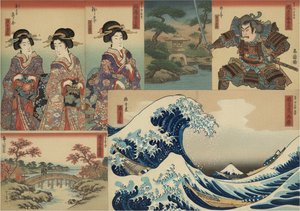
Ukiyo-e: Exploring Japan's Floating World & Enduring Artistic Legacy
Explore the captivating world of Ukiyo-e – Japan's iconic woodblock prints! Discover masters like Hokusai & Hiroshige, learn about Edo period culture, and find expert art collecting guidance at ArtsDot.