 Preview
 Send
Send Share
Share
 Details

 Download
 Similars
 X-Ray
X-Ray Diaporama
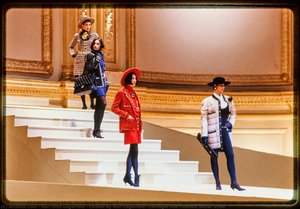
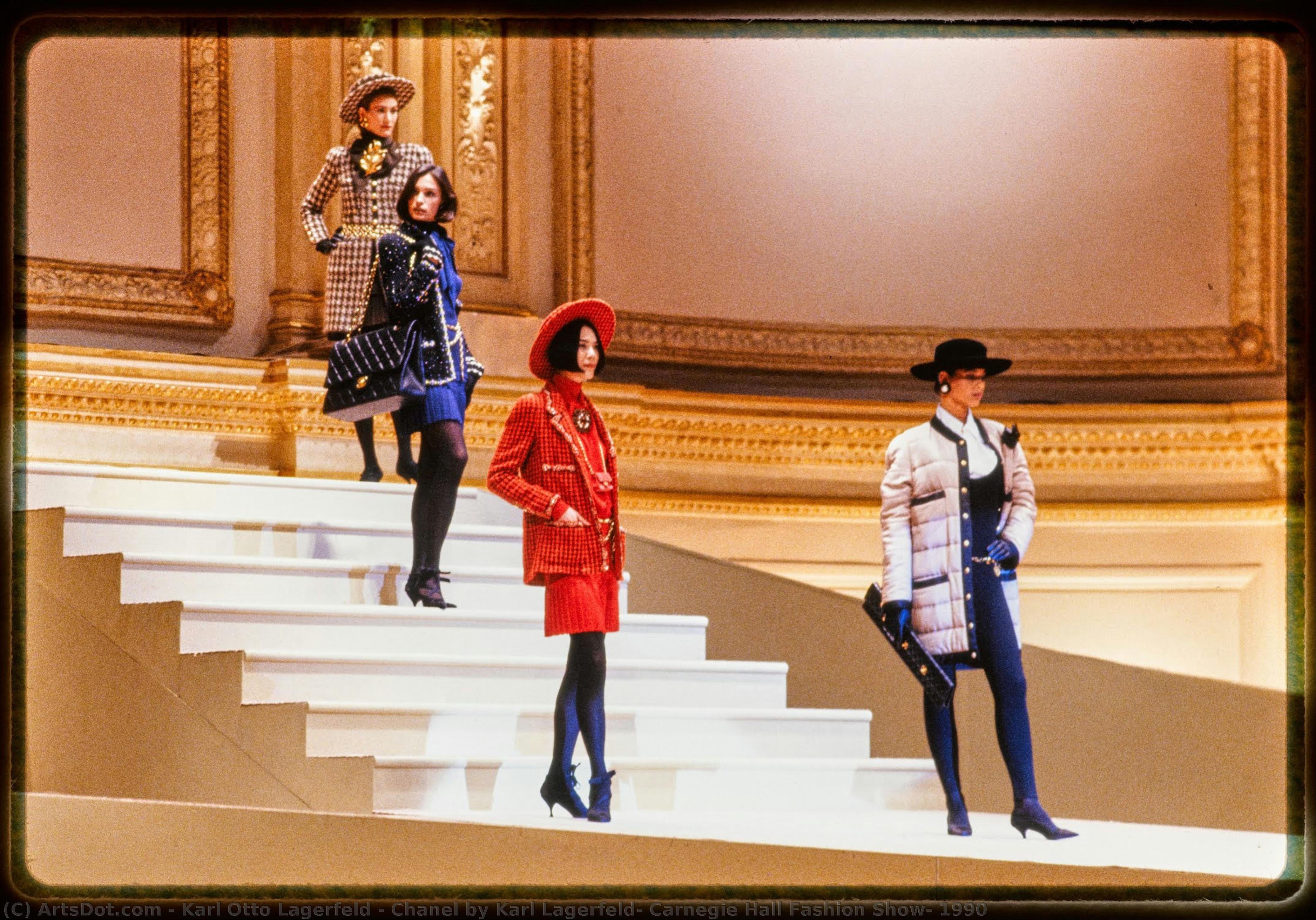
Chanel by Karl Lagerfeld, Carnegie Hall Fashion Show, 1990


 Read More
Giclée / Art Print
Museum-quality giclée or canvas print with fast production and flexible finish options. ( Buy Hand Made Painting Buy Image)




P118B $10

P118H $10

P118W $10

P438Z $10

P508JH $12

P508YH $12

P805H $10

P805Z $10

P919BZ $10

P919G $10

P919XJ $10

P959ZH $10

P968JZ $12

W106C $8

W218G $10

W218JH $8

W218Y $10

W307PJ $10

W316G $10

W316PJ $8

W316Y $10

W398PJ $8

W4111J $10

W500HY $15

W500JH $15

W692G $12

W849H $8

W940BG $15

W953PJ $8




Pick from our preset sizes that match the artwork's original proportions.

You may enter your own dimensions to fit a specific frame or space. If your selected size does not match the original image's proportions, we will either crop the artwork or extend the image with a mirrored or solid-fill edge. A digital mockup will be sent for your approval before production begins.
Please note that the on-screen preview does not reflect the actual cropping or extension. Only the mockup will accurately show the final composition.
While custom sizes are available, we recommend selecting a dimension from the predefined list to preserve the original proportions.
Worldwide Delivery () in 2 weeks instead of standard 4/5 weeks. (3 September)

Free Worldwide Express Shipping

High-Quality Linen Canvas

Full Shipping Insurance

Customs Tax Refund Guarantee

True Color Matching Guarantee

60-Day Return Policy (Defects Only)

100% Money-Back Guarantee

Bulk Discount Offer
 Glass option is only available in size under 110 CM

Chanel by Karl Lagerfeld, Carnegie Hall Fashion Show, 1990
Giclée / Art Print
Reproduction Size
-


Total Price
$ 63
The Echo of a Moment: Chanel at Carnegie Hall
The photograph captures more than just a fashion show; it’s a crystallized moment of audacious glamour, a snapshot of Karl Lagerfeld’s ascent and the reinvention he brought to the venerable House of Chanel. Taken in 1990 during a runway presentation held at Carnegie Hall – an unexpected venue that immediately imbued the event with a sense of elevated sophistication – the image is dominated by a striking palette of cobalt blue and vibrant orange, colors deliberately chosen to evoke both the brand’s heritage and Lagerfeld's bold vision. The scene unfolds on three distinct steps, each occupied by a model radiating confidence and embodying the streamlined elegance that would become synonymous with his designs. The composition isn’t merely observational; it’s carefully constructed to draw the eye towards the central figures while subtly highlighting the supporting elements – the elegant handbags nestled amongst the models, hinting at the practical luxury integral to Chanel's appeal.
A Legacy Forged in Paris: Lagerfeld’s Early Years
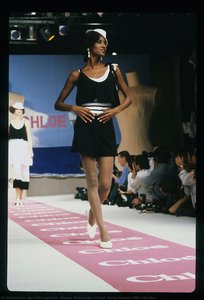
Born in Hamburg in 1933, Karl Otto Lagerfeld’s journey to becoming a global fashion icon began amidst the turbulent backdrop of post-war Europe. His early training in Paris, under the tutelage of legendary designers like Balmain and Patou, provided him with an invaluable foundation in couture techniques – meticulous tailoring, exquisite fabrics, and a profound understanding of silhouette. This period instilled within him a respect for tradition while simultaneously nurturing a desire to push boundaries. The removal of the “t” from his surname, Lagerfeldt becoming Lagerfeld, wasn’t simply a stylistic choice; it represented a deliberate assertion of individuality, a conscious decision to shape his own narrative and brand identity. His early work with Chloé, characterized by its playful use of color and innovative designs, demonstrated an emerging talent for capturing the spirit of the times – a youthful exuberance tempered by a sophisticated sensibility.
The “Chanel Suit” and the Revival
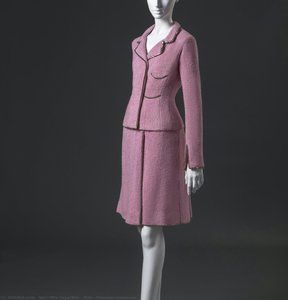
The garments presented at Carnegie Hall are primarily embodiments of Lagerfeld’s interpretation of Coco Chanel's late-career designs, specifically the iconic "Chanel suit." This deceptively simple silhouette – a cropped jacket paired with a high-waisted skirt or pants – became a defining element of his tenure at Chanel. The photograph powerfully illustrates this design principle: the contrasting binding on the white jackets, for instance, subtly references Chanel’s penchant for meticulous detail and unexpected accents. Lagerfeld's genius lay not in replicating the past slavishly but in reinterpreting it with a contemporary eye, injecting a dose of modern energy into a timeless classic. This strategic revival breathed new life into the brand, solidifying its position as a leading force in the fashion industry – a testament to his astute understanding of both heritage and innovation.
Beyond the Image: Symbolism and Emotional Resonance
The black-and-white photography itself contributes significantly to the image’s impact. The stark contrast emphasizes the models' forms, highlighting their poise and confidence. The muted tones evoke a sense of timelessness, suggesting that this moment transcends its specific historical context. More than just a fashion show, it represents a cultural shift – Lagerfeld’s arrival at Chanel coincided with a period of significant change in the world of design, marked by a renewed interest in classic styles and a willingness to challenge established norms. The photograph captures not only the beauty of the garments but also the spirit of ambition and creativity that defined Lagerfeld's career. It is an image that speaks to the enduring power of style, innovation, and the transformative influence of a singular vision.
Related Artworks

Artist Biography
The Enduring Vision of Karl Lagerfeld
Karl Otto Lagerfeld, a name synonymous with reinvention and enduring style, was more than just a fashion designer; he was a cultural phenomenon. Born in Hamburg, Germany, in 1933, his life story is one of relentless creativity and an unwavering dedication to the art of design. From his early beginnings sketching designs as a young boy, captivated by the world of haute couture, it became clear that Lagerfeld possessed a unique artistic sensibility. His family’s move to Paris in the wake of rising political tensions proved pivotal, immersing him in the heart of the fashion world and setting the stage for an extraordinary career. He wasn't merely observing trends; he was destined to *create* them. The removal of the “t” from his surname – Lagerfeldt becoming Lagerfeld – was an early indication of his desire to shape his own narrative, to craft a brand as precise and impactful as his designs.A Master of Many Houses
Lagerfeld’s ascent in the fashion industry wasn't confined to a single house; it was a masterful orchestration across several iconic brands. His early work with Pierre Balmain provided invaluable experience, honing his technical skills and understanding of garment construction. He then moved through Jean Patou and Chloé, each position allowing him to refine his aesthetic and develop a signature style – one characterized by sharp tailoring, innovative silhouettes, and an audacious spirit. However, it was his long-standing collaboration with Fendi, beginning in 1965 and lasting over five decades, that demonstrated his remarkable versatility. He revolutionized the perception of fur, transforming it from a traditional material into a symbol of modern luxury through inventive techniques and playful designs. But it was 1983 when Lagerfeld truly cemented his legacy, accepting the role of creative director at Chanel. The house, steeped in history but perceived by some as fading into irrelevance, needed revitalization. Lagerfeld didn’t attempt to replicate Coco Chanel; he *reinterpreted* her vision for a new era, injecting energy and modernity while respecting the core principles of elegance and sophistication.Deconstructing and Rebuilding Elegance
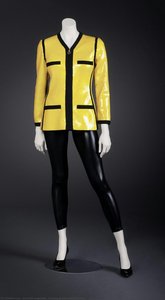
Lagerfeld's genius lay in his ability to deconstruct established codes and rebuild them into something entirely fresh. At Chanel, he understood that true innovation wasn’t about abandoning tradition but rather reimagining it. He reintroduced the iconic tweed suit, but updated its proportions and styling for contemporary women. He embraced bold colors and unexpected materials, challenging conventional notions of what Chanel could be. His designs weren't simply clothes; they were statements – declarations of independence, confidence, and a refusal to conform. Beyond clothing, Lagerfeld extended his creative vision into photography, capturing the essence of his collections through striking imagery that often featured himself behind the lens. These photographs weren’t merely promotional tools; they were artistic expressions in their own right, solidifying his reputation as a visual storyteller. He understood the power of image and used it to build a cohesive brand identity that resonated with audiences worldwide.The Kaiser's Lasting Influence
Karl Lagerfeld’s impact on the fashion industry is immeasurable. His relentless work ethic, his unwavering commitment to innovation, and his distinctive personal style – the dark sunglasses, the fingerless gloves, the high-collared shirts – made him an instantly recognizable figure, earning him the moniker “Kaiser Karl.” He wasn't just designing clothes; he was crafting a persona, a myth. His influence extends far beyond the runway, inspiring countless designers and shaping contemporary aesthetics.- Museum Collections: His designs are now preserved in prestigious institutions like The Museum Collection Hugo Fischer and the Gemäldegalerie Alte Meister, recognizing his contribution to art and culture.
- A Legacy of Collaboration: Lagerfeld’s willingness to collaborate with artists from diverse fields further broadened his creative horizons and demonstrated his open-minded approach to design.
- Redefining Luxury: He challenged traditional notions of luxury, making it more accessible while maintaining a sense of exclusivity and sophistication.
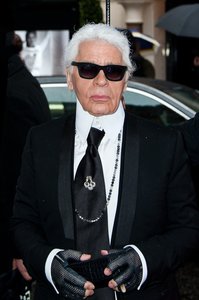
Karl Otto Lagerfeld
1933 - 2019 , Germany
Quick Facts
- Artistic Movement Or Style: Haute Couture, Modernism
- Artists Or Movements Influenced By This Artist: Contemporary Fashion
- Date Of Birth: September 10, 1933
- Date Of Death: February 19, 2019
- Full Name: Karl Otto Lagerfeld
- Nationality: German
- Notable Artworks:
- Chanel by Karl Lagerfeld
- Chloé Spring/Summer 1984
- Place Of Birth: Hamburg, Germany
Related Articles
Draped Narratives: Fashion as Symbol & Subject in Historical Art
Explore the fascinating history of fashion as a symbol of power & status in art! Discover masterpieces from Gainsborough to Tissot and learn how clothing shaped societal narratives. Find museum-quality reproductions at ArtsDot.

Gianfranco Ferré: Deconstructing Haute Couture – A Legacy of Architectural Form
Explore the revolutionary world of Gianfranco Ferré, 'the architect of fashion.' Discover his architectural approach to haute couture, iconic Dior designs, and lasting influence on luxury style. A deep dive for collectors & enthusiasts.

Cristóbal Balenciaga: Deconstructing Haute Couture's Architectural Legacy
Explore the revolutionary world of Cristóbal Balenciaga, the 'couturier's couturier'. Discover his architectural designs, lasting influence on haute couture, and guide to collecting rare pieces. A connoisseur’s resource.
Georges Barbier: A Synthesis of Art Nouveau Elegance & Early 20th-Century Fashion Illustration
Explore the exquisite world of Georges Barbier, a leading Art Nouveau illustrator celebrated for his opulent fashion designs & masterful pochoir technique. Discover his legacy and find collectible art at ArtsDot.

Karl Bodmer: Capturing Indigenous Life & Landscapes of the American West
Explore the captivating art of Karl Bodmer, whose detailed paintings documented Indigenous life along the Missouri River in the 19th century. Discover his legacy and lasting impact on Western art history.