 Preview
 Send
Send Share
Share
 Details

 Download
 Similars
 X-Ray
X-Ray Diaporama
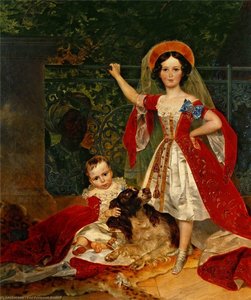
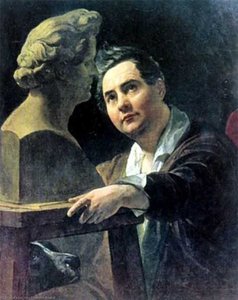
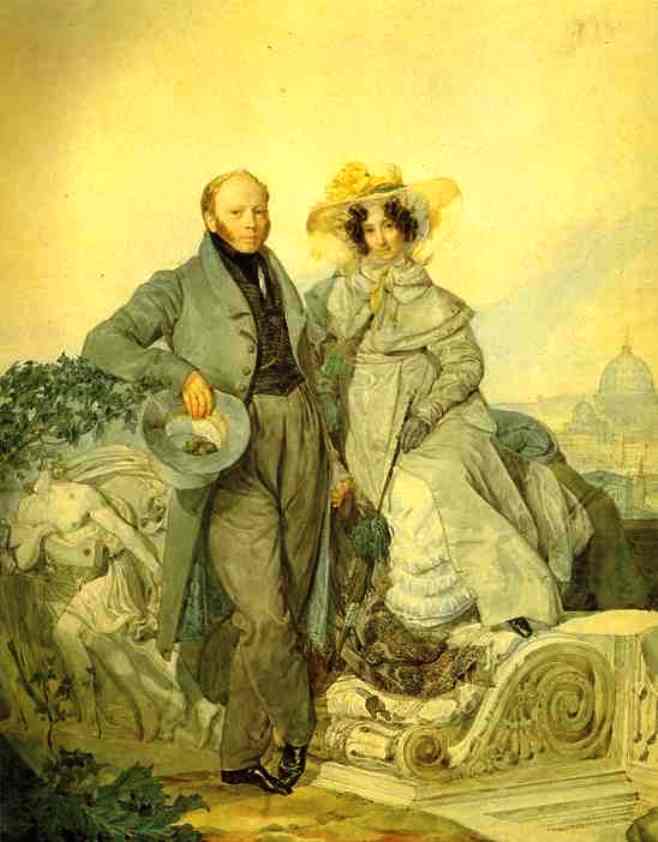
Portrait of G. N. and V. A. Olenin
 Watercolor
- WallArt
- Romanticism
 1827
1827- 19th Century
 43.0 x 34.0 cm
 Tretyakov Gallery
 Read More
Giclée / Art Print
Museum-quality giclée or canvas print with fast production and flexible finish options. ( Buy Hand Made Painting Buy Image)




P118B $10

P118H $10

P118W $10

P438Z $10

P508JH $12

P508YH $12

P805H $10

P805Z $10

P919BZ $10

P919G $10

P919XJ $10

P959ZH $10

P968JZ $12

W106C $8

W218G $10

W218JH $8

W218Y $10

W307PJ $10

W316G $10

W316PJ $8

W316Y $10

W398PJ $8

W4111J $10

W500HY $15

W500JH $15

W692G $12

W849H $8

W940BG $15

W953PJ $8




Pick from our preset sizes that match the artwork's original proportions.

You may enter your own dimensions to fit a specific frame or space. If your selected size does not match the original image's proportions, we will either crop the artwork or extend the image with a mirrored or solid-fill edge. A digital mockup will be sent for your approval before production begins.
Please note that the on-screen preview does not reflect the actual cropping or extension. Only the mockup will accurately show the final composition.
While custom sizes are available, we recommend selecting a dimension from the predefined list to preserve the original proportions.
Worldwide Delivery () in 2 weeks instead of standard 4/5 weeks. (3 September)

Free Worldwide Express Shipping

High-Quality Linen Canvas

Full Shipping Insurance

Customs Tax Refund Guarantee

True Color Matching Guarantee

60-Day Return Policy (Defects Only)

100% Money-Back Guarantee

Bulk Discount Offer
 Glass option is only available in size under 110 CM

Portrait of G. N. and V. A. Olenin
Giclée / Art Print
Reproduction Size
-


Total Price
$ 63
A Glimpse into Russian Elegance: The Portrait of G. N. and V. A. Olenin
To stand before The Portrait of G. N. and V. A. Olenin is to step directly into the refined, sophisticated atmosphere of early nineteenth-century St. Petersburg society. This exquisite watercolor by Karl Pavlovich Brulloff captures more than just two figures; it encapsulates an entire era—an age where classical ideals met burgeoning Romantic emotion. The scene unfolds with remarkable grace: a man and a woman posed together before the silent dignity of a statue. Their attire speaks volumes, suggesting a life lived amidst cultural refinement, each fold of fabric and tilt of a hat telling a story of status and taste.
Mastery in Watercolor Technique
Brulloff’s command over watercolor is nothing short of breathtaking. The medium itself lends an inherent luminosity to the piece, allowing light to seem as if it emanates from within the painted surface. Observe the delicate handling of color; the subtle gradations used on their garments and skin tones demonstrate a virtuosity that belies the seemingly spontaneous nature of the watercolor wash. This technical brilliance allows Brulloff to achieve both crisp detail—noticeable in the man's tie or the woman's hat—and an ethereal softness, particularly in the background elements. It is a perfect marriage of academic precision and painterly freedom.
The Context of Romantic Portraiture
Painted in 1827, this work sits at a fascinating crossroads in art history. While Brulloff was deeply rooted in the rigorous traditions taught by masters like his father, Pavel Bryullov, his vision pulses with the dramatic spirit characteristic of Russian Romanticism. The inclusion of other figures subtly placed in the background adds depth and narrative complexity, suggesting that this portrait is not merely a standalone moment but a slice of a larger social gathering. It invites the viewer to wonder about the lives of these individuals—the partially obscured figure, the presence further back—making the painting an engaging mystery as much as a formal depiction.
Symbolism and Enduring Appeal
The composition itself is rich with unspoken symbolism. The statue anchoring the scene acts as a silent witness to human connection, perhaps representing enduring ideals or classical virtue against the backdrop of fleeting social moments. The elegance displayed by the couple—their poised stances and fashionable dress—symbolizes the societal aspirations and cultural zenith of the time. For the modern collector or designer, this piece offers more than mere decoration; it is an artifact imbued with history, suggesting a timeless appreciation for beauty, connection, and enduring style.
Bringing History Home
Owning a reproduction of The Portrait of G. N. and V. A. Olenin allows one to curate a space steeped in the romance of Russian artistic heritage. Whether placed in a formal drawing-room or an elegantly appointed study, its soft palette and narrative depth will draw the eye and invite contemplation. It serves as a tangible link to Brulloff’s masterful hand, allowing art lovers everywhere to possess a piece that continues to inspire with its blend of historical accuracy and captivating emotional resonance.
Related Artworks
Artist Biography
A Titan of Romanticism: The Life and Legacy of Karl Bryullov
Karl Pavlovich Brulloff, known in the West as Karl Bryullov, stands as a monumental figure in 19th-century Russian art. Born in St. Petersburg in 1799, his artistic journey was one of relentless pursuit of classical ideals interwoven with a distinctly Romantic sensibility. His father, Pavel Bryullov, an accomplished sculptor and academician, recognized Karl’s prodigious talent early on and provided him with a rigorous foundation in the arts. This initial training instilled within young Karl a deep respect for form, anatomy, and the traditions of European masters – a reverence that would remain central to his work throughout his life. However, Bryullov was not merely an imitator; he possessed a unique ability to infuse classical precision with dramatic emotion and narrative power, ultimately forging a style that became synonymous with Russian Romanticism. His early years were marked by diligent study at the Imperial Academy of Arts, where he excelled in historical painting, quickly garnering recognition for his skillful draftsmanship and ambitious compositions. He received numerous awards and scholarships, including one that allowed him to travel extensively throughout Italy between 1822 and 1830 – a period that proved transformative for his artistic development.The Italian Years: A Crucible of Inspiration
Italy served as Bryullov’s artistic awakening. Immersed in the rich cultural heritage of Rome, Florence, and Naples, he meticulously studied the works of Renaissance masters like Raphael, Michelangelo, and Caravaggio. He wasn't simply copying; rather, he absorbed their techniques, compositional strategies, and understanding of light and shadow. This period saw a shift in his subject matter, moving away from purely academic exercises towards more emotionally charged historical scenes and portraits. He became fascinated with the grandeur of ancient civilizations, particularly Pompeii, which had recently been unearthed from volcanic ash. The tragic fate of this city – frozen in time by the eruption of Mount Vesuvius – resonated deeply with Bryullov’s Romantic temperament. This fascination culminated in his most celebrated masterpiece, The Last Day of Pompeii, a colossal canvas that would catapult him to international fame. During these years he also developed a keen eye for portraiture, capturing the likenesses of prominent figures within Russian society who were traveling through Italy. His portraits are not merely representations of physical appearance; they reveal the inner character and psychological state of his sitters with remarkable sensitivity.The Triumph of “Pompeii” and its Aftermath
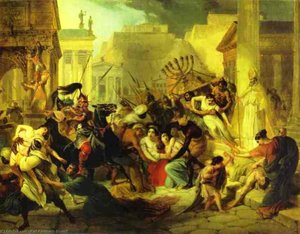
The Last Day of Pompeii, completed in 1830-1833, is a breathtaking spectacle of human drama set against the backdrop of apocalyptic destruction. The painting depicts the chaotic moments immediately following the eruption of Mount Vesuvius in AD 79, showcasing a multitude of figures caught in various states of terror and despair. Bryullov’s masterful use of light, color, and composition creates an overwhelming sense of realism and emotional intensity. The sheer scale of the work – measuring over six meters in height and four meters wide – is awe-inspiring, drawing viewers into the heart of the catastrophe. Upon its exhibition in Rome and subsequently in St. Petersburg, The Last Day of Pompeii was met with unprecedented acclaim. Bryullov became an overnight sensation, lauded as one of the greatest painters of his time. He was elected to the academies of Florence, Bologna, and San Luca – a testament to his artistic prowess. However, the painting’s immense scale also proved challenging for Russian audiences accustomed to smaller-scale works. Despite its critical success, it didn't immediately translate into widespread popular appeal within Russia. The sheer emotional weight and dramatic intensity were perhaps overwhelming for some viewers.Later Years: A Return to Russia and Continued Innovation
Bryullov returned to Russia in 1834 a celebrated hero, appointed professor at the Academy of Arts and entrusted with significant commissions. He continued to paint historical scenes, portraits, and religious works, but his later output was marked by a growing sense of disillusionment and artistic experimentation. He struggled to reconcile his classical training with the evolving tastes of Russian society, which increasingly favored more realistic and socially conscious art forms. His work The Death of Emperor Maximilian I (1837) demonstrates his continued mastery of historical painting but also reveals a shift towards greater psychological depth and emotional restraint. He also undertook ambitious decorative projects, including the ceiling paintings for St. Isaac’s Cathedral in St. Petersburg – a monumental undertaking that showcased his technical skill and compositional ingenuity. Despite facing criticism from some quarters, Bryullov remained a highly influential figure within the Russian art world, mentoring a new generation of artists and advocating for the importance of classical education. He died prematurely in 1852, leaving behind a legacy as one of Russia’s most important Romantic painters – a titan whose work continues to captivate and inspire audiences today.Historical Significance and Enduring Influence
Karl Bryullov's impact on Russian art is undeniable. He bridged the gap between Neoclassicism and Romanticism, infusing classical precision with dramatic emotion and narrative power. The Last Day of Pompeii, his magnum opus, remains a landmark achievement in 19th-century painting, influencing generations of artists with its scale, realism, and emotional intensity. He elevated the status of historical painting within Russia, demonstrating its potential to explore complex themes of human tragedy and societal upheaval. His portraits are celebrated for their psychological depth and sensitivity, capturing the inner character of his sitters with remarkable accuracy. Bryullov’s emphasis on classical education and meticulous technique helped shape the curriculum of the Imperial Academy of Arts, fostering a new generation of skilled artists. His work also played a crucial role in establishing Russia's reputation as a major center for artistic innovation within Europe.- Influence on Russian Realism: While Bryullov himself was a Romantic painter, his emphasis on realism and historical accuracy paved the way for the development of Russian Realism in the latter half of the 19th century.
- Impact on Portraiture: His sensitive and psychologically insightful portraits set a new standard for portrait painting within Russia, influencing artists such as Ilya Repin and Vasily Perov.
- Legacy in Decorative Arts: His ambitious decorative projects, particularly the ceiling paintings of St. Isaac’s Cathedral, continue to be admired for their technical skill and compositional ingenuity.
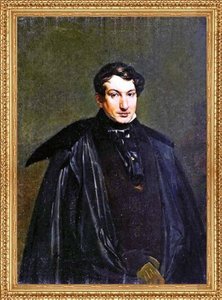
karl pavlovich brulloff
1799 - 1852
Quick Facts
- Artistic Movement Or Style: Romanticism
- Artists Who Influenced This Artist:
- Jean Auguste Dominique Ingres
- Alexei Nikolaevich Ivanov
- Date Of Birth: December 12, 1799
- Date Of Death: June 11, 1852
- Full Name: Karl Pavlovich Bryullov
- Nationality: Russian
- Notable Artworks:
- The Last Day of Pompeii
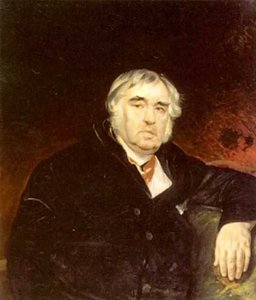
- Portrait of I.A. Krylov
- Portrait of the Poet and Playwrigh Nestor Kukolnic
- Fountain in Bakhchi-Sarai
- Place Of Birth: St. Petersburg, Russia
Related Articles

Watercolor Wonders: 10 Masterpieces That Redefined Art History | ArtsDot
Journey through 10 legendary watercolor masterpieces by Sargent, Turner & Homer! Explore iconic landscapes, portraits & floral art that redefined history. Find museum-quality reproductions and curated decor ideas at ArtsDot.com.

Ephemeral Visions: Exploring the Artistic Legacy & Contemporary Practice of Watercolor Painting
Explore the captivating world of watercolor painting! Discover its rich history, essential techniques, influential artists & collecting tips. A comprehensive guide for art enthusiasts from ArtsDot.

Ephemeral Visions: Exploring the History & Emotional Resonance of Watercolor Painting
Explore the captivating history of watercolor painting, from ancient techniques to modern masters like Kandinsky & Blake. Discover essential artists, collecting tips & the emotional power of this luminous medium. Expert insights for art enthusiasts.

Ephemeral Visions: Exploring the Artistic Legacy & Nuances of Watercolor Painting
Explore the captivating world of watercolor painting! Discover its rich history, essential techniques, influential artists & collecting tips from art experts. A comprehensive guide for enthusiasts.
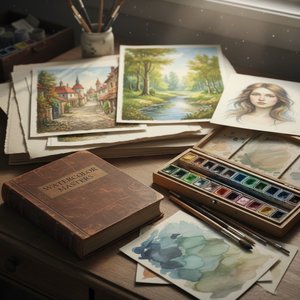
The Enduring Appeal of Watercolor: History, Techniques & Contemporary Practice
Explore the captivating world of watercolor painting! Discover its rich history, essential techniques, influential artists, and collecting tips. A comprehensive guide for art enthusiasts.