 Preview
 Send
Send Share
Share
 Details

 Download
 Similars
 X-Ray
X-Ray Diaporama
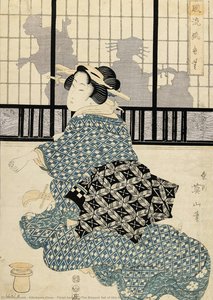
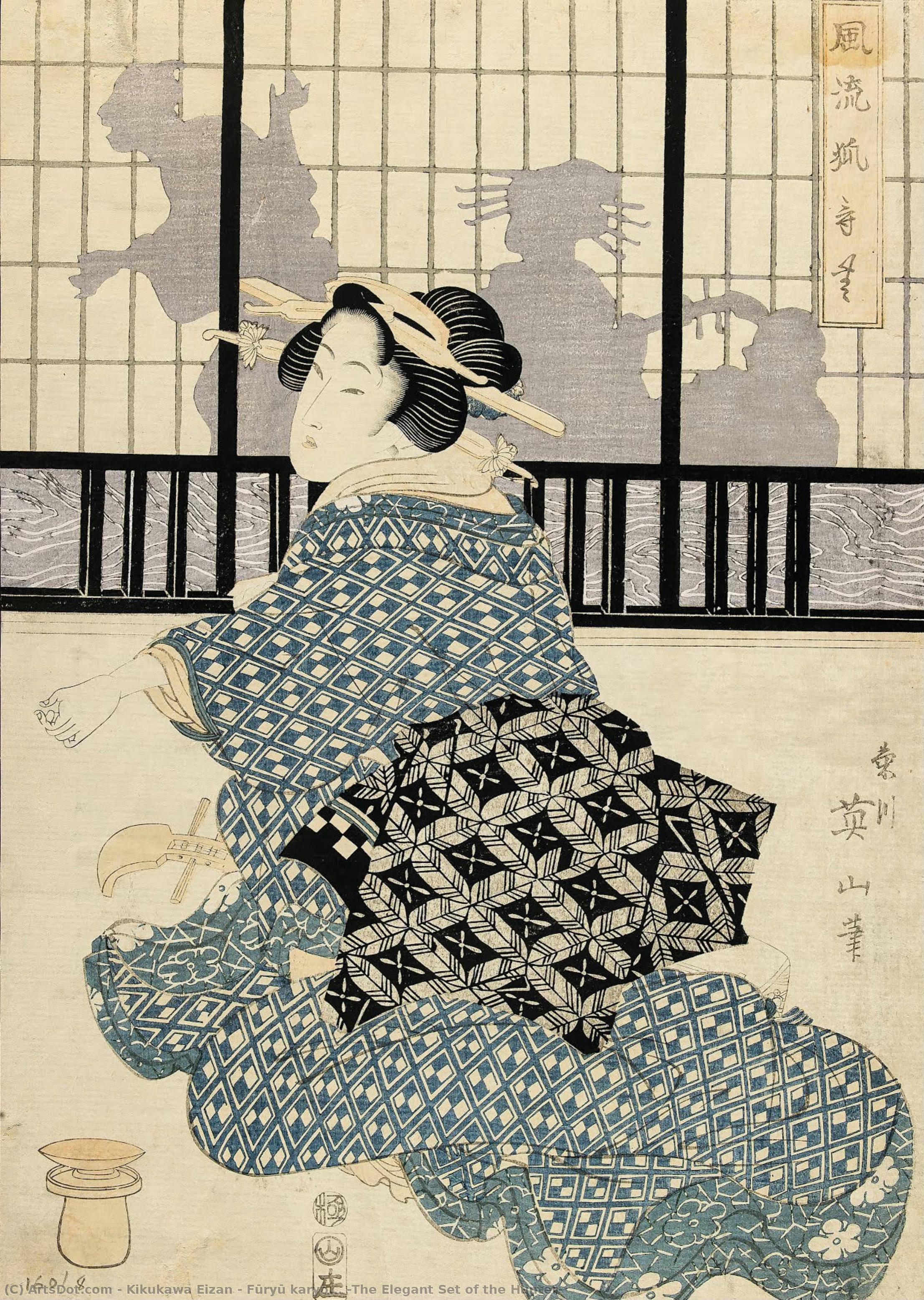
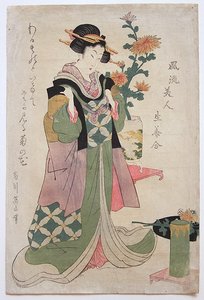
Fūryū karyō... (The Elegant Set of the Hunter)


 Read More
Giclée / Art Print
Museum-quality giclée or canvas print with fast production and flexible finish options. ( Buy Hand Made Painting Buy Image)




P118B $10

P118H $10

P118W $10

P438Z $10

P508JH $12

P508YH $12

P805H $10

P805Z $10

P919BZ $10

P919G $10

P919XJ $10

P959ZH $10

P968JZ $12

W106C $8

W218G $10

W218JH $8

W218Y $10

W307PJ $10

W316G $10

W316PJ $8

W316Y $10

W398PJ $8

W4111J $10

W500HY $15

W500JH $15

W692G $12

W849H $8

W940BG $15

W953PJ $8




Pick from our preset sizes that match the artwork's original proportions.

You may enter your own dimensions to fit a specific frame or space. If your selected size does not match the original image's proportions, we will either crop the artwork or extend the image with a mirrored or solid-fill edge. A digital mockup will be sent for your approval before production begins.
Please note that the on-screen preview does not reflect the actual cropping or extension. Only the mockup will accurately show the final composition.
While custom sizes are available, we recommend selecting a dimension from the predefined list to preserve the original proportions.
Worldwide Delivery () in 2 weeks instead of standard 4/5 weeks. (28 August)

Free Worldwide Express Shipping

High-Quality Linen Canvas

Full Shipping Insurance

Customs Tax Refund Guarantee

True Color Matching Guarantee

60-Day Return Policy (Defects Only)

100% Money-Back Guarantee

Bulk Discount Offer
 Glass option is only available in size under 110 CM

Fūryū karyō... (The Elegant Set of the Hunter)
Giclée / Art Print
Reproduction Size
-


Total Price
$ 63
Related Artworks
Artist Biography
The Last Echoes of Utamaro’s Elegance
Kikukawa Eizan (1787 – July 17, 1867) stands as a pivotal figure in the twilight years of ukiyo-e artistry—the final bastion of the classical aesthetic tradition before it succumbed to the burgeoning influences of Western art and sensibilities. Often dismissed by connoisseurs as a mere follower or even a plagiarist of Utamaro’s late style, Eizan's legacy transcends simple imitation; he embodies a profound understanding of his predecessor’s artistic vision while simultaneously forging an independent path marked by remarkable beauty and intellectual depth. His oeuvre represents the culmination of decades spent perfecting the art of bijin-ga—prints depicting idealized female figures—a genre that had begun its decline after Utamaro's death in 1806, yet Eizan stubbornly upheld the core principles of this aesthetic, creating works that continue to captivate viewers with their grace and timelessness.
Born into a family steeped in artistic heritage, Eizan’s foundation was laid by his father, Eiji Kikugawa, a respected painter of the Kano school. This early exposure to meticulous craftsmanship and formal elegance would permeate his entire career, providing him with a technical rigor that set him apart from many of his contemporaries. His education was further enriched by studying under Suzuki Nanrei, a master of the Shijō school known for compositional innovation, and likely under Totoya Hokseb, whose vibrant color palettes offered a more dynamic approach to the medium. These formative experiences allowed Eizan to bridge the gap between the rigid traditions of classical Japanese painting and the fluid, ephemeral world of the "floating world" prints.
A Mastery of the Floating World
Eizan's artistic journey commenced with an unwavering devotion to the lyrical sensitivity of Utamaro’s late style. During the first quarter of the nineteenth century, he developed a new typology for rendering the inhabitants of Edo, moving through various stylistic phases that reflected his growing maturity. In his earliest works, around 1806-1808, his depiction of the female face relied on a pronounced oval with a tapered chin and long, straight noses. However, as his technique evolved between 1808 and 1813, the faces became fuller and more voluminous, reflecting a shift toward a more substantial presence. This evolution reached its zenith during his most celebrated period from 1814 to 1817, where he achieved a balance of delicate line work and harmonious color that defined the era.
While many later ukiyo-e artists like Kunisada or Keisai Eisen moved toward an earthier realism and more overt sensuality, Eizan remained a guardian of the classical. His work retains a certain ethereal quality, characterized by:
- Graceful Lineage: A commitment to smooth, flowing contours that suggest movement and elegance rather than harsh reality.
- Lyrical Coloration: The use of harmonious, soft palettes that evoke the refined atmosphere of the pleasure quarters.
- Idealized Beauty: A focus on the bijin (beautiful woman) as a symbol of cultural sophistication and aesthetic perfection.
His ability to capture the essence of town maidens and courtesans with such poise made him a sensation in the world of ukiyo-e, allowing him to carry the torch of the classical style long after its primary architects had passed.
Transition and Lasting Legacy
As the decades progressed and the socio-political landscape of Japan began to shift, so too did Eizan's artistic focus. In a remarkable departure from his established fame, Eizan eventually abandoned the medium of woodblock printmaking in the 1830s. He turned his attention toward painting, a transition that allowed him to explore more personal and perhaps less commercially driven themes for approximately three decades until his death in 1867. This shift from the mass-produced print to the singular painting mirrors the broader movement of Japanese art during the late Edo period, as artists sought new ways to express depth and individual vision amidst a changing world.
The historical significance of Kikukawa Eizan lies in his role as a bridge between eras. He was the last great manifestation of the classical ukiyo-e style in bijin work, standing at the threshold where the delicate, transformative elegance of the past met the more angular, material-focused aesthetics of the coming age. Though some historians once viewed him through the lens of imitation, modern appreciation recognizes his ability to transform influence into independence. He did not merely repeat the past; he preserved its soul, ensuring that the refined beauty of the floating world would leave a lasting imprint on the history of Japanese art.
kikukawa eizan
1787 - 1867 , Japan
Quick Facts
- Artistic Movement Or Style: Ukiyo-e bijin-ga
- Artists Or Movements Influenced By This Artist:
- Kunisada
- Keisai Eisen
- Artists Who Influenced This Artist:
- Suzuki Nanrei
- Totoya Hokkei
- Utamaro
- Date Of Death: July 17, 1867
- Full Name: Kikukawa Eizan
- Nationality: Japanese
- Notable Artworks:
- Fūryū karyō...
- Kikukawa Eizan
- Place Of Birth: Japan (WahooArt)
Related Articles

Hokusai's Masterpieces: 25 Iconic Prints & Paintings for Art Lovers | ArtsDot
Journey through Katsushika Hokusai’s 25 most iconic artworks, including *The Great Wave*. Explore the ukiyo-e master's history, style & timeless Japanese woodblock prints. Find museum-quality reproductions for your home at ArtsDot.com.
Ukiyo-e: Exploring Japan's Floating World & Enduring Artistic Legacy
Explore the captivating world of Ukiyo-e – Japan's iconic woodblock prints! Discover masters like Hokusai & Hiroshige, learn about Edo period culture, and find expert art collecting guidance at ArtsDot.
Suzuki Harunobu: Pioneering Ukiyo-e & the Refinement of Edo Period Printmaking
Discover the revolutionary world of Suzuki Harunobu, a pioneer of ukiyo-e printmaking. Explore his exquisite nishiki-e techniques, diverse subjects & lasting impact on Japanese art history. Learn more at ArtsDot.
Japonisme: How Japanese Woodblock Prints Revolutionized Western Art
Explore the profound impact of Japonisme on Western art. Discover how Japanese ukiyo-e woodblock prints revolutionized perspective, color, and composition for masters like Monet and Van Gogh, forever changing the course of modern art history.
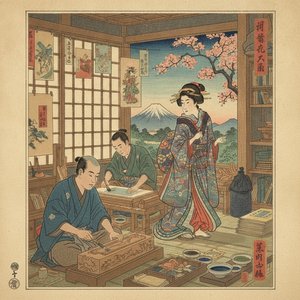
Floating World: The Captivating Art and Legacy of Japanese Ukiyo-e
Explore the profound beauty of Japanese Ukiyo-e. Discover the history, masters like Hokusai, and the enduring legacy of the 'Floating World' through an expert art-historical lens.