 Preview
 Send
Send Share
Share
 Details

 Download
 Similars
 X-Ray
X-Ray Diaporama
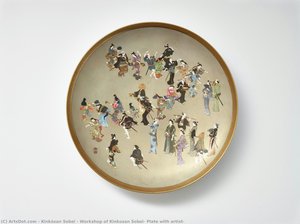
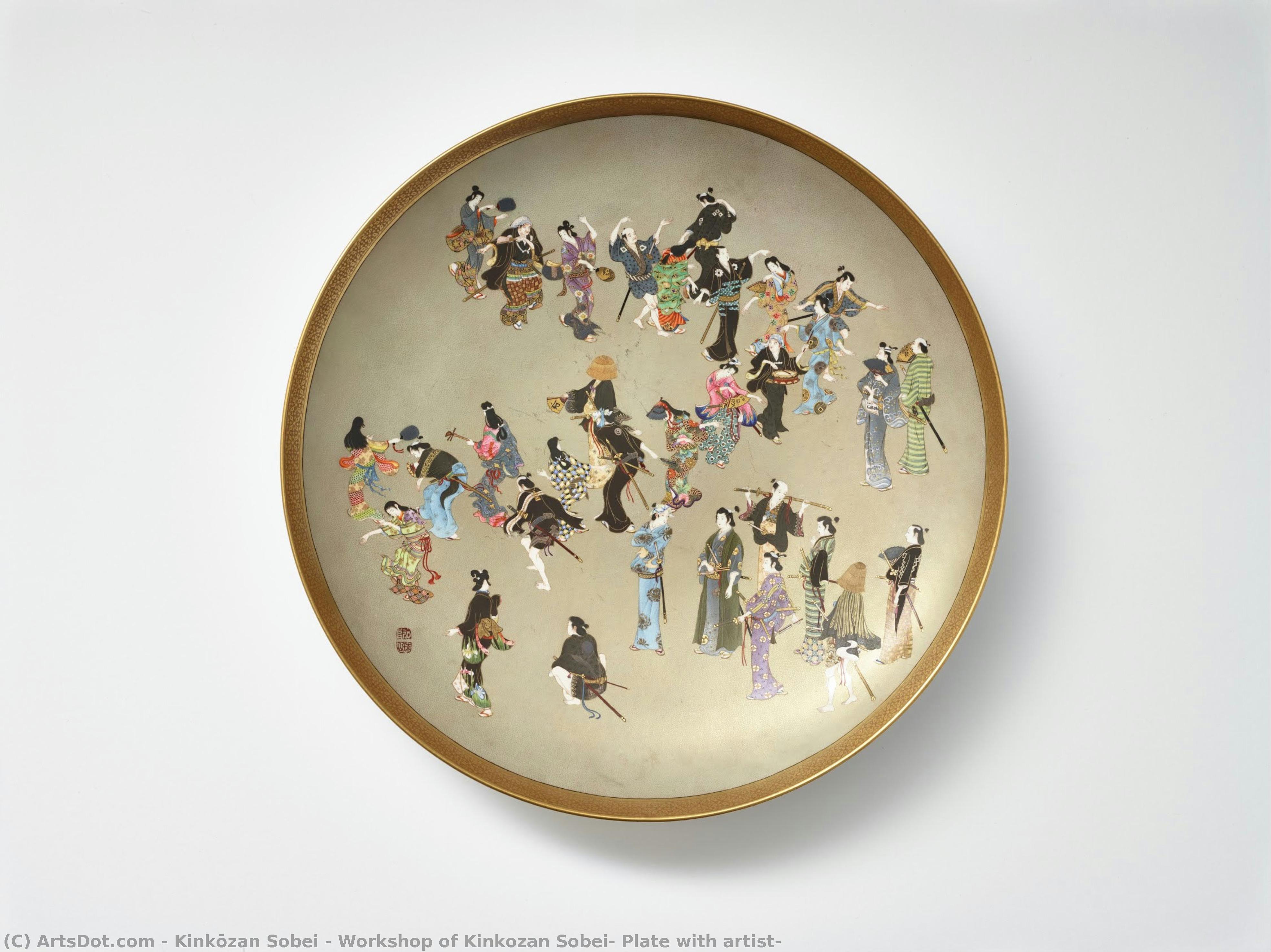
Workshop of Kinkozan Sobei, Plate with artist


 Read More
Hand Made Oil Reproduction
Hand-painted oil on canvas in your size and frame, made to order by our artists. ( Buy Print Buy Image)




P118B $10

P118H $10

P118W $10

P438Z $10

P508JH $12

P508YH $12

P805H $10

P805Z $10

P919BZ $10

P919G $10

P919XJ $10

P959ZH $10

P968JZ $12

W106C $8

W218G $10

W218JH $8

W218Y $10

W307PJ $10

W316G $10

W316PJ $8

W316Y $10

W398PJ $8

W4111J $10

W500HY $15

W500JH $15

W692G $12

W849H $8

W940BG $15

W953PJ $8




Pick from our preset sizes that match the artwork's original proportions.

You may enter your own dimensions to fit a specific frame or space. If your selected size does not match the original image's proportions, we will either crop the artwork or extend the painting with additional hand-painted elements. A digital mockup will be sent for your approval before production begins.
Please note that the on-screen preview does not reflect the actual cropping or extension. Only the mockup will accurately show the final composition.
While custom sizes are available, we recommend selecting a dimension from the predefined list to preserve the original proportions.
After order, ArtsDot.com team will email client for instructions and provide a mockup preview
Worldwide Delivery () in 3/4 weeks instead of standard 5 weeks. (16 August). No compromise on quality.

Free Worldwide Express Shipping

High-Quality Linen Canvas

Full Shipping Insurance

Customs Tax Refund Guarantee

True Color Matching Guarantee

60-Day Return Policy (Defects Only)

100% Money-Back Guarantee

Bulk Discount Offer
 Glass option is only available in size under 110 CM

Workshop of Kinkozan Sobei, Plate with artist
Reproduction Medium
Reproduction Size
-


Total Price
$ 263
Artwork Description
A Window into Meiji Japan: Plate with Artist by Kinkōzan Sobei
This exquisite plate, a product of the Kyoto studio founded by Kinkōzan Sobei VI in 1884, offers a captivating glimpse into the burgeoning world of Satsuma ceramics during the early 20th century. Emerging from a tradition deeply rooted in the artistry of the Kinkōzan workshop – itself a legacy stretching back to the 18th century – this piece represents a pivotal moment in Japanese artistic history: the transition from exclusive samurai adornment to widespread international appeal. The plate’s creation coincided with the Meiji Restoration, a period of rapid modernization and Westernization in Japan, and the subsequent fascination with Japanese craftsmanship that swept across Europe. The artist's deliberate inclusion within the scene elevates this decorative object beyond mere representation; it becomes a testament to the skill and ambition of Sobei himself, solidifying his place as a master of Kyoto’s Imperial Porcelain.
Satsuma Style: A Legacy of Color and Form
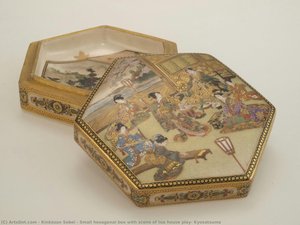
The distinctive aesthetic of this plate is entirely defined by the Satsuma style, a technique perfected over centuries in the southwest Japanese province. Characterized by its signature eggshell-white glaze – achieved through a complex firing process that created a delicate, almost translucent surface – and lavish gold decoration, Satsuma ware was initially reserved for the elite samurai class. The vibrant colors, often applied with meticulous detail, were intended to evoke images of paradise and prosperity. The plate’s composition reflects this opulent tradition, showcasing a dynamic scene rendered in rich hues that would have been instantly recognizable and highly prized by collectors during the Meiji era. The use of gold is particularly significant, symbolizing wealth, power, and divine connection – elements deeply embedded within Japanese artistic symbolism.
A Bon Odori Celebration: Narrative and Symbolism
The central subject of the plate—a lively “bon odori” dance event—offers a fascinating window into 19th-century Japanese social life. Bon odori, performed during the Obon festival to honor ancestral spirits, was a vibrant display of community and tradition. The meticulously depicted figures engaged in this ritualistic dance, each contributing to the narrative’s energy and dynamism. Notice the varied costumes and expressions, reflecting the diverse roles within the community. Beyond its decorative function, the plate serves as a visual record of a cherished cultural practice, embodying themes of family, remembrance, and connection to the past. The artist's skill in capturing movement and emotion elevates this piece beyond a simple depiction of a scene; it’s an evocative portrayal of Japanese culture at a pivotal moment in its history.
Craftsmanship and Technique: A Masterful Execution
The plate’s creation exemplifies the exceptional craftsmanship that defined Kinkōzan Sobei's studio. The level of detail evident in the figures, their clothing, and the instruments they play speaks to a dedication to perfection—a hallmark of Japanese ceramic production. The technique employed likely involved both hand-painting and potentially some degree of transfer printing, combined with meticulous glazing and firing. The smooth, lustrous surface of the glaze, characteristic of Satsuma ware, further enhances the plate’s visual impact. This reproduction captures not just an image but a testament to the dedication and skill required to produce such a remarkable object.
Related Artworks

Artist Biography
Kinkōzan Sobei (1825-1896): A Master of Kyoto’s Imperial Porcelain
Born in Kyoto, Japan, in 1825, Kinkōzan Sobei was more than just a potter; he was a pivotal figure in the evolution of Japanese ceramics and a key contributor to the international recognition of Satsuma ware. His life intertwined with the legacy of his family’s renowned workshop, the Kinkōzan, a lineage steeped in artistic tradition dating back to its founder, Kinkōzan Sōzui (1741-1818). Sobei's journey wasn't simply one of inheriting a craft; it was a deliberate and innovative response to changing times, ultimately shaping the distinctive aesthetic that would captivate Europe during the Meiji period.
His early life was deeply rooted in this established artistic heritage. As the son of Kinkōzan Sōzui, he received an unparalleled education in pottery techniques, mastering the intricacies of form, glaze, and decoration. The Kinkōzan workshop itself held a prestigious position, traditionally supplying ceramics to the imperial court and influential figures within the shogunate. This connection provided Sobei with access to rare clays, specialized firing methods, and a deep understanding of the symbolic language embedded in Japanese art – particularly the importance of auspicious motifs and refined elegance.
The Art of Satsuma: Innovation and Influence
Sobei’s true contribution lies in his pivotal role in developing and refining what became known as Kyō Satsuma ware. While the origins of Satsuma pottery itself trace back to the province of Kagoshima, Sobei and his successors in Kyoto elevated the style with a distinctive refinement and an emphasis on intricate detail that set it apart. The Kinkōzan workshop, under his guidance, began experimenting with new glazing techniques – particularly the development of the vibrant, layered colors characteristic of Kyō Satsuma – alongside the meticulous application of gold leaf (kinrande) and elaborate painted designs.
This innovation was directly influenced by Western artistic trends emerging during the Meiji Restoration. The opening of Japan to foreign trade in the mid-19th century exposed Japanese artisans to European art, particularly the opulent styles of Rococo and Baroque. Sobei skillfully adapted these influences, incorporating elements like floral motifs, arabesque patterns, and a heightened sense of decorative extravagance into his work. This fusion of traditional Japanese aesthetics with Western artistic sensibilities proved remarkably successful, propelling Kyō Satsuma ware onto the international stage.
A Global Stage: Exhibitions and Recognition
Sobei’s talent was quickly recognized on an international scale. His pieces were prominently featured at a series of prestigious exhibitions throughout the latter half of the 19th century, solidifying Kyō Satsuma's reputation as a premier art form. The Great Exhibition of 1862 in London showcased his exquisite craftsmanship, followed by the Exposition Universelle of 1867 in Paris and the Centennial Exposition of 1876 in Philadelphia. Perhaps most notably, his work was displayed at the World’s Columbian Exposition of 1893 in Chicago, cementing its place as a symbol of Japanese artistry within the global art market.
These exhibitions weren't merely displays; they were crucial moments for establishing Kyō Satsuma ware as a desirable commodity. Western collectors and connoisseurs were captivated by its vibrant colors, intricate designs, and perceived exoticism. The demand fueled production at the Kinkōzan workshop, transforming it into one of the most successful ceramic workshops in Japan during that era.
Legacy and Enduring Influence
Kinkōzan Sobei’s legacy extends far beyond his individual creations. He played a crucial role in shaping the trajectory of Japanese ceramics and fostering cross-cultural exchange between East and West. His innovations in glazing, design, and marketing techniques continue to inform contemporary ceramic artists. His work is now housed in museums around the world – including the Victoria and Albert Museum in London, the Guimet Museum of Asian Art in Paris, and the Philadelphia Museum of Art – serving as a testament to his skill and vision.
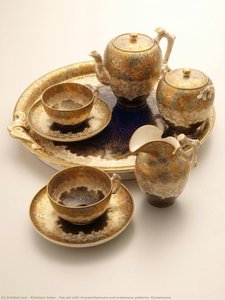
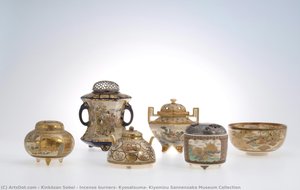
The Fujikawa Galleries in Japan remain a significant repository of Kinkōzan Sobei’s work, offering visitors a chance to appreciate the enduring beauty and historical significance of this remarkable artist. His influence can also be seen in the Kiyomizu Sannenzaka Museum Collection, where pieces like incense burners and tea sets exemplify the refined elegance that defined his artistic output.
Ultimately, Kinkōzan Sobei’s life represents a fascinating intersection of tradition and innovation—a testament to the power of an artist to adapt, evolve, and leave an indelible mark on the world of art.
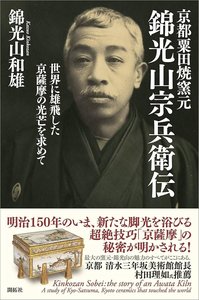
kinkōzan sobei
1825 - 1896 , Japan
Quick Facts
- Artistic Movement Or Style: Satsuma ware
- Artists Or Movements Influenced By This Artist: ['Meiji period art']
- Artists Who Influenced This Artist: ['Kinkōzan Sōzui']
- Date Of Birth: 1825
- Date Of Death: 1896
- Full Name: Kinkōzan Sobei
- Nationality: Japanese
- Notable Artworks:
- Incense burners
- Tea set chrysanthemums
- Place Of Birth: Kyoto, Japan
Related Articles

Palette & Plate: The Psychological Impact of Color & Composition on Culinary Experience
Discover how color & plate composition impact the dining experience. Explore culinary psychology insights to enhance restaurant ambiance, stimulate appetite, and elevate customer perception. Expert advice for impactful presentation.
Serenity on Canvas: A Guide to the Timeless Beauty of Japanese Landscape Painting
Discover the serene beauty of Japanese landscape painting. From Hokusai's iconic woodblock prints to meditative sumi-e ink washes, explore a visual journey through the 'floating world' and learn how to bring this timeless Zen aesthetic into your modern home decor.

Hokusai's Masterpieces: 25 Iconic Prints & Paintings for Art Lovers | ArtsDot
Journey through Katsushika Hokusai’s 25 most iconic artworks, including *The Great Wave*. Explore the ukiyo-e master's history, style & timeless Japanese woodblock prints. Find museum-quality reproductions for your home at ArtsDot.com.
Floating World: The Captivating Art and Legacy of Japanese Ukiyo-e
Explore the profound beauty of Japanese Ukiyo-e. Discover the history, masters like Hokusai, and the enduring legacy of the 'Floating World' through an expert art-historical lens.
Léonard Foujita: A Poetic Synthesis of Japanese Sensibility & European Modernism
Discover the captivating world of Léonard Foujita, a master bridging Japanese aesthetics & European Modernism. Explore his signature style, diverse works, and enduring legacy – essential reading for discerning art collectors.